
Buying a used electric car sounds like a smart way to save money —
until fears about charging costs, battery failure, and expensive repairs creep in.
The reality in 2026 is far calmer — and far cheaper — than most people expect.
Short Answer
Yes — used EVs are among the cheapest cars to own in 2026, as long as the battery is healthy and you have access to reasonably priced charging.
TL;DR
✅ Charging costs 3–5× less than gasoline
✅ Maintenance is 40–60% cheaper than ICE cars
❌ Battery replacement is expensive — but rare
👉 For most drivers, a used EV delivers the lowest total cost of ownership (TCO) on the market.
Who This Guide Is For
This guide is for you if:
- You are considering buying a used electric car
- You care about real ownership costs, not brochure numbers
- You plan to keep the car 3–7 years
- You drive 15,000–25,000 km per year
This guide is NOT for you if:
- You rely exclusively on expensive DC fast charging
- You regularly tow heavy trailers
- You live far from EV service infrastructure
Why People Search This Topic
Most buyers are trying to answer one question:
“Will a used EV actually save me money — or become a repair nightmare?”
Tips & Tricks
Fast Charging vs Slow Charging: Everything You Need to Know (2026 Guide)
TL;DR — The Real Answer Fast charging does not destroy your EV battery. But heavy, daily DC fast charging can...
Tips & Tricks
Is Buying a Used Electric Car Worth It in the USA in 2026?
Buying a used electric car sounds like a smart financial move — until battery anxiety kicks in. What if the...
Tips & Tricks
Used Tesla EVs: Reliability, Battery, Costs (2026 Expert Guide)
Buying a used Tesla sounds like a shortcut to cheap luxury — until battery anxiety kicks in. The reality in...
The main concerns are:
- Charging vs fuel costs
- Battery lifespan and degradation
- Out-of-warranty repair risk
- EV vs gas total ownership cost
In short, people want to save money without making an expensive mistake.
The Real Concern: Total Cost of Ownership (TCO)
The correct way to judge a used EV is not by purchase price, but TCO:
TCO includes:
- Energy (charging or fuel)
- Maintenance
- Repairs
- Depreciation risk
When evaluated this way, the most used EVs clearly outperform gasoline cars.
Charging Costs (Real-World Numbers)
Assumptions used below:
- 18,000 km per year
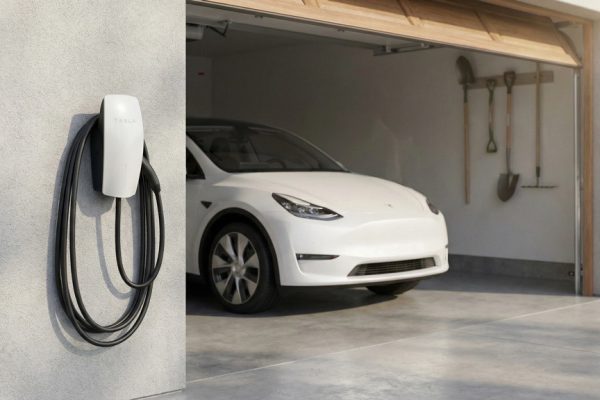
- Mixed charging: ~70% home / 30% public
- Average efficiency: 15–18 kWh / 100 km
Average Energy Cost (2026)
| Vehicle Type | Cost per km |
|---|---|
| Used EV (home charging) | $0.03–0.06 |
| Used EV (public fast charging) | $0.08–0.12 |
| Gas car | $0.12–0.18 |
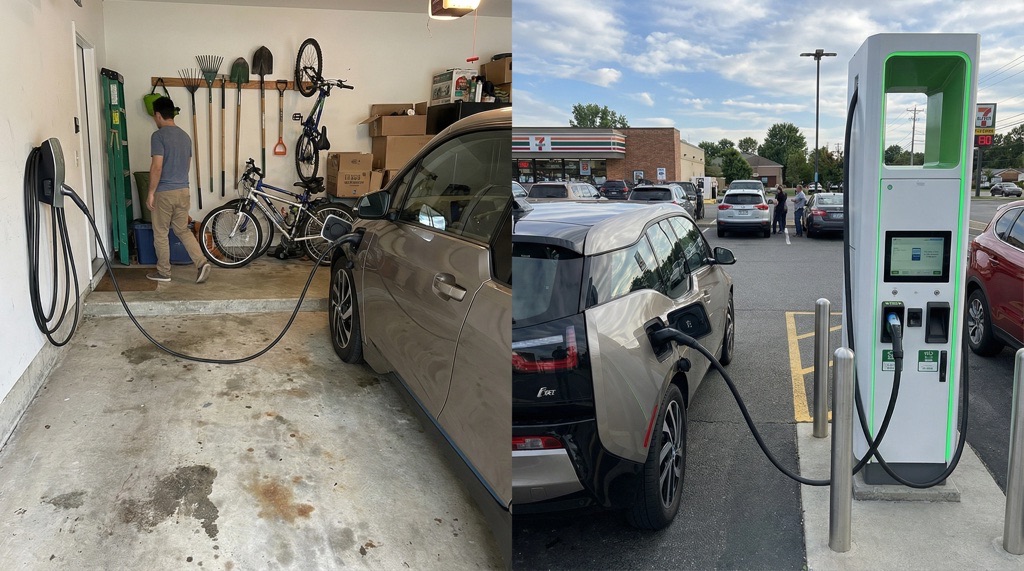
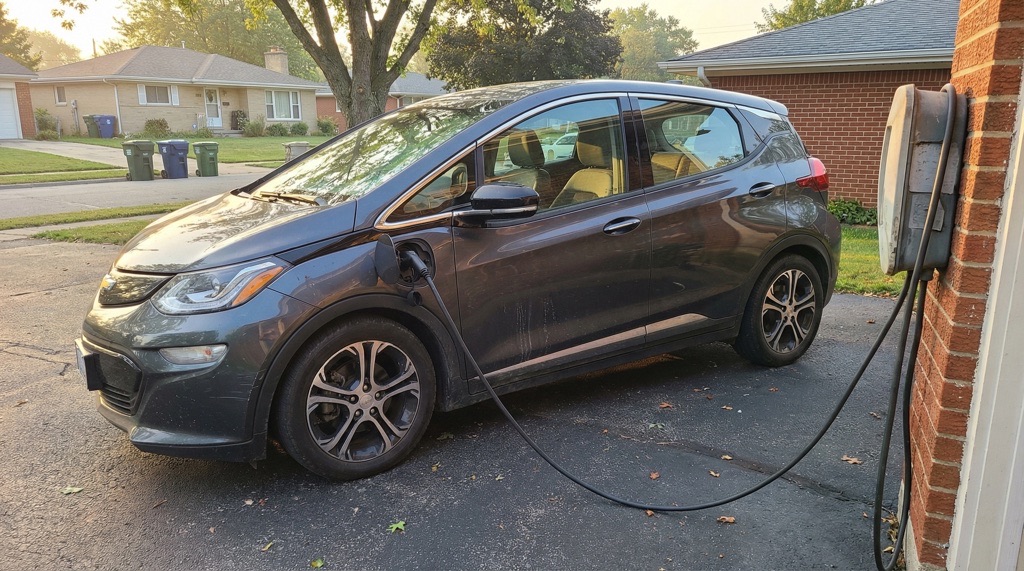
👉 Home charging is the biggest financial advantage of EV ownership.
👉 Even with partial public charging, EVs remain cheaper than gasoline cars.
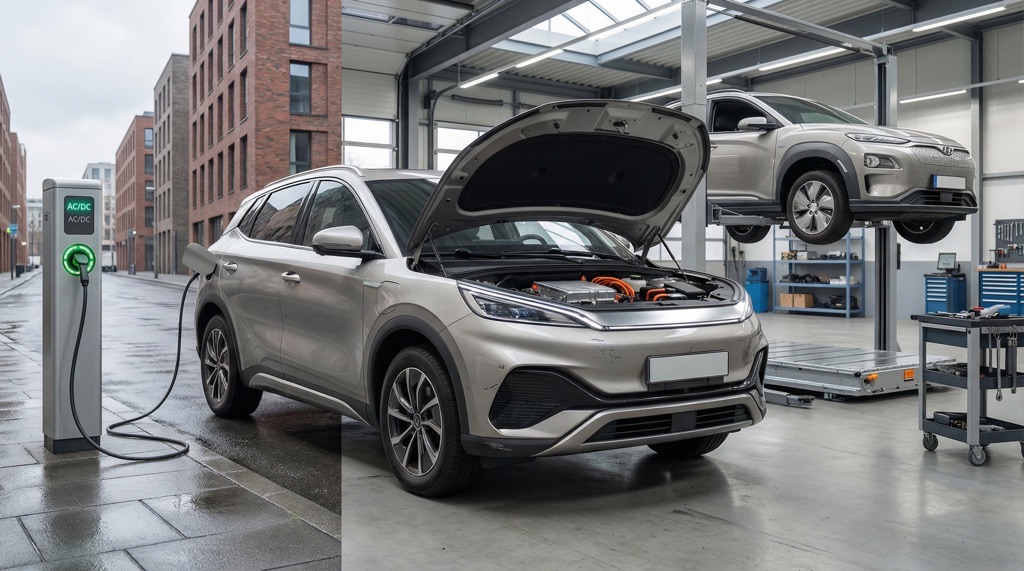
Maintenance Costs: EV vs Gas (What Actually Breaks)
Electric cars avoid most traditional service items:
No:
- Oil changes
- Spark plugs
- Timing belts
- Exhaust systems
- Multi-speed gearboxes
Typical Annual Maintenance
| Vehicle | Annual Cost |
|---|---|
| Used EV | $200–400 |
| Gas car | $600–1,200 |
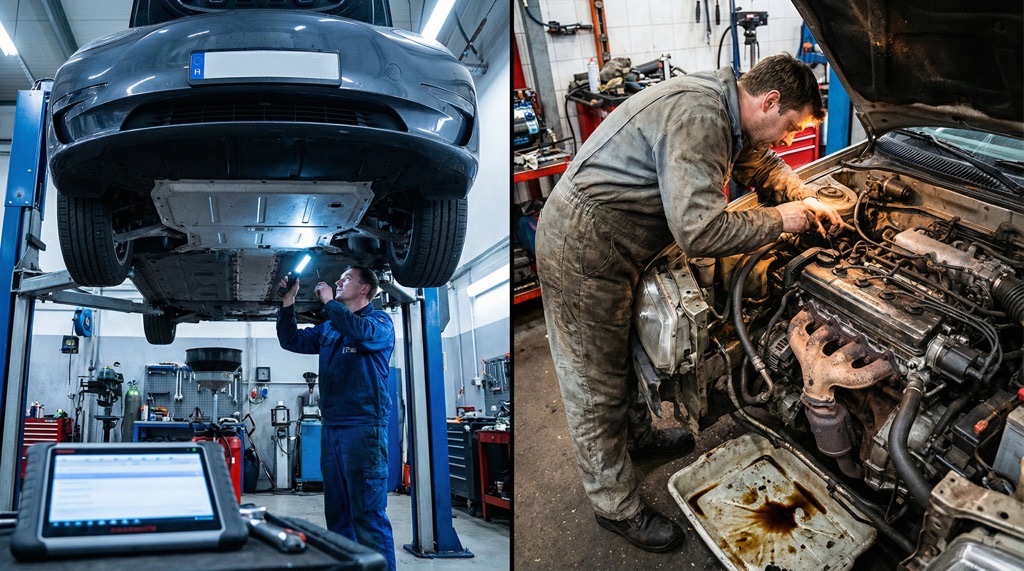
Regenerative braking allows brake pads to last 150,000–200,000 km, sometimes longer.
Repairs & Battery Reality (No Myths)
Battery Degradation (Real Ownership Data)
Based on high-mileage EV owner reports from Europe and North America:
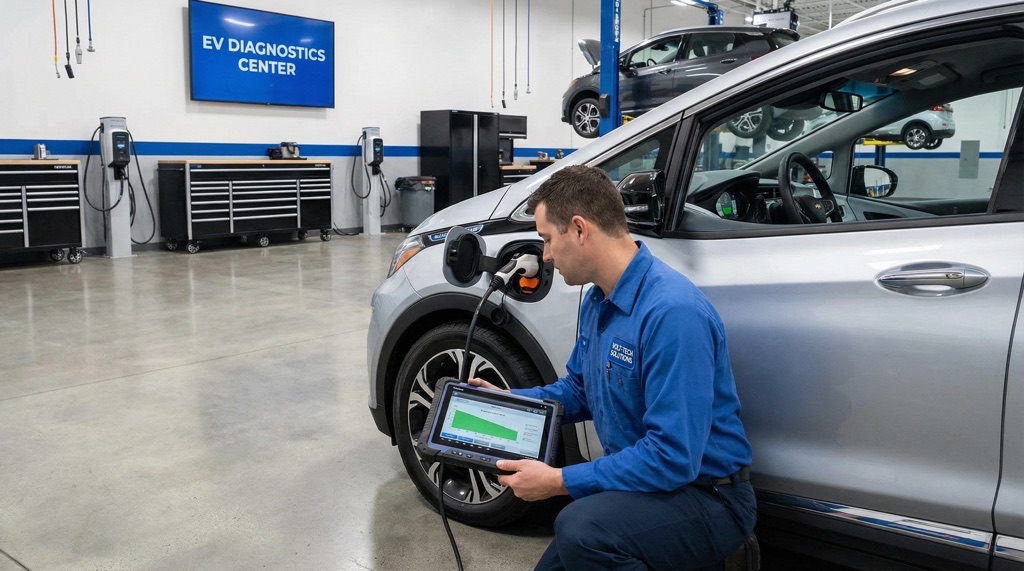
- ~10–15% capacity loss after 200,000 km
- Most modern batteries exceed 300,000 km
- Thermal management matters more than mileage
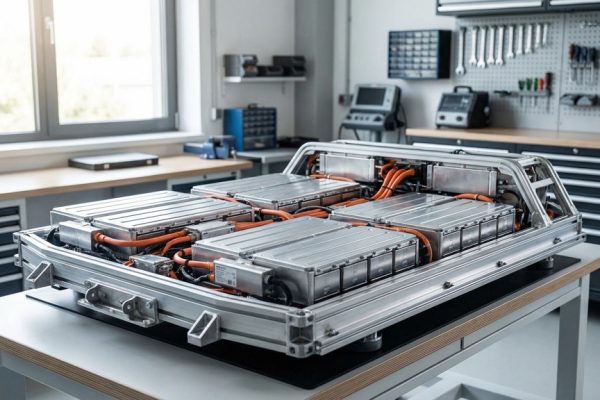
Battery Replacement Cost
- Typical range: $4,000–10,000
- Full failure within normal ownership: very rare
- Most owners never replace the battery
📌 Battery degradation is predictable and slow, not sudden.
Ownership Cost Comparison
| Cost Category | Used EV | Gas Car | Why EV Wins |
|---|---|---|---|
| Energy | $400–700 | $1,200–1,800 | Electricity is cheaper |
| Maintenance | $200–400 | $600–1,200 | Fewer moving parts |
| Repairs (avg) | Low | Medium–High | Less mechanical wear |
| Total per year | $600–1,100 | $1,800–3,000 | Lower TCO |
👉 Used EVs are typically 50–65% cheaper to own annually.
Real-World Example
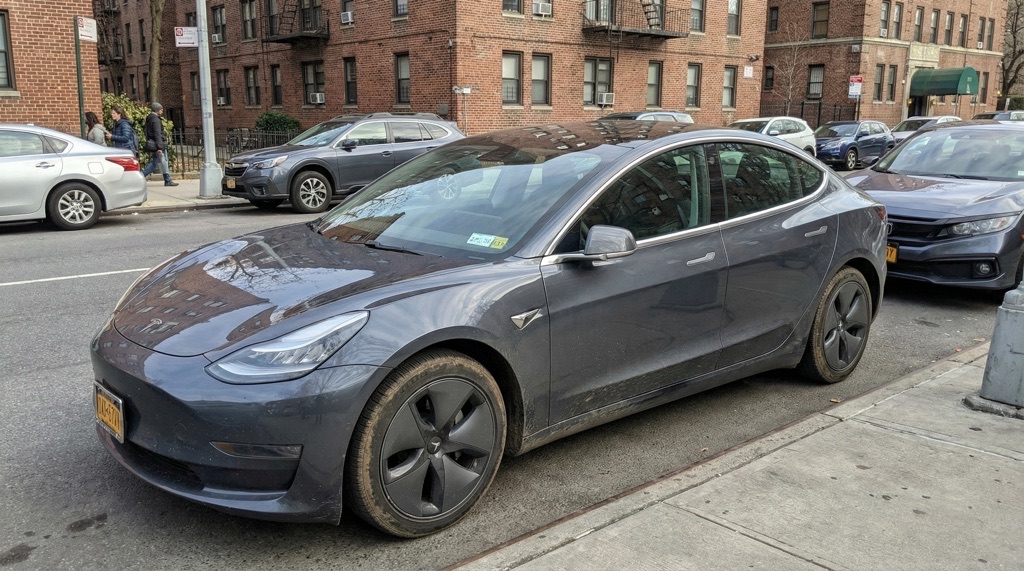
2019 Tesla Model 3
- Mileage: 120,000 km
- Battery health: ~92%
- Charging: mostly at home
- Annual running cost: ~$800
Daily usability remains nearly identical to a new car —
with dramatically lower ownership costs.
When a Used EV Is a Smart Choice
- Home or workplace charging available
- Urban & suburban driving
- Annual mileage above 15,000 km
- Ownership horizon: 3–7 years
When a Used EV Is a Bad Idea
Be honest — skip it if:
- You rely 100% on expensive fast chargers
- Battery health is unknown or undocumented
- You tow heavy loads frequently
- Local EV service access is limited
How to Buy a Used EV the Right Way
- Request a battery health report
- Check charging history (fast vs slow)
- Inspect the thermal management system
- Prefer proven platforms or LFP batteries
- Avoid flood- or crash-damaged EVs
👉 Battery condition matters more than mileage.
Final Verdict

In 2026, used electric cars offer the lowest total cost of ownership for most drivers.
If charging access is reasonable and the battery is healthy, the financial advantage is overwhelming.
👉 The real risk isn’t EV ownership — it’s buying the wrong used EV.
FAQ
Q: Is a used EV still cheap without home charging?
A: Usually yes, but savings shrink. Home charging maximizes value.
Q: What is the most expensive EV repair?
A: Battery replacement — rare, but costly.
Q: Are EV repairs harder than gas cars?
A: Less frequent, but more specialized.
Q: Do EVs need regular servicing?
A: Minimal compared to gas vehicles.