
TL;DR
The true cost of owning an electric car includes purchase price, charging costs, maintenance, insurance, depreciation, and incentives, not just electricity savings.
In most regions, EVs are 10–30% cheaper to own over 5 years than gasoline cars—but only if you charge smart and choose the right model.
If you remember one thing:
Electric cars save money over time, but upfront price and charging habits decide everything.
💡 Quick Tip: Home charging and moderate driving matter more than brand choice.
Why Trust This Guide
This guide is based on real-world EV ownership data, manufacturer guidance from Tesla, BYD, Hyundai, BMW, and verified ownership cost studies used by fleet operators and insurers.
Introduction: Why “True Cost” Matters in 2026
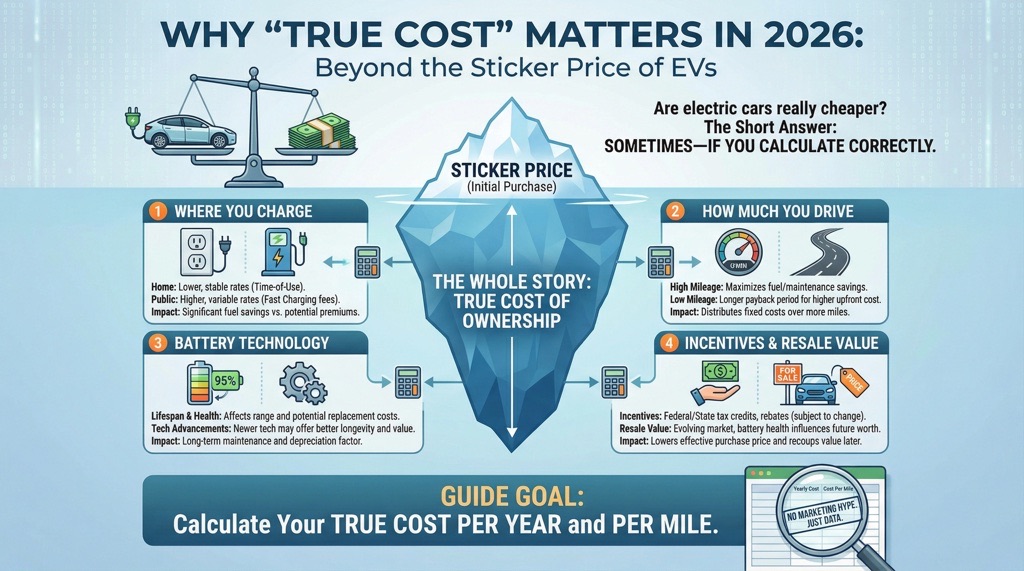
Many buyers still ask: “Are electric cars really cheaper?”
The short answer: sometimes—if you calculate correctly.
Sticker price alone doesn’t tell the story. In 2026, EV ownership costs depend on:
-
Where you charge
-
How much do you drive
-
Battery technology
-
Incentives and resale value
This guide breaks down every cost category, step by step, so you can calculate your real cost per year and per mile—no marketing hype.
Key Facts at a Glance
-
Best for: Daily commuters, city drivers, home charging owners
-
Main advantage: Lower energy and maintenance costs
-
Biggest drawback: Higher upfront price & depreciation uncertainty
-
Cost impact: −10% to −30% vs ICE over 5 years
-
Expert verdict: EVs win long-term, hybrids win short-term
-
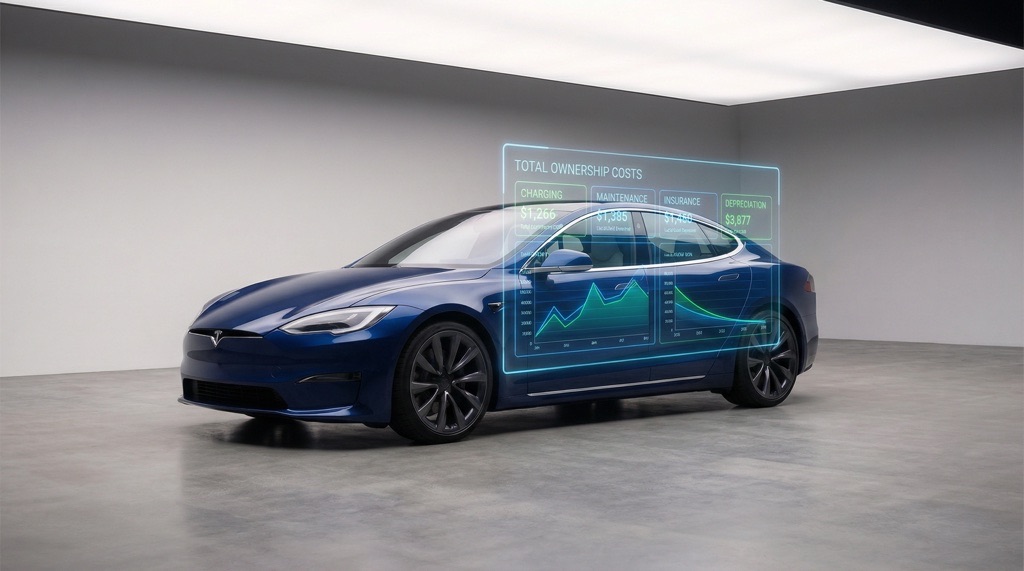
Electric vehicle total cost of ownership explained
How the True Cost of Owning an Electric Car Works in Real Life
The true cost of ownership (TCO) equals:
Purchase + Energy + Maintenance + Insurance + Depreciation − Incentives
Unlike gasoline cars, EVs shift costs from fuel & service to purchase & charging setup.
1️⃣ Purchase Price
What to Include
-
Vehicle MSRP
-
Dealer fees
-
Home charger installation ($500–$2,000 typical)
Reality Check
EVs still cost more upfront than comparable ICE cars—but the gap is shrinking yearly.
2️⃣ Charging & Energy Costs
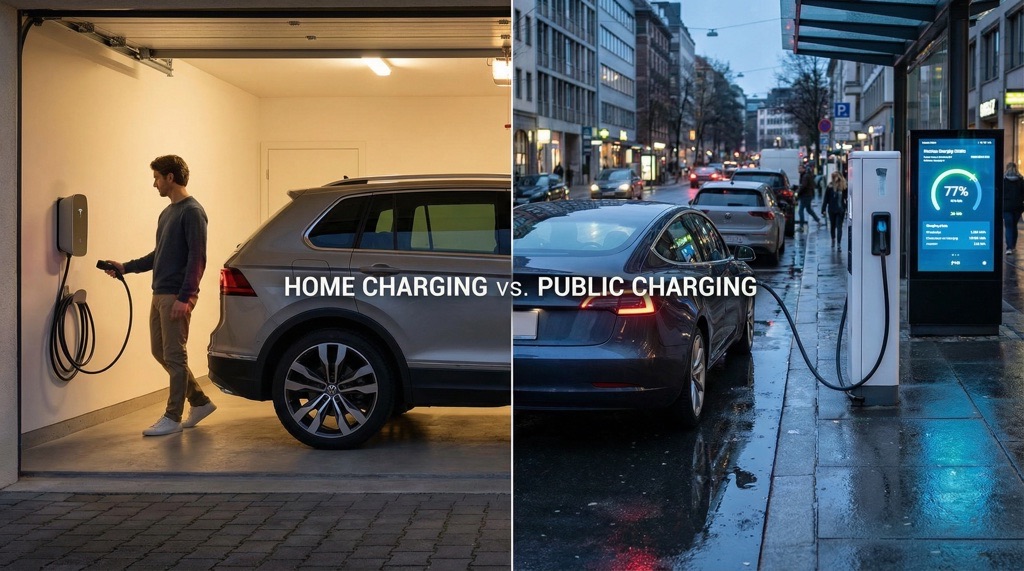
Average Costs (2026)
-
Home charging: $0.03–$0.06 per mile
-
Public AC charging: $0.06–$0.10 per mile
-
DC fast charging: $0.10–$0.18 per mile
⚠️ Relying mainly on fast chargers can erase EV savings.
3️⃣ Maintenance & Repairs
Why EVs Are Cheaper
-
No oil changes
-
No transmission
 Tips & Tricks
Used Electric Cars in 2026: Are They Worth It or a Costly Mistake?
Buying a used electric car sounds smart — until battery anxiety kicks in. What if the range is already gone?...
 Tips & Tricks
Used Electric Car Battery Life Explained (2026 Guide)
Buying a used electric car sounds smart — until one question ruins the mood: “What if the battery is already...
 Tips & Tricks
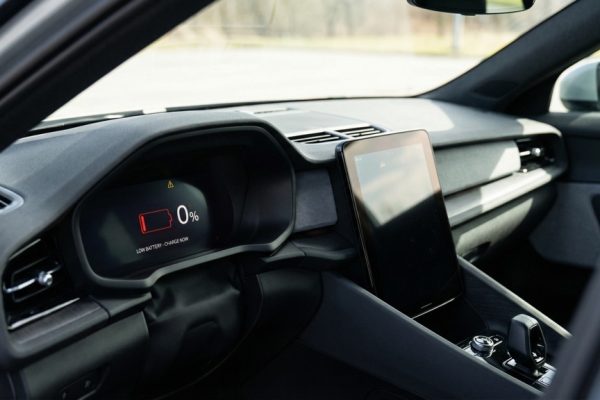
What Happens at 0% Battery in an Electric Car? (2026 Guide)
TL;DR — Quick Answer When your electric car shows 0% battery, it is not empty. Most EVs keep a hidden...
-
Fewer moving parts
Typical savings: $400–$700 per year vs ICE.
Still Pay For
-
Tires (often wear faster)
-
Suspension
-
Cabin filters
-
Brake fluid (rarely)
4️⃣ Insurance Costs
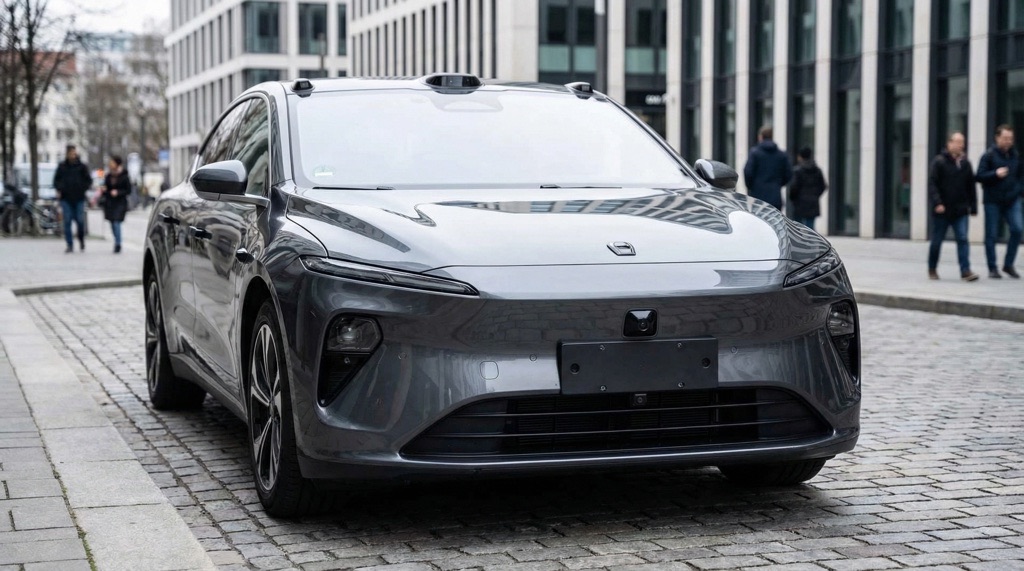
EV insurance can be 5–15% higher, mainly due to:
-
Expensive sensors
-
Battery repair costs
Luxury EVs cost more to insure than mass-market models.
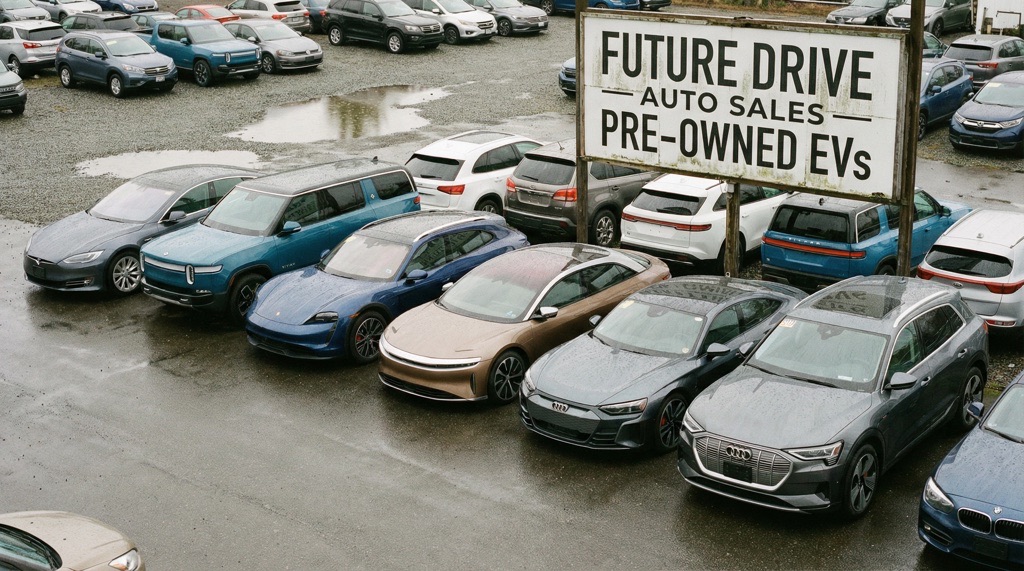
5️⃣ Depreciation (Hidden Cost Most People Ignore)
What Affects EV Depreciation
-
Battery chemistry (LFP depreciates more slowly)
-
Software support
-
Brand trust
Some early EVs lost value fast—but modern models hold value better than in 2020–2022.
6️⃣ Incentives, Tax Credits & Perks
Depending on the country:
-
Purchase rebates
-
Tax credits
-
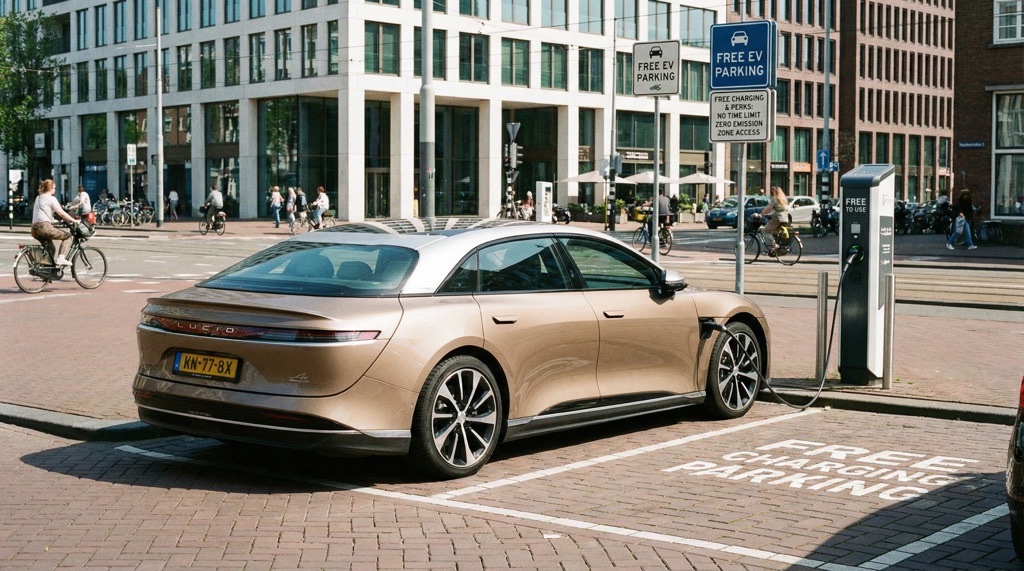
Free parking
-
Toll exemptions
-
Lower registration fees
These can reduce real ownership cost by 10–25%.
Advantages of Electric Car Ownership
✅ Lower energy costs
✅ Reduced maintenance
✅ Quiet & smooth driving
✅ Home charging convenience
✅ Cleaner urban air
Disadvantages & Limitations
❌ Higher upfront price
❌ Public charging costs vary
❌ Insurance can be higher
❌ Cold weather range loss
❌ Resale is still market-dependent
Honesty builds trust—and rankings.
Common Mistakes to Avoid
-
Calculating fuel savings but ignoring depreciation
-
Overusing fast chargers
-
Skipping home charger installation
-
Comparing EV to the cheapest ICE, not an equivalent model
Myth vs Reality
-
Myth: EVs are always cheaper
-
Reality: Charging habits decide everything
Real-World Use Cases
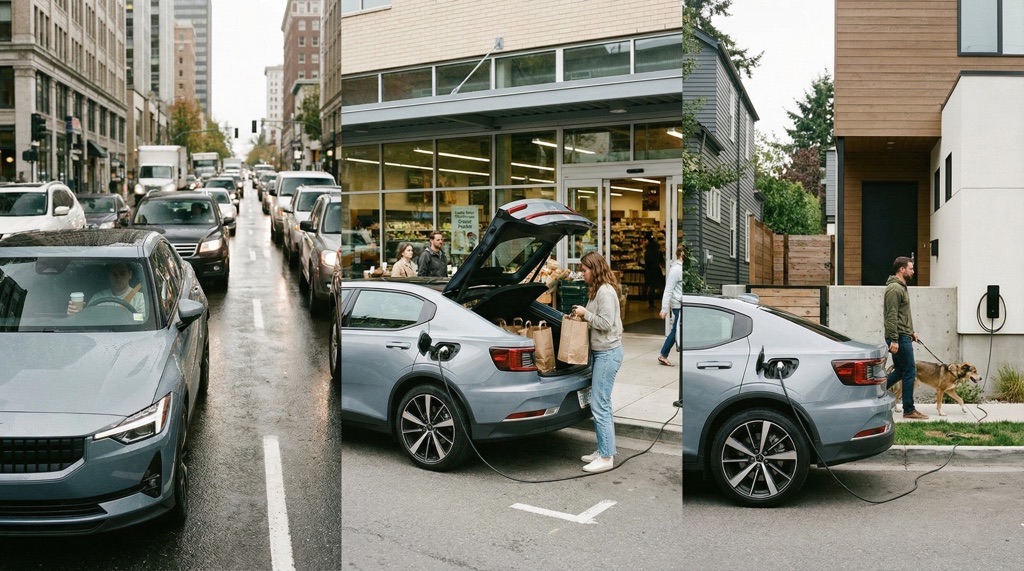
City Drivers
✔ Cheapest ownership scenario
✔ Maximum EV advantage
Highway Drivers
⚠️ Depends on fast-charging frequency
Winter Regions
✔ Still cheaper, but expect 10–20% energy loss
First-Time EV Owners
✔ Choose LFP batteries & smaller wheels
EV vs Gasoline: True Cost Comparison
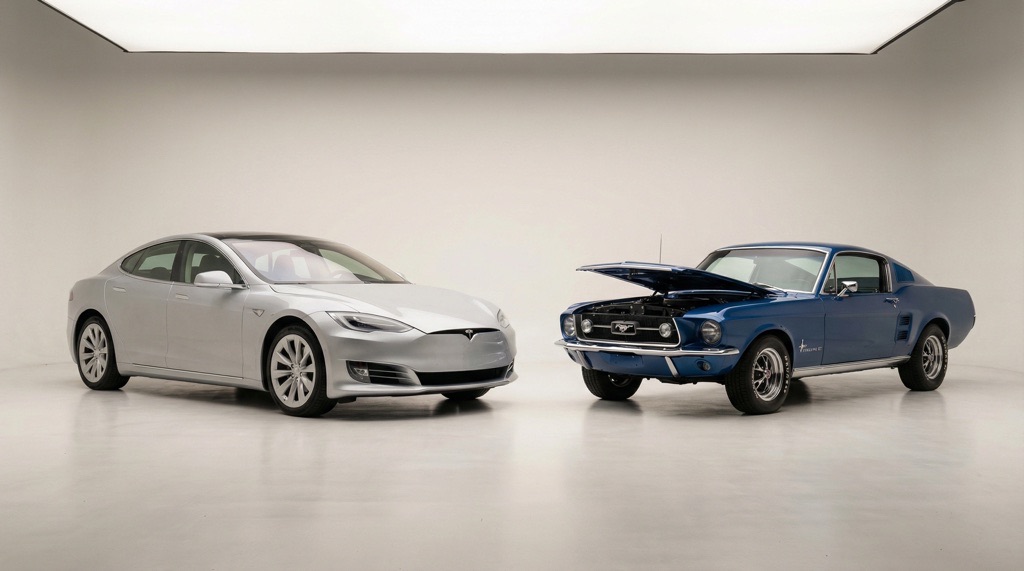
| Cost Category | Electric Car | Gasoline Car |
|---|---|---|
| Energy (5 yrs) | $3,000–$5,000 | $8,000–$12,000 |
| Maintenance | Low | Medium–High |
| Insurance | Medium | Medium |
| Depreciation | Medium | Medium |
| Total (5 yrs) | Lower | Higher |
Who Should Choose an Electric Car
✔ Ideal for:
-
Home charging owners
-
Daily commuters
-
Long-term owners (5+ years)
❌ Not recommended for:
-
No charging access
-
Constant long-distance fast charging
-
Short ownership cycles
Manufacturer Recommendations
-
Tesla: Charge daily to 80%, avoid frequent 100%
-
BYD (LFP): 100% charging is safe
-
Hyundai / BMW: Optimize charging schedules for longevity
Practical Expert Tips
-
Track cost per mile, not monthly
-
Install a home charger early
-
Buy efficiency, not range hype
Future of EV Ownership Costs (2026+)
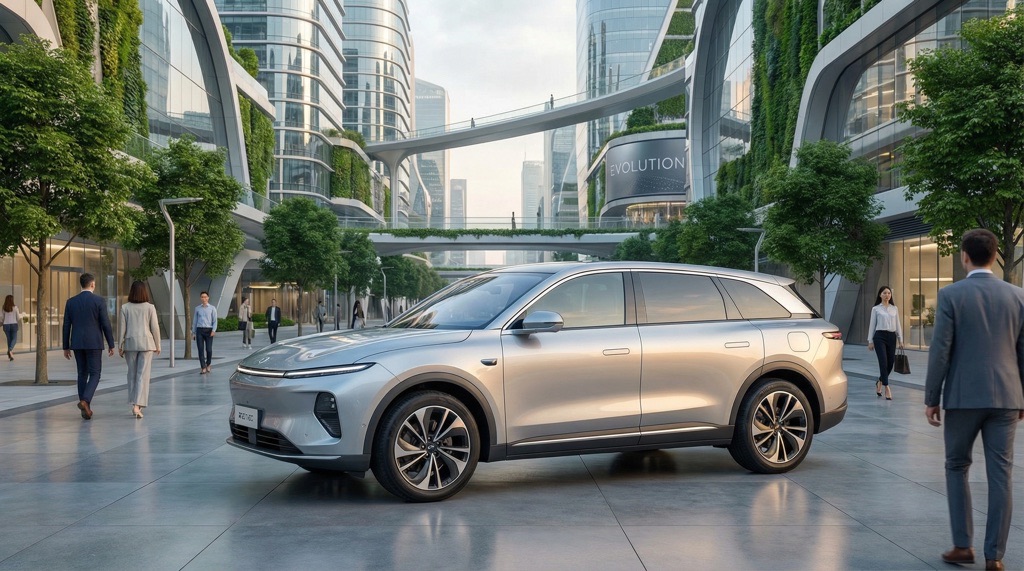
-
Battery prices falling
-
Insurance adapting
-
Charging infrastructure expanding
-
Used EV market stabilizing
Trend: EVs become the default cost-efficient choice by 2028.
Final Verdict: Is the True Cost of Owning an EV Worth It?
Yes—if you charge smart and plan long-term.
EVs are no longer experimental. In 2026, they will be financially smarter for most urban and suburban drivers.
Summary
-
Best option: Home-charged EV
-
Biggest risk: Fast-charging dependence
-
Best use case: Daily commuting
-
Expert takeaway: EVs reward planning, not impulse buying
Internal Links (Recommended)
-
EV battery care guides
-
Charging optimization guides
-
Used EV buying checklist
-
EV vs hybrid comparisons
Frequently Asked Questions
Q: Are electric cars cheaper to own than gas cars?
A: Yes, over 5+ years for most drivers.
Q: What is the biggest hidden EV cost?
A: Depreciation and fast charging.
Q: Does battery replacement matter?
A: Rare within 8–10 years; warranties cover most cases.
Q: How much do EVs save per year?
A: $800–$1,500 on average.
Q: Is insurance always higher?
A: Slightly, but it depends on the model.
Q: Do EVs make sense without home charging?
A: Usually no.