TL;DR — Quick Answer
Yes — buying an electric car in 2026 is worth it for most drivers, especially if you charge at home and drive daily. EVs are cheaper to run, more reliable, and now offer realistic range and fast charging.
If you remember one thing:
An EV in 2026 is no longer a tech experiment — it’s a practical everyday car.
💡 Quick tip: If you can install home charging, an EV almost always beats a gas car on total cost of ownership.
Why Trust This Guide
This guide is based on real-world EV ownership data, manufacturer recommendations from Tesla, BYD, Hyundai, and BMW, plus current battery engineering best practices used in modern electric vehicles.
Introduction
In 2026, electric cars are everywhere — yet many buyers still hesitate.
Is range anxiety still real? Are batteries expensive to replace? What about winter driving or resale value?
These questions mattered in 2018. In 2026, the answers are very different.
EV prices have dropped, charging networks have expanded, and battery durability has exceeded expectations. At the same time, gas prices remain volatile, and maintenance costs keep rising.
This guide breaks down what owning an electric car actually looks like in 2026 — no hype, no marketing, just real pros, real cons, and who should (and shouldn’t) buy one.
Key Facts at a Glance
- Best for: Daily commuters, families, city drivers
- Main advantage: Lower running and maintenance costs
- Biggest drawback: Charging access without home charging
- Cost impact: 20–40% cheaper to own long-term
- Expert verdict: Worth it for most drivers in 2026
How Electric Cars Work in Real Life
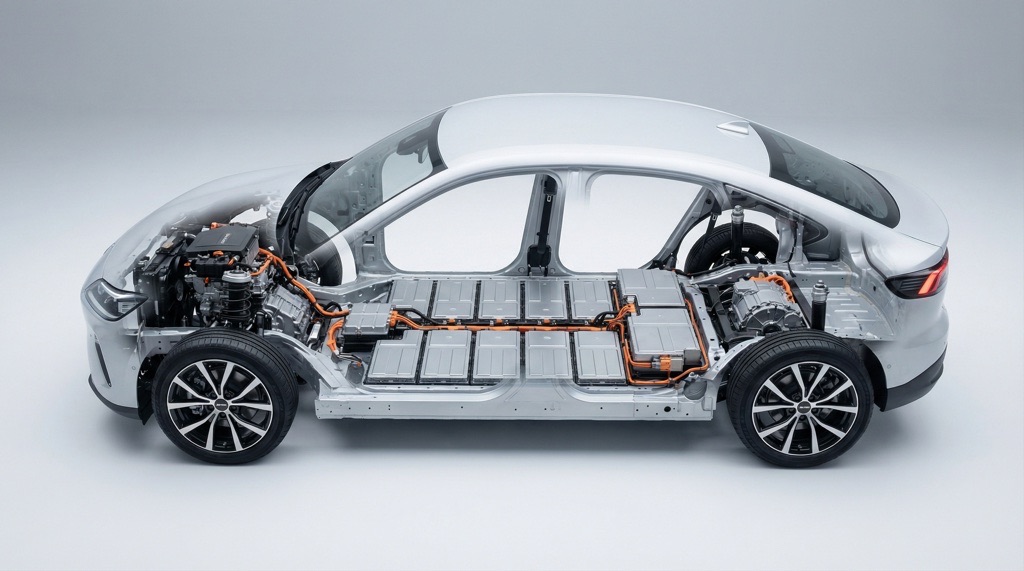
An electric car replaces the engine, fuel tank, and gearbox with:
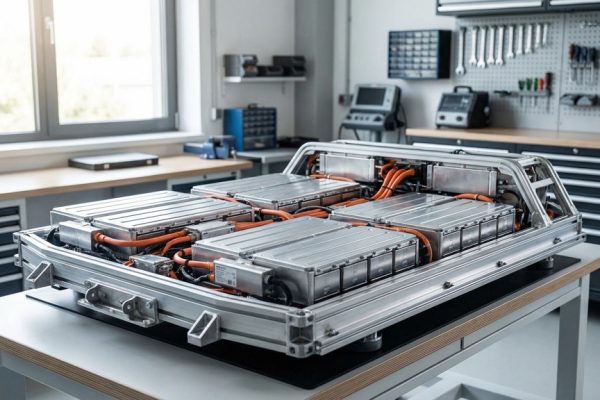
- A battery pack (energy storage)
- One or more electric motors
- Power electronics instead of complex mechanical parts
Why it matters:
Fewer moving parts = fewer failures, less maintenance, smoother driving.
 Tips & Tricks
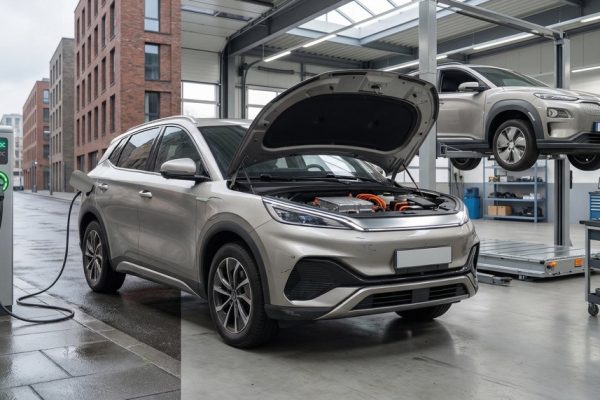
Used EV Ownership Costs: Charging, Maintenance & Repairs (2026 Ultimate Guide)
Buying a used electric car sounds like a smart way to save money — until fears about charging costs, battery...
 Tips & Tricks
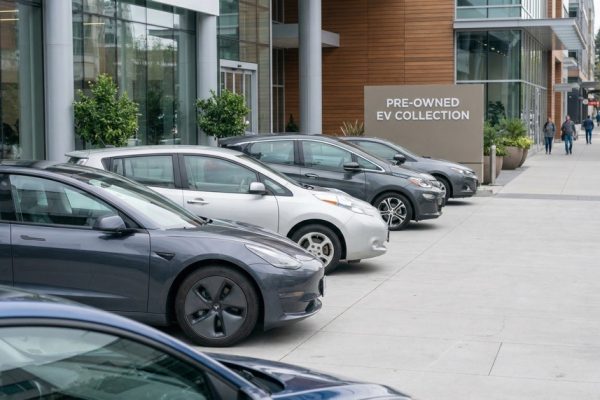
Used Electric Cars in 2026: Are They Worth It or a Costly Mistake?
Buying a used electric car sounds smart — until battery anxiety kicks in. What if the range is already gone?...
 Tips & Tricks
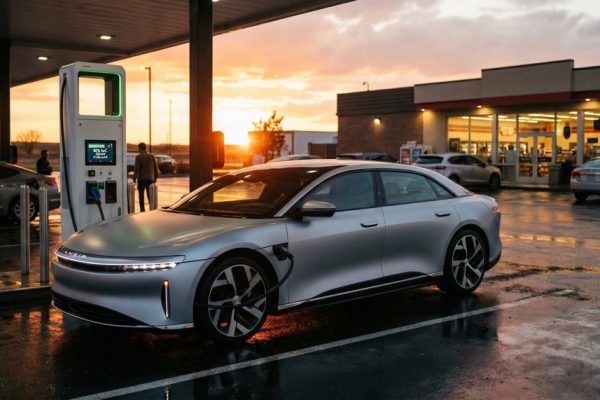
10 Common EV Owner Mistakes That Kill the Battery: Everything You Need to Know (2026 Guide)
TL;DR — Quick Answer Most EV batteries fail early, not because of defects, but because of daily habits: frequent 100%...
Key micro-definition:
- kWh (kilowatt-hour): How much energy the battery stores
- kW (kilowatt): How fast the car charges or delivers power
Advantages of Buying an Electric Car in 2026
✅ Lower Running Costs
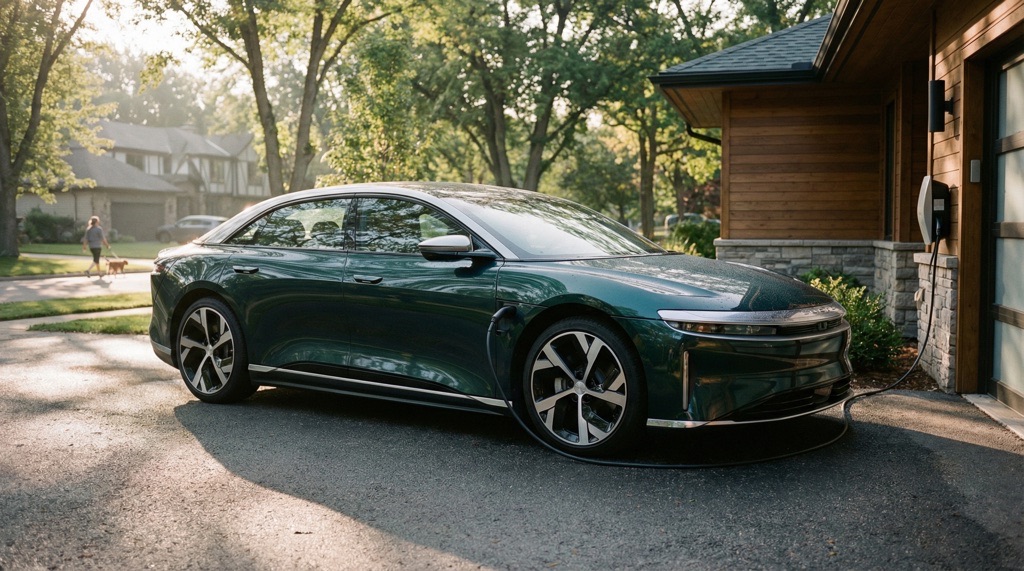
Electricity is cheaper than gasoline per mile. Charging at home is the biggest financial win.
✅ Minimal Maintenance
No oil changes, no spark plugs, no exhaust systems, no transmission failures.
✅ Excellent Reliability
Modern EV batteries typically lose only 1–2% capacity per year.
✅ Quiet, Smooth Driving
Instant torque and no gear shifts make EVs feel premium at any price.
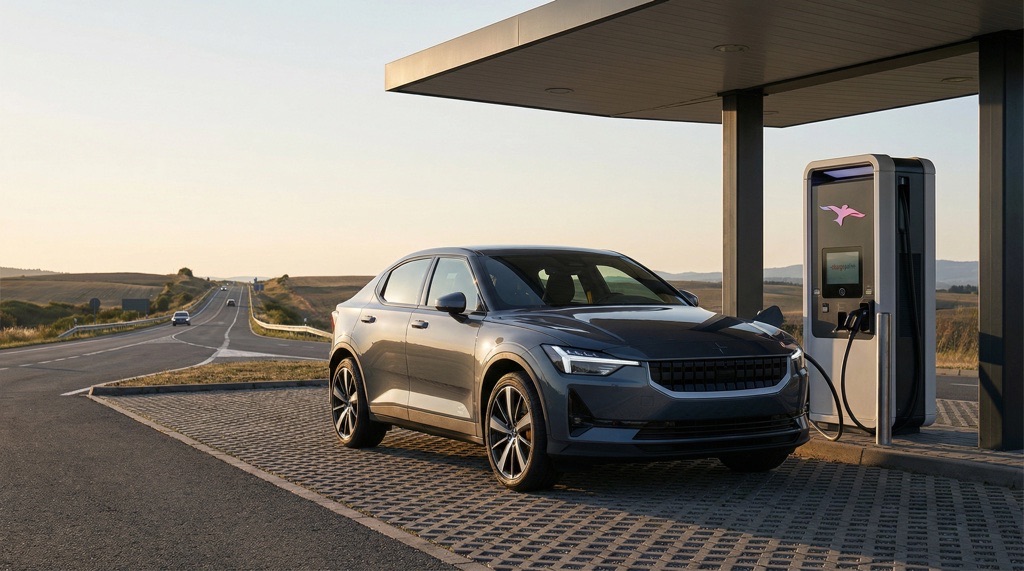
✅ Improved Charging Infrastructure
Fast chargers are now common on highways and in cities across major markets.
Disadvantages & Limitations
❌ Home Charging Still Matters
Without home or workplace charging, ownership is less convenient.
❌ Longer Road-Trip Stops
Even fast charging adds 15–30 minutes on long journeys.
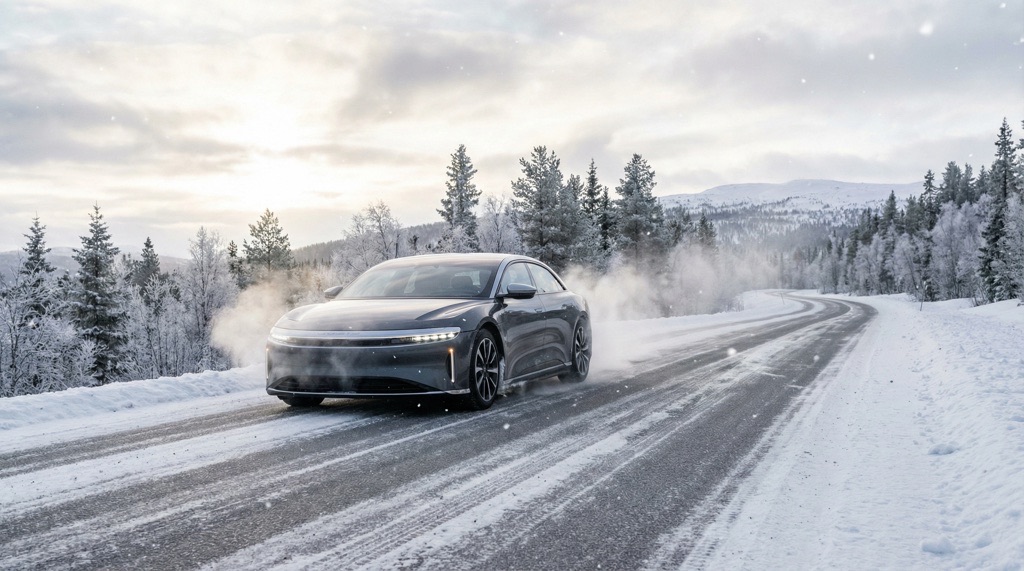
❌ Cold Weather Range Loss
Winter reduces range by 10–25%, though this is predictable and manageable.
❌ Upfront Price (Sometimes)
Some EVs still cost more than gas cars — though incentives and fuel savings often offset this.
Common Mistakes to Avoid
- Overpaying for a range you don’t actually need
- Ignoring charging access before buying
- Fast-charging too often instead of home charging
- Assuming batteries die suddenly (they don’t)
Myth vs Reality
- Myth: EV batteries fail after 5 years
Reality: Most last 12–20 years - Myth: EVs are bad in winter
Reality: They work fine, with slightly reduced range
Real-World Use Cases
🚗 City Driving
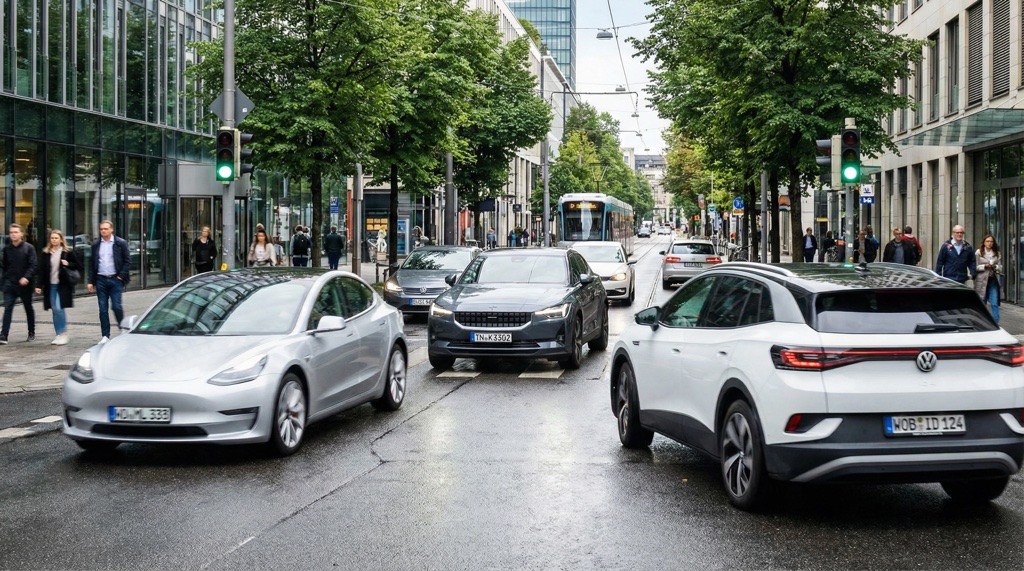
Perfect fit. Regenerative braking increases efficiency.
🛣 Highway Driving
Stable, quiet, efficient — especially newer long-range models.
❄️ Winter vs Summer
Winter range drops, summer efficiency improves. Planning matters.
👶 Beginners vs Experienced Drivers
EVs are easier to drive than gas cars — no learning curve.
Electric Car vs Gas Car (2026)
| Feature | Electric Car | Gas Car |
|---|---|---|
| Fuel cost | Lower | Higher |
| Maintenance | Minimal | Regular |
| Reliability | High | Moderate |
| Long trips | Slower | Faster |
| Home convenience | Very high | None |
Who Should Buy an Electric Car in 2026
✔ Ideal For:
- Daily commuters
- Families with home parking
- Urban & suburban drivers
- Anyone keeping a car for 5+ years
❌ Not Recommended For:
- No access to charging
- Frequent remote off-road travel
- Extreme cold + long rural distances
Manufacturer & Expert Tips
Manufacturer Recommendations
- Tesla: Keep daily charging between 20–80%
- BYD (LFP batteries): Can charge to 100% more often
- Hyundai / BMW: Use fast charging mainly on trips
Practical Expert Tips
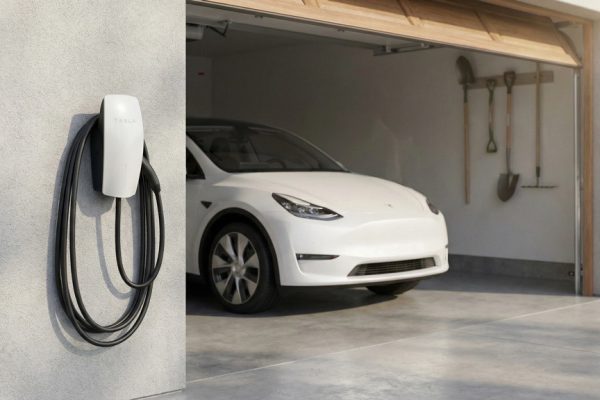
- Install a home charger if possible
- Don’t obsess over 100% range
- Charge slowly whenever you can
- Preheat the car in winter while plugged in
Future of Electric Cars (2026+)
- Battery prices continue falling
- Solid-state tech improves safety and energy density
- Fast charging becomes faster and more widespread
- Gas vehicle restrictions expand in cities
EVs are becoming the default — not the alternative.
Final Verdict: Is Buying an Electric Car Worth It in 2026?
Yes — for most people, absolutely.
Buy an electric car if you want:
- Lower long-term costs
- Less maintenance stress
- Quiet, modern driving
Skip it only if charging access is impossible or your use case is extreme.
Summary
- Best option: Electric car with home charging
- Biggest risk: No charging access
- Best use case: Daily driving + long ownership
- Expert takeaway: EVs are now mainstream and practical
Internal Links
- EV battery lifespan guide
- Home vs fast charging explained
- Best used electric cars in 2026
- Winter EV range tips
Frequently Asked Questions
Q: Is buying an electric car cheaper than gas in 2026?
A: Yes, for most drivers when considering fuel and maintenance savings.
Q: How long do EV batteries last?
A: Typically 12–20 years with gradual degradation.
Q: Are electric cars safe?
A: Yes — often safer due to low center of gravity and fewer fire risks per mile.
Q: Is charging still a problem?
A: Only without home or workplace charging.
Q: Can I buy a used EV safely?
A: Yes — battery health has proven far better than expected.
Q: Do EVs work well in winter?
A: Yes, with reduced range and proper planning.