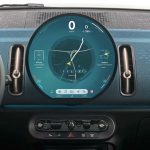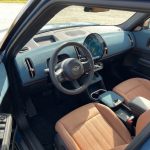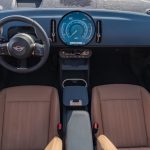

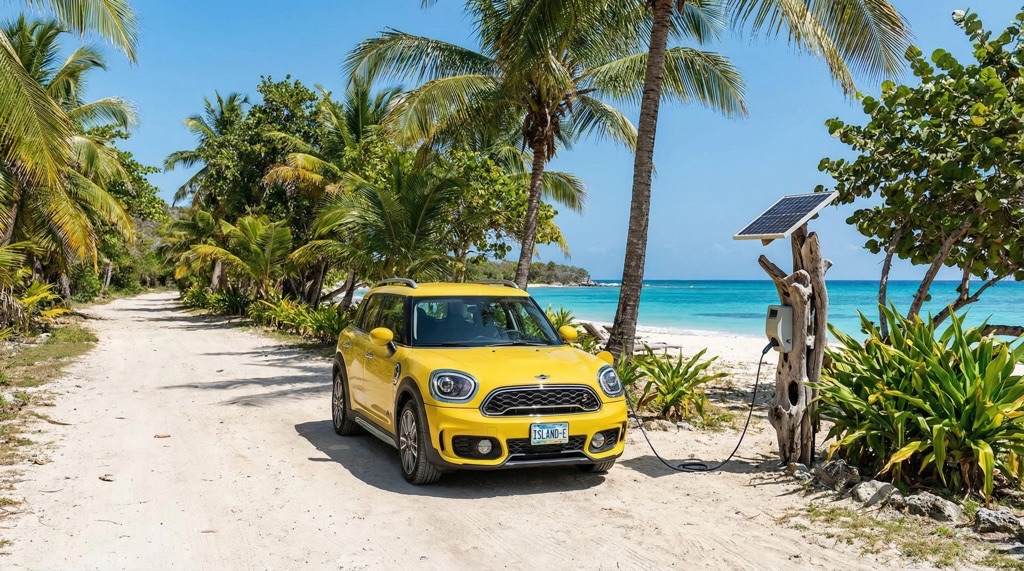
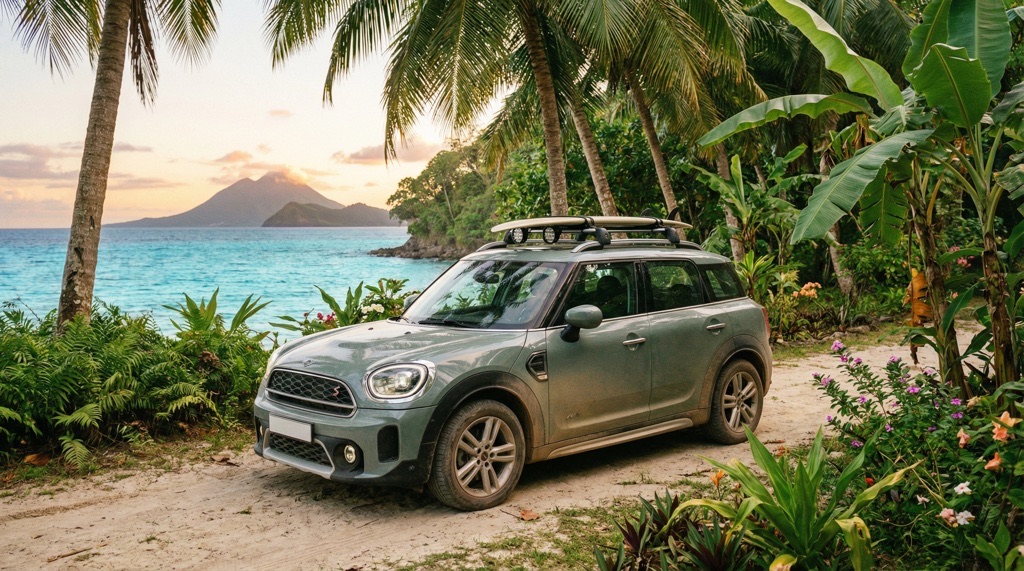
The 2026 Mini Countryman E now achieves 501 km of WLTP range, a 39 km increase from its original 462 km, thanks to a silicon carbide inverter, low-friction wheel bearings, and a battery with 65.2 kWh usable capacity. This mid-cycle refresh, arriving in March 2026, targets buyers seeking compact electric SUVs with improved efficiency without major redesigns. For EV shoppers prioritizing real-world range in a premium package, these targeted upgrades address key pain points in the competitive subcompact segment.
Background: Mini’s EV Push Under BMW Ownership
Mini, the British brand owned by BMW since 1994, entered the electric era with the Countryman Electric in March 2024, built at BMW’s Leipzig plant alongside models like the iX1. The original launch featured front-wheel-drive Countryman E (150 kW) and all-wheel-drive SE ALL4 (230 kW), quickly gaining traction—demand rose 81.8% year-over-year globally. In markets like Australia, Mini sales grew 37.7% to 5,485 units in 2025, with Countryman second to Cooper at 2,235 registrations.
This 2026 update, two years post-launch, focuses on drivetrain efficiency rather than styling or power. BMW describes it as ‘innovative technical solutions’ combining hardware tweaks, aligning with similar upgrades in i4 and i5 models. Production continues in Leipzig, with no pricing changes announced—German configurator lists Countryman E from €38,120 and SE ALL4 from €43,320. UK pricing starts at £29,255 for E, aided by a £3,750 EV grant.
Key Specifications
| Specification | Countryman E (FWD) | Countryman SE ALL4 (AWD) |
|---|---|---|
| Power | 150 kW (204 PS) | 230 kW (313 PS) |
| Torque | 250 Nm | 494 Nm |
| 0-100 km/h | Not specified | 5.6 seconds |
| Battery (Usable / Gross) | 65.2 / 66.5 kWh | 65.2 / 66.5 kWh |
| WLTP Range (New / Old) | 501 km / 462 km | 467 km / 433 km |
| DC Charging (10-80%) | <30 min (130 kW peak) | <30 min (130 kW peak) |
| Drag Coefficient | 0.26 | 0.26 |
| Base Price (Germany) | €38,120 | €43,320 |
Sources confirm power outputs unchanged; range gains stem from efficiency. The US site lists SE ALL4 at 212 miles EPA (about 341 km), lower than WLTP.



Analysis: Efficiency Gains Under the Hood
The star upgrade is the silicon carbide (SiC) inverter, replacing silicon semiconductors for better DC-to-AC conversion with fewer power losses as heat. SiC tech, proven in BMW i4/i5, pairs with low-friction front wheel bearings to cut rolling resistance. Battery tweaks add just 0.6 kWh usable capacity (from 64.6 to 65.2 kWh), equating to ~3.75 km at 16 kWh/100 km consumption—but total gains far exceed this, proving efficiency’s bigger role.
 Cars
Cars
Renault Filante Record 2025 Sets New EV Efficiency Benchmark With 626-Mile Range
Renault has demonstrated how far electric vehicle efficiency can be pushed without increasing battery size. The French automaker’s experimental Renault...
 Cars
Cars
Mahindra BE6 Formula E Edition Revealed: Price, Specs, Interior & Features
Mahindra Unveils a Formula E-Inspired Special Edition of the BE6 Electric SUV Mahindra, India’s only automaker with a long-running Formula...
 Cars
Cars
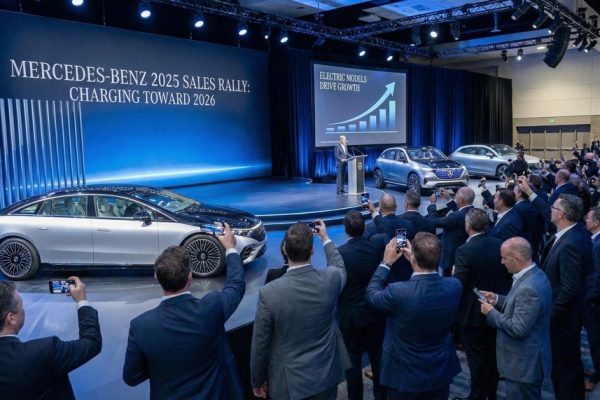
Mercedes-Benz 2025 Sales Rally Sets the Stage for an Electric-Driven 2026
Mercedes-Benz closed 2025 on a high note, proving that a challenging market does not necessarily mean slowing momentum. The German...
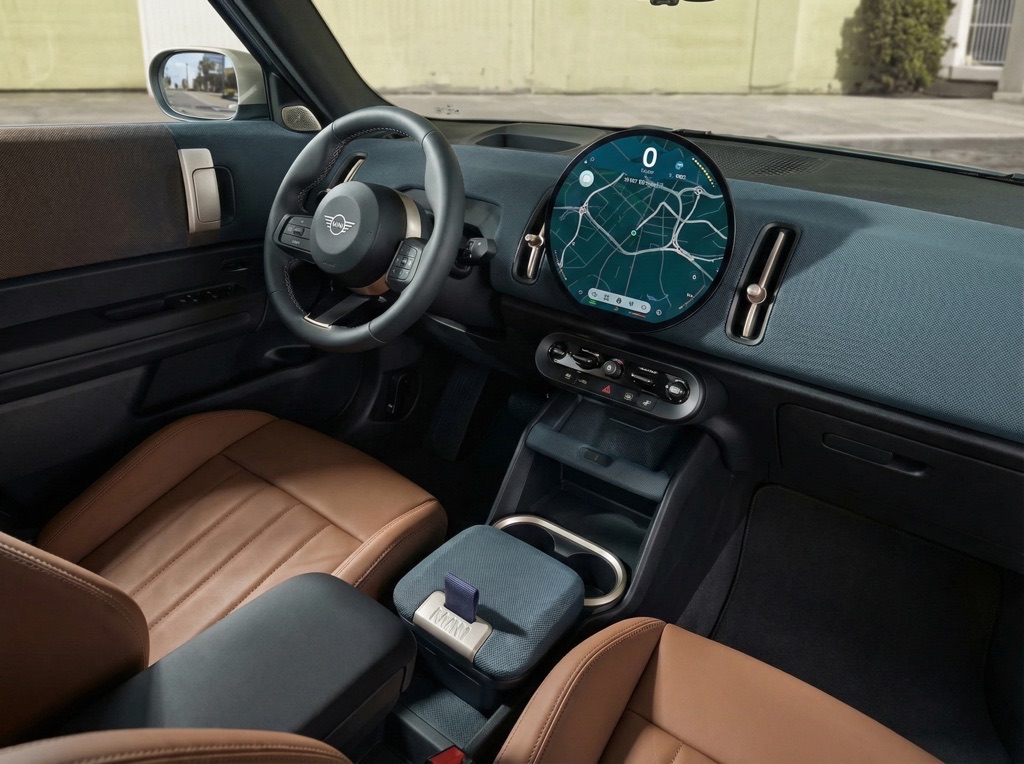
Aerodynamics aid with a 0.26 drag coefficient, enhanced by trims like Favoured in Vibrant Silver over Blazing Blue with 20-inch Windmill wheels. No visual overhauls, but these ‘specific design elements’ support a range. Charging stays at 130 kW peak, hitting 10-80% in under 30 minutes—solid but not class-leading.
Real-World Implications and Market Fit
WLTP figures (501 km E, 467 km ALL4) convert to ~311/290 miles, competitive yet trailing Skoda Elroq (355 miles) or Ford Explorer (374 miles). Countryman represents nearly a third of Mini’s 93,305 global sales last year, blending premium feel with urban agility (4.45m length). Australian trims include Core/Classic/Favoured for E, up to JCW Sport for SE; local update timing pending.
Unanswered: Exact energy consumption figures post-update, EPA ranges for key markets like US/Australia, and Australian launch date. No power or chassis changes limit performance appeal versus sportier rivals.
Comparison: Countryman E vs. Key Rivals
| Model | WLTP Range | Power (kW) | Battery Usable (kWh) | Base Price (Est. €) |
|---|---|---|---|---|
| Mini Countryman E (2026) | 501 km | 150 | 65.2 | 38,120 |
| BMW iX1 eDrive20 | ~450 km | 150 | 64.7 | ~45,000 |
| Volvo EX30 Single Motor | 480 km | 200 | 69 | ~40,000 |
| Zeekr X RWD | 440 km | 200 | 66 | ~42,000 |
Countryman edges Volvo EX30 in range at lower power/price; iX1 shares battery but lags post-update. Chinese options like Zeekr X offer value but a less premium badge.
Verdict: Smart Efficiency Play for Range-Anxious Buyers
This refresh positions the 2026 Countryman E as a stronger daily driver for urban families needing 500+ km WLTP without stepping to larger EVs. Ideal for Mini loyalists valuing style and efficiency over raw speed—FWD E suits most, ALL4 for traction needs. Critics may note modest gains versus rivals’ bigger batteries, and real-world range (expect 350-400 km) depends on driving. If pricing holds, it’s a buy for premium compact EV seekers; watch for market-specific EPA data and local availability.