
Toyota Finally Expands Its US Electric Lineup—With a Catch
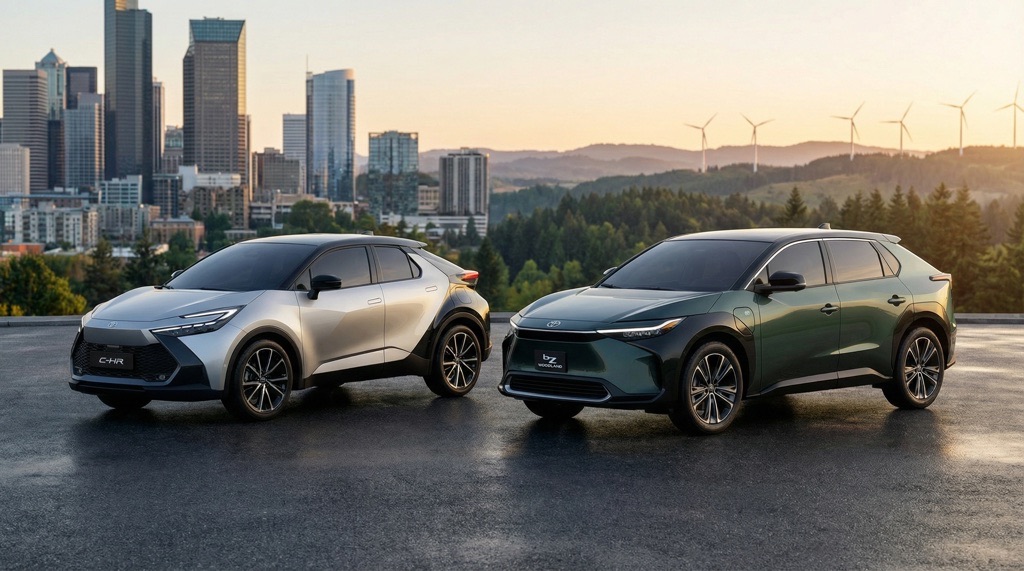
Toyota is doubling down on electric vehicles for 2026, introducing two new models to the US market: the compact C-HR and the rugged bZ Woodland. Until now, Toyota offered only one electric option in America, but these additions signal a serious commitment to EV expansion. However, there’s a significant caveat: nearly identical Subaru twins cost substantially less, raising questions about whether buyers are paying for the Toyota badge or genuine added value.
Two Different Vehicles for Two Different Lifestyles
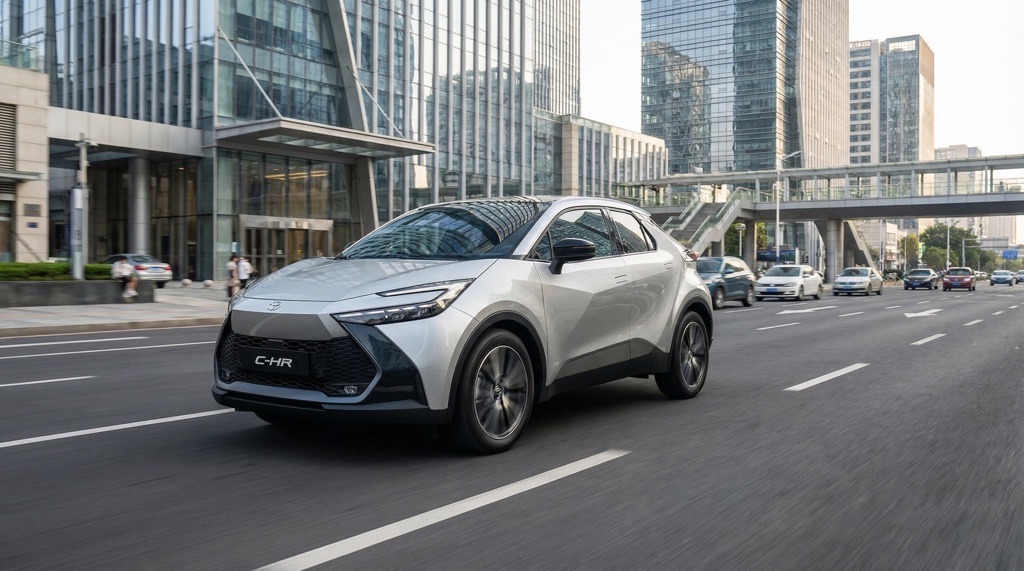
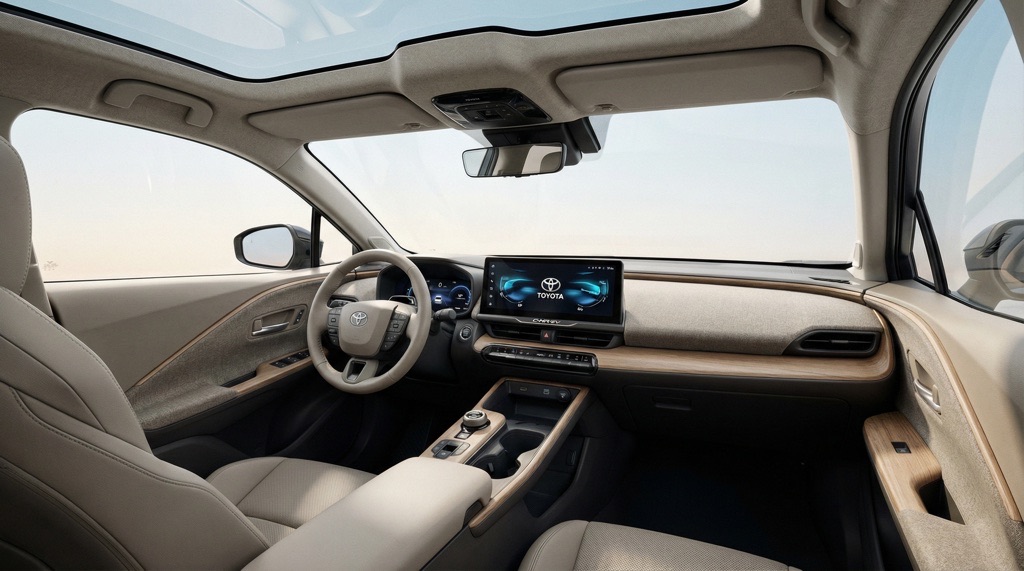
The 2026 Toyota C-HR and bZ Woodland represent opposite ends of the EV spectrum. The C-HR is a compact, stylish crossover designed for urban driving and city commutes. It starts at $38,450 for the SE trim, with the XSE trim priced at $40,450. The vehicle delivers 338 horsepower from its twin-motor setup and achieves approximately 300 miles of range per charge. Standard all-wheel drive comes on every model, and the 14-inch touchscreen supports wireless smartphone integration. Notably, the C-HR uses Tesla’s charging standard, expanding access to the Supercharger network.
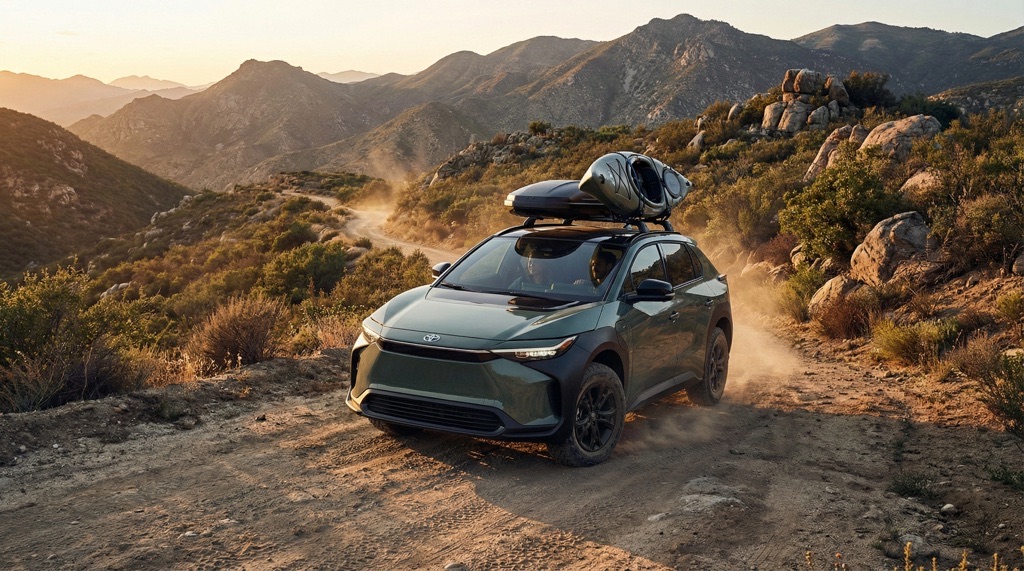
The bZ Woodland is the opposite proposition—a stretched, rugged wagon for outdoor enthusiasts. It’s essentially a long-wheelbase version of Toyota’s standard bZ SUV, adding 6 inches of length and 30 cubic feet of cargo space. The bZ Woodland starts at $46,750 for the base model, with the Premium trim at $48,850. It produces 375 horsepower and offers 260 miles of estimated range. Standard equipment includes all-terrain tires, a roof rack, and 8.3 inches of ground clearance for off-road capability. The vehicle can tow up to 3,501 pounds.
| Specification | C-HR | bZ Woodland |
|---|---|---|
| Starting Price | $38,450 | $46,750 |
| Horsepower | 338 hp | 375 hp |
| Estimated Range | ~300 miles | ~260 miles |
| Drivetrain | Dual-motor AWD | Dual-motor AWD |
| Ground Clearance | Not specified | 8.3 inches |
| Cargo Space | Not specified | +30 cu ft vs. standard bZ |
| Towing Capacity | Not specified | 3,501 lbs |
The Subaru Problem: Why Pay More for the Same Car?
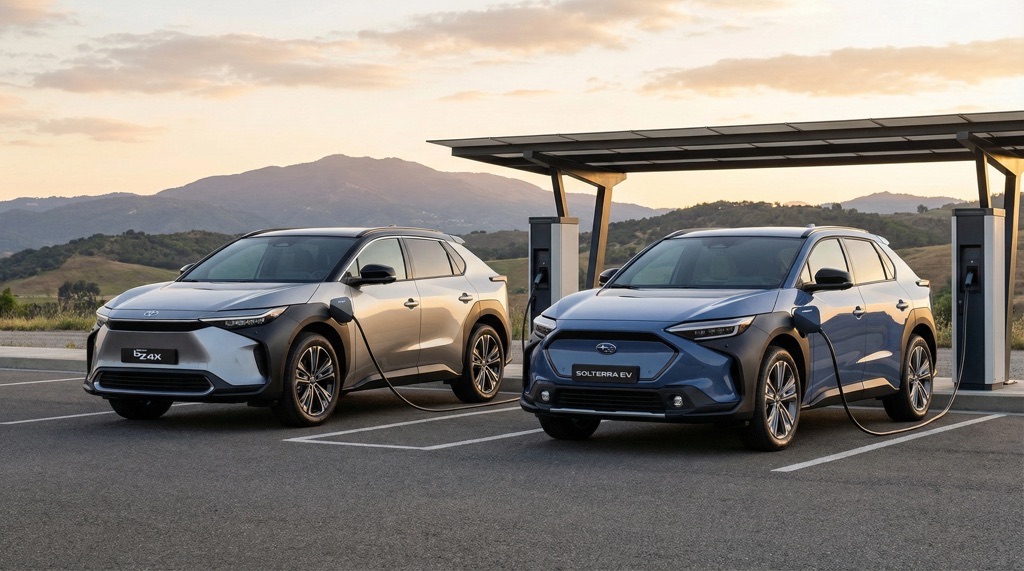
Here’s where Toyota’s pricing strategy becomes controversial. Toyota and Subaru jointly developed these vehicles, resulting in near-identical twins: the Subaru Uncharted mirrors the C-HR, while the Subaru Trailseeker is essentially the bZ Woodland with a different badge.
The price difference is striking. The Subaru Trailseeker starts at $41,445—a $5,305 discount compared to the bZ Woodland’s $46,750. Both vehicles share the same 375-horsepower dual-motor powertrain and 67-kWh battery pack. The Trailseeker even achieves an estimated 280 miles of range, outpacing the bZ Woodland’s 260-mile estimate. Toyota has not yet disclosed what standard equipment justifies the premium, leaving buyers to speculate whether the difference reflects genuine added value or simply brand positioning.
 Cars
Cars
Tensor Robocar: The World’s First Truly Autonomous Personal Vehicle — Or Just Hype?
Now and then, a company makes a bold announcement that sounds like the future arriving early. This week, that company...
 Cars
Cars
Zeekr 7X Conquers Moreeb Dune in 7.343 Seconds: First EV to Climb Abu Dhabi’s ‘Hill of Fear’
On December 31, 2025, a specially modified Zeekr 7X AWD Performance became the first all-electric vehicle to summit the legendary...
 Cars
Cars
Bugatti Goes Pint-Sized with the Electric Baby II Type 35 Centenary Edition
Just when you thought Bugatti couldn’t get any more exclusive or outrageous, they’ve gone and released a miniature electric version...
The C-HR faces similar scrutiny. While specific Subaru Uncharted pricing wasn’t detailed in available sources, the pattern suggests comparable savings for Subaru buyers.
Fast Charging and Battery Specifications
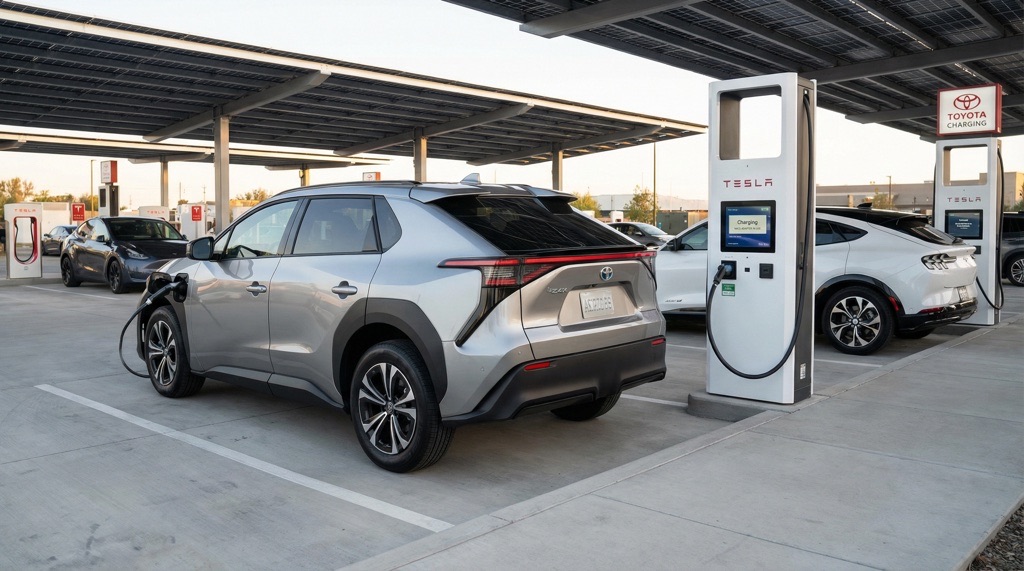
Both vehicles use a 74.7 kWh battery pack and support rapid DC fast charging. Toyota claims drivers can charge from 10% to 80% battery capacity in approximately 30 minutes using a fast charger. The C-HR’s Tesla-compatible charging port provides access to one of North America’s largest charging networks, a practical advantage for long-distance travel.
Toyota’s EV Strategy: Late to the Party, But Committed
These two models represent Toyota’s belated but serious pivot toward battery-electric vehicles. The company built its reputation on hybrid technology and has been cautious about full electrification, but the 2026 lineup demonstrates a shift in priorities. By offering both a compact urban vehicle and a spacious outdoor-oriented wagon, Toyota is attempting to address diverse customer needs—something its previous single-EV strategy couldn’t accomplish.
However, Toyota’s conservative approach to EV development has left it behind competitors in pricing efficiency. The company’s partnership with Subaru suggests shared development costs, yet Toyota’s pricing doesn’t reflect those savings to consumers.
Unanswered Questions and Market Implications
Several critical details remain unconfirmed. Toyota has not published complete specifications for standard versus optional equipment on either model, making direct value comparisons impossible. EPA range estimates for the C-HR differ slightly from Toyota’s claims (sources cite both 290 and 300 miles), and official EPA figures for the bZ Woodland are pending.
The pricing strategy also raises questions about dealer inventory and incentives. Early adopters may find negotiating room, particularly if dealers stock both Toyota and Subaru versions. The Subaru advantage could narrow if Toyota offers aggressive launch incentives.
Verdict: Right Direction, Wrong Price
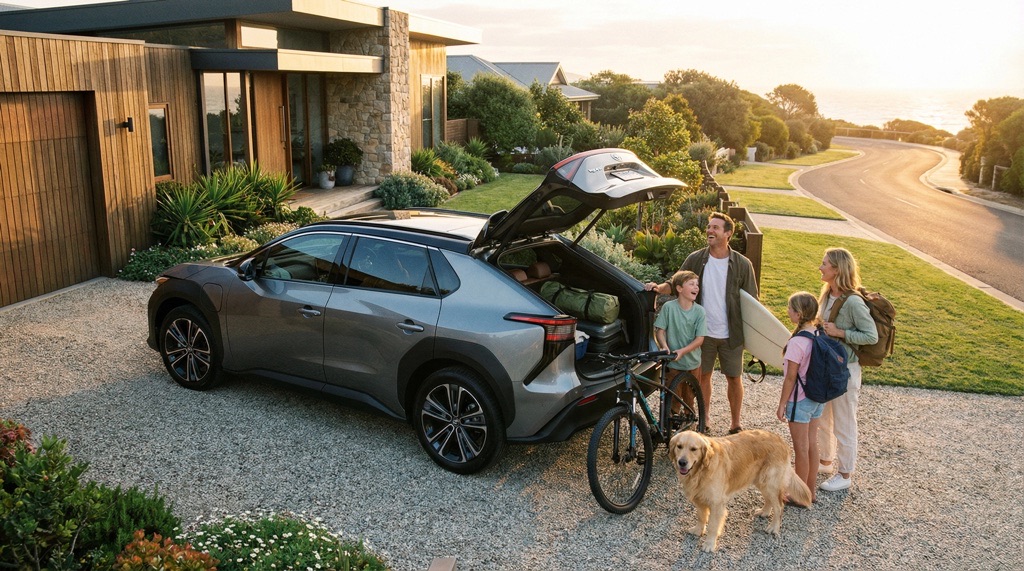
Toyota’s expansion into electric vehicles is overdue and strategically sound. The C-HR and bZ Woodland address real market gaps—compact urban EVs and spacious family wagons—with solid specifications and practical features like Tesla charging compatibility. However, the pricing premium over mechanically identical Subaru twins is difficult to justify without transparent disclosure of equipment differences. For budget-conscious buyers, the Subaru Trailseeker and Uncharted represent superior value. For Toyota loyalists who prioritize brand heritage and dealer relationships over price, these new models finally deliver the electric options they’ve been requesting. The real test comes when EPA estimates are published and dealers begin offering real-world incentives—at that point, the value proposition may shift significantly.