
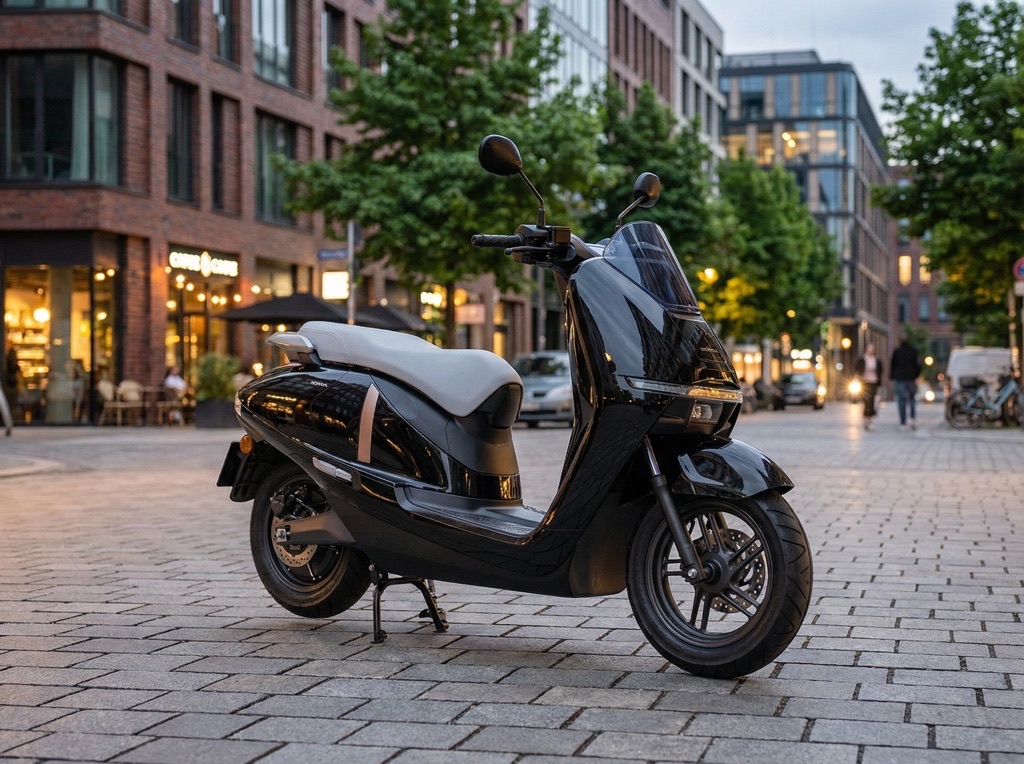
Honda has launched the UC3, a fixed-battery electric scooter with a 6.0 kW hub motor and 122 km WMTC-certified range, designed as a direct 110cc-equivalent replacement for gas scooters dominating Southeast Asian cities. This in-house developed model prioritizes urban practicality over speed, addressing air pollution in scooter-heavy markets like Thailand and Vietnam, where vehicles like massive SUVs fail in gridlock. Riders in dense urban areas stand to benefit from its quiet operation, reverse gear, and apartment-friendly charging, potentially accelerating EV adoption in regions with millions of daily 110cc commuters.
Background: Honda’s Push into Affordable Urban EVs
Honda, a dominant force in global two-wheeled vehicles, has long recognized the scooter as the ideal tool for congested cities in Vietnam, Thailand, and beyond. The company, famous for its “You meet the nicest people on a Honda” campaign, now targets environmental concerns with electric models. The UC3 builds on this legacy, produced initially in Thailand with expansion planned for Vietnam, and includes a promised battery recycling program to address end-of-life concerns.
Honda’s EV efforts in Asia include earlier models like the U-BE from 2021, priced at around $475 in China with a 350W motor and a top speed of 25 km/h, classifying it as an electric bicycle to avoid licensing requirements. More recently, Wuyang-Honda’s U-be+ launched in November 2025 with a 2.2 kW motor, 65 km range on a lead-acid battery, and features like smartphone connectivity, but at 118 kg curb weight and 57 km/h top speed. The UC3 represents Honda’s step up with lithium iron phosphate (LFP) tech and higher output, positioning it against the millions of polluting 110cc bikes still in use.
Key Specifications
| Specification | Details |
|---|---|
| Motor | 6.0 kW hub-mounted (wheel-side), in-house developed by Honda |
| Battery | Fixed lithium iron phosphate (LFP), non-removable |
| Range | 122 km (WMTC Mode 1, Thailand certified); ~75 miles real-world estimate |
| Charging | CHAdeMO: 1200W (20-80% in 2 hours, full in 4 hours); 450W (20-80% in 5 hours, full in 9 hours) |
| Ride Modes | Standard, Sport, Econ; Reverse gear |
| Charger Locations | Apartment complexes, schools |
| Production | Thailand first, expanding to Vietnam |
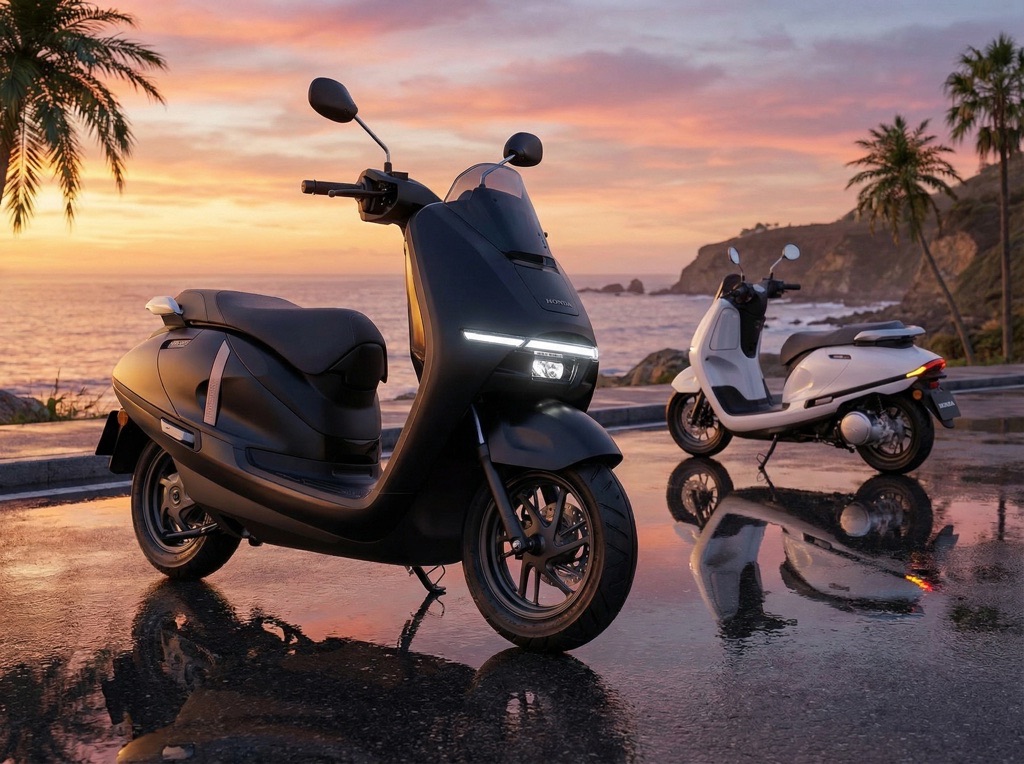
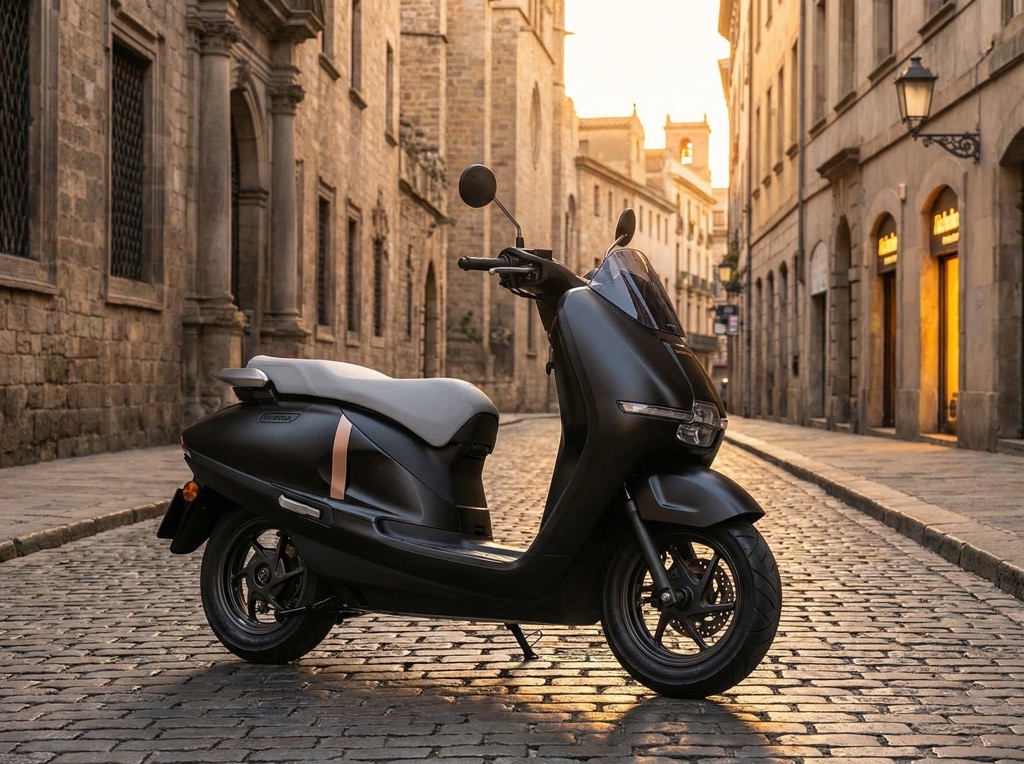
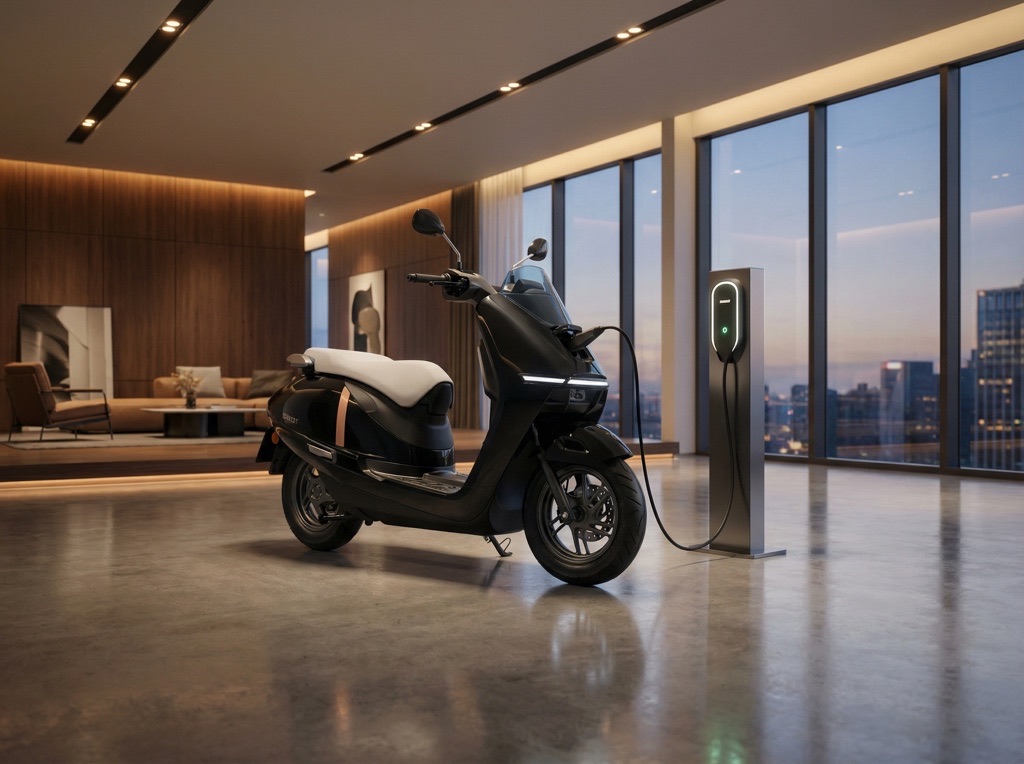
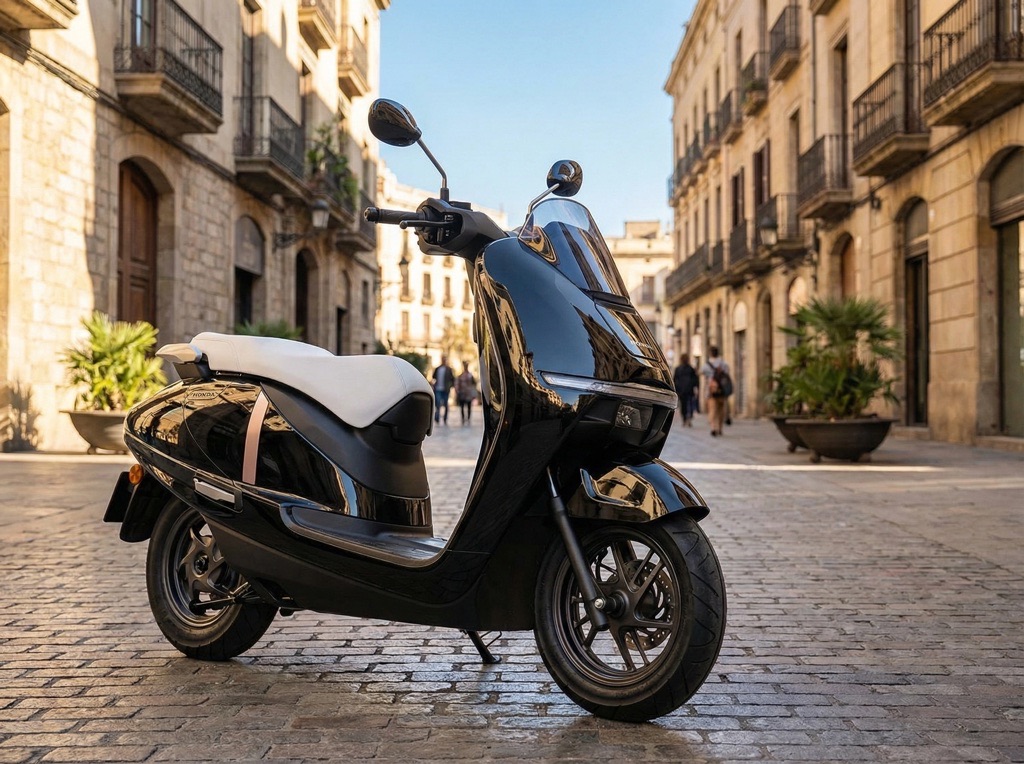
| Styling | Sleek curves inspired by Honda WN7, black body with gold accents, horizontal signature light |
| Price | Details not yet confirmed |
Note: Equivalent to 110cc gas scooter performance (~8 hp). Dimensions, weight, and exact top speed are not detailed in available sources.
Powertrain and Performance Analysis
The UC3’s core is its fixed LFP battery powering a 6.0 kW in-house hub motor, optimized with regenerative braking and efficient magnetic design for the 122 km WMTC range. This certification from Thailand provides a standardized benchmark, though real-world urban use with stop-and-go traffic may yield 80-100 km, aligning with the source’s 75-mile (~120 km) claim adjusted for conditions. At roughly 8 horsepower, it matches 110cc gas bikes for city errands like reaching a noodle shop without drag-race pretensions.
 Motocycles
Honda WN7 Electric Motorcycle Review: Great Commuter Bike, But At What Cost?
For years, riders have been waiting for Honda, the brand that brought reliable motorcycles to the masses, to take a...
 Motocycles
Dust Moto Hightail: The Electric Dirt Bike That’s Changing the Game
A new American-made electric dirt bike has arrived with supercar-level torque and beginner-friendly features, setting a new standard for off-road...
 Motocycles
Silent Thunder: King Current Electric Chopper 2025 — Price, Specs, and Release Date
A Swiss Custom That Proves Electric Can Still Mean Badass Swiss engineer Bruno Forcella has officially unveiled the King Current...
Three modes—Standard, Sport, Econ—allow adaptation to conditions, with Sport likely offering marginal acceleration gains on this low-power setup. Reverse gear stands out for parking ease, eliminating awkward foot-paddling in tight spots. However, the fixed battery demands plugging in the entire scooter, unsuitable for quick swaps seen in some competitors.
Charging and Practicality in Urban Settings
Charging via CHAdeMO at 1200W or 450W suits stationary locations like apartments or schools, but times—2 hours for 20-80% fast, 9 hours full slow—require planning. This ‘glacially’ slow pace compared to swappables raises questions for daily users without home access. Honda’s LFP choice prioritizes safety and longevity over energy density, a smart move for fleet or shared use, but infrastructure rollout remains critical.
Design-wise, the UC3 echoes the larger WN7 with flowing lines, an arched tail, and EV-specific ‘Honda’ font in a gold-black scheme. It’s positioned as a ‘scalpel’ for scooter rivers in Asia, where SUVs falter, offering quiet, emission-free navigation through chaos.
Safety and Smart Features
While specifics are limited, the model’s urban focus implies robust low-speed stability. Unlike the U-be+’s disc brakes and TCS, UC3 details await confirmation. Its honest, no-frills approach avoids superbike illusions, focusing on reliability from Honda’s engineering.
Comparison with Competitors
| Model | Motor Power | Range | Battery | Price (approx.) | Key Edge |
|---|---|---|---|---|---|
| Honda UC3 | 6.0 kW | 122 km (WMTC) | Fixed LFP | Not confirmed | Reverse gear, Honda reliability |
| Wuyang-Honda U-be+ (2025) | 2.2 kW | 65 km | Lead-acid 72V 23Ah | 5,399 yuan (~$750) | Smartphone app, lighter regs |
| Honda U-BE (2021) | 0.35 kW | 55-80 km | Removable 48V options | $475 | Ultra-low cost, pedals for e-bike status |
| Honda Metropolitan (2026, gas) | 49cc (~3.5 hp) | N/A (1.2 gal fuel) | Gas | Not specified | Proven ICE reliability |
The UC3 outperforms recent Wuyang-Honda models in power and range but lags in price transparency and charging speed. Versus the budget U-BE, it offers true scooter performance without pedals. Gas Metropolitan shows Honda’s ICE benchmark, now challenged by this EV.
Verdict
The Honda UC3 excels as a practical 110cc EV replacement for Southeast Asia’s urban warriors, with 122 km range and reverse gear making it a daily driver despite slow charging. It’s ideal for commuters in apartment-heavy cities prioritizing pollution reduction over speed, but success hinges on pricing undercutting gas bikes and charger proliferation—details not yet confirmed. Skeptics note fixed battery limits, yet Honda’s execution promises a viable path to electrification where scooters rule.