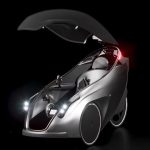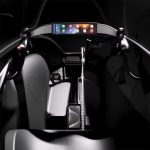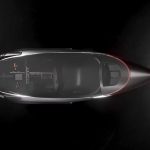
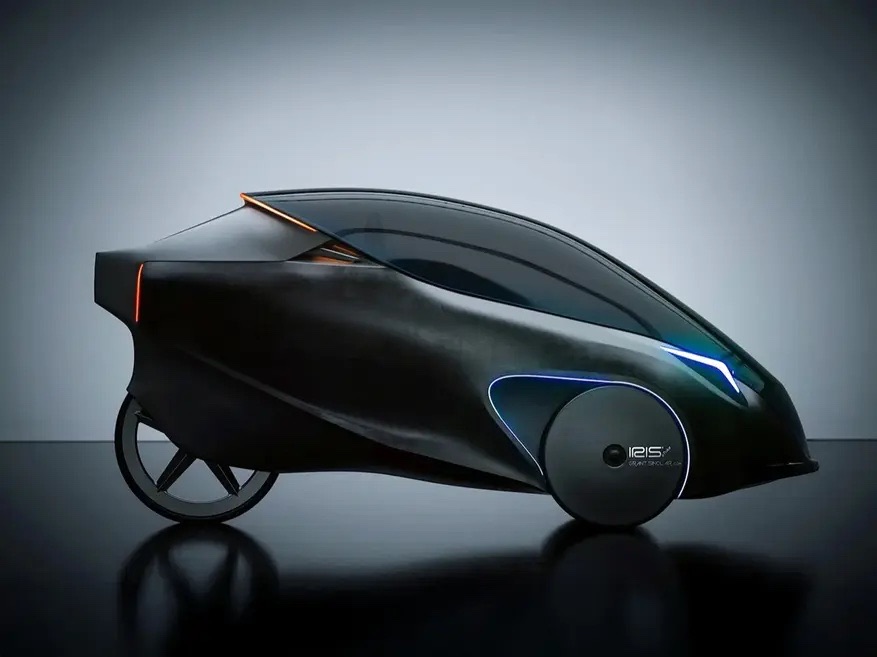
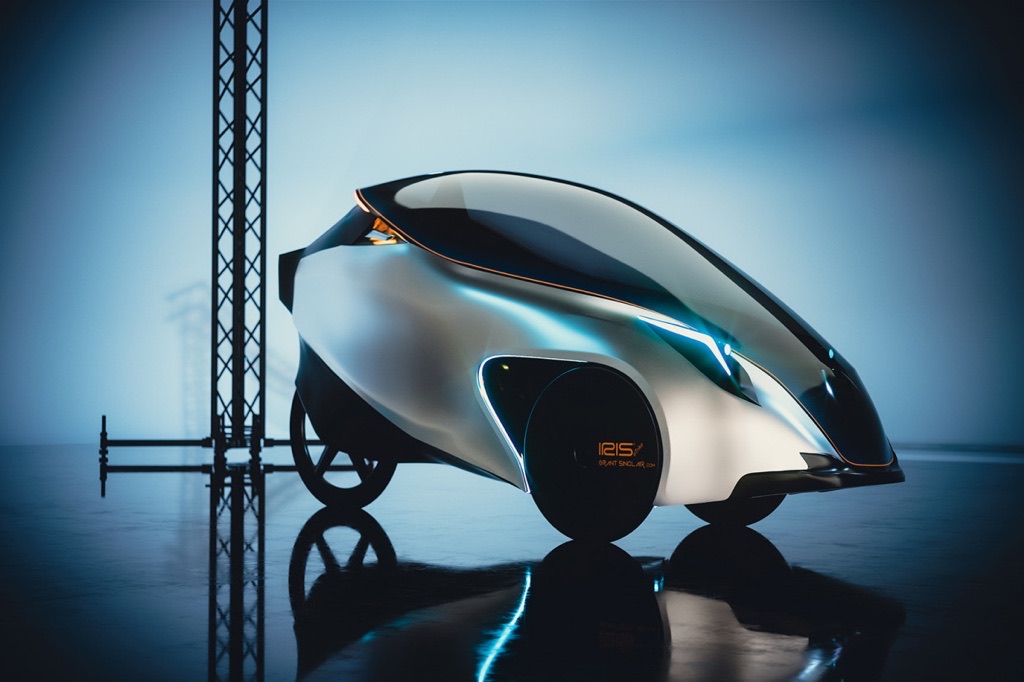
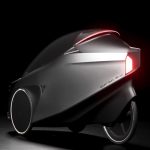
British designer Grant Sinclair has unveiled the IRIS eTrike, a fully enclosed three-wheeled electric vehicle that reimagines urban commuting with carbon fiber construction and aviation-grade acrylic protection. Priced at £10,000, the vehicle combines lightweight engineering with weather protection—a rare combination in the e-trike market.
Design and Construction
The IRIS eTrike features a monocoque carbon fiber chassis paired with an aircraft-grade acrylic dome that completely shields the rider from weather and external elements. This design philosophy sets it apart from open-frame e-trikes that dominate the market. The total weight, including battery, is approximately 50 kg, making it one of the lightest enclosed e-trikes available.
The vehicle uses a two-front, one-rear wheel configuration with 24-inch BMX-standard carbon wheels at the front and a 26-inch MTB wheel at the rear. All wheels are fitted with puncture-resistant Tannus tires, addressing a common maintenance pain point for urban riders. Mechanical disc brakes on all wheels provide reliable stopping power.
Performance Specifications
| Specification | Value |
|---|---|
| Battery Voltage | 48V |
| Motor Power | 250–1,000W (model-dependent) |
| Torque | 130 Nm |
| Top Speed | 48 km/h |
| Range Per Charge | 48–80 km |
| Total Weight (with battery) | ~50 kg |
| Price (UK) | £10,000 |
The IRIS eTrike’s 130 Nm torque output is competitive for urban e-trikes, though the 48 km/h top speed aligns with UK EAPC (Electrically Assisted Pedal Cycle) regulations. The 48–80 km range depends on motor configuration and riding conditions, with the higher-powered 1,000W variant likely achieving the upper end of this spectrum.
Climate Control and Ventilation
A standout feature is the integrated climate management system. The cabin includes a HEPA-filtered ventilation system that traps dust, smoke, and microorganisms—particularly valuable for urban riders exposed to traffic pollution. A separate airflow channel directs cooling air to the motor, maintaining efficiency during hill climbs and sustained acceleration. This dual-purpose ventilation demonstrates thoughtful engineering for real-world urban conditions.
 Motocycles
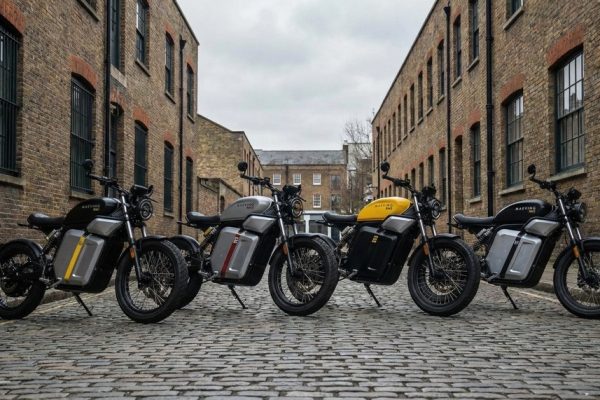
Maeving Secures £11M Series A to Drive 40% US Sales Growth
Maeving, the Coventry-based electric motorcycle maker, has raised £11 million in Series A funding to scale its US operations, where...
 Motocycles
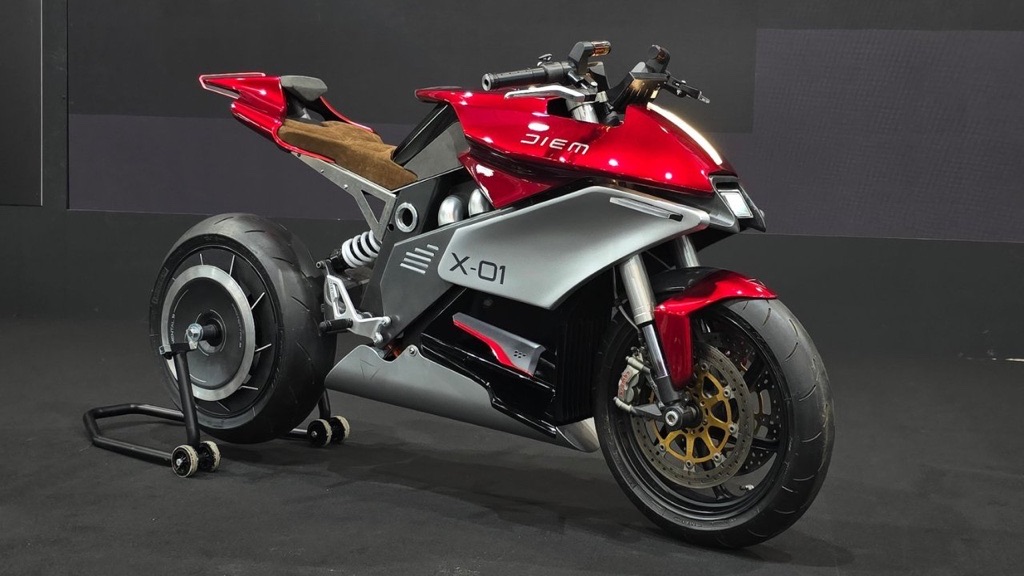
Diem X-01 Electric Motorcycle 2026: Danish Design Meets Real-World Performance
Subtitle / Lead Denmark’s new electric motorcycle startup, Diem Motors, has unveiled the X-01, a sleek, hub-motor-powered concept that blends...
 Motocycles
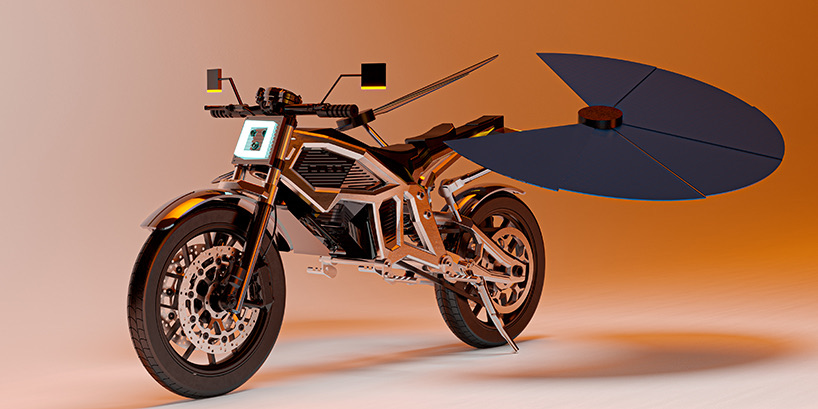
MASK Solaris Electric Motorcycle Unveiled: A Self-Charging Bike With Solar Wings
A Futuristic Concept That Uses Retractable Solar Panels to Charge Itself Range anxiety may soon become a thing of the...
Regulatory Classification and Accessibility
In the UK, the IRIS eTrike is classified as an EAPC (Electrically Assisted Pedal Cycle), which means riders aged 14 and older can operate it without a driver’s license, insurance, or road tax. The vehicle is permitted on bicycle lanes, significantly expanding its practical utility in congested urban areas. This regulatory advantage is crucial for market adoption in Europe, where similar classifications exist across most jurisdictions.
Market Context and Heritage
Grant Sinclair is the nephew of Sir Clive Sinclair, the legendary British inventor who created the Sinclair C5 electric vehicle in 1985. The C5, despite commercial failure, pioneered personal electric vehicle design and remains culturally significant. The IRIS eTrike appears to channel that innovative spirit while addressing modern urban mobility challenges that the C5 could not.
At £10,000, the IRIS eTrike occupies a premium position in the e-trike market. Comparable enclosed e-trikes and cargo e-bikes typically range from £3,000–£8,000, making the IRIS a luxury offering. The pricing reflects the carbon fiber construction, acrylic dome, and integrated climate control—features rarely found together in this category.
Competitive Positioning
The IRIS eTrike competes indirectly with several vehicle categories. Against traditional e-bikes and e-trikes like the Riese & Müller Load or Urban Arrow, it offers superior weather protection but at a higher price point. Against enclosed micromobility options like the Sinclair C5’s spiritual successors (if any existed), it provides modern battery technology and regulatory compliance. The EM-2 electric trike, another 2026 entry, offers up to 120 km range and cargo capacity but lacks the enclosed design and premium positioning.
Unanswered Questions
Several details remain unclear. The source does not specify whether the IRIS includes pedal assist (suggested by EAPC classification) or is throttle-only. Charging time, battery replacement costs, and warranty terms are not disclosed. Real-world range testing under various conditions would help validate the 48–80 km claim. Additionally, the availability outside the UK and pricing in other currencies remain unknown.
Verdict
The IRIS eTrike represents a thoughtful approach to urban micromobility, prioritising rider comfort and weather protection over maximum speed or cargo capacity. Its lightweight carbon construction, integrated climate control, and regulatory compliance make it genuinely innovative for the e-trike segment. However, the £10,000 price point positions it as a premium lifestyle vehicle rather than a mass-market solution. The IRIS eTrike is best suited for affluent urban commuters in temperate climates who value design sophistication, weather protection, and regulatory simplicity over affordability or cargo hauling. Its success will depend on whether the design premium justifies the cost for a niche audience willing to invest in enclosed micromobility.