
Segway’s Xaber 300 Teaches Wheelies with AI: $5,299 Electric Dirt Bike with Three Power Modes
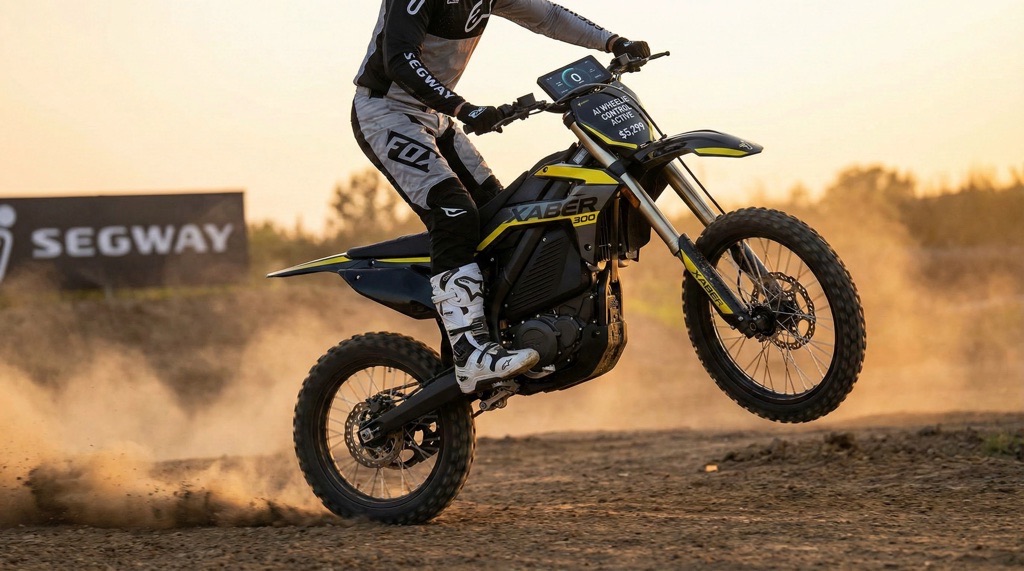
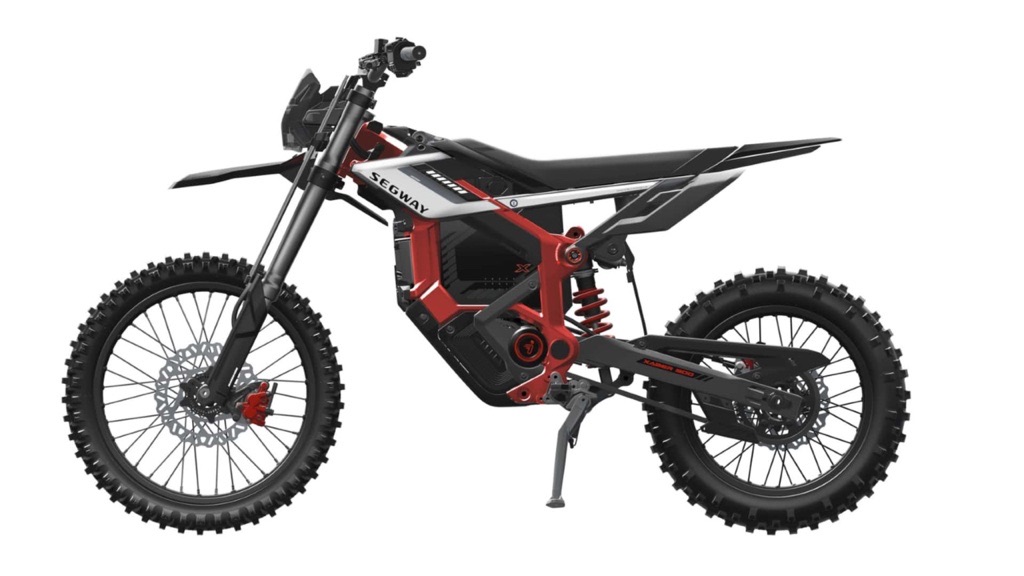
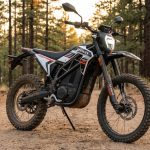
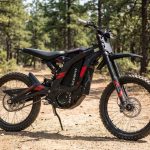
Segway has unveiled the Xaber 300, an electric dirt bike that uses gyroscopic sensor technology to actively prevent riders from looping out during wheelies—a feature that transforms the company’s self-balancing expertise into off-road safety innovation. Priced at $5,299.99 and launching spring/summer 2026, the Xaber 300 represents a significant pivot for a company historically known for mall security vehicles, now competing seriously in the electric powersports market.
From Mall Cop to Dirt Bike: Segway’s Powersports Pivot
The Xaber 300 draws inspiration from Segway’s X1000 prototype, which competed in the Future Mission 1000 experimental low-emissions vehicle class at the 2025 Dakar Rally—a credential that signals genuine off-road engineering ambition rather than novelty positioning. This represents a dramatic repositioning for Segway, which has spent decades as a cultural punchline in personal mobility. The company’s acquisition by Chinese tech conglomerate Ninebot has enabled aggressive expansion into powersports, with the Xaber 300 unveiled at CES 2026 alongside new electric bicycles (Myon and Muxi).
The timing matters. The electric dirt bike market has matured significantly since early prototypes, with competitors like Sur-Ron and Talaria establishing serious consumer bases. Segway’s entry signals that legacy mobility companies are now willing to take calculated risks in performance categories previously dominated by startups and Chinese manufacturers.
Three Bikes in One: Software-Defined Power Modes
The Xaber 300’s headline feature is its selectable power output system that simulates 150cc, 200cc, and 300cc gas motorcycles through software adjustment. This three-mode architecture—estimated at approximately 15 hp, 30 hp, and 40 hp respectively—allows a single platform to serve riders at different skill levels without requiring hardware upgrades.
The practical advantage is substantial for family purchases. Parents can configure the bike in “150cc mode” for inexperienced riders, then unlock higher power outputs as competency increases. This eliminates the traditional upgrade cycle where riders outgrow entry-level machines and require new purchases—a significant cost advantage over traditional gas bikes.
The implementation relies on Segway’s proven expertise with electric motor control and software integration. The virtual electronic clutch—a simulated mechanical clutch via left-hand lever—serves experienced riders who expect traditional controls while providing no functional necessity on electric powertrains. It’s a thoughtful UX decision that bridges analog and digital riding paradigms.
Wheelie Control: Gyroscopic Sensors Prevent Loops
The most innovative feature is app-controlled wheelie angle limiting, powered by the same gyroscopic sensor technology that stabilizes Segway’s self-balancing scooters. Riders can set a maximum wheelie angle through the companion app; if the front wheel exceeds this threshold, the motor cuts power, preventing the bike from looping backward—a crash scenario that injures inexperienced riders attempting stunts.
 Motocycles
France’s Tilting Electric Microcar Might Be the Smartest Urban EV Yet
A French Answer to Urban Chaos Every few years, someone in Europe tries to reinvent the wheel — literally. This...
 News
News
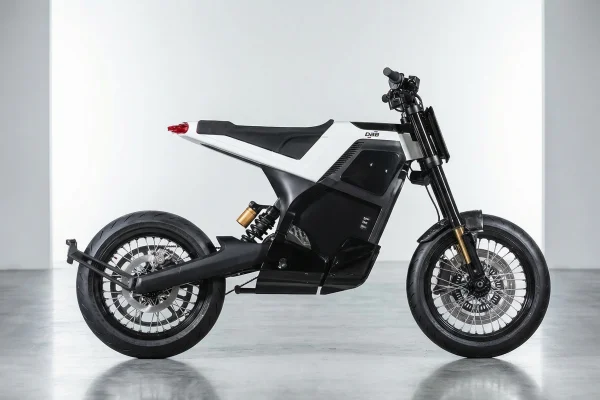
DAB 1 Electric Supermoto: 145 kg Weight and 120 km/h Top Speed at €9,990 Entry Price
TL;DR: The DAB 1 is a lightweight French electric supermoto launching in 2026 at €9,990, with 145 kg dry weight,...
 Motocycles
SONDORS Is Back with the Meta AT — but Can It Win Back Riders’ Trust?
A Familiar Name Rides Back Into the Spotlight Well, this is awkward. SONDORS, the brand once hailed as the “people’s...
This transforms wheelie learning from a high-risk skill requiring extensive practice into a controlled progression. Beginners can set conservative angle limits while building muscle memory; advanced riders can increase thresholds as confidence grows. The feature also includes adjustable traction control with terrain-specific settings for mud, rock, and pavement.
Segway’s parental control system extends beyond power limiting. The app enables geo-fencing—digital boundary creation that powers down the bike if riders attempt to leave designated areas—and maximum speed limiting. This addresses a critical liability concern for youth-oriented electric bikes, though Segway specifies the Xaber 300 is intended for riders 18 and older.



Specifications and Performance Claims
| Specification | Details | Status |
|---|---|---|
| Price (MSRP) | $5,299.99 | Confirmed |
| Power Modes | 150cc, 200cc, 300cc equivalent | Confirmed |
| Estimated Power Output | ~15 hp, 30 hp, 40 hp | Estimated |
| Battery System | 72V, 44Ah lithium (21700 cells) | Reported |
| Power-to-Weight Ratio | 24.7% | Confirmed |
| Weight (estimated) | ~160 lbs (73 kg) | Calculated |
| Virtual Electronic Clutch | Yes, left-hand lever | Confirmed |
| Traction Control | Terrain-selectable | Confirmed |
| Wheelie Control | App-adjustable angle limiting | Confirmed |
| Geo-Fencing | Yes, via app | Confirmed |
| Warranty | 2 years (battery, motor, frame); 1 year (complete bike) | Confirmed |
| Availability | Spring/Summer 2026 | Confirmed |
Segway has deliberately withheld complete specifications, citing ongoing development refinements. The 24.7% power-to-weight ratio claim is described as “best-in-class,” though independent verification is pending. The estimated 160 lb weight is calculated based on the power-to-weight ratio and assumed 40 hp output; actual specifications will be released closer to launch.
Market Positioning and Competitive Context
At $5,299.99, the Xaber 300 positions itself in the mid-range electric dirt bike segment, below premium offerings like the Sur-Ron Ultra Bee but above entry-level models. The pricing strategy emphasizes accessibility—this is not “toy money,” but it’s substantially less than high-end gas dirt bikes or premium electric alternatives.
The feature set suggests Segway is targeting families and skill-progression riders rather than pure performance enthusiasts. Competitors like Sur-Ron focus on raw power and range; Segway emphasizes software sophistication, safety features, and learning progression. The virtual clutch and wheelie control are genuinely novel in the electric dirt bike market, differentiating the Xaber 300 through software rather than hardware specifications.
The Dakar Rally heritage provides credibility that typical electric bike startups cannot match. While the X1000 prototype competed in an experimental class rather than mainstream competition, the association signals engineering rigor and off-road validation.
Unanswered Questions and Development Status
Several critical specifications remain unconfirmed as of January 2026. Top speed, maximum torque, and actual weight are not yet published. Range estimates are absent, though the 72V, 44Ah battery capacity suggests competitive performance relative to comparable electric dirt bikes. Segway has indicated that “full details and specs will be available closer to launch,” suggesting the bike is still in final development phases.
The decision to withhold performance data is unusual for a product launching in 6-8 months. This may indicate ongoing refinement of power delivery, thermal management, or battery performance—common challenges for electric dirt bikes operating in demanding terrain. Alternatively, Segway may be managing expectations around performance claims that could be challenged by competitors or regulatory bodies.
Verdict: A Mature Entry into Electric Powersports
The Segway Xaber 300 represents a credible, feature-rich entry into the electric dirt bike market from a company with genuine expertise in gyroscopic control and software integration. The $5,299.99 price point, three-mode power system, and innovative wheelie control technology create a compelling value proposition for families and progression riders. However, the withheld specifications and spring/summer 2026 launch window mean final performance validation is pending. This bike is for riders who prioritize learning progression, safety features, and software sophistication over raw power—and for parents seeking a platform that grows with their children’s skills. Serious performance enthusiasts should await complete specifications and independent testing before committing.