
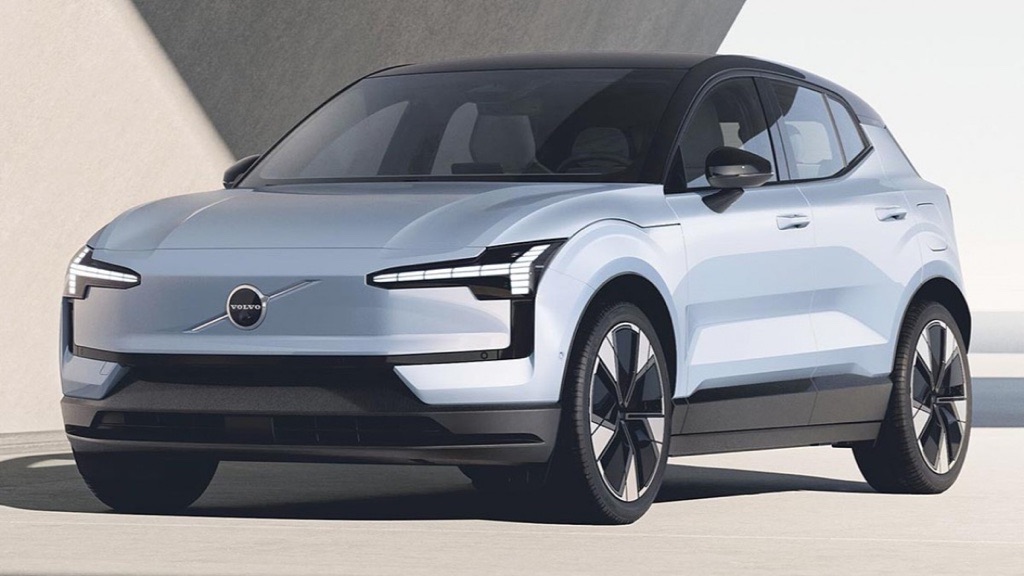
Volvo has issued an urgent fire safety warning for 40 units of the 2025 EX30 electric SUV in the US, advising owners to park outdoors away from structures and cap charging at 70% due to battery overheating risks. This recall targets vehicles built between September 6, 2024, and October 25, 2025, with Sunwoda batteries from China, where lithium plating can cause short circuits even when off. Owners should care because, while no injuries are reported, following these steps prevents potential fires until a fix is available.
Background: Volvo’s EV Push and Recent Recalls
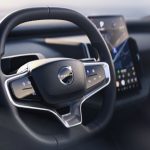
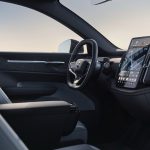
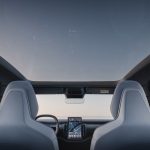
Volvo, the Swedish safety pioneer, launched the EX30 in 2024 as its smallest and most affordable electric SUV to accelerate its all-EV-by-2030 goal. Built on the SEA2 platform shared with Zeekr X and Smart #1/#3, the EX30 targets urban buyers with compact dimensions and strong performance. In the US, base models start at $34,950, positioning it against rivals like the Hyundai Kona Electric.
Volvo’s EV history includes the EX90 flagship and Polestar spin-off, but recalls have dotted its path. Recently, it recalled over 400,000 vehicles for camera issues. This EX30 battery alert is smaller-scale but highlights battery supply chain challenges, especially with Chinese suppliers like Sunwoda. Globally, similar warnings affect thousands, such as 2,815 units in Australia for 2024 models. No fires or injuries reported in the US yet, per Volvo.
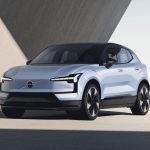
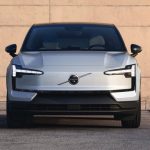
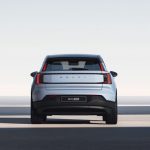
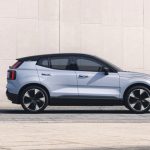
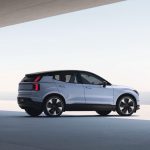
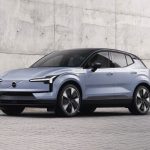
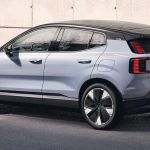
Key Specifications
| Specification | Details |
|---|---|
| Dimensions (L x W x H) | 4,233 mm x 1,940 mm x 1,555 mm (166.7 x 76.4 x 61.2 in) |
| Battery Capacity | 69 kWh (64 kWh usable NMC in affected models) |
| Range (WLTP) | Up to 442 km (275 miles) |
| Power: Single-Motor | 268 hp |
| Power: Dual-Motor | 422 hp, 0-100 km/h (62 mph) in 3.6 s |
| Weight | 1,830-1,960 kg (4,034-4,321 lb) |
| US Base Price | $34,950 |
| Affected Units (US) | 40 (build dates Sep 6, 2024 – Oct 25, 2025) |
Sources:. Note: LFP battery variants (51 kWh) appear unaffected.
Analysis: The Battery Issue Explained
The core problem stems from high-voltage battery cells manufactured by Sunwoda Power Battery Company in China. A chemical reaction causes “lithium plating”—metal deposits on cell anodes—that can grow and trigger internal short circuits, leading to overheating and fire risk, even with the vehicle off. NHTSA confirmed this for affected EX30s.
 Cars
Cars
China Bans Yoke Steering Wheels Starting January 2027: Safety Standards Eliminate Tesla Design
China’s Ministry of Industry and Information Technology has effectively banned yoke-style steering wheels through new mandatory safety regulations taking effect...
 Cars
Cars
Tesla Slashes Prices in Europe With New Stripped-Down EV Versions
Tesla is making one of its boldest strategic pivots in years, launching new “Standard” versions of the Model 3 and...
 Cars
Cars
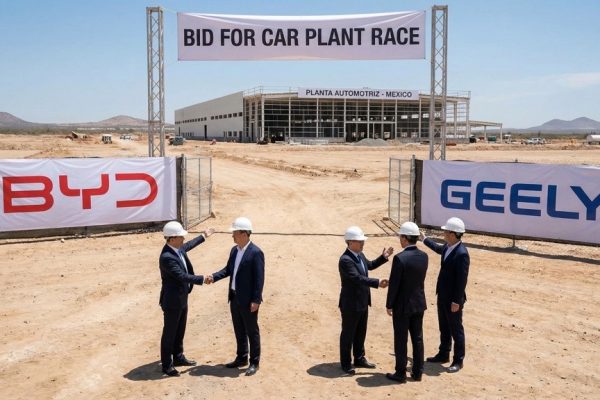
BYD and Geely Finalists to Acquire 230,000-Unit Mexico Plant Amid US Tariff Pressures
BYD and Geely are among the three finalists bidding for a Nissan-Mercedes-Benz joint venture plant in Aguascalientes, Mexico, with an...
Owners see a “battery overheating” warning on the screen if issues arise. Volvo’s interim fix: limit charge to 70% via the vehicle’s menu, park outdoors away from buildings, and avoid indoor garages. This reduces thermal stress on cells. Globally, the issue hits 2024/2025 NMC battery models; Australia’s recall lists 2,815 VINs. Remedy details pending—no word on battery replacement vs. software update.
Analysis: Broader Implications for EV Safety
This incident underscores lithium-ion battery vulnerabilities, particularly NMC chemistries with higher energy density but thermal risks. Lithium plating often occurs under fast charging or high states-of-charge, explaining the 70% cap. Unlike LFP batteries (safer, lower density, not sold in Australia), NMC demands precise management.
Volvo acted swiftly post-detection swiftly, with VIN checks available from January 26 and letters by February 23. No panic needed—70% charge keeps cars drivable with ample range (est. 300+ km). But it raises questions: Is Sunwoda the sole culprit, or a platform-wide SEA2 issue? CATL/LG suppliers for other EX30s seem unaffected. EV fire rates remain low vs. ICE, but perception matters in adoption.
Analysis: Owner Actions and Unanswered Questions
Affected US owners (40 units) should verify VIN on NHTSA/Volvo sites starting Jan 26. Set the charge limit immediately, park open-air. Monitor for warnings. Globally, similar advice applies.
Unanswered: Exact fix timeline/method, if dual-motor models are hit equally, and long-term supplier changes. Volvo confirms no US incidents, but early detection is key—fires spread fast once started. Dealers will repair for free once ready.






Comparison: EX30 vs. Competitors
| Model | Base Price (US) | Power (hp) | Range (miles) | Weight (lb) | Recall Notes |
|---|---|---|---|---|---|
| Volvo EX30 | $34,950 | 268/422 | 275 | 4,034-4,321 | Battery fire risk (40 US units) |
| Hyundai Kona Electric | $32,775 | 201 | 261 | ~3,800 | Past battery recalls, stable now |
| Volkswagen ID.3 | $~37,000 (est. US equiv.) | 201-282 | ~265 | ~3,900 | Software/battery issues resolved |
| Smart #1 | $~35,000 | 268-428 | ~273 | ~4,000 | Same SEA2 platform, monitoring |
EX30 leads in power/price, but this recall temporarily dents confidence vs. the stable Kona.
Verdict
Volvo’s EX30 remains a compelling compact EV with top performance and range, but this battery recall demands caution for the 40 affected US owners—follow parking/charging rules strictly. It’s ideal for safety-focused urban drivers prioritizing power, provided they verify VIN and await fixes. Non-affected buyers lose little; it spotlights supply chain risks in EV scaling. Monitor updates, as remedy details will clarify long-term reliability.