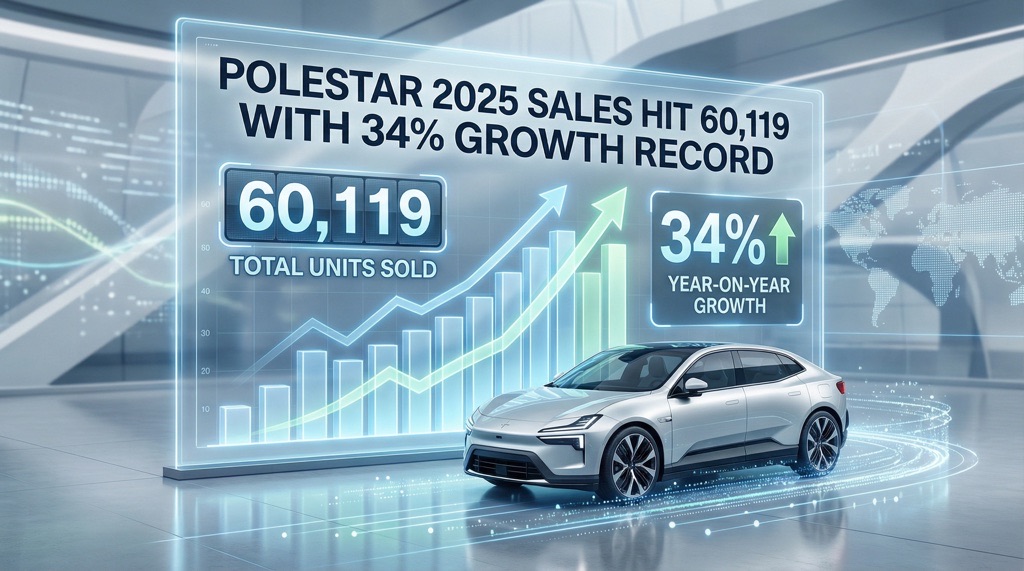
Polestar achieved record retail sales of 60,119 vehicles globally in 2025, a 34% increase from 44,851 units in 2024, signaling resilience in a challenging EV market marked by pricing pressures and slowing demand.
This performance, capped by Q4 sales of 15,608 vehicles (up 27% year-over-year), stemmed from sales network expansion over 50% (excluding China), new model launches, and stronger execution in Europe and North America. For EV buyers and investors, these figures highlight Polestar’s ability to gain market share against established rivals like Porsche, Audi, BMW, and Mercedes in premium segments, providing a foundation for future profitability amid ongoing industry turbulence.
Background: Polestar’s Path from Spin-Off to Sales Rebound
Polestar, a Swedish premium EV brand majority-owned by China’s Geely Group and backed by Volvo, spun off as an independent entity in 2022. It faced headwinds in 2023-2024, with sales dropping from 52,796 units in 2023 to 44,851 in 2024 due to production ramps, market saturation, and economic pressures. The 2025 rebound marks a turnaround, driven by the first full-year availability of Polestar 3 and 4 SUVs alongside the updated Polestar 2 fastback.
Under CEO Michael Lohscheller, Polestar expanded its global footprint, adding physical ‘Polestar Spaces’—focused on test drives and deliveries rather than inventory—to over 50% more locations outside China. In Germany alone, sales hit 5,007 units (up 57.4%), with new spaces in Saarbrücken, Offenbach, Berlin, Munich, and Karlsruhe, and more planned by 2027. This direct-sales model improved conversion rates without heavy discounting, even as competitors offered incentives.
Financially, Polestar navigated liquidity issues, securing a $600 million loan from Geely and regaining Nasdaq compliance via an American Depositary Share ratio change in December 2025, keeping its ADS price above $1.00. A strategy update on February 18, 2026, will detail product roadmaps and financial outlook, livestreamed at 13:00 CET.
 Cars
Cars
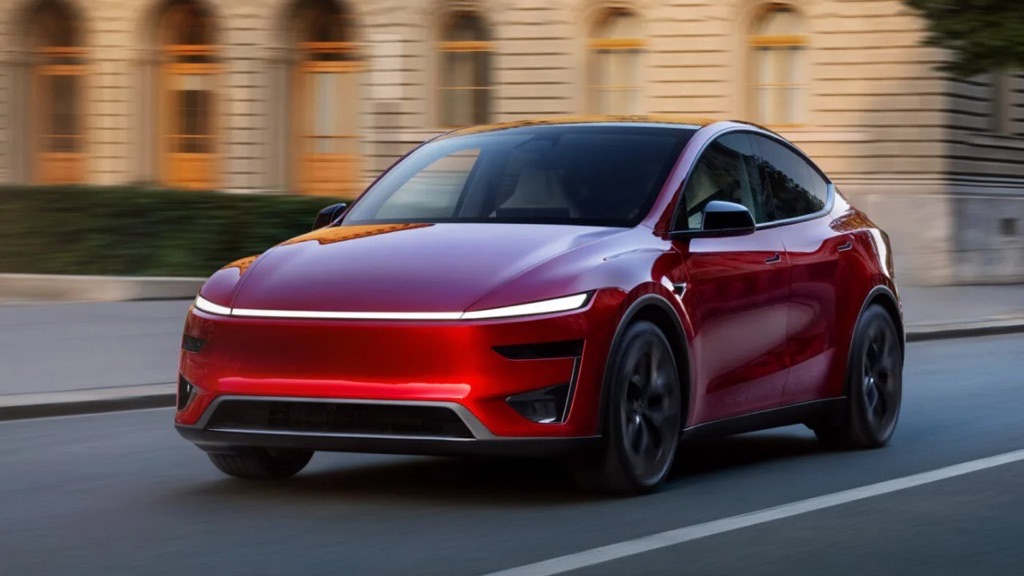
Tesla Model Y Performance (2026): Price, Specs, and Release Date
The Family SUV That Accelerates Faster Than Your Last Bad Decision The 2026 Tesla Model Y Performance has arrived —...
 News
News
700 Wh/kg Lithium Battery Breakthrough Doubles EV Range Potential Without Solid-State Complexity
Chinese researchers have developed a lithium metal battery achieving 700 Wh/kg energy density at room temperature, retaining nearly 400 Wh/kg...
 Cars
Cars
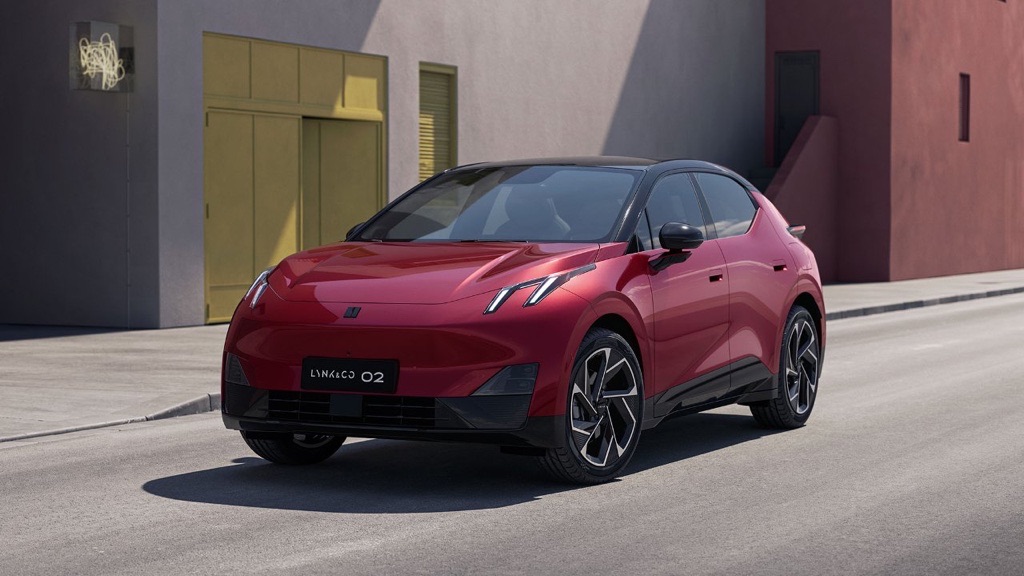
Lynk & Co 02: The Quirky Chinese Electric Crossover Taking Europe by Storm
A Fresh Take on Electric Mobility Geely-owned Lynk & Co has unveiled their latest electric vehicle, the 02, bringing innovative...
Key Specifications: Polestar’s Current Lineup
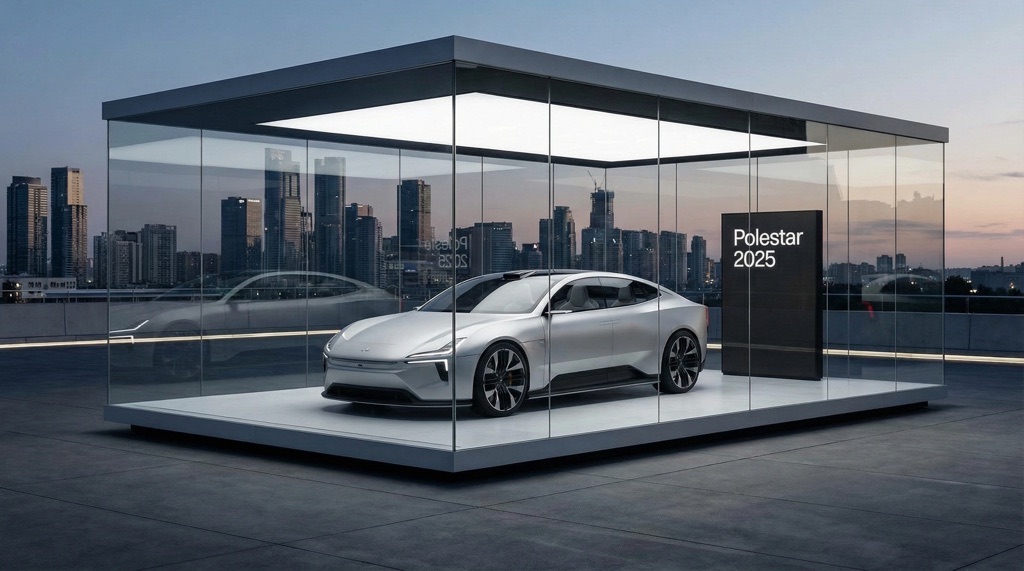
Polestar’s four-model portfolio targets premium buyers with performance-oriented EVs built in North America and Asia, with European production for the Polestar 7 upcoming. Note: Specific model specs vary by market and trim; core figures below are representative of lineup descriptions.
| Model | Type | Key Markets | Notable Features |
|---|---|---|---|
| Polestar 2 | Compact Fastback | Global | Updated summer 2024; performance sedan alternative |
| Polestar 3 | Midsize Luxury SUV | North America, Europe | First full year 2025; premium SUV focus |
| Polestar 4 | Coupe-Style SUV | Global | First full year 2025; design-driven |
| Polestar 5 | Performance Sedan | Global | High-performance GT; recent launch |
Sales Breakdown and Regional Momentum
Polestar posted growth every quarter in 2025: Q1 up 76%, Q2 up 38%, Q3 up 13%, culminating in Q4’s 15,608 units. Europe led with market share gains, outselling traditional brands; Germany contributed 5,007 vehicles. North America saw steady uptake via manufacturing diversification, reducing tariffs, and delivery times.
The sales network expansion—over 50% growth excluding China—paired with digital tools, boosted accessibility. CEO Lohscheller noted: “For retail sales volumes, 2025 has been the best year ever for Polestar, despite continued external headwinds… a testament to the expansion of our sales network… our attractive model line-up and the team’s hard work.” This execution avoided production cuts plaguing peers, emphasizing premium pricing over volume chasing.
Strategic Moves and Manufacturing Edge
Polestar’s multi-region production (Asia, North America, and Europe incoming for Polestar 7) mitigates risks like tariffs and logistics. The lineup avoids mass-market volume plays, targeting buyers valuing design, materials, ride quality, and stability over experimental features. No aggressive rebates were needed in Q4, indicating genuine demand.
Challenges persist: significant losses reported recently, Nasdaq compliance narrowly regained, and liquidity reliant on Geely. Unanswered questions include Q1 2026 volumes, Polestar 7 details, and profitability timelines from the February update.
Comparison: Polestar vs. Premium EV Rivals
| Brand | 2025 Growth Context | Strengths vs. Polestar | Polestar Edge |
|---|---|---|---|
| Tesla | Volume leader; slower growth | Scale, charging, software | 34% growth outpaced Tesla; premium design focus |
| Porsche/Audi/BMW/Mercedes | Europe’s premium incumbents | Brand heritage, hybrids | Outsold several in Europe; pure-EV purity |
| Volvo (Geely sibling) | Broader lineup incl. hybrids | Family focus | Faster premium EV growth; shared tech |
Polestar’s 34% rise outpaced many, positioning it as Europe’s pure-EV challenger in luxury segments.
Verdict: Strong Momentum for Premium EV Buyers
Polestar’s 2025 record—60,119 sales, 34% growth—proves its strategy works for premium buyers seeking performance EVs without Tesla’s scale compromises or legacy brands’ hybrid distractions. Ideal for Europeans and North Americans valuing direct sales, SUV options, and execution amid market cooldowns; watch February 2026 for profitability proof. Investors and enthusiasts should monitor if this scales without Geely crutches.