

BYD HAN
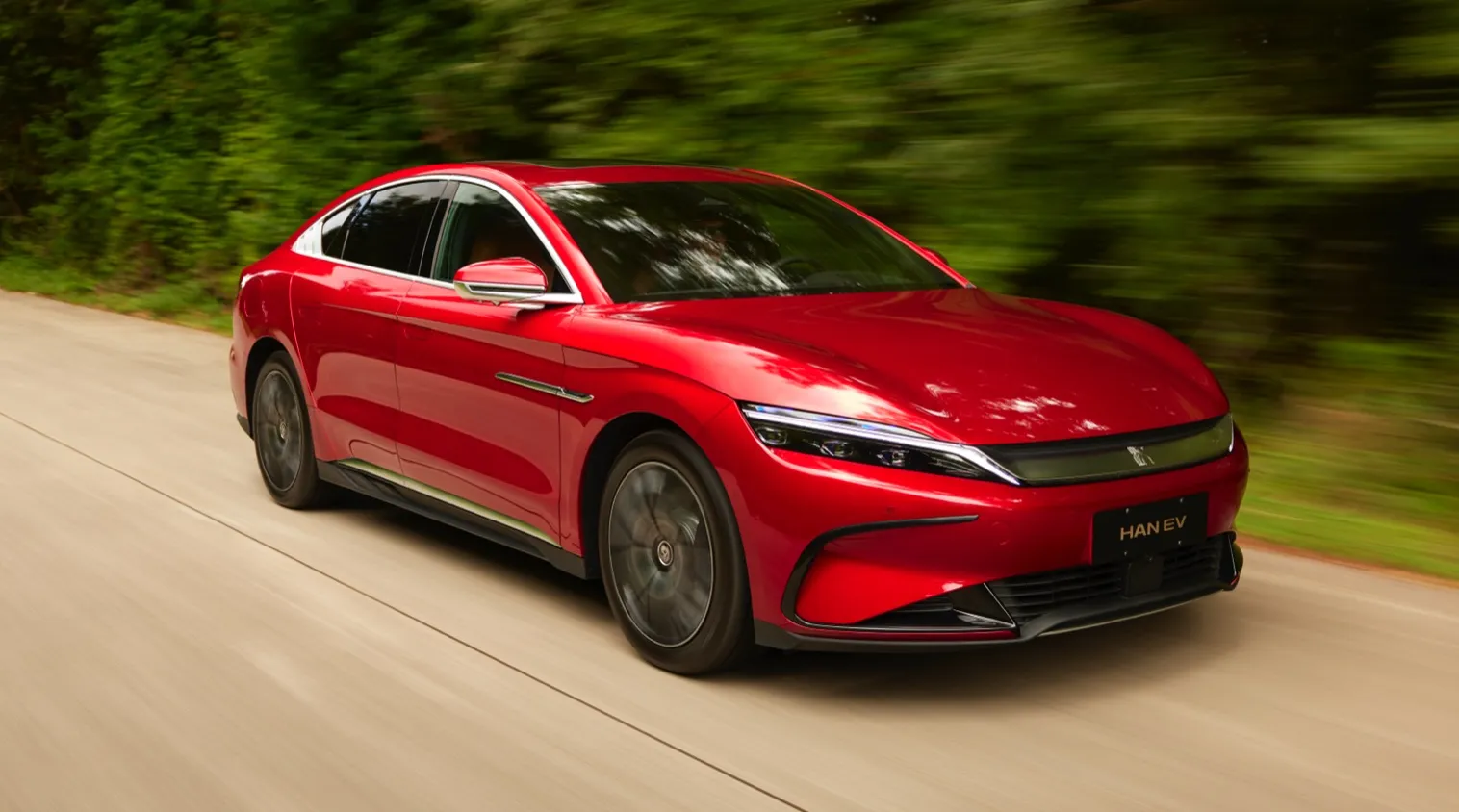
Key Specifications
Real Range Estimation
| City - Cold Weather * | 455 km |
| Highway - Cold Weather * | 345 km |
| Combined - Cold Weather * | 400 km |
between 345 - 675 km
| City - Mild Weather * | 675 km |
| Highway - Mild Weather * | 450 km |
| Combined - Mild Weather * | 545 km |
Battery
| Nominal Capacity* | 88.0 kWh |
| Battery Type | Lithium-ion |
| Number of Cells | 178 |
| Architecture | 800 V |
| Warranty Period | 8 years |
| Warranty Mileage | 160,000 km |
| Useable Capacity | 85.4 kWh |
| Cathode Material | LFP |
| Pack Configuration | 178s1p |
| Nominal Voltage | 569 V |
| Form Factor | Prismatic |
| Name / Reference | BYD BLADE |
Performance
| Acceleration 0 - 100 km/h | 3.9 sec |
| Top Speed | 180 km/h |
| Electric Range * | 475 km |
| Total Power | 380 kW (517 PS) |
| Total Torque | 700 Nm |
| Drive | AWD |
Home and Destination Charging (0 -> 100%)
Charging is possible by using a regular wall plug or a charging station. Public charging is always done through a charging station. How fast the EV can charge depends on the charging station (EVSE) used and the maximum charging capacity of the EV. The table below shows all possible options for charging the BYD HAN. Each option shows how fast the battery can be charged from empty to full.
Europe
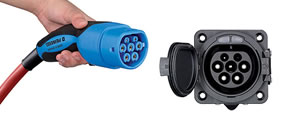
Charging an EV in Europe differs by country. Some European countries primarily use 1-phase connections to the grid, while other countries are almost exclusively using a 3-phase connection. The table below shows all possible ways the BYD HAN can be charged, but some modes of charging might not be widely available in certain countries.
| Type 2 (Mennekes - IEC 62196) |
|---|
 |
| Charging Point | Max. Power | Power | Time | Rate |
|---|---|---|---|---|
| Standard 6.6 kW On-Board Charger | ||||
| Wall Plug (2.3 kW) | 230V / 1x10A | 2.3 kW | 43h45m | 11 km/h |
| 1-phase 16A (3.7 kW) | 230V / 1x16A | 3.7 kW | 27h15m | 17 km/h |
| 1-phase 32A (7.4 kW) | 230V / 1x29A | 6.6 kW † | 15h15m | 31 km/h |
| 3-phase 16A (11 kW) | 230V / 1x16A | 3.7 kW † | 27h15m | 17 km/h |
| 3-phase 32A (22 kW) | 230V / 1x29A | 6.6 kW † | 15h15m | 31 km/h |
| Optional 7.4kW On-Board Charger * | ||||
| Wall Plug (2.3 kW) | 230V / 1x10A | 2.3 kW | 43h45m | 11 km/h |
| 1-phase 16A (3.7 kW) | 230V / 1x16A | 3.7 kW | 27h15m | 17 km/h |
| 1-phase 32A (7.4 kW) | 230V / 1x32A | 7.4 kW | 13h45m | 35 km/h |
| 3-phase 16A (11 kW) | 230V / 1x16A | 3.7 kW † | 27h15m | 17 km/h |
| 3-phase 32A (22 kW) | 230V / 1x32A | 7.4 kW † | 13h45m | 35 km/h |
† = Limited by on-board charger, vehicle cannot charge faster.
* = Optional in some countries, standard in others. Check local specifications for details.
Fast Charging (10 -> 80%)
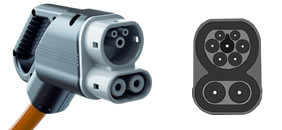
Rapid charging enables longer journeys by adding as much range as possible in the shortest amount of time. Charging power will decrease significantly after 80% state-of-charge has been reached. A typical rapid charge therefore rarely exceeds 80% SoC. The rapid charge rate of an EV depends on the charger used and the maximum charging power the EV can handle. The table below shows all details for rapid charging the BYD HAN.
- Max. Power: maximum power provided by charge point
- Avg. Power: average power provided by charge point over a session from 10% to 80%
- Time: time needed to charge from 10% to 80%
- Rate: average charging speed over a session from 10% to 80%
| Combined Charging System (CCS Combo 2) |
|---|
 |
| Charging Point | Max. Power | Avg. Power | Time | Rate |
|---|---|---|---|---|
| CCS (50 kW DC) | 50 kW | 40 kW † | 94 min | 210 km/h |
| CCS (100 kW DC) | 100 kW | 75 kW † | 50 min | 390 km/h |
| CCS (150 kW DC) | 120 kW † | 85 kW † | 44 min | 450 km/h |
| This vehicle supports Autocharge |
|---|
| This vehicle does not support Plug & Charge |
† = Limited by charging capabilities of vehicle
Autocharge: allows for automatic initiation of a charging session at supported CCS charging stations.
Plug & Charge: allows for automatic initiation of a charging session at supported CCS charging stations in accordance with ISO 15118.
Actual charging rates may differ from data shown due to factors like outside temperature, state of the battery and driving style.
BYD Claimed Specifications
The table below shows the claimed specifications from the manufacturer for charging the BYD HAN. The specifications can differ from the table above for a variety of reasons. If real-world charge tests are available, these differences can be signifcant. If no real-world tests are available, the table above will be based on the manufacturer specifications as per the table below.
- Max. Power: maximum charge power during charging session
- Charge From: battery percentage (% SoC) where charging session is started
- Charge To: battery percentage (% SoC) where charging session is ended
- Time: time needed for charging session
| BYD Claimed Specifications |
|---|
| Max. Power | Charge From | Charge To | Time |
|---|---|---|---|
| 120 kW | 30 % | 80 % | 30 min |
About this Vehicle
BYD Han Overview
The BYD Han stands as a premium electric sedan from BYD, positioning itself as a luxury contender in the EV market with flagship-level performance and advanced technology. This BYD electric sedan targets affluent buyers seeking a blend of opulent interiors, cutting-edge safety features, and impressive EV specs, competing in the mid-to-full-size luxury segment against global icons. Built on BYD’s e-Platform 3.0, the Han emphasizes aerodynamic efficiency with a drag coefficient of just 0.23, sleek styling over 4.99 meters long, and the innovative Blade Battery for superior safety and rigidity. Its BYD Han review highlights a spacious cabin with Napa leather, a 15.6-inch rotating touchscreen, and Dynaudio audio, making it ideal for executives and tech-savvy families.
What makes the BYD Han matter in the EV landscape is its role as an early Chinese flagship that redefined affordable luxury EVs. With dual-motor AWD delivering Tesla-rivaling acceleration, it offers real-world usability through LFP battery tech that’s safer and more durable than traditional lithium-ion packs. As BYD expands globally, the Han underscores the brand’s push into premium territory, boasting an electric vehicle range up to 521 km WLTP while prioritizing efficiency and intelligent driving aids like adaptive cruise control and 360° cameras.
BYD Han Performance and Driving Experience
The BYD Han delivers exhilarating performance with its dual permanent magnet synchronous motors producing smooth, instant power. The flagship AWD variant accelerates from 0-60 mph in 3.9 seconds, thanks to real-time torque vectoring that ensures superb traction in all conditions. Handling feels composed with a low center of gravity from the integrated Blade Battery, offering precise steering and minimal body roll on twisty roads. Real-world impressions praise its refined ride, quiet cabin, and Brembo brakes for confident stopping power, making it a joy for daily commutes or highway cruising.
| Specification | Value |
|---|---|
| 0-60 mph (0-100 km/h) | 3.9 sec |
| Top Speed | 115 mph / 185 km/h |
| Power Output | 517 hp / 380 kW |
| Torque | 700 lb-ft / 950 Nm |
BYD Han Range and Battery Specifications
The BYD Han boasts strong BYD Han WLTP range figures, with the 85.4 kWh Blade LFP battery delivering up to 521 km officially, though real-world range typically falls to 345-450 km depending on conditions. Energy efficiency shines at around 164 Wh/km, aided by the ultra-low drag design. Cold weather or aggressive driving can reduce range by 20-30%, but highway efficiency holds well at moderate speeds. The battery’s cell-to-body integration enhances safety, resisting nail penetration without fire risk.
BYD Han battery specs feature the proprietary LFP chemistry for longevity and thermal stability, with premium trims offering 375 miles EPA-equivalent estimates.
| Range Metric | Value |
|---|---|
| WLTP Range | 521 miles / 838 km |
| EPA Range | 375 miles / 603 km |
| Real-World Range | 345-450 miles / 555-724 km |
| Battery Capacity | 85.4 kWh (usable) |
BYD Han Charging Times and Options
Charging the BYD Han is practical for daily use, with Level 2 AC at 7-11 kW filling the pack overnight from home outlets. DC fast charging peaks at 110 kW, achieving 30-80% in about 30 minutes, compatible with major networks. Urban owners benefit from 10-12 hour Level 1 top-ups, while road-trippers appreciate quick sessions adding 200+ km in 15 minutes. Practical scenarios include workplace Level 2 for full days or CCS stations for long hauls.
| Charging Method | Time | Speed |
|---|---|---|
| Level 1 (120V) | 24-30 hours | ~1.4 kW |
| Level 2 (240V/7kW) | 10-12 hours | ~7 kW |
| Level 2 (240V/11kW) | 8-10 hours | ~11 kW |
| DC Fast Charge (10-80%) | 30 min | up to 110 kW |
BYD Han vs Competitors
In the BYD Han vs Tesla Model S matchup, the Han edges out with a lower 0.23 drag coefficient and safer LFP battery, offering comparable 3.9-second 0-60 mph acceleration at a fraction of the price, though the Model S leads in supercharger access. Against the BYD Han vs BMW i5, it provides superior torque (700 Nm) and space, with AWD traction matching the i5’s dynamics but beating it on efficiency. The Hyundai Ioniq 6 competes closely in range but lacks the Han’s luxury interior and power.
Frequently Asked Questions
Related Vehicles
View All BYD
BYD
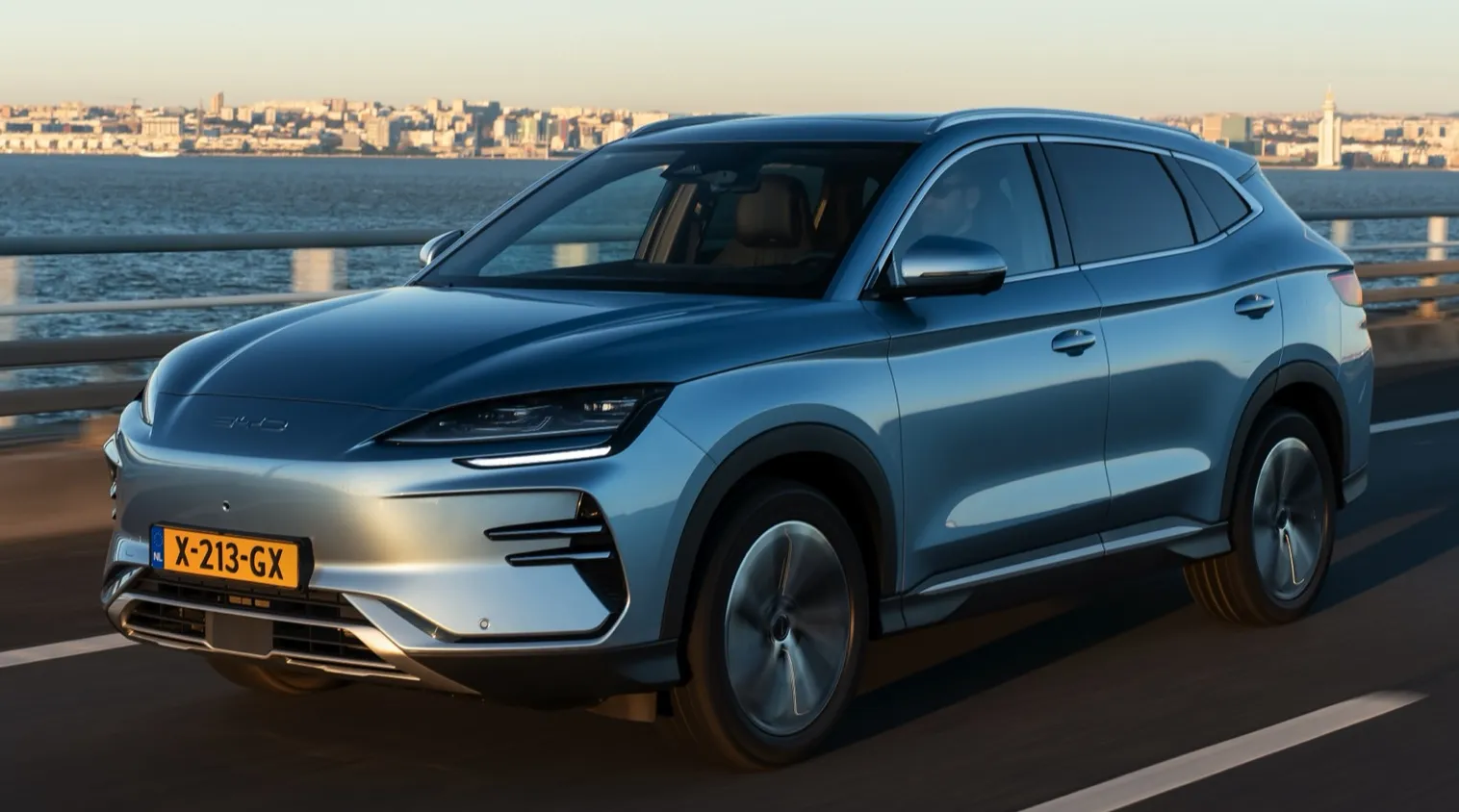
BYD SEAL U 71.8 kWh Comfort
 BYD
BYD
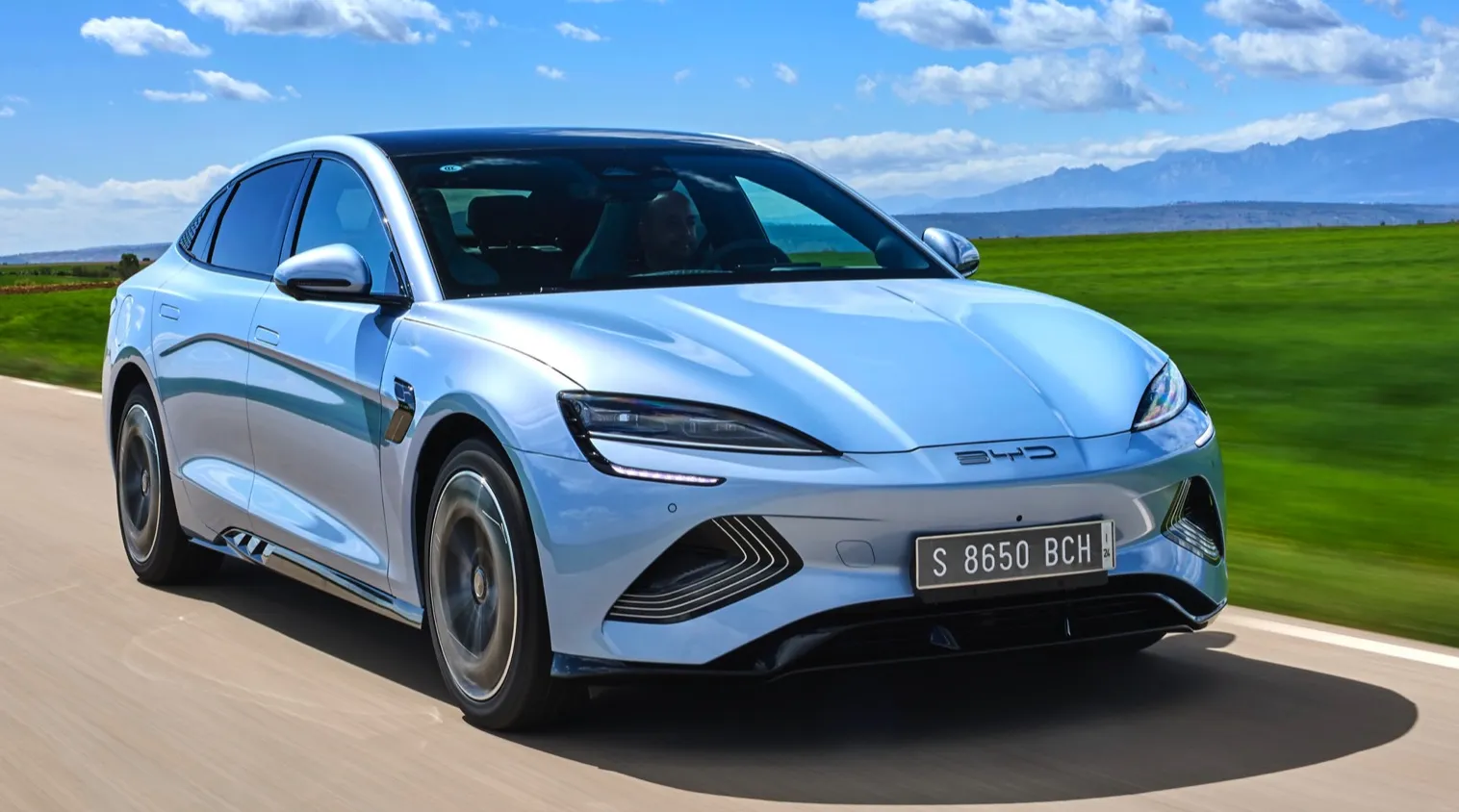
BYD SEAL 82.5 kWh AWD Excellence
 BYD
BYD
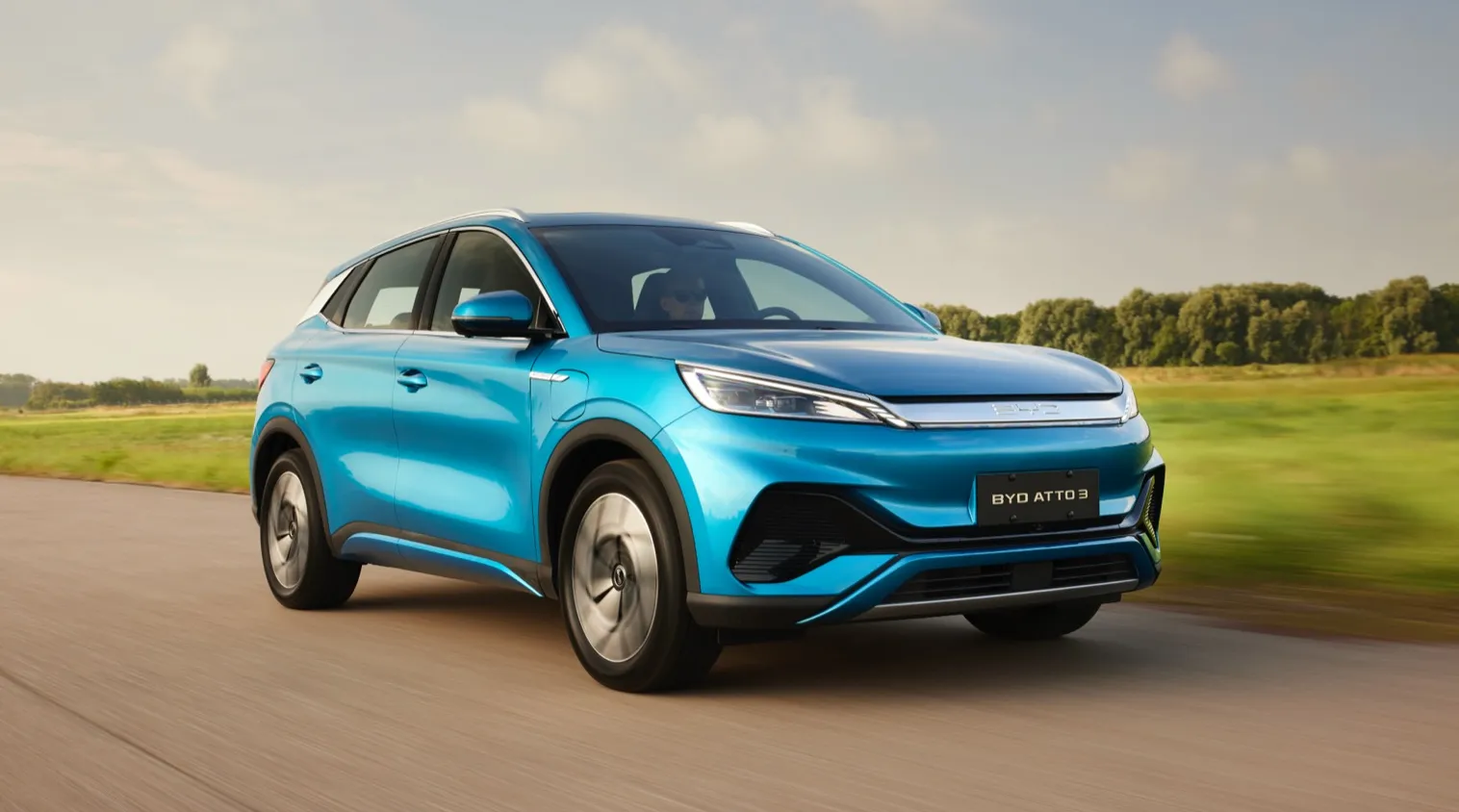
BYD SEAL U 87 kWh Design
 BYD
BYD