

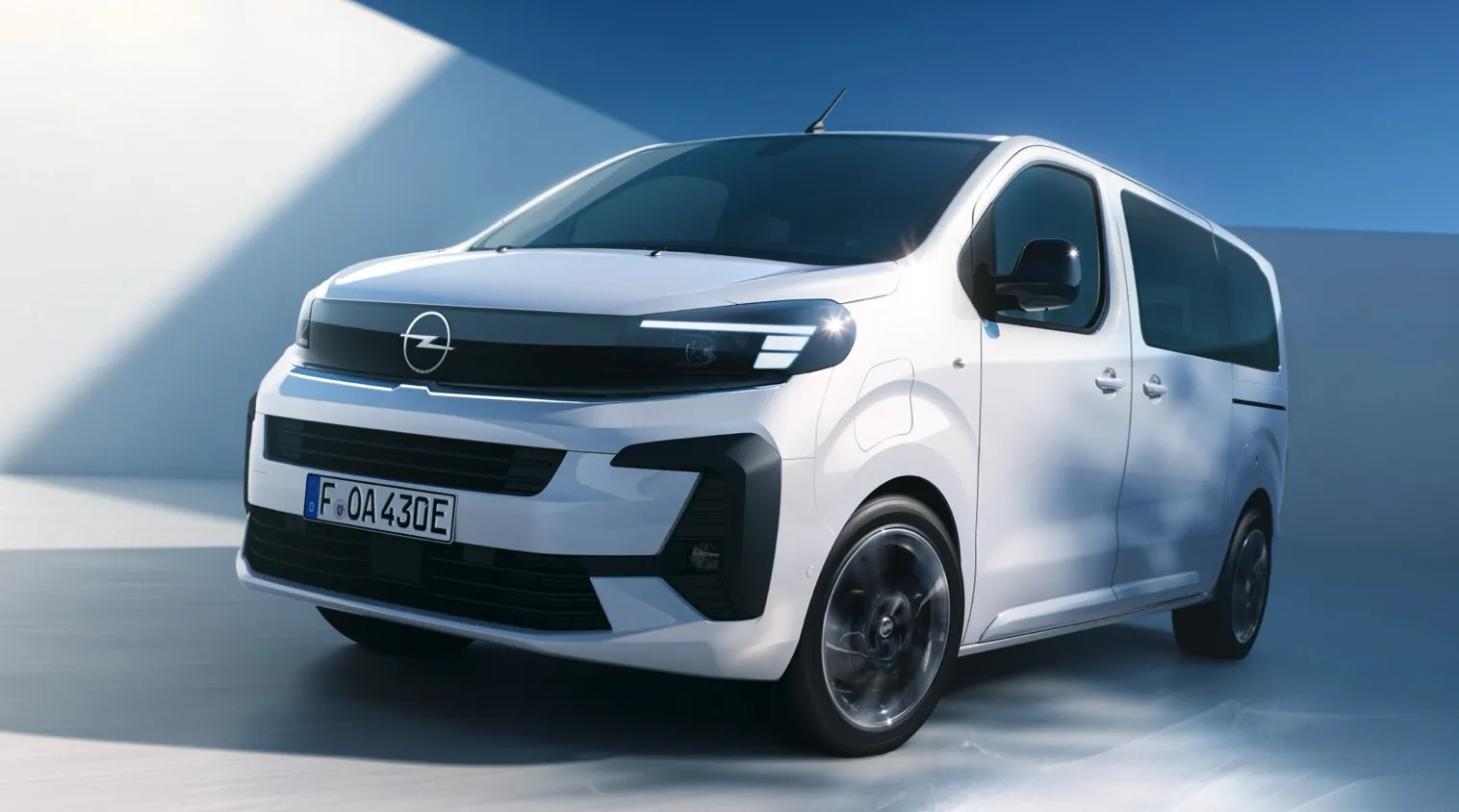
Opel Zafira-e Life L3 75 kWh
Key Specifications
Real Range Estimation
| City - Cold Weather * | 280 km |
| Highway - Cold Weather * | 180 km |
| Combined - Cold Weather * | 225 km |
between 180 - 385 km
| City - Mild Weather * | 385 km |
| Highway - Mild Weather * | 225 km |
| Combined - Mild Weather * | 290 km |
Battery
| Nominal Capacity* | 75.0 kWh |
| Battery Type | Lithium-ion |
| Number of Cells | 324 |
| Architecture | 400 V |
| Warranty Period | 8 years |
| Warranty Mileage | 160,000 km |
| Useable Capacity* | 68.0 kWh |
| Cathode Material | NCM |
| Pack Configuration | 108s3p |
| Nominal Voltage | 400 V |
| Form Factor | No Data |
| Name / Reference | No Data |
Performance
| Acceleration 0 - 100 km/h | 14.2 sec |
| Top Speed | 130 km/h |
| Electric Range * | 260 km |
| Total Power | 100 kW (136 PS) |
| Total Torque | 260 Nm |
| Drive | Front |
Home and Destination Charging (0 -> 100%)
Charging is possible by using a regular wall plug or a charging station. Public charging is always done through a charging station. How fast the EV can charge depends on the charging station (EVSE) used and the maximum charging capacity of the EV. The table below shows all possible options for charging the Opel Zafira-e Life L3 75 kWh. Each option shows how fast the battery can be charged from empty to full.
Europe
Charging an EV in Europe differs by country. Some European countries primarily use 1-phase connections to the grid, while other countries are almost exclusively using a 3-phase connection. The table below shows all possible ways the Opel Zafira-e Life L3 75 kWh can be charged, but some modes of charging might not be widely available in certain countries.
| Type 2 (Mennekes - IEC 62196) |
|---|
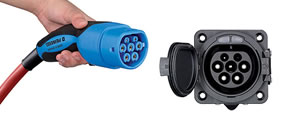 |
| Charging Point | Max. Power | Power | Time | Rate |
|---|---|---|---|---|
| Wall Plug (2.3 kW) | 230V / 1x10A | 2.3 kW | 35 hours | 7 km/h |
| 1-phase 16A (3.7 kW) | 230V / 1x16A | 3.7 kW | 21h45m | 12 km/h |
| 1-phase 32A (7.4 kW) | 230V / 1x32A | 7.4 kW | 11 hours | 24 km/h |
| 3-phase 16A (11 kW) | 400V / 3x16A | 11 kW | 7h30m | 35 km/h |
| 3-phase 32A (22 kW) | 400V / 3x16A | 11 kW † | 7h30m | 35 km/h |
† = Limited by on-board charger, vehicle cannot charge faster.
Fast Charging (10 -> 80%)
Rapid charging enables longer journeys by adding as much range as possible in the shortest amount of time. Charging power will decrease significantly after 80% state-of-charge has been reached. A typical rapid charge therefore rarely exceeds 80% SoC. The rapid charge rate of an EV depends on the charger used and the maximum charging power the EV can handle. The table below shows all details for rapid charging the Opel Zafira-e Life L3 75 kWh.
- Max. Power: maximum power provided by charge point
- Avg. Power: average power provided by charge point over a session from 10% to 80%
- Time: time needed to charge from 10% to 80%
- Rate: average charging speed over a session from 10% to 80%
| Combined Charging System (CCS Combo 2) |
|---|
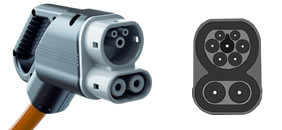 |
| Charging Point | Max. Power | Avg. Power | Time | Rate |
|---|---|---|---|---|
| CCS (50 kW DC) | 50 kW | 40 kW † | 75 min | 140 km/h |
| CCS (100 kW DC) | 100 kW | 79 kW † | 38 min | 280 km/h |
| CCS (150 kW DC) | 100 kW † | 79 kW † | 38 min | 280 km/h |
| This vehicle supports Autocharge |
|---|
| This vehicle does not support Plug & Charge |
† = Limited by charging capabilities of vehicle
Autocharge: allows for automatic initiation of a charging session at supported CCS charging stations.
Plug & Charge: allows for automatic initiation of a charging session at supported CCS charging stations in accordance with ISO 15118.
Actual charging rates may differ from data shown due to factors like outside temperature, state of the battery and driving style.
Opel Claimed Specifications
The table below shows the claimed specifications from the manufacturer for charging the Opel Zafira-e Life L3 75 kWh. The specifications can differ from the table above for a variety of reasons. If real-world charge tests are available, these differences can be signifcant. If no real-world tests are available, the table above will be based on the manufacturer specifications as per the table below.
- Max. Power: maximum charge power during charging session
- Charge From: battery percentage (% SoC) where charging session is started
- Charge To: battery percentage (% SoC) where charging session is ended
- Time: time needed for charging session
| Opel Claimed Specifications |
|---|
| Max. Power | Charge From | Charge To | Time |
|---|---|---|---|
| 100 kW | 0 % | 80 % | 45 min |
Dimensions and Weight
| Length | 5333 mm |
| Width | 1920 mm |
| Width with mirrors | 2204 mm |
| Height | 1890 mm |
| Wheelbase | 3275 mm |
| Weight Unladen (EU) | 2240 kg |
| Gross Vehicle Weight (GVWR) | 3090 kg |
| Max. Payload | 925 kg |
| Cargo Volume | 989 L |
| Cargo Volume Max | 4554 L |
| Cargo Volume Frunk | 0 L |
| Roof Load | 150 kg |
| Tow Hitch Possible | Yes |
| Towing Weight Unbraked | 750 kg |
| Towing Weight Braked | 1000 kg |
| Vertical Load Max | 60 kg |
About this Vehicle
Opel Zafira-e Life L3 75 kWh Overview
The Opel Zafira-e Life L3 75 kWh positions itself as a premium family electric MPV in the mainstream EV market, offering versatile seating for up to nine passengers in a long-wheelbase van design. Targeted at large families, shuttle services, or businesses needing spacious electric transport, this Opel electric van excels in practicality with its massive interior volume—up to 215 cubic feet of cargo space—and flexible 5-to-9 seat configurations. Built on Stellantis’ efficient e-CMP platform, it features a permanent magnet synchronous motor, modern Opel Vizor front grille, and electric sliding doors for easy access, making it a lounge-like “e-lounge on wheels.”
What sets the Zafira-e Life L3 apart is its focus on everyday usability over sporty thrills, with a 75 kWh lithium-ion battery delivering solid EV specs for urban and suburban duties. In the growing electric vehicle range segment, this model matters as a zero-emission alternative to diesel people carriers, emphasizing comfort, advanced driver aids like autonomous emergency braking and lane-keeping assist, and a refreshed 10-inch touchscreen with wireless Apple CarPlay/Android Auto. The Opel Zafira-e Life L3 75 kWh review highlights its role in making electric mobility accessible for group travel, though it’s primarily a European offering with potential for broader appeal.
Opel Zafira-e Life L3 75 kWh Performance and Driving Experience
The Opel Zafira-e Life L3 75 kWh delivers relaxed, smooth performance suited to city commuting and family hauling, powered by a front-wheel-drive (FWD) permanent magnet synchronous motor producing instant torque for effortless urban maneuvers. Acceleration is leisurely at 13.3 seconds for 0-100 km/h (0-62 mph), with a top speed capped at 81 mph, prioritizing comfort over speed—ideal for its van body but less engaging on highways. Handling benefits from a compliant suspension with MacPherson struts upfront and semi-independent rear setup, absorbing bumps well while offering good visibility and a tight 40.7-foot turning circle for parking this 209-inch-long vehicle.
Real-world driving impressions praise its quiet cabin, regenerative braking for one-pedal efficiency, and stable dynamics, though sluggish highway passing underscores its people-mover ethos rather than sporty ambitions.
| Specification | Value |
|---|---|
| 0-60 mph (0-100 km/h) | 13.3 sec |
| Top Speed | 81 mph / 130 km/h |
| Power Output | 134 hp / 100 kW |
| Torque | 191 lb-ft / 260 Nm |
Opel Zafira-e Life L3 75 kWh Range and Battery Specifications
Official Opel Zafira-e Life L3 75 kWh WLTP range stands at 204 miles (329 km), but real-world range typically hits around 185 miles, varying with load, weather, and driving style—dropping to 117-175 miles in cold conditions or with full seating. The 75 kWh lithium-ion battery (68 kWh usable) achieves efficiency of 2.55-2.72 mi/kWh, influenced by the van’s 4,722-pound curb weight, aerodynamics, and terrain. Factors like heavy passenger loads or highways reduce range, but city driving maximizes it through regenerative braking.
This setup suits daily family runs or shuttles, with the battery backed by an eight-year/100,000-mile warranty for peace of mind.
| Range Metric | Value |
|---|---|
| WLTP Range | 204 miles / 329 km |
| EPA Range | N/A (European model) |
| Real-World Range | 185 miles / 298 km |
| Battery Capacity | 75 kWh (68 kWh usable) |
Opel Zafira-e Life L3 75 kWh Charging Times and Options
Home charging for the Opel Zafira-e Life L3 75 kWh is straightforward with its standard 11 kW onboard AC charger, fully replenishing from a Level 2 wallbox in about 7 hours, or slower on 7.4 kW single-phase units. Level 1 (120V) suits overnight top-ups for light use. For road trips, DC fast charging peaks at 100 kW via CCS, hitting 10-80% in 34-45 minutes—practical for its 400V architecture and compatible with major European networks like Ionity.
Practical scenarios include daily Level 2 for families or quick DC stops for shuttles, with app-based Free2Move services simplifying payments.
| Charging Method | Time | Speed |
|---|---|---|
| Level 1 (120V) | 30+ hours | ~1.4 kW |
| Level 2 (240V/7kW) | 11 hours | ~7 kW |
| Level 2 (240V/11kW) | 7 hours | ~11 kW |
| DC Fast Charge (10-80%) | 34 min | up to 100 kW |
Opel Zafira-e Life L3 75 kWh vs Competitors
In the Opel Zafira-e Life L3 75 kWh vs competitors matchup, it outshines the Hyundai Ioniq 5 for sheer space and seating (up to 9 vs 5), trading the Korean’s quicker 0-60 (5.1 sec) and 303-mile range for van-like versatility at a lower price point. Against the Kia EV9, the Zafira offers more cargo flexibility but lags in power (134 hp vs 379 hp) and AWD options, while beating the Tesla Model Y on passenger capacity despite a shorter range. The Zafira-e Life L3 comparison favors it for budget-conscious families over premium rivals like the Mercedes EQV, which commands higher costs for similar zero-emission hauling.
Frequently Asked Questions
Related Vehicles
View All Opel
Opel
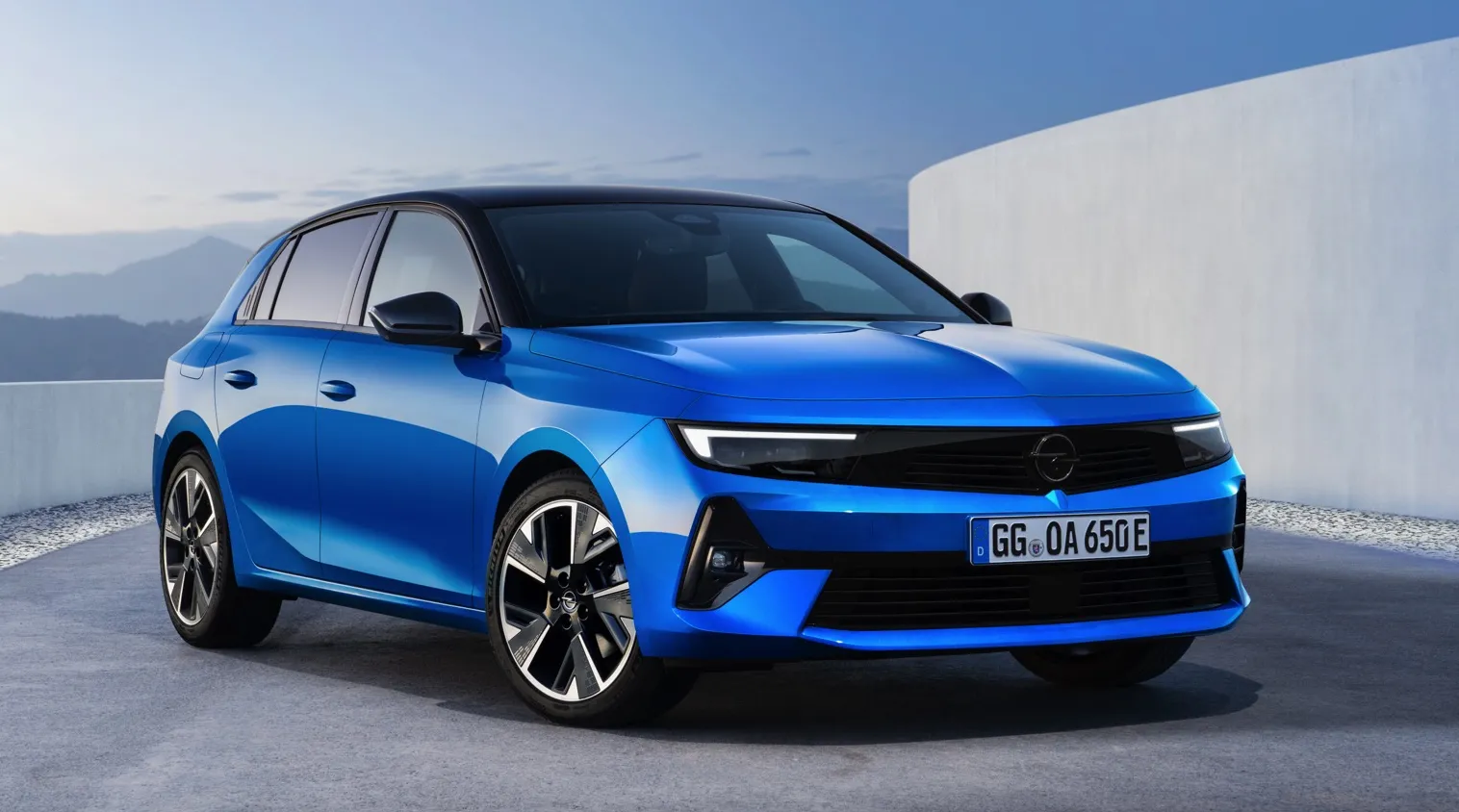
Opel Grandland 73 kWh
 Opel
Opel
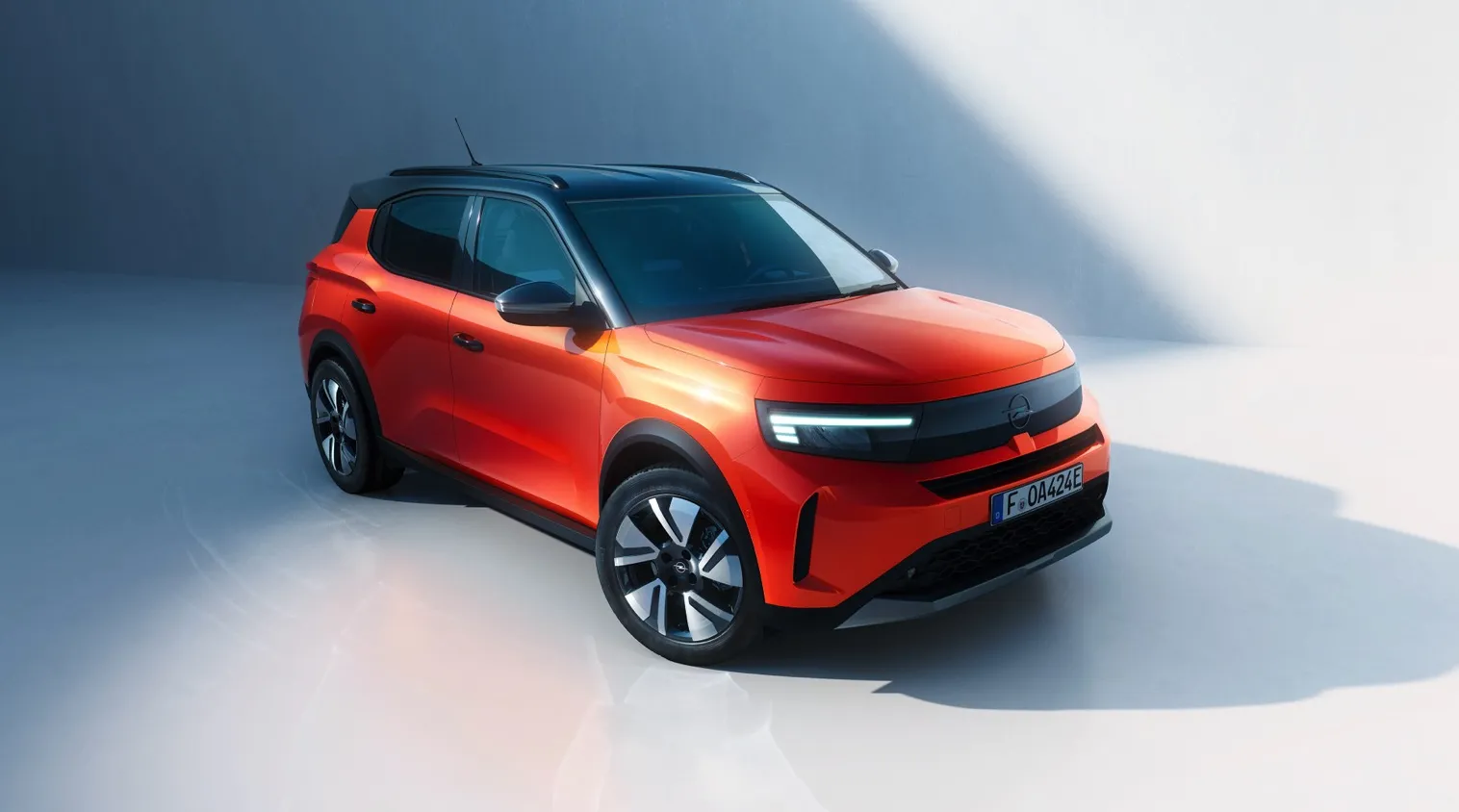
Opel Astra Electric
 Opel
Opel
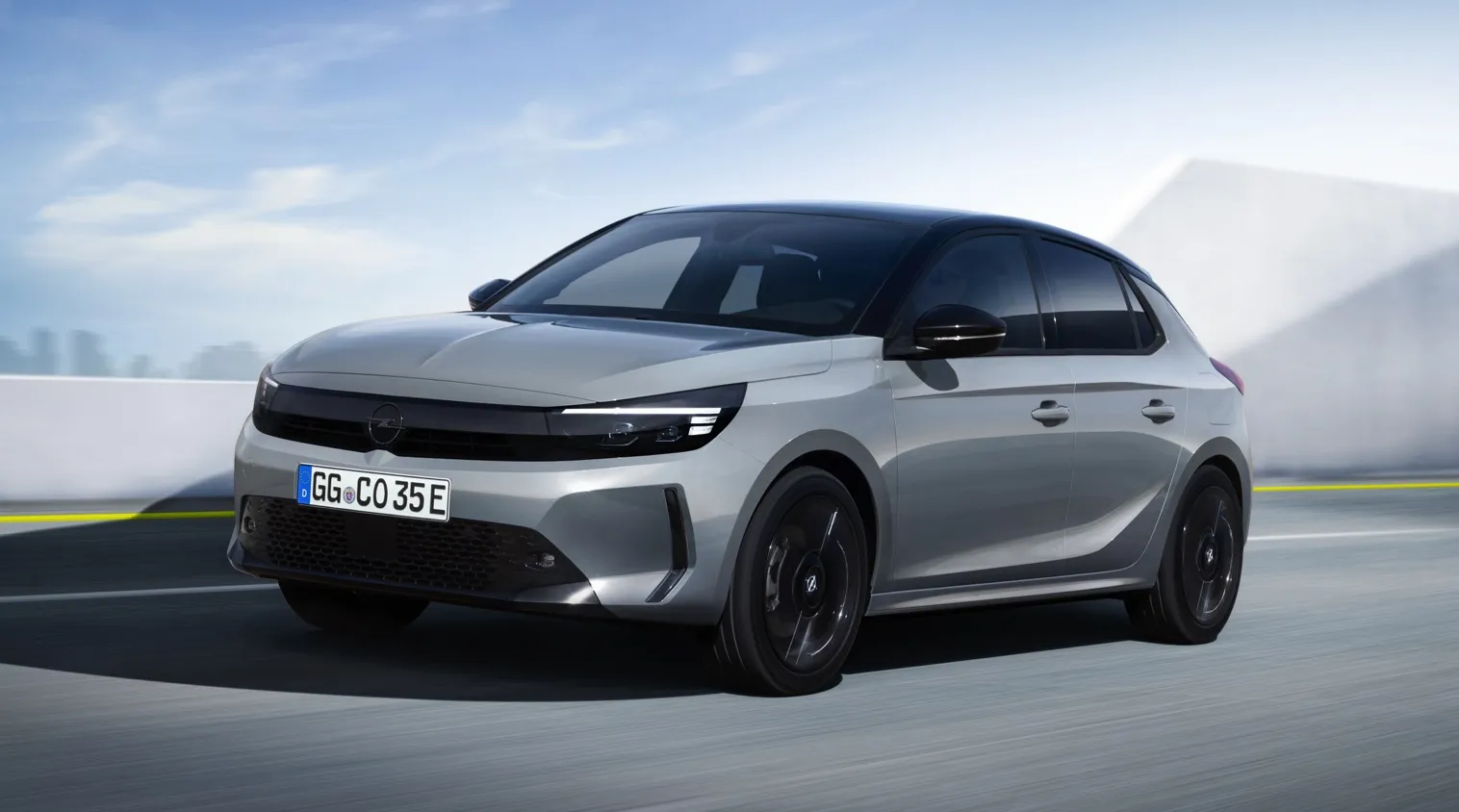
Opel Frontera 44 kWh
 Opel
Opel