

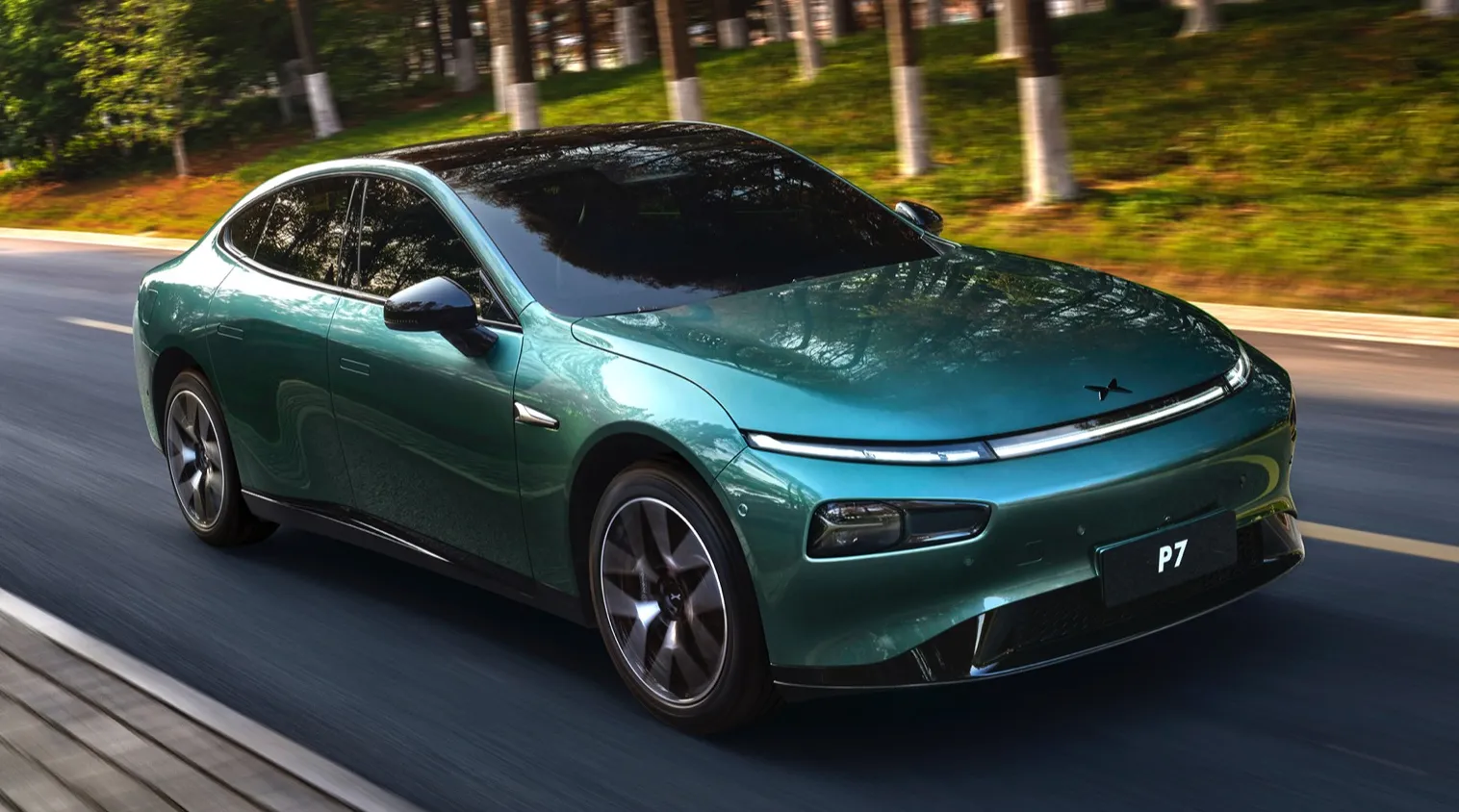
XPENG P7 Wing Edition
Key Specifications
Real Range Estimation
| City - Cold Weather * | 435 km |
| Highway - Cold Weather * | 330 km |
| Combined - Cold Weather * | 385 km |
between 330 - 650 km
| City - Mild Weather * | 650 km |
| Highway - Mild Weather * | 430 km |
| Combined - Mild Weather * | 525 km |
Battery
| Nominal Capacity | 86.2 kWh |
| Battery Type | Lithium-ion |
| Number of Cells | No Data |
| Architecture | 400 V |
| Warranty Period | No Data |
| Warranty Mileage | No Data |
| Useable Capacity | 82.7 kWh |
| Cathode Material | NCM |
| Pack Configuration | No Data |
| Nominal Voltage | No Data |
| Form Factor | No Data |
| Name / Reference | No Data |
Performance
| Acceleration 0 - 100 km/h | 4.1 sec |
| Top Speed | 200 km/h |
| Electric Range * | 455 km |
| Total Power | 348 kW (473 PS) |
| Total Torque | 757 Nm |
| Drive | AWD |
Home and Destination Charging (0 -> 100%)
Charging is possible by using a regular wall plug or a charging station. Public charging is always done through a charging station. How fast the EV can charge depends on the charging station (EVSE) used and the maximum charging capacity of the EV. The table below shows all possible options for charging the XPENG P7 Wing Edition. Each option shows how fast the battery can be charged from empty to full.
Europe
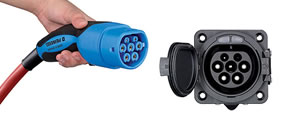
Charging an EV in Europe differs by country. Some European countries primarily use 1-phase connections to the grid, while other countries are almost exclusively using a 3-phase connection. The table below shows all possible ways the XPENG P7 Wing Edition can be charged, but some modes of charging might not be widely available in certain countries.
| Type 2 (Mennekes - IEC 62196) |
|---|
 |
| Charging Point | Max. Power | Power | Time | Rate |
|---|---|---|---|---|
| Wall Plug (2.3 kW) | 230V / 1x10A | 2.3 kW | 42h30m | 11 km/h |
| 1-phase 16A (3.7 kW) | 230V / 1x16A | 3.7 kW | 26h30m | 17 km/h |
| 1-phase 32A (7.4 kW) | 230V / 1x32A | 7.4 kW | 13h15m | 34 km/h |
| 3-phase 16A (11 kW) | 400V / 3x16A | 11 kW | 9 hours | 51 km/h |
| 3-phase 32A (22 kW) | 400V / 3x16A | 11 kW † | 9 hours | 51 km/h |
† = Limited by on-board charger, vehicle cannot charge faster.
Fast Charging (10 -> 80%)
Rapid charging enables longer journeys by adding as much range as possible in the shortest amount of time. Charging power will decrease significantly after 80% state-of-charge has been reached. A typical rapid charge therefore rarely exceeds 80% SoC. The rapid charge rate of an EV depends on the charger used and the maximum charging power the EV can handle. The table below shows all details for rapid charging the XPENG P7 Wing Edition.
- Max. Power: maximum power provided by charge point
- Avg. Power: average power provided by charge point over a session from 10% to 80%
- Time: time needed to charge from 10% to 80%
- Rate: average charging speed over a session from 10% to 80%
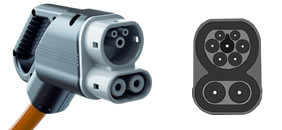
| Combined Charging System (CCS Combo 2) |
|---|
 |
| Charging Point | Max. Power | Avg. Power | Time | Rate |
|---|---|---|---|---|
| CCS (50 kW DC) | 50 kW | 47 kW † | 78 min | 240 km/h |
| CCS (150 kW DC) | 150 kW | 129 kW † | 28 min | 680 km/h |
| CCS (300 kW DC) | 182 kW † | 138 kW † | 26 min | 730 km/h |
| Charge Curve |
|---|
 |
Data made available by Fastned |
| This vehicle supports Autocharge |
|---|
| This vehicle does not support Plug & Charge |
† = Limited by charging capabilities of vehicle
Autocharge: allows for automatic initiation of a charging session at supported CCS charging stations.
Plug & Charge: allows for automatic initiation of a charging session at supported CCS charging stations in accordance with ISO 15118.
Actual charging rates may differ from data shown due to factors like outside temperature, state of the battery and driving style.
XPENG Claimed Specifications
The table below shows the claimed specifications from the manufacturer for charging the XPENG P7 Wing Edition. The specifications can differ from the table above for a variety of reasons. If real-world charge tests are available, these differences can be signifcant. If no real-world tests are available, the table above will be based on the manufacturer specifications as per the table below.
- Max. Power: maximum charge power during charging session
- Charge From: battery percentage (% SoC) where charging session is started
- Charge To: battery percentage (% SoC) where charging session is ended
- Time: time needed for charging session
| XPENG Claimed Specifications |
|---|
| Max. Power | Charge From | Charge To | Time |
|---|---|---|---|
| 175 kW | 10 % | 80 % | 29 min |
Dimensions and Weight
| Length | 4888 mm |
| Width | 1896 mm |
| Width with mirrors | No Data |
| Height | 1450 mm |
| Wheelbase | 2998 mm |
| Weight Unladen (EU) | 2255 kg |
| Gross Vehicle Weight (GVWR) | 2600 kg |
| Max. Payload | 420 kg |
| Cargo Volume | 440 L |
| Cargo Volume Max | No Data |
| Cargo Volume Frunk | 0 L |
| Roof Load | No Data |
| Tow Hitch Possible | No |
| Towing Weight Unbraked | 0 kg |
| Towing Weight Braked | 0 kg |
| Vertical Load Max | 0 kg |
About this Vehicle
XPENG P7 Wing Edition Overview
The XPENG P7 Wing Edition is a premium electric sedan that blends dramatic design with high-performance EV specs, aimed at buyers considering an executive fastback like a Tesla Model 3 Performance or BMW i4 but wanting something more distinctive. As a flagship XPENG electric sedan, it sits in the upper tier of the brand’s lineup, positioned as a technology-forward grand tourer rather than a bare-bones eco car.
Targeted at style-conscious early adopters and tech enthusiasts, the XPENG P7 Wing Edition stands out with its electrically operated scissor “Wing” doors, sleek coupe-like silhouette, and minimalist interior. It leverages XPENG’s advanced driver-assistance and connected-car ecosystem, making it appealing to buyers who value smart-driving features as much as performance. This XPENG electric sedan is built on a dedicated EV platform with dual motors, a large NMC battery pack, and a refined suspension aimed at long-distance comfort.
In the broader EV landscape, the XPENG P7 Wing Edition matters because it shows how Chinese premium EVs can compete directly with established global brands on design, range, and technology. With strong EV specs, competitive electric vehicle range, and eye-catching design, the XPENG P7 Wing Edition is a compelling alternative in the fast-growing mid-size performance EV segment.
—
XPENG P7 Wing Edition Performance and Driving Experience
The XPENG P7 Wing Edition uses a dual-motor all-wheel-drive system with one induction motor at the front and a permanent magnet synchronous motor at the rear, delivering around 466–473 hp (348 kW) and 757 Nm (558 lb-ft) of torque. It sprints from 0–60 mph in about 4.0 seconds and 0–100 km/h in 4.1 seconds, with a top speed of 200 km/h (124 mph). Power delivery is immediate and linear, giving the P7 Wing Edition the effortless surge typical of high-end performance EVs.
On the road, this XPENG P7 Wing Edition review points to a sedan tuned more for fast, comfortable touring than hardcore track driving. The long wheelbase and multi-link rear suspension provide stability at speed, while all-wheel drive maximizes traction in poor weather. Multiple drive modes and adjustable regenerative braking—including near one-pedal driving—let you tailor the driving experience from relaxed efficiency to responsive sportiness.
| Specification | Value |
|---|---|
| 0-60 mph (0-100 km/h) | 4.0 s / 4.1 s |
| Top Speed | 124 mph / 200 km/h |
| Power Output | 466–473 hp / 348 kW |
| Torque | 558 lb-ft / 757 Nm |
—
XPENG P7 Wing Edition Range and Battery Specifications
Official XPENG P7 Wing Edition WLTP range is rated at 505 km (313 miles) on a combined cycle, thanks to an 82.7 kWh usable (86.2 kWh gross) NMC battery pack. In real-world mixed driving, you can expect roughly 260–270 miles (around 430 km), depending on conditions and driving style, which aligns with independent estimates and energy consumption of about 19.2 kWh/100 km.
The XPENG P7 Wing Edition battery specs use a lithium nickel manganese cobalt (NMC) chemistry, balancing energy density and performance. Efficiency around 3.1–3.3 mi/kWh is competitive for a powerful AWD sedan. As with any EV, the P7 Wing Edition’s real-world range is affected by temperature, high-speed motorway driving, wheel choice, and aggressive acceleration, but the pack size and thermal management make it suitable for long commutes and intercity trips.
| Range Metric | Value |
|---|---|
| WLTP Range | 313 miles / 505 km |
| EPA Range | N/A (market-dependent) |
| Real-World Range | ~267 miles / ~430 km |
| Battery Capacity | 82.7 kWh (usable) |
—
XPENG P7 Wing Edition Charging Times and Options
For home and workplace charging, the XPENG P7 Wing Edition includes an 11 kW AC on-board charger. On a typical 11 kW Level 2 (240V) wallbox, a full charge from low state of charge takes roughly 7–8 hours, ideal for overnight charging. On slower 7 kW home chargers, expect around 10–12 hours for a near-empty to full charge.
On the road, the XPENG P7 Wing Edition supports DC fast charging up to 175 kW via a CCS connector on the rear-left side. Under optimal conditions, a 10–80% DC fast charge will typically take around 30–35 minutes, making it practical for long-distance travel when paired with high-power public charging networks. The car’s charging logic and pre-conditioning help maximize peak speeds when you navigate to a fast charger.
| Charging Method | Time | Speed |
|---|---|---|
| Level 1 (120V) | ~30–40 hours (0–100%) | ~2 kW |
| Level 2 (240V/7kW) | ~10–12 hours (0–100%) | ~7 kW |
| Level 2 (240V/11kW) | ~7–8 hours (0–100%) | ~11 kW |
| DC Fast Charge (10-80%) | ~30–35 min | up to 175 kW |
—
XPENG P7 Wing Edition vs Competitors
In an XPENG P7 Wing Edition vs Tesla Model 3 Performance comparison, the XPENG offers similar acceleration and range but counters with more distinctive design, Wing doors, and a more lounge-like interior feel. Against the BMW i4 M50, the P7 Wing Edition undercuts on price in many markets while matching performance and adding standout styling. Compared with the Hyundai Ioniq 6, the XPENG P7 Wing Edition aims more upmarket, with stronger power figures, more dramatic presentation, and a tech stack tailored to buyers who prioritize design flair and smart-driving features in a premium electric sedan.
—
Frequently Asked Questions
Related Vehicles
View All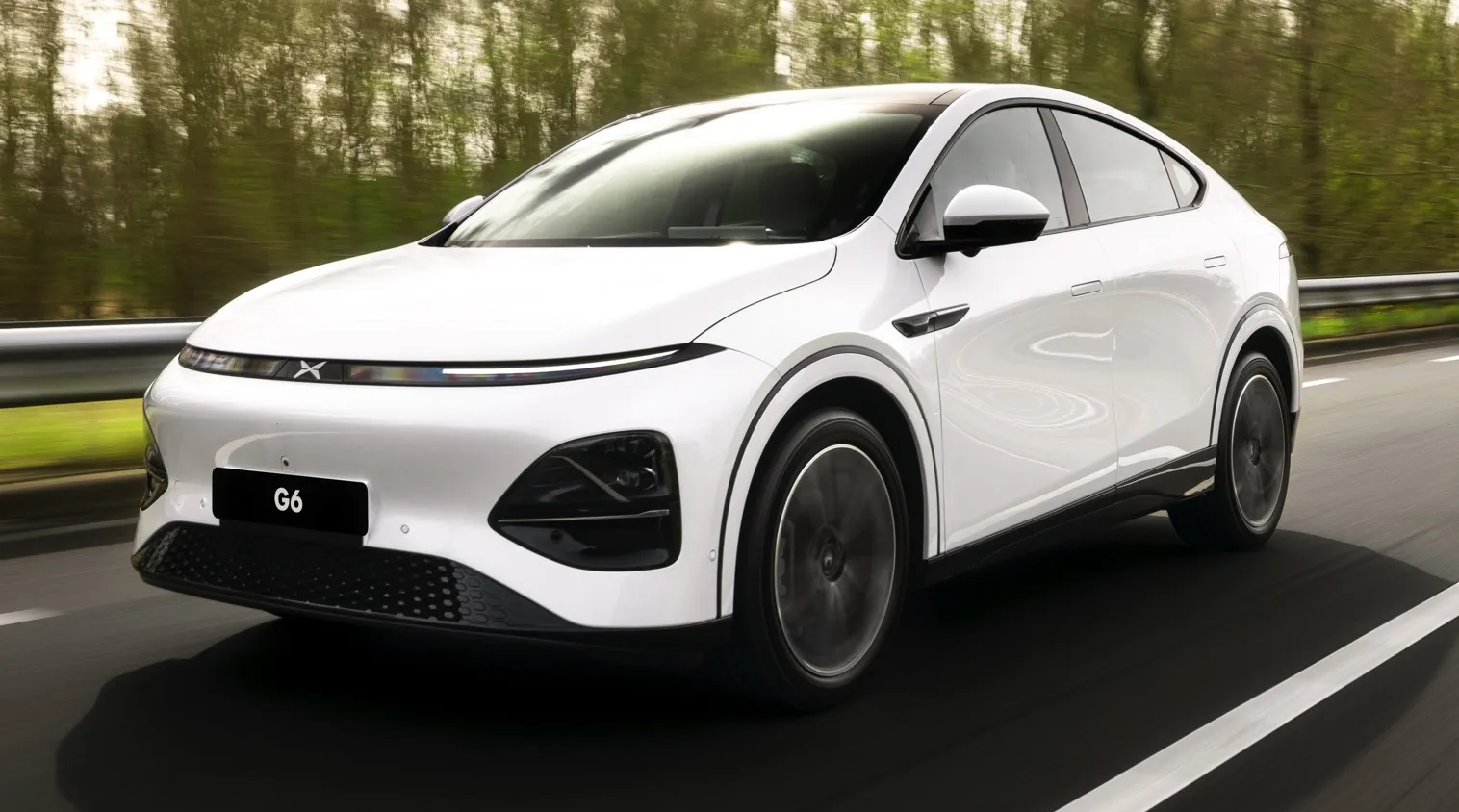 XPENG
XPENG
XPENG G6 RWD Long Range
 XPENG
XPENG
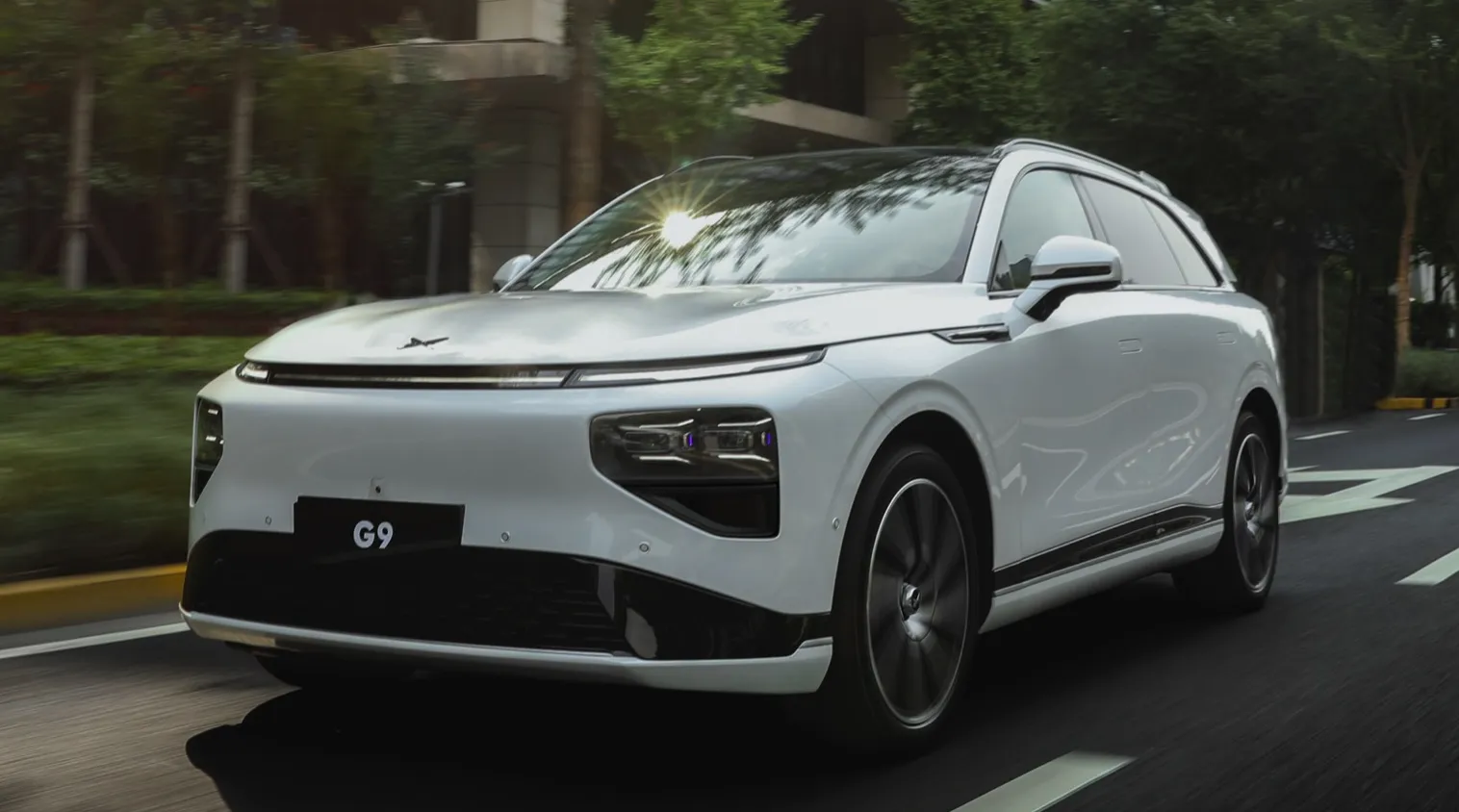
XPENG G9 RWD Long Range
 XPENG
XPENG
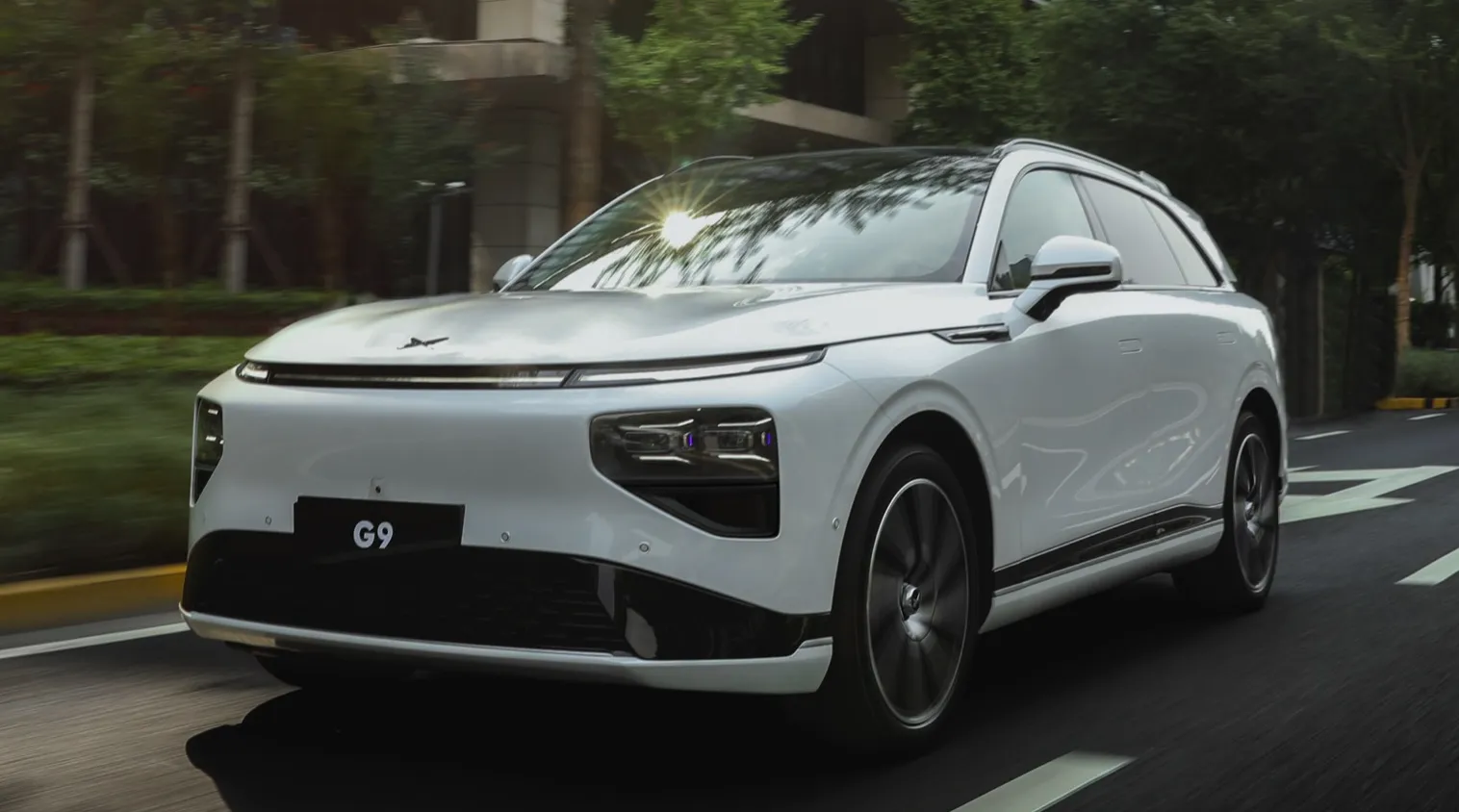
XPENG G9 RWD Standard Range
 XPENG
XPENG