Charging is possible by using a regular wall plug or a charging station. Public charging is always done through a charging station. How fast the EV can charge depends on the charging station (EVSE) used and the maximum charging capacity of the EV. The table below shows all possible options for charging the Smart #1 Brabus. Each option shows how fast the battery can be charged from empty to full.
Europe
Charging an EV in Europe differs by country. Some European countries primarily use 1-phase connections to the grid, while other countries are almost exclusively using a 3-phase connection. The table below shows all possible ways the Smart #1 Brabus can be charged, but some modes of charging might not be widely available in certain countries.
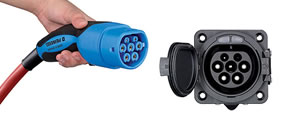
Type 2 (Mennekes - IEC 62196)
Charging Point
Max. Power
Power
Time
Rate
Wall Plug (2.3 kW)
230V / 1x10A
2.3 kW
31h45m
10 km/h
1-phase 16A (3.7 kW)
230V / 1x16A
3.7 kW
19h45m
16 km/h
1-phase 32A (7.4 kW)
230V / 1x32A
7.4 kW
10 hours
33 km/h
3-phase 16A (11 kW)
400V / 3x16A
11 kW
6h45m
48 km/h
3-phase 32A (22 kW)
400V / 3x32A
22 kW †
3h30m
93 km/h
† = Limited by on-board charger, vehicle cannot charge faster.
Fast Charging (10 -> 80%)
Rapid charging enables longer journeys by adding as much range as possible in the shortest amount of time. Charging power will decrease significantly after 80% state-of-charge has been reached. A typical rapid charge therefore rarely exceeds 80% SoC. The rapid charge rate of an EV depends on the charger used and the maximum charging power the EV can handle. The table below shows all details for rapid charging the Smart #1 Brabus.
Max. Power: maximum power provided by charge point
Avg. Power: average power provided by charge point over a session from 10% to 80%
Time: time needed to charge from 10% to 80%
Rate: average charging speed over a session from 10% to 80%
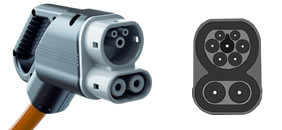
Combined Charging System (CCS Combo 2)
Charging Point
Max. Power
Avg. Power
Time
Rate
CCS (50 kW DC)
50 kW
45 kW †
61 min
220 km/h
CCS (100 kW DC)
100 kW
80 kW †
34 min
400 km/h
CCS (150 kW DC)
150 kW
100 kW †
27 min
500 km/h
CCS (175 kW DC)
150 kW †
100 kW †
27 min
500 km/h
CCS (350 kW DC)
150 kW †
100 kW †
27 min
500 km/h
This vehicle supports Autocharge
This vehicle does not support Plug & Charge
† = Limited by charging capabilities of vehicle
Autocharge: allows for automatic initiation of a charging session at supported CCS charging stations.
Plug & Charge: allows for automatic initiation of a charging session at supported CCS charging stations in accordance with ISO 15118.
Actual charging rates may differ from data shown due to factors like outside temperature, state of the battery and driving style.
Smart Claimed Specifications
The table below shows the claimed specifications from the manufacturer for charging the Smart #1 Brabus. The specifications can differ from the table above for a variety of reasons. If real-world charge tests are available, these differences can be signifcant. If no real-world tests are available, the table above will be based on the manufacturer specifications as per the table below.
Max. Power: maximum charge power during charging session
Charge From: battery percentage (% SoC) where charging session is started
Charge To: battery percentage (% SoC) where charging session is ended
Time: time needed for charging session
Smart Claimed Specifications
Max. Power
Charge From
Charge To
Time
150 kW
10 %
80 %
30 min
Dimensions and Weight
Length
4300 mm
Width
1822 mm
Width with mirrors
2025 mm
Height
1636 mm
Wheelbase
2750 mm
Weight Unladen (EU)
1975 kg
Gross Vehicle Weight (GVWR)
2325 kg
Max. Payload
425 kg
Cargo Volume
313 L
Cargo Volume Max
976 L
Cargo Volume Frunk
15 L
Roof Load
0 kg
Tow Hitch Possible
Yes
Towing Weight Unbraked
750 kg
Towing Weight Braked
1600 kg
Vertical Load Max
75 kg
About this Vehicle
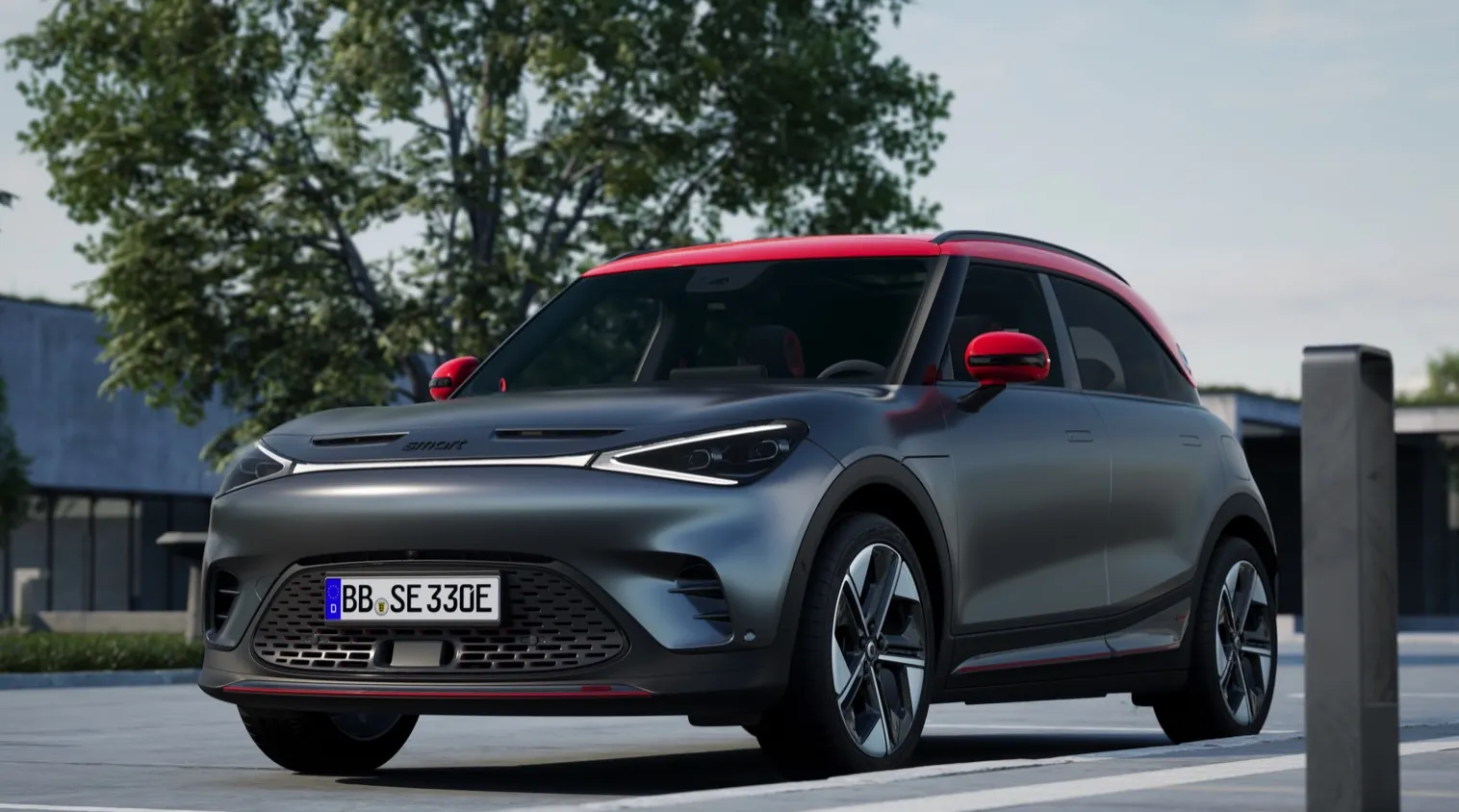
Smart #1 Brabus Overview
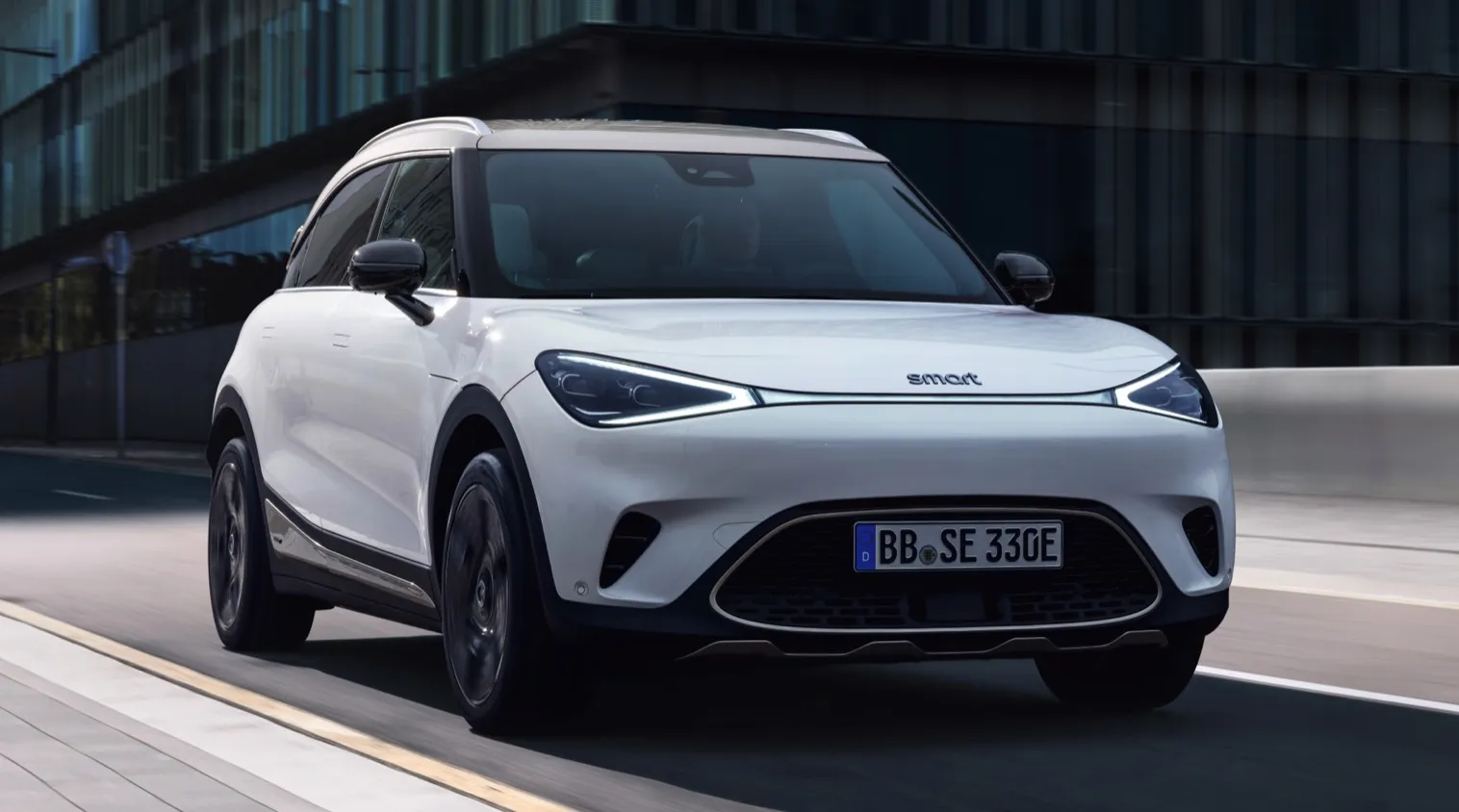
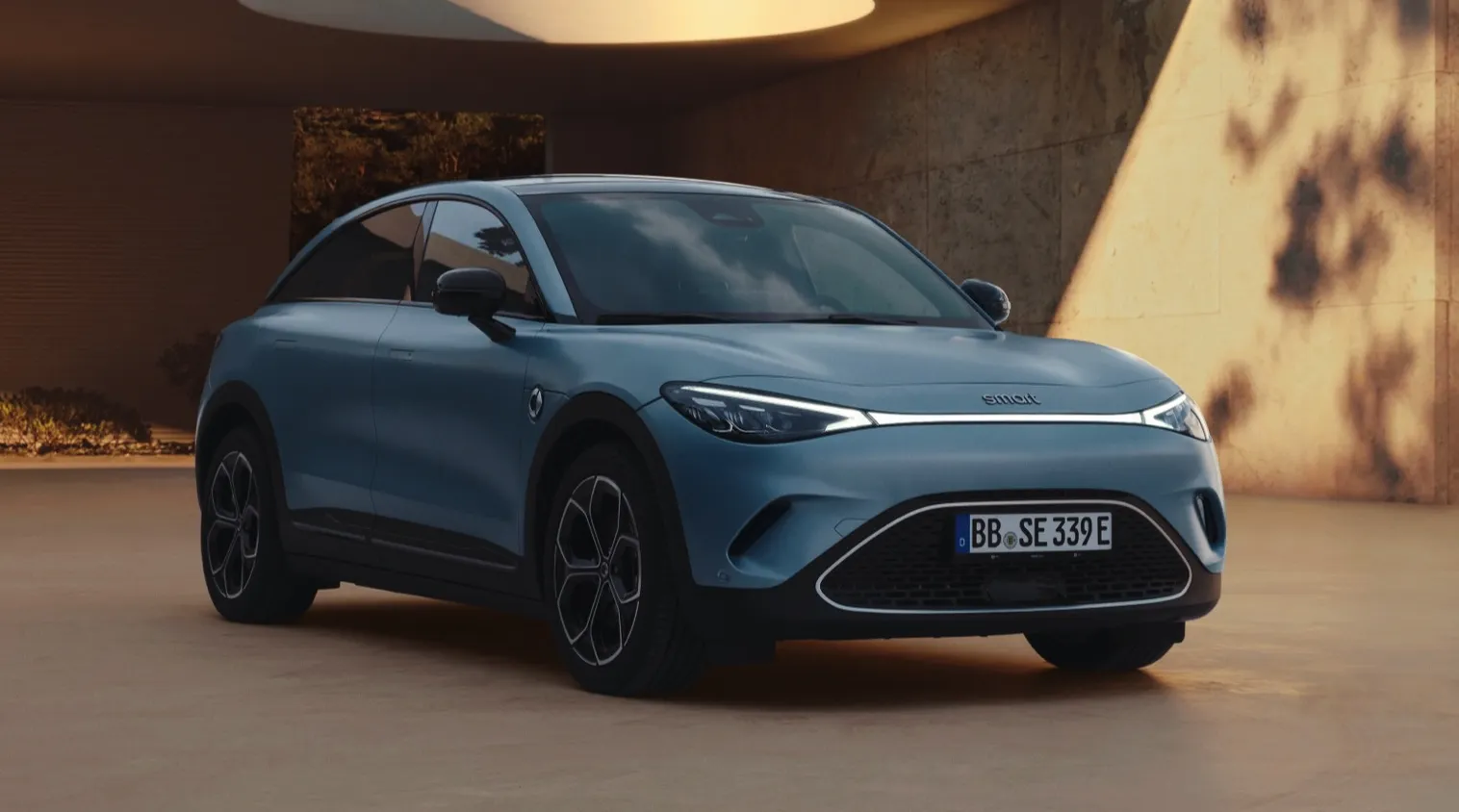
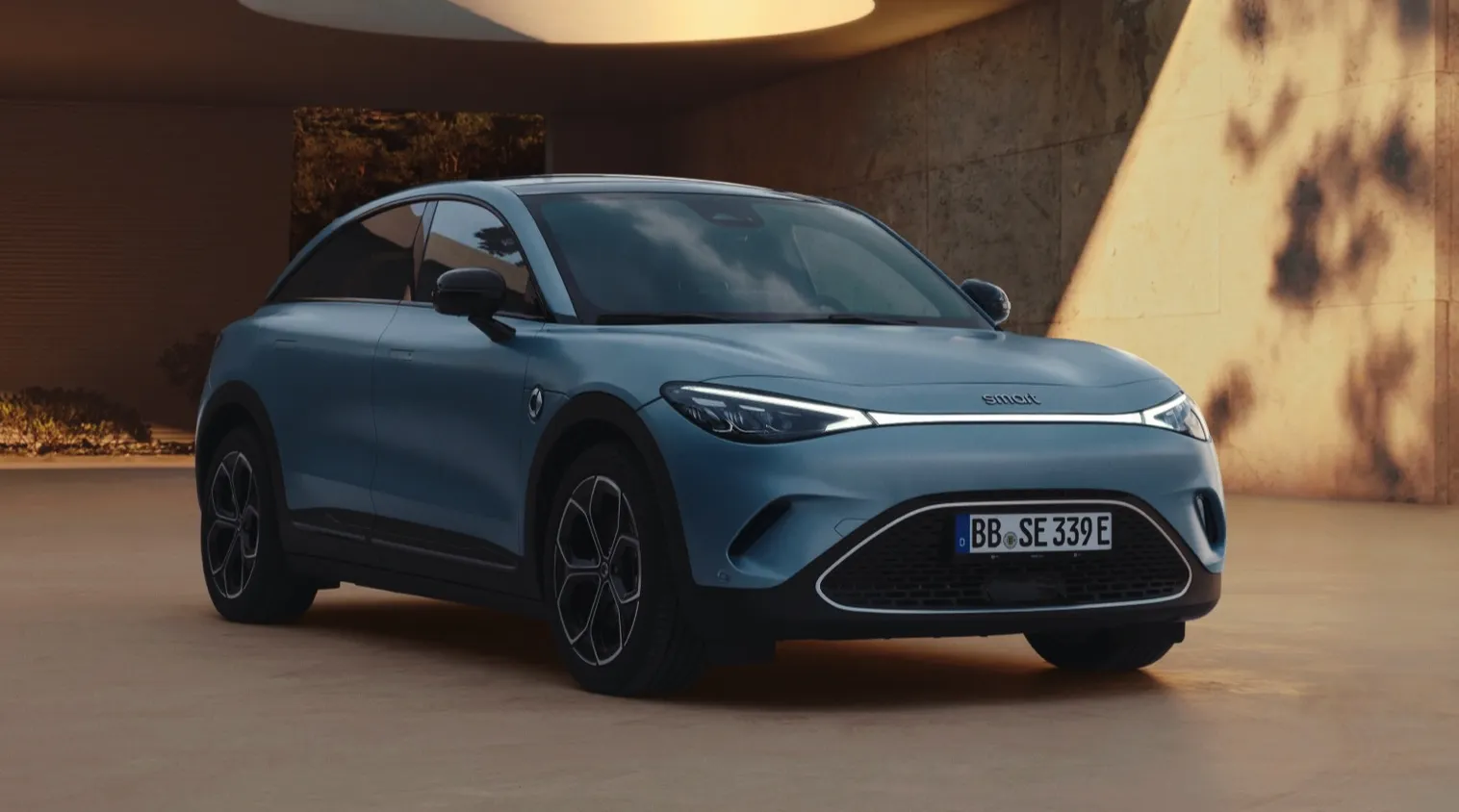
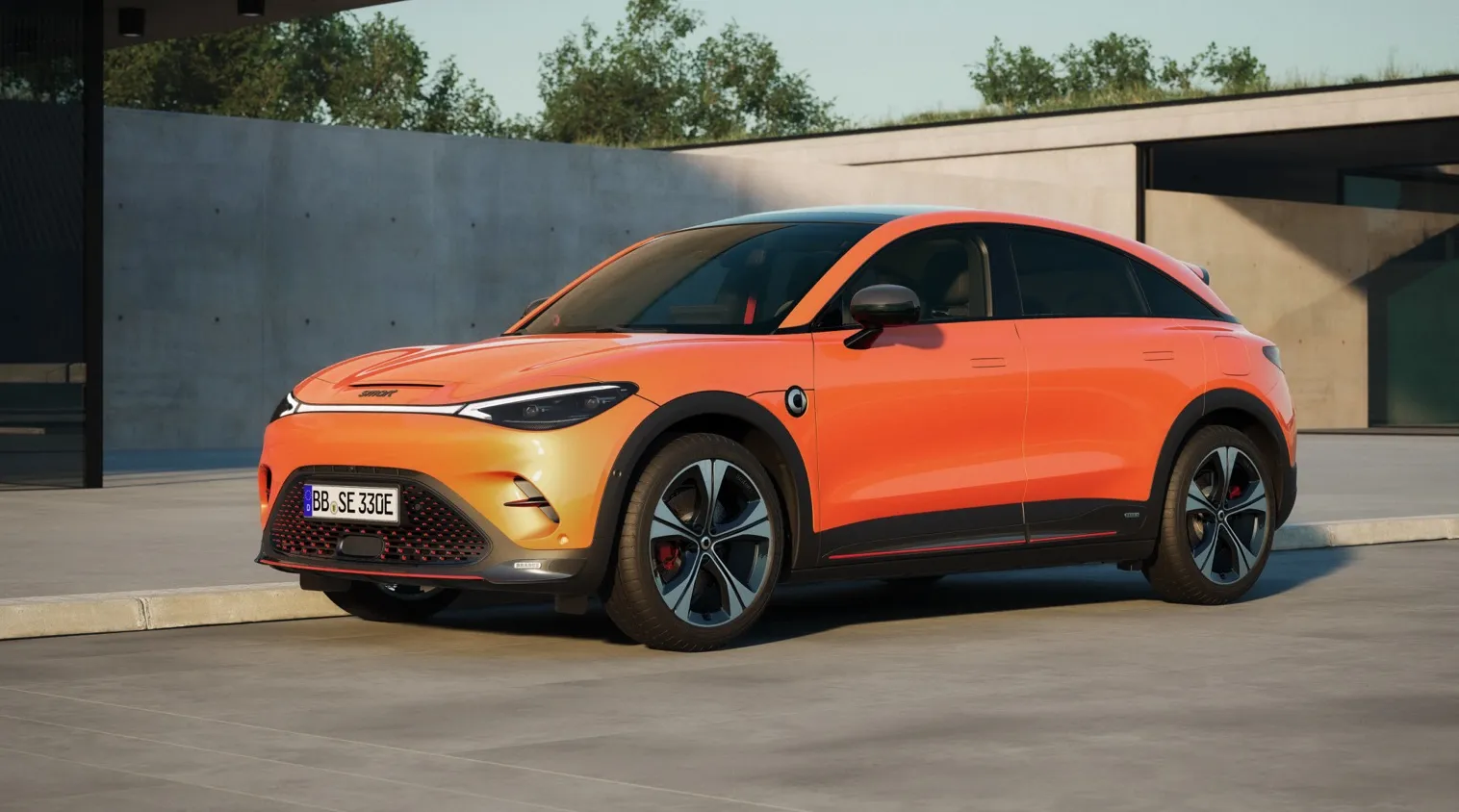
The Smart #1 Brabus represents the pinnacle of the Smart electric SUV lineup, transforming the practical compact crossover into a high-performance pocket rocket through collaboration with legendary German tuning specialist Brabus. This premium electric vehicle targets performance-minded drivers seeking thrilling acceleration and sporty character without sacrificing the practicality of a small SUV. Built on Geely’s advanced SEA2 platform, the Smart #1 Brabus distinguishes itself with dual-motor all-wheel-drive technology, aggressive styling cues, and a power output that rivals vehicles in significantly larger segments. The Brabus variant matters in the EV landscape because it proves that compact electric SUVs can deliver supercar-level acceleration while maintaining everyday usability, appealing to enthusiasts who refuse to compromise on driving dynamics.
The Smart #1 Brabus sits at the premium end of the compact electric SUV market, competing directly with performance variants from established manufacturers. Its positioning as a Brabus-tuned vehicle carries significant prestige, leveraging the tuning firm’s 50-year heritage in automotive performance. This electric SUV combines German engineering excellence with Chinese manufacturing efficiency, offering exceptional value for performance-focused buyers. The model’s 5-seat configuration and 203-liter boot capacity ensure it remains practical for daily driving, while the available 951-liter maximum cargo space with rear seats folded accommodates weekend adventures.
Smart #1 Brabus Performance and Driving Experience
The Smart #1 Brabus delivers extraordinary performance through its dual-motor all-wheel-drive system, accelerating from 0-100 km/h in just 3.9 seconds with a maximum top speed of 180 km/h. The twin-motor setup produces 315 kW (428 hp) of combined power and an impressive 543 Nm of torque, enabling rapid acceleration that surprises drivers accustomed to conventional compact SUVs. The AWD system provides excellent traction and stability, while the sports suspension tuning ensures responsive handling characteristics. Brabus-developed steering wheel controls deliver millimeter-precise steering feedback, enhancing the driving experience during spirited driving. The Smart #1 Brabus offers multiple drive modes—Eco, Comfort, Sport, and Brabus—allowing drivers to customize power delivery and regenerative braking intensity. One-pedal driving capability through blended brakes enables intuitive deceleration control, while the simulated engine sound adds an engaging auditory dimension to the driving experience.
Specification
Value
0-100 km/h (0-62 mph)
3.9 sec
Top Speed
180 km/h / 112 mph
Power Output
315 kW / 428 hp
Torque
543 Nm / 431 lb-ft
Drive Type
All-Wheel Drive (AWD)
Smart #1 Brabus Range and Battery Specifications
The Smart #1 Brabus features a 66 kWh gross battery capacity with 62 kWh usable storage, delivering a WLTP-certified range of 400 km (249 miles). The battery utilizes NMC (Nickel Manganese Cobalt) lithium-ion chemistry with intelligent temperature control management, optimizing performance across varying climate conditions. Real-world range varies between 230-475 km depending on driving style, weather conditions, and terrain, with the Brabus variant consuming approximately 17.9 kWh per 100 km under WLTP test conditions. The battery includes a 4.0 kWh buffer (6.1% of total capacity) for long-term protection and longevity. Energy efficiency remains competitive within the compact electric SUV segment, though the Brabus’s dual-motor system and performance orientation results in slightly higher consumption compared to single-motor variants. Cold weather and aggressive driving reduce range by 15-25%, while highway driving at constant speeds typically achieves better efficiency than city driving.
Range Metric
Value
WLTP Range
400 km / 249 miles
Real-World Range
230-475 km / 143-295 miles
Battery Capacity (Gross)
66 kWh
Battery Capacity (Usable)
62 kWh
Energy Consumption (WLTP)
17.9 kWh/100 km
Smart #1 Brabus Charging Times and Options
The Smart #1 Brabus supports rapid charging through multiple methods, accommodating both home and public charging infrastructure. The onboard charger handles up to 22 kW AC charging, enabling a full 0-100% charge in approximately 2 hours and 49 minutes with a standard 3-phase home setup. DC fast charging reaches 150 kW maximum power, charging from 10-80% in approximately 30 minutes with an average charging speed of 85 kW. The optimal charging window for DC fast charging extends from 5-54% state of charge, delivering the most efficient charging sessions at roughly 21 minutes and 48 seconds. The charge port location on the rear left side provides convenient access at most charging stations. CCS Combo 2 connectors are standard in Europe, while North American markets receive CCS Combo 1 compatibility.
Charging Method
Time
Speed
Level 1 AC (7.4 kW)
~9 hours
7.4 kW
Level 2 AC (22 kW)
~2 hours 49 minutes
22 kW
DC Fast Charge (10-80%)
~30 minutes
150 kW
DC Fast Charge (0-100%)
~81 minutes
150 kW
Smart #1 Brabus vs Competitors
The Smart #1 Brabus competes directly with the Hyundai Ioniq 5 N, BMW iX M60, and Audi Q4 e-tron Quattro S. While the Ioniq 5 N offers slightly more range (480 km WLTP) and comparable acceleration (3.4 seconds 0-100 km/h), the Smart #1 Brabus delivers superior value and more compact dimensions for urban driving. The BMW iX M60 provides more interior space and luxury appointments but costs significantly more and consumes more energy. The Audi Q4 e-tron Quattro S offers similar performance characteristics with a larger interior, though the Smart #1 Brabus’s aggressive styling and Brabus tuning heritage appeal to performance enthusiasts seeking distinctive character. The Smart #1 Brabus’s compact footprint (4,270 mm length) makes it substantially more maneuverable than larger competitors while maintaining impressive performance credentials.
Frequently Asked Questions
The Smart #1 Brabus delivers a WLTP-certified range of 400 km (249 miles), with real-world range varying between 230-475 km depending on driving conditions, weather, and driving style. Cold temperatures and aggressive acceleration reduce range by 15-25%, while highway cruising typically achieves better efficiency.
Home charging with a 22 kW AC charger takes approximately 2 hours and 49 minutes for a full 0-100% charge. DC fast charging from 10-80% requires about 30 minutes, while a complete 0-100% DC charge takes roughly 81 minutes.
Yes, the Smart #1 Brabus features a dual-motor all-wheel-drive system producing 315 kW (428 hp) and 543 Nm of torque. The standard Pro+ and Premium variants use rear-wheel drive with 200 kW power output.
The Brabus variant features dual-motor AWD technology, 315 kW power output (versus 200 kW in other variants), 543 Nm torque, 3.9-second 0-100 km/h acceleration, and Brabus-tuned suspension and steering for enhanced performance and handling characteristics.
The Ioniq 5 N offers slightly more range (480 km WLTP) and faster acceleration (3.4 seconds 0-100 km/h), but the Smart #1 Brabus provides superior maneuverability, lower pricing, and distinctive Brabus tuning heritage. The Ioniq 5 N offers more interior space and luxury features.
The Smart #1 Brabus excels for performance-focused drivers seeking thrilling acceleration, responsive handling, and distinctive styling in a compact package. Its 400 km WLTP range suits daily commuting and weekend trips, while rapid DC charging enables convenient long-distance travel. The main limitation is its smaller interior compared to larger electric SUVs.> The Smart #1 Brabus is a high-performance compact electric SUV delivering 315 kW (428 hp), 3.9-second 0-100 km/h acceleration, and 400 km WLTP range through dual-motor all-wheel-drive technology. Co-developed with legendary tuning specialist Brabus, this premium EV combines German performance engineering with practical compact dimensions, offering exceptional value for enthusiasts seeking supercar-level acceleration in an everyday-usable package.


 Smart
Smart
 Smart
Smart
 Smart
Smart
 Smart
Smart