

Polestar 2 Long Range Single Motor
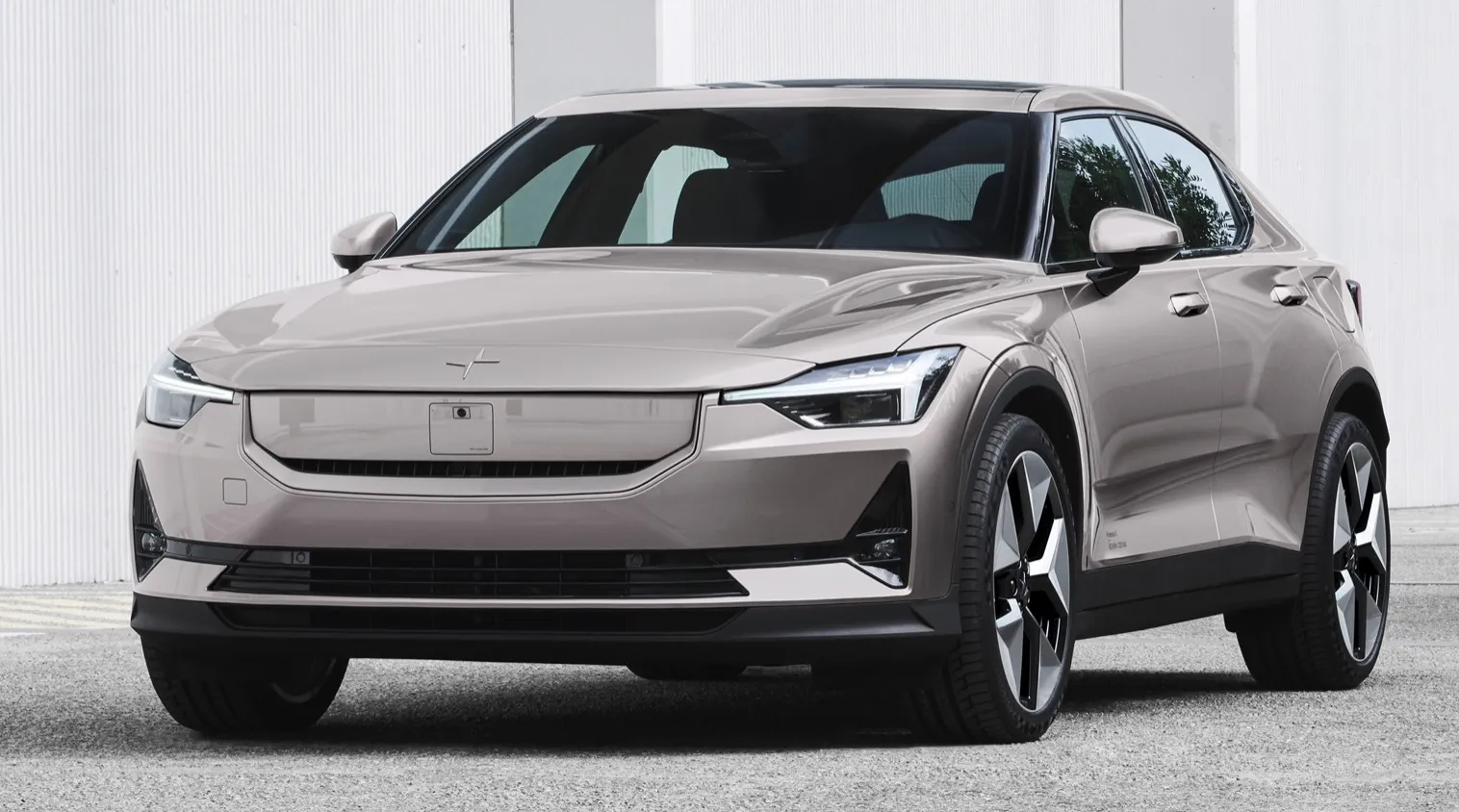
Key Specifications
Real Range Estimation
| City - Cold Weather * | 455 km |
| Highway - Cold Weather * | 340 km |
| Combined - Cold Weather * | 400 km |
between 340 - 690 km
| City - Mild Weather * | 690 km |
| Highway - Mild Weather * | 445 km |
| Combined - Mild Weather * | 550 km |
Battery
| Nominal Capacity | 82.0 kWh |
| Battery Type | Lithium-ion |
| Number of Cells | 324 |
| Architecture | 400 V |
| Warranty Period | 8 years |
| Warranty Mileage | 160,000 km |
| Useable Capacity | 79.0 kWh |
| Cathode Material | NCM |
| Pack Configuration | 108s3p |
| Nominal Voltage | 400 V |
| Form Factor | Pouch |
| Name / Reference | No Data |
Performance
| Acceleration 0 - 100 km/h | 6.2 sec |
| Top Speed | 205 km/h |
| Electric Range * | 475 km |
| Total Power | 220 kW (299 PS) |
| Total Torque | 490 Nm |
| Drive | Rear |
Home and Destination Charging (0 -> 100%)
Charging is possible by using a regular wall plug or a charging station. Public charging is always done through a charging station. How fast the EV can charge depends on the charging station (EVSE) used and the maximum charging capacity of the EV. The table below shows all possible options for charging the Polestar 2 Long Range Single Motor. Each option shows how fast the battery can be charged from empty to full.
Europe
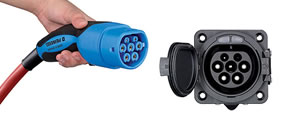
Charging an EV in Europe differs by country. Some European countries primarily use 1-phase connections to the grid, while other countries are almost exclusively using a 3-phase connection. The table below shows all possible ways the Polestar 2 Long Range Single Motor can be charged, but some modes of charging might not be widely available in certain countries.
| Type 2 (Mennekes - IEC 62196) |
|---|
 |
| Charging Point | Max. Power | Power | Time | Rate |
|---|---|---|---|---|
| Wall Plug (2.3 kW) | 230V / 1x10A | 2.3 kW | 40h30m | 12 km/h |
| 1-phase 16A (3.7 kW) | 230V / 1x16A | 3.7 kW | 25h15m | 19 km/h |
| 1-phase 32A (7.4 kW) | 230V / 1x32A | 7.4 kW | 12h45m | 37 km/h |
| 3-phase 16A (11 kW) | 400V / 3x16A | 11 kW | 8h30m | 56 km/h |
| 3-phase 32A (22 kW) | 400V / 3x16A | 11 kW † | 8h30m | 56 km/h |
† = Limited by on-board charger, vehicle cannot charge faster.
Fast Charging (10 -> 80%)
Rapid charging enables longer journeys by adding as much range as possible in the shortest amount of time. Charging power will decrease significantly after 80% state-of-charge has been reached. A typical rapid charge therefore rarely exceeds 80% SoC. The rapid charge rate of an EV depends on the charger used and the maximum charging power the EV can handle. The table below shows all details for rapid charging the Polestar 2 Long Range Single Motor.
- Max. Power: maximum power provided by charge point
- Avg. Power: average power provided by charge point over a session from 10% to 80%
- Time: time needed to charge from 10% to 80%
- Rate: average charging speed over a session from 10% to 80%
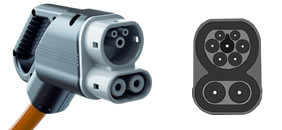
| Combined Charging System (CCS Combo 2) |
|---|
 |
| Charging Point | Max. Power | Avg. Power | Time | Rate |
|---|---|---|---|---|
| CCS (50 kW DC) | 50 kW | 50 kW | 70 min | 280 km/h |
| CCS (100 kW DC) | 100 kW | 85 kW † | 41 min | 480 km/h |
| CCS (150 kW DC) | 150 kW | 105 kW † | 33 min | 600 km/h |
| CCS (175 kW DC) | 175 kW | 115 kW † | 30 min | 660 km/h |
| CCS (350 kW DC) | 205 kW † | 125 kW † | 28 min | 710 km/h |
| This vehicle supports Autocharge |
|---|
| This vehicle does not support Plug & Charge |
† = Limited by charging capabilities of vehicle
Autocharge: allows for automatic initiation of a charging session at supported CCS charging stations.
Plug & Charge: allows for automatic initiation of a charging session at supported CCS charging stations in accordance with ISO 15118.
Actual charging rates may differ from data shown due to factors like outside temperature, state of the battery and driving style.
Polestar Claimed Specifications
The table below shows the claimed specifications from the manufacturer for charging the Polestar 2 Long Range Single Motor. The specifications can differ from the table above for a variety of reasons. If real-world charge tests are available, these differences can be signifcant. If no real-world tests are available, the table above will be based on the manufacturer specifications as per the table below.
- Max. Power: maximum charge power during charging session
- Charge From: battery percentage (% SoC) where charging session is started
- Charge To: battery percentage (% SoC) where charging session is ended
- Time: time needed for charging session
| Polestar Claimed Specifications |
|---|
| Max. Power | Charge From | Charge To | Time |
|---|---|---|---|
| 205 kW | 10 % | 80 % | 28 min |
Dimensions and Weight
| Length | 4606 mm |
| Width | 1859 mm |
| Width with mirrors | 1985 mm |
| Height | 1479 mm |
| Wheelbase | 2735 mm |
| Weight Unladen (EU) * | 2075 kg |
| Gross Vehicle Weight (GVWR) | No Data |
| Max. Payload | No Data |
| Cargo Volume | 407 L |
| Cargo Volume Max | 1097 L |
| Cargo Volume Frunk | 41 L |
| Roof Load | 75 kg |
| Tow Hitch Possible | Yes |
| Towing Weight Unbraked | 750 kg |
| Towing Weight Braked | 1500 kg |
| Vertical Load Max | 90 kg |
About this Vehicle
# Polestar 2 Long Range Single Motor: Premium Swedish EV Performance
Polestar 2 Long Range Single Motor Overview
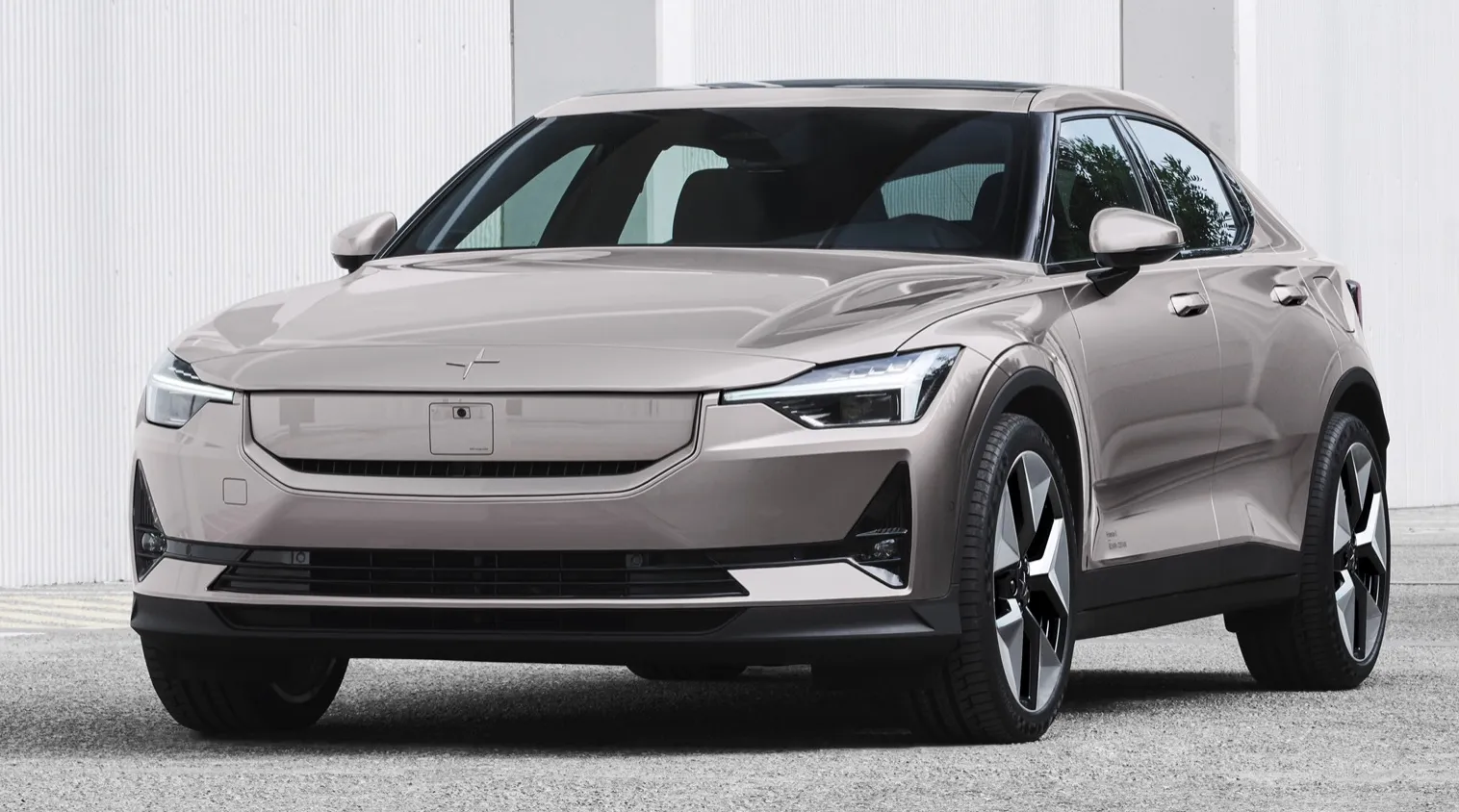
The Polestar 2 Long Range Single Motor represents a compelling entry point into Polestar’s performance-focused electric vehicle lineup. This rear-wheel-drive sedan combines Swedish design heritage with cutting-edge EV technology, positioning itself as a premium alternative to mainstream electric vehicles. The Long Range Single Motor variant targets drivers seeking a balance between affordability and performance, without the added complexity and cost of dual-motor all-wheel drive.
The Polestar 2 distinguishes itself through its minimalist Scandinavian design philosophy, responsive handling characteristics, and advanced infotainment systems. Built on Volvo’s modular platform, the Polestar 2 Long Range Single Motor delivers 299 horsepower and 361 lb-ft of torque from its single rear-mounted electric motor. This configuration makes the Polestar 2 an ideal choice for drivers prioritizing efficiency without sacrificing the engaging driving dynamics that define the Polestar brand.
In the competitive EV landscape, the Polestar 2 Long Range Single Motor matters because it offers genuine performance credentials at a more accessible price point than dual-motor variants. The model appeals to tech-savvy buyers who value Scandinavian minimalism, over-the-air software updates, and a direct-to-consumer sales approach that eliminates traditional dealership markups.
Polestar 2 Long Range Single Motor Performance and Driving Experience
The Polestar 2 Long Range Single Motor delivers responsive acceleration with a 5.9-second 0-60 mph time, providing adequate performance for daily driving and highway merging. The single rear motor produces linear power delivery without the complexity of dual-motor torque vectoring, resulting in predictable handling characteristics that reward smooth driving inputs. The Polestar 2 features a four-wheel independent suspension with front and rear stabilizer bars, contributing to composed cornering and a planted feel through technical sections.
Real-world driving impressions reveal that the Polestar 2 Long Range Single Motor excels in efficiency-focused scenarios while maintaining engaging dynamics. The rear-wheel-drive configuration provides natural balance, though drivers should note that winter driving may require careful throttle management. The Polestar 2 benefits from regenerative braking that captures energy during deceleration, extending range and reducing brake wear.
| Specification | Value |
|---|---|
| 0-60 mph (0-100 km/h) | 5.9 sec |
| Top Speed | 127 mph / 205 km/h |
| Power Output | 299 hp / 220 kW |
| Torque | 361 lb-ft / 490 Nm |
Polestar 2 Long Range Single Motor Range and Battery Specifications
The Polestar 2 Long Range Single Motor achieves an EPA-estimated range of 320 miles, with real-world testing by Edmunds confirming 362 miles under controlled conditions. The WLTP rating reaches 659 kilometers (409 miles), reflecting European testing standards that often yield higher figures than EPA methodology. The Polestar 2 utilizes an 82 kWh usable battery capacity, delivering approximately 23.8-25.4 kWh per 100 miles of efficiency.
Range performance varies significantly based on driving conditions, ambient temperature, and driving style. The Polestar 2 Long Range Single Motor includes a heat pump as standard equipment, which preserves battery charge by utilizing waste thermal energy from the motor and battery rather than drawing from the battery pack for cabin heating. Cold weather reduces range by approximately 20-30%, while highway driving at sustained speeds diminishes efficiency compared to mixed urban-suburban driving patterns.
| Range Metric | Value |
|---|---|
| WLTP Range | 659 km / 409 miles |
| EPA Range | 320 miles |
| Real-World Range (Edmunds) | 362 miles |
| Battery Capacity | 82 kWh (usable) |
| Energy Efficiency | 23.8-25.4 kWh/100 mi |
Polestar 2 Long Range Single Motor Charging Times and Options
Home charging with a Level 2 (240V/7kW) connection requires approximately 11-12 hours to fully charge the Polestar 2 Long Range Single Motor from empty. A higher-capacity 11kW Level 2 charger reduces charging time to approximately 7-8 hours. DC fast charging represents the most practical option for road trips, with the Polestar 2 accepting up to 116 kW peak charging power, achieving 10-80% charge in approximately 35 minutes.
The Polestar 2 Long Range Single Motor features a SAE Combo fast-charge port compatible with most North American DC fast-charging networks. Polestar provides access to multiple charging networks through its integrated navigation system, which calculates optimal charging stops for long-distance travel. For daily commuting, home Level 2 charging overnight ensures the Polestar 2 starts each day with a full battery.
| Charging Method | Time | Speed |
|---|---|---|
| Level 1 (120V) | 40+ hours | ~1.4 kW |
| Level 2 (240V/7kW) | 11-12 hours | 7 kW |
| Level 2 (240V/11kW) | 7-8 hours | 11 kW |
| DC Fast Charge (10-80%) | 35 minutes | up to 116 kW |
Polestar 2 Long Range Single Motor vs Competitors
The Polestar 2 Long Range Single Motor competes directly with the Tesla Model 3 Long Range, BMW i4 eDrive40, and Hyundai Ioniq 6 Standard Range. Compared to the Tesla Model 3, the Polestar 2 offers superior interior design and build quality, though the Model 3 provides marginally better range and access to Tesla’s Supercharger network. Against the BMW i4, the Polestar 2 Long Range Single Motor delivers comparable performance at a lower price point, with simpler infotainment and direct-to-consumer sales eliminating dealer negotiations. The Hyundai Ioniq 6 undercuts the Polestar 2 on price but sacrifices the premium interior ambiance and performance credentials that define the Polestar 2 experience.
Frequently Asked Questions
Related Vehicles
View All Polestar
Polestar 3 Long Range Single motor
 Polestar
Polestar 2 Standard Range Single Motor
 Polestar
Polestar 3 Long Range Dual motor
 Polestar