

Mercedes-Benz EQE SUV 300
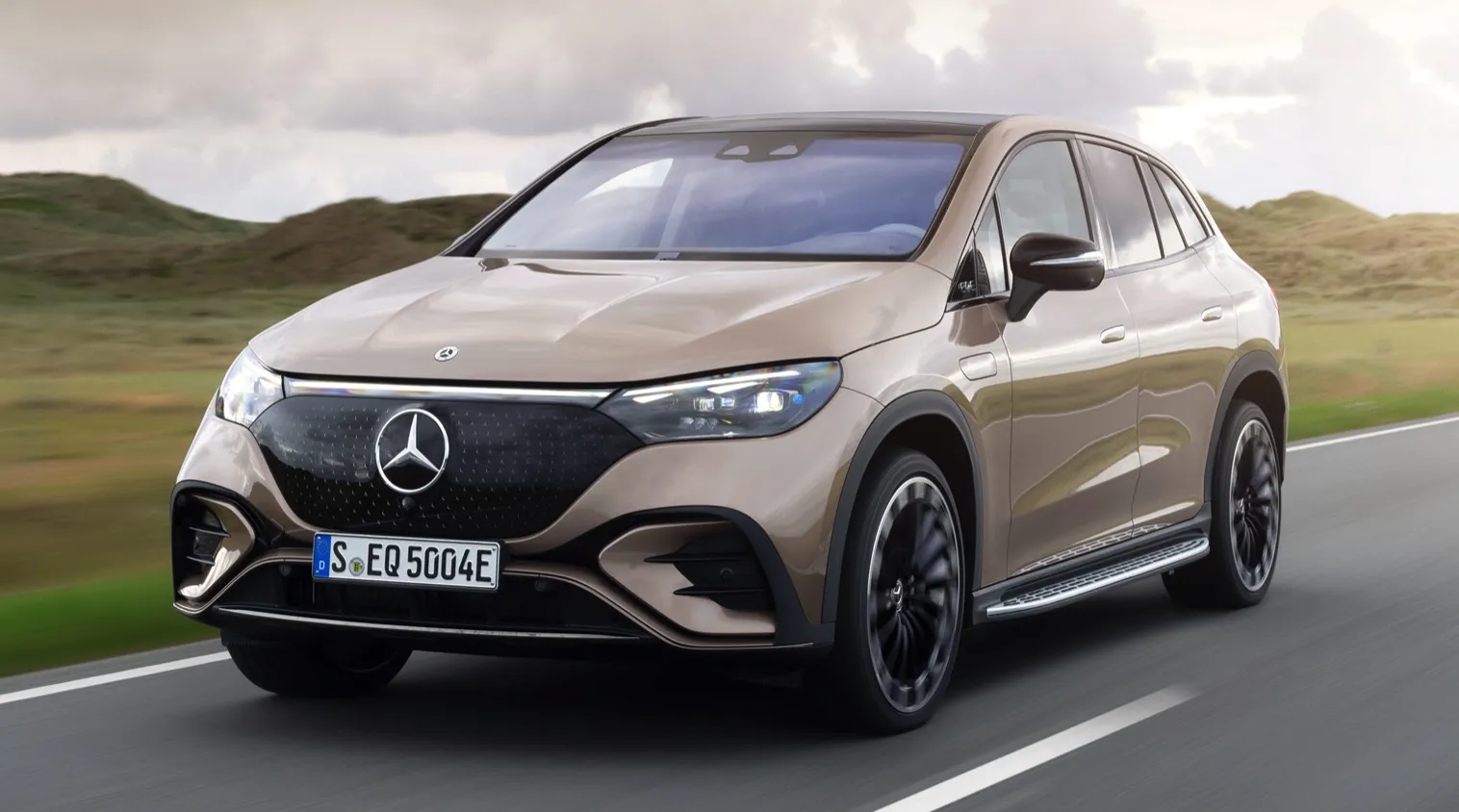
Key Specifications
Real Range Estimation
| City - Cold Weather * | 445 km |
| Highway - Cold Weather * | 325 km |
| Combined - Cold Weather * | 385 km |
between 325 - 645 km
| City - Mild Weather * | 645 km |
| Highway - Mild Weather * | 415 km |
| Combined - Mild Weather * | 515 km |
Battery
| Nominal Capacity* | 100.0 kWh |
| Battery Type | Lithium-ion |
| Number of Cells | No Data |
| Architecture | 400 V |
| Warranty Period | No Data |
| Warranty Mileage | No Data |
| Useable Capacity | 90.6 kWh |
| Cathode Material | No Data |
| Pack Configuration | No Data |
| Nominal Voltage | No Data |
| Form Factor | No Data |
| Name / Reference | No Data |
Performance
| Acceleration 0 - 100 km/h | 7.6 sec |
| Top Speed | 210 km/h |
| Electric Range * | 450 km |
| Total Power | 180 kW (245 PS) |
| Total Torque | 550 Nm |
| Drive | Rear |
Home and Destination Charging (0 -> 100%)
Charging is possible by using a regular wall plug or a charging station. Public charging is always done through a charging station. How fast the EV can charge depends on the charging station (EVSE) used and the maximum charging capacity of the EV. The table below shows all possible options for charging the Mercedes-Benz EQE SUV 300. Each option shows how fast the battery can be charged from empty to full.
Europe
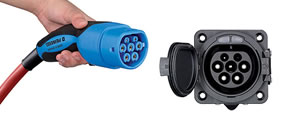
Charging an EV in Europe differs by country. Some European countries primarily use 1-phase connections to the grid, while other countries are almost exclusively using a 3-phase connection. The table below shows all possible ways the Mercedes-Benz EQE SUV 300 can be charged, but some modes of charging might not be widely available in certain countries.
| Type 2 (Mennekes - IEC 62196) |
|---|
 |
| Charging Point | Max. Power | Power | Time | Rate |
|---|---|---|---|---|
| Standard 11.0 kW On-Board Charger | ||||
| Wall Plug (2.3 kW) | 230V / 1x10A | 2.3 kW | 46h30m | 10 km/h |
| 1-phase 16A (3.7 kW) | 230V / 1x16A | 3.7 kW | 29 hours | 16 km/h |
| 1-phase 32A (7.4 kW) | 230V / 1x32A | 7.4 kW | 14h30m | 31 km/h |
| 3-phase 16A (11 kW) | 400V / 3x16A | 11 kW | 9h45m | 46 km/h |
| 3-phase 32A (22 kW) | 400V / 3x16A | 11 kW † | 9h45m | 46 km/h |
| Optional 22.0kW On-Board Charger | ||||
| Wall Plug (2.3 kW) | 230V / 1x10A | 2.3 kW | 46h30m | 10 km/h |
| 1-phase 16A (3.7 kW) | 230V / 1x16A | 3.7 kW | 29 hours | 16 km/h |
| 1-phase 32A (7.4 kW) | 230V / 1x32A | 7.4 kW | 14h30m | 31 km/h |
| 3-phase 16A (11 kW) | 400V / 3x16A | 11 kW | 9h45m | 46 km/h |
| 3-phase 32A (22 kW) | 400V / 3x32A | 22 kW † | 5 hours | 90 km/h |
† = Limited by on-board charger, vehicle cannot charge faster.
Fast Charging (10 -> 80%)
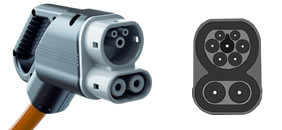
Rapid charging enables longer journeys by adding as much range as possible in the shortest amount of time. Charging power will decrease significantly after 80% state-of-charge has been reached. A typical rapid charge therefore rarely exceeds 80% SoC. The rapid charge rate of an EV depends on the charger used and the maximum charging power the EV can handle. The table below shows all details for rapid charging the Mercedes-Benz EQE SUV 300.
- Max. Power: maximum power provided by charge point
- Avg. Power: average power provided by charge point over a session from 10% to 80%
- Time: time needed to charge from 10% to 80%
- Rate: average charging speed over a session from 10% to 80%
| Combined Charging System (CCS Combo 2) |
|---|
 |
| Charging Point | Max. Power | Avg. Power | Time | Rate |
|---|---|---|---|---|
| CCS (50 kW DC) | 50 kW | 50 kW | 80 min | 230 km/h |
| CCS (100 kW DC) | 100 kW | 90 kW † | 45 min | 420 km/h |
| CCS (150 kW DC) | 150 kW | 125 kW † | 32 min | 590 km/h |
| CCS (175 kW DC) | 173 kW † | 141 kW † | 28 min | 670 km/h |
| CCS (350 kW DC) | 173 kW † | 141 kW † | 28 min | 670 km/h |
| This vehicle supports Autocharge |
|---|
| This vehicle supports Plug & Charge |
† = Limited by charging capabilities of vehicle
Autocharge: allows for automatic initiation of a charging session at supported CCS charging stations.
Plug & Charge: allows for automatic initiation of a charging session at supported CCS charging stations in accordance with ISO 15118.
Actual charging rates may differ from data shown due to factors like outside temperature, state of the battery and driving style.
Mercedes-Benz Claimed Specifications
The table below shows the claimed specifications from the manufacturer for charging the Mercedes-Benz EQE SUV 300. The specifications can differ from the table above for a variety of reasons. If real-world charge tests are available, these differences can be signifcant. If no real-world tests are available, the table above will be based on the manufacturer specifications as per the table below.
- Max. Power: maximum charge power during charging session
- Charge From: battery percentage (% SoC) where charging session is started
- Charge To: battery percentage (% SoC) where charging session is ended
- Time: time needed for charging session
| Mercedes-Benz Claimed Specifications |
|---|
| Max. Power | Charge From | Charge To | Time |
|---|---|---|---|
| 170 kW | 10 % | 80 % | 32 min |
Dimensions and Weight
| Length | 4863 mm |
| Width | 1940 mm |
| Width with mirrors | 2141 mm |
| Height | 1685 mm |
| Wheelbase | 3030 mm |
| Weight Unladen (EU) | 2440 kg |
| Gross Vehicle Weight (GVWR) | 2995 kg |
| Max. Payload | 630 kg |
| Cargo Volume | 520 L |
| Cargo Volume Max | 1675 L |
| Cargo Volume Frunk | 0 L |
| Roof Load | 100 kg |
| Tow Hitch Possible | Yes |
| Towing Weight Unbraked | 750 kg |
| Towing Weight Braked | 750 kg |
| Vertical Load Max | No Data |
About this Vehicle
Mercedes-Benz EQE SUV 300 Overview
The Mercedes-Benz EQE SUV 300 positions itself as a premium midsize Mercedes electric SUV, aimed at buyers who want luxury-brand refinement with efficient electric performance rather than outright speed. As an entry-level powertrain in the EQE SUV lineup, it targets families and business users looking for a practical, high-tech EV with a familiar Mercedes-Benz feel, elevated driving position, and strong safety and comfort credentials. This model slots beneath the more powerful dual-motor variants, focusing on value and efficiency while still delivering a genuine luxury experience.
Built on Mercedes’ dedicated EVA electric platform shared with other EQ models, the EQE SUV 300 emphasizes refinement, quietness, and advanced driver assistance. Inside, it offers the brand’s latest MBUX infotainment with a large central display, premium materials, and thoughtful storage, making it ideal for daily commuting and longer trips. In the broader EV landscape, the Mercedes-Benz EQE SUV 300 matters because it gives buyers a more accessible entry into the EQE SUV range while still offering competitive EV specs, solid electric vehicle range, and access to growing fast‑charging networks, positioning it as a compelling alternative to mainstream and premium rivals.
—
Mercedes-Benz EQE SUV 300 Performance and Driving Experience
The EQE SUV 300 uses a single electric motor with output similar to the EQE 320+ base configuration, delivering around 235–315 hp and robust torque for smooth, confident acceleration in everyday driving. Manufacturer figures for the comparable EQE SUV list 0–60 mph in 6.2 seconds, which translates into brisk real‑world performance that will feel more than adequate for merging, passing, and highway cruising. Power delivery is instant and linear, typical of a modern EV, and drive modes like Eco, Comfort, and Sport tailor throttle response and suspension behavior for different conditions.
Handling leans toward comfort rather than sport, with a compliant suspension tuned to isolate occupants from rough surfaces. The EQE SUV platform offers rear‑motor rear‑wheel drive on entry models and 4MATIC all‑wheel drive on higher trims, with the RWD setup emphasizing efficiency and a relaxed, balanced feel, while AWD variants add traction and stronger acceleration. In real‑world driving, the Mercedes-Benz EQE SUV 300 prioritizes refinement, quiet cabin operation, and easy drivability over aggressive cornering, making it well‑suited to urban use, commuting, and long-distance touring.
| Specification | Value |
|---|---|
| 0-60 mph (0-100 km/h) | 6.2 sec (manufacturer est.) |
| Top Speed | 130 mph / 209 km/h (gov. limited, typical EQE SUV) |
| Power Output | ~235–315 hp / ~175–235 kW |
| Torque | ~416–564 lb-ft / ~564–764 Nm |
—
Mercedes-Benz EQE SUV 300 Range and Battery Specifications
Official data for comparable EQE SUV variants show an EPA range of 253–270 miles, depending on battery size and drivetrain. The Mercedes-Benz EQE SUV 300 WLTP range is likely slightly higher than EPA figures, as WLTP is generally more optimistic, with ratings in the 270–300‑mile band plausible for a single‑motor, efficiency‑focused configuration. Real‑world range typically lands between 230–260 miles for similar EQE SUV models, depending on speed, temperature, and driving style.
Battery capacity in the EQE SUV range is 90.5–96.0 kWh, using liquid‑cooled lithium‑ion chemistry. The 4MATIC versions use a 90.5‑kWh pack rated at 253 miles EPA, while rear‑drive EQE SUV models with a 96‑kWh battery reach 270 miles EPA in manufacturer data. Energy efficiency is around 42 kWh/100 mi (about 240–260 Wh/km) for dual‑motor variants, with single‑motor models typically doing slightly better. Drivers should expect noticeable range variation based on highway speeds, winter temperatures, use of climate control, and hilly terrain, but the EQE SUV 300’s real‑world range will generally cover most daily and weekly needs with ease.
| Range Metric | Value |
|---|---|
| WLTP Range | ~280–300 miles / ~450–480 km (est., market dependent) |
| EPA Range | 253–270 miles / 407–435 km (similar EQE SUV configs) |
| Real-World Range | ~230–260 miles / ~370–420 km (mixed driving) |
| Battery Capacity | 90.5–96.0 kWh (usable) |
—
Mercedes-Benz EQE SUV 300 Charging Times and Options
For home charging, the Mercedes-Benz EQE SUV 300 supports AC charging up to around 9.6–11 kW on a 240V Level 2 wallbox. At this rate, a full charge from empty typically takes about 9–11 hours, aligning with EPA data of roughly 10.75 hours at 240V for similar EQE SUV trims. This makes overnight charging the most convenient option for most owners, ensuring the vehicle is ready each morning with a full battery.
On the road, the EQE SUV platform supports DC fast charging up to about 170 kW, allowing a 10–80% charge in around 30–35 minutes under ideal conditions. Real-world tests show an average DC fast-charge rate of about 115 kW from 10–90% taking roughly 40–45 minutes. The EQE SUV lineup now also includes compatibility with Tesla Superchargers via a supplied NACS adapter in some markets, expanding high-speed charging options. In practical terms, a brief coffee stop can restore 150–200 miles of range, making long trips in the EQE SUV 300 straightforward with basic planning.
| Charging Method | Time | Speed |
|---|---|---|
| Level 1 (120V) | ~36–48 hours (0–100%) | ~1.4–2 kW |
| Level 2 (240V/7kW) | ~13–15 hours (0–100%) | ~7 kW |
| Level 2 (240V/11kW) | ~9–11 hours (0–100%) | ~11 kW |
| DC Fast Charge (10-80%) | ~30–35 min | up to ~170 kW |
—
Mercedes-Benz EQE SUV 300 vs Competitors
In the premium midsize EV segment, the Mercedes-Benz EQE SUV 300 competes directly with the Tesla Model Y Long Range, BMW iX xDrive40/xDrive50, and Audi Q4 e-tron. Compared with EQE SUV 300 vs Tesla Model Y, the Tesla generally offers slightly longer range and faster charging, but the Mercedes counters with a more luxurious interior, quieter ride, and stronger perceived build quality. Against the BMW iX, the EQE SUV 300 is smaller and lighter, with more accessible pricing and a more conventional cabin layout, while the BMW pushes bolder design and higher-performance variants. In an EQE SUV 300 comparison with the Audi Q4 e-tron, the Mercedes typically offers a more upscale interior, larger battery options, and more advanced driver assistance, making it a strong choice for buyers who prioritize comfort and brand prestige over headline acceleration.
—
Frequently Asked Questions
Related Vehicles
View All Mercedes-Benz
Mercedes-Benz EQA 300 4MATIC
 Mercedes-Benz
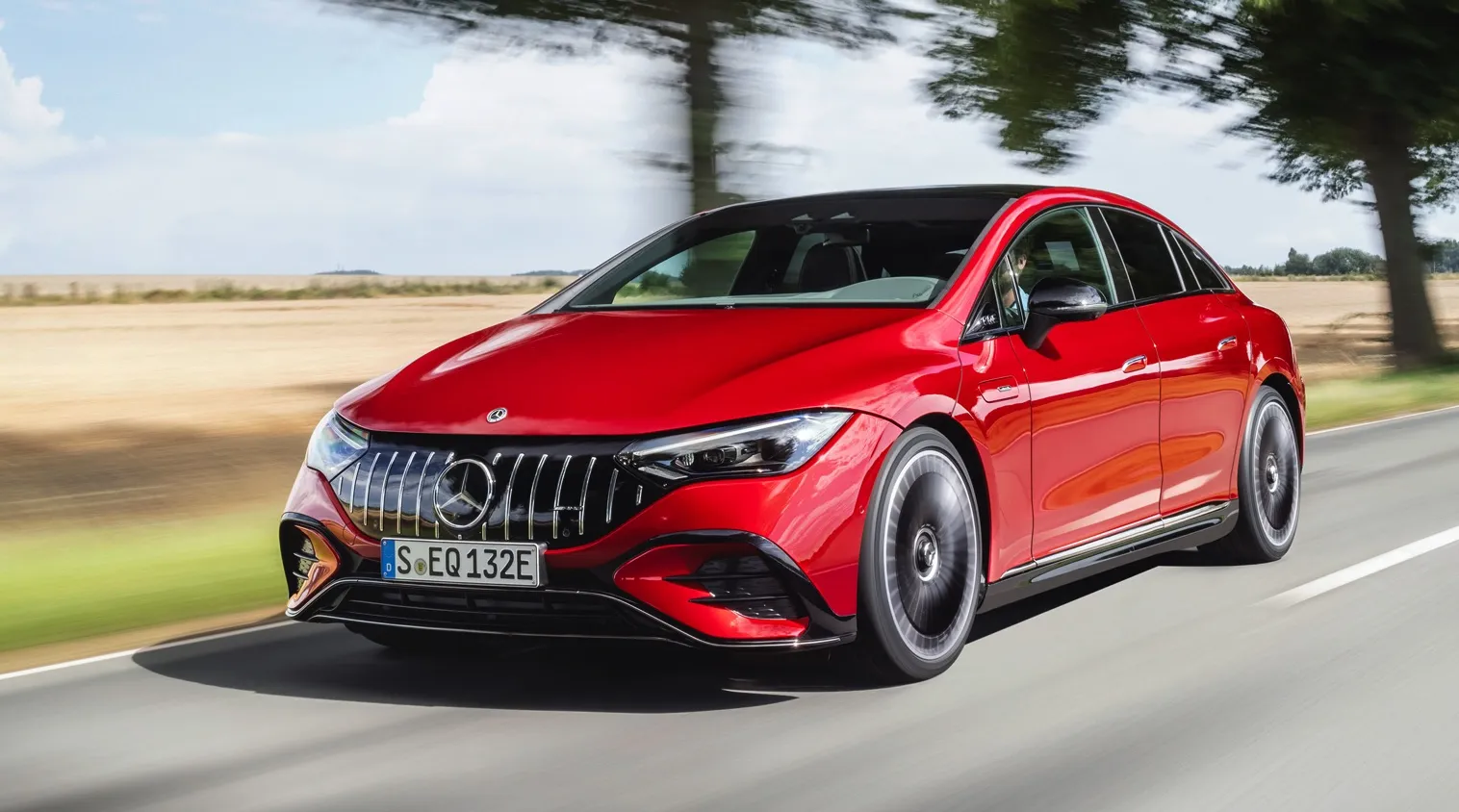
Mercedes-Benz EQE AMG 43 4MATIC
 Mercedes-Benz
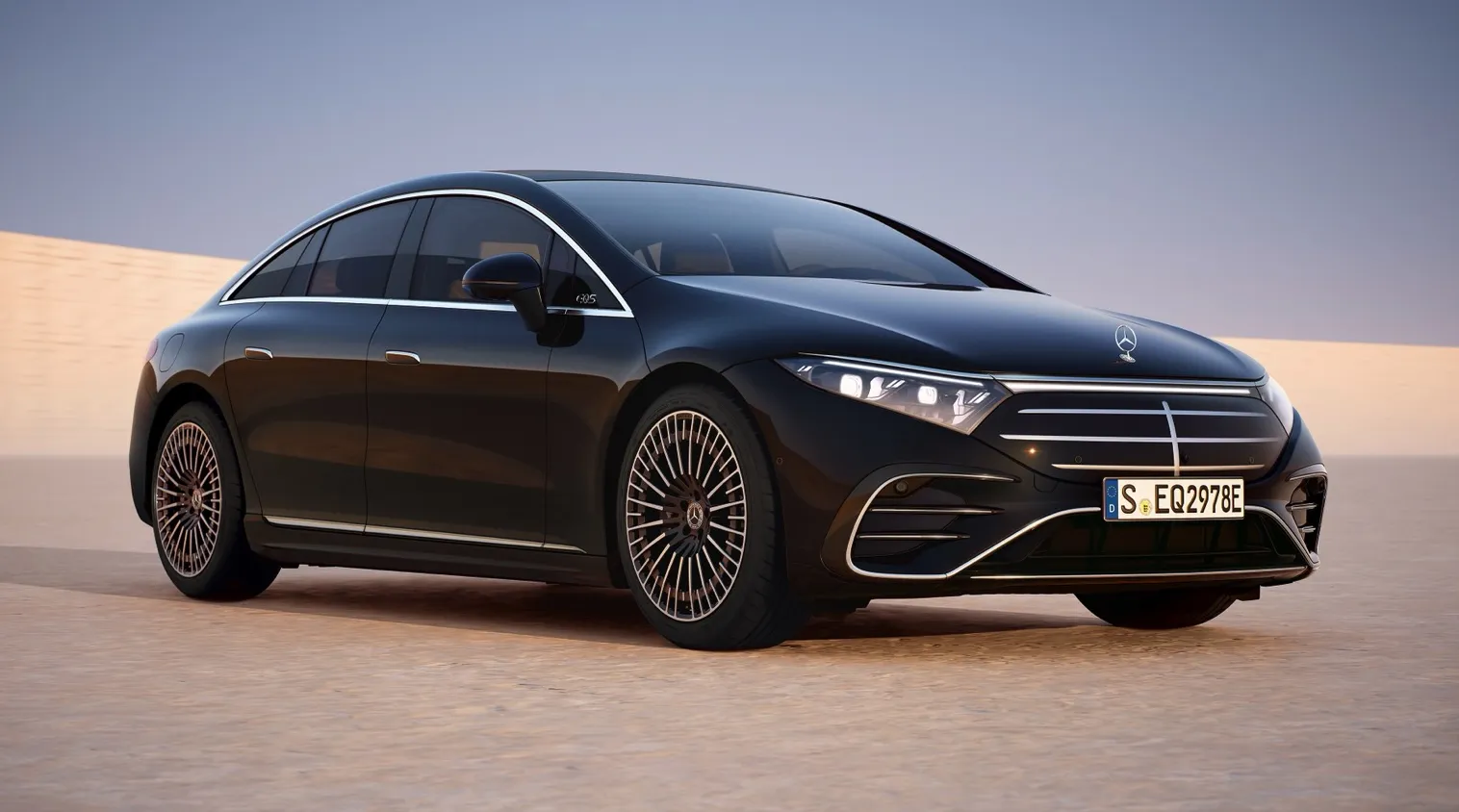
Mercedes-Benz EQS AMG 53 4MATIC+
 Mercedes-Benz