

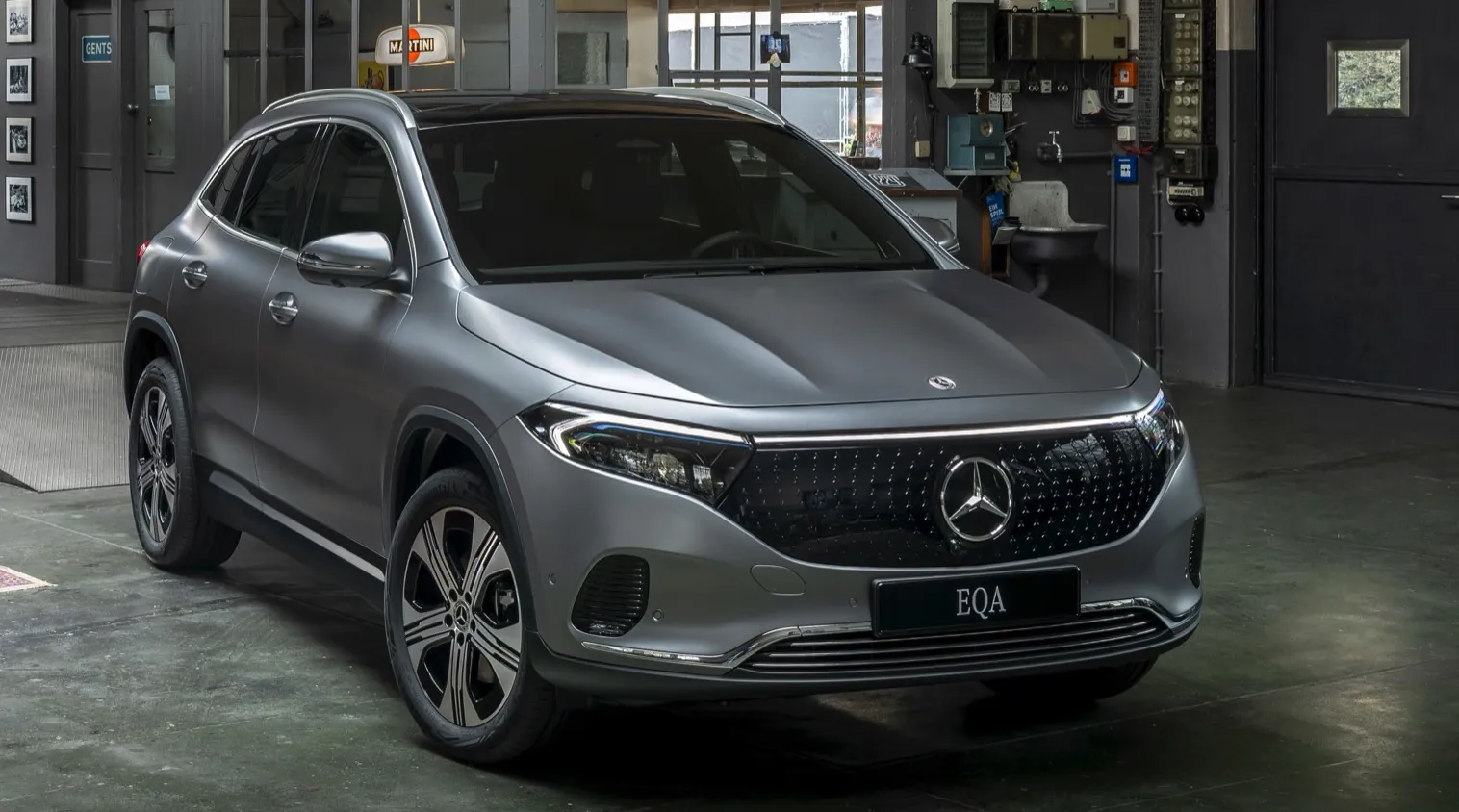
Mercedes-Benz EQA 300 4MATIC
Key Specifications
Real Range Estimation
| City - Cold Weather * | 345 km |
| Highway - Cold Weather * | 250 km |
| Combined - Cold Weather * | 295 km |
between 250 - 505 km
| City - Mild Weather * | 505 km |
| Highway - Mild Weather * | 320 km |
| Combined - Mild Weather * | 395 km |
Battery
| Nominal Capacity | 69.7 kWh |
| Battery Type | Lithium-ion |
| Number of Cells | 300 |
| Architecture | 400 V |
| Warranty Period | 8 years |
| Warranty Mileage | 160,000 km |
| Useable Capacity | 66.5 kWh |
| Cathode Material | No Data |
| Pack Configuration | 100s3p |
| Nominal Voltage | 367 V |
| Form Factor | No Data |
| Name / Reference | No Data |
Performance
| Acceleration 0 - 100 km/h | 7.7 sec |
| Top Speed | 160 km/h |
| Electric Range * | 350 km |
| Total Power | 168 kW (228 PS) |
| Total Torque | 390 Nm |
| Drive | AWD |
Home and Destination Charging (0 -> 100%)
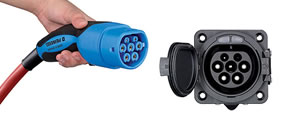
Charging is possible by using a regular wall plug or a charging station. Public charging is always done through a charging station. How fast the EV can charge depends on the charging station (EVSE) used and the maximum charging capacity of the EV. The table below shows all possible options for charging the Mercedes-Benz EQA 300 4MATIC. Each option shows how fast the battery can be charged from empty to full.
Europe
Charging an EV in Europe differs by country. Some European countries primarily use 1-phase connections to the grid, while other countries are almost exclusively using a 3-phase connection. The table below shows all possible ways the Mercedes-Benz EQA 300 4MATIC can be charged, but some modes of charging might not be widely available in certain countries.
| Type 2 (Mennekes - IEC 62196) |
|---|
 |
| Charging Point | Max. Power | Power | Time | Rate |
|---|---|---|---|---|
| Standard 11.0 kW On-Board Charger | ||||
| Wall Plug (2.3 kW) | 230V / 1x10A | 2.3 kW | 34 hours | 10 km/h |
| 1-phase 16A (3.7 kW) | 230V / 1x16A | 3.7 kW | 21h15m | 16 km/h |
| 1-phase 32A (7.4 kW) | 230V / 1x32A | 7.4 kW | 10h45m | 33 km/h |
| 3-phase 16A (11 kW) | 400V / 3x16A | 11 kW | 7h15m | 48 km/h |
| 3-phase 32A (22 kW) | 400V / 3x16A | 11 kW † | 7h15m | 48 km/h |
| Optional 22.0kW On-Board Charger | ||||
| Wall Plug (2.3 kW) | 230V / 1x10A | 2.3 kW | 34 hours | 10 km/h |
| 1-phase 16A (3.7 kW) | 230V / 1x16A | 3.7 kW | 21h15m | 16 km/h |
| 1-phase 32A (7.4 kW) | 230V / 1x32A | 7.4 kW | 10h45m | 33 km/h |
| 3-phase 16A (11 kW) | 400V / 3x16A | 11 kW | 7h15m | 48 km/h |
| 3-phase 32A (22 kW) | 400V / 3x32A | 22 kW † | 3h45m | 93 km/h |
† = Limited by on-board charger, vehicle cannot charge faster.
Fast Charging (10 -> 80%)
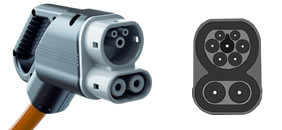
Rapid charging enables longer journeys by adding as much range as possible in the shortest amount of time. Charging power will decrease significantly after 80% state-of-charge has been reached. A typical rapid charge therefore rarely exceeds 80% SoC. The rapid charge rate of an EV depends on the charger used and the maximum charging power the EV can handle. The table below shows all details for rapid charging the Mercedes-Benz EQA 300 4MATIC.
Mercedes-Benz has not released details about rapid charging the EQA. The information below is based on estimated values of the most likely rapid charging capabilities.
- Max. Power: maximum power provided by charge point
- Avg. Power: average power provided by charge point over a session from 10% to 80%
- Time: time needed to charge from 10% to 80%
- Rate: average charging speed over a session from 10% to 80%
| Combined Charging System (CCS Combo 2) |
|---|
 |
| Charging Point | Max. Power | Avg. Power | Time | Rate |
|---|---|---|---|---|
| CCS (50 kW DC) | 50 kW | 45 kW † | 65 min | 220 km/h |
| CCS (100 kW DC) | 100 kW | 90 kW † | 33 min | 440 km/h |
| CCS (150 kW DC) | 112 kW † | 100 kW † | 29 min | 500 km/h |
| This vehicle supports Autocharge |
|---|
| This vehicle supports Plug & Charge |
† = Limited by charging capabilities of vehicle
Autocharge: allows for automatic initiation of a charging session at supported CCS charging stations.
Plug & Charge: allows for automatic initiation of a charging session at supported CCS charging stations in accordance with ISO 15118.
Actual charging rates may differ from data shown due to factors like outside temperature, state of the battery and driving style.
Mercedes-Benz Claimed Specifications
The table below shows the claimed specifications from the manufacturer for charging the Mercedes-Benz EQA 300 4MATIC. The specifications can differ from the table above for a variety of reasons. If real-world charge tests are available, these differences can be signifcant. If no real-world tests are available, the table above will be based on the manufacturer specifications as per the table below.
- Max. Power: maximum charge power during charging session
- Charge From: battery percentage (% SoC) where charging session is started
- Charge To: battery percentage (% SoC) where charging session is ended
- Time: time needed for charging session
| Mercedes-Benz Claimed Specifications |
|---|
| Max. Power | Charge From | Charge To | Time |
|---|---|---|---|
| 100 kW | 10 % | 80 % | 32 min |
Dimensions and Weight
| Length | 4463 mm |
| Width | 1834 mm |
| Width with mirrors | 2020 mm |
| Height | 1620 mm |
| Wheelbase | 2729 mm |
| Weight Unladen (EU) | 2110 kg |
| Gross Vehicle Weight (GVWR) | 2535 kg |
| Max. Payload | 500 kg |
| Cargo Volume | 340 L |
| Cargo Volume Max | 1320 L |
| Cargo Volume Frunk | 0 L |
| Roof Load | 75 kg |
| Tow Hitch Possible | Yes |
| Towing Weight Unbraked | 750 kg |
| Towing Weight Braked | 1800 kg |
| Vertical Load Max | 80 kg |
About this Vehicle
Mercedes-Benz EQA 300 4MATIC Overview
The Mercedes-Benz EQA 300 4MATIC is a compact premium Mercedes electric SUV that brings the brand’s luxury feel and advanced tech into the entry-level EV segment. Positioned above budget crossovers yet below larger EQ models, it targets buyers moving from conventional GLA/EQB models to their first fully electric vehicle. With seating for five and SUV practicality, it suits urban families and professionals wanting a premium badge without the footprint of a large SUV.
Built on the MFA2 platform rather than a dedicated EV skateboard, the EQA 300 4MATIC focuses on refinement, safety and technology rather than outright performance. Its twin-motor 4MATIC all‑wheel drive setup, updated MBUX infotainment with “Zero Layer” interface, and extensive driver assistance suite underline its tech-forward brief. Design-wise, the enclosed “black panel” grille, LED light signatures, and aerodynamic details (Cd 0.28) give it a distinctly electric identity while remaining recognisably Mercedes. For buyers comparing EV specs across the segment, the EQA 300’s mix of usable electric vehicle range, quality interior and familiar Mercedes ergonomics makes it a compelling option in the compact luxury EV space.
Mercedes-Benz EQA 300 4MATIC Performance and Driving Experience
With dual electric motors and fully variable 4MATIC all‑wheel drive, the Mercedes-Benz EQA 300 4MATIC delivers a balanced blend of secure traction and smooth performance. Combined system output is around 168 kW (225–228 hp) with 390 Nm (288 lb‑ft) of torque, sending this compact SUV from 0–100 km/h in 7.7 seconds and on to a top speed of 160 km/h (99 mph). Power delivery is linear and quiet rather than aggressive, tuned for comfort and confidence in all weather.
On the road, the EQA 300 4MATIC feels planted thanks to its low-mounted battery and sophisticated suspension. Steering is light but precise in city driving, with enough weight on the motorway to inspire confidence. Optional adaptive damping can further smooth poor road surfaces, and the AWD system continuously shuffles torque between axles for stability on wet or snowy roads. In real-world Mercedes EQA 300 4MATIC review impressions, the emphasis is on refinement, noise isolation and easy drivability rather than sporty dynamics.
| Specification | Value |
|---|---|
| 0-60 mph (0-100 km/h) | 7.5–7.7 sec |
| Top Speed | 99 mph / 160 km/h |
| Power Output | 225–228 hp / 168 kW |
| Torque | 288 lb-ft / 390 Nm |
Mercedes-Benz EQA 300 4MATIC Range and Battery Specifications
The Mercedes-Benz EQA 300 4MATIC WLTP range is quoted at around 436–438 km (270–272 miles) depending on trim and wheel choice, with some variants slightly lower, around 411 km. In independent testing, the EQA 300 4MATIC real‑world range typically falls between 250 and 300 miles (400–480 km) in mixed driving under favourable conditions, dropping in cold weather or at sustained motorway speeds. Energy consumption is rated from about 15.2–17.5 kWh/100 km, reflecting decent efficiency for a premium AWD compact SUV.
The SUV uses a lithium‑ion battery with a nominal capacity of around 69.7 kWh and a usable capacity of about 66.5 kWh. This pack sits on the floor for a lower centre of gravity and better handling balance. As with any EV, factors such as temperature, driving style, speed, wheel size and use of climate control can significantly influence range. Drivers who frequently cruise at high motorway speeds or in cold climates should plan around the lower end of the EQA 300 4MATIC real‑world range estimates.
| Range Metric | Value |
|---|---|
| WLTP Range | 270–272 miles / 436–438 km |
| EPA Range | n/a (varies by market; not always officially rated) |
| Real-World Range | ~250 miles / ~400 km (typical mixed driving) |
| Battery Capacity | 66.5 kWh (usable), ~69.7 kWh nominal |
Mercedes-Benz EQA 300 4MATIC Charging Times and Options
For home use, the Mercedes-Benz EQA 300 4MATIC supports AC charging up to 11 kW. On a standard 230V household socket (Level 1), a full charge can take well over 30 hours and is best reserved for occasional top‑ups. A dedicated 7 kW or 11 kW wallbox (Level 2) is strongly recommended, bringing a 10–100% charge down to roughly 7–10 hours depending on power, perfect for overnight charging.
On the road, the EQA 300 4MATIC offers DC fast charging up to 100 kW under optimal conditions. At a suitable public rapid charger, the battery can typically be replenished from 10–80% in about 30–35 minutes, making long journeys feasible with well‑planned stops. The car uses the CCS standard common across Europe and many other markets, integrating neatly with major public charging networks. Smart navigation and charging planners within MBUX can suggest optimal charging points along your route based on remaining range and charger availability.
| Charging Method | Time | Speed |
|---|---|---|
| Level 1 (120V) | 30+ hours (0–100%) | ~2 kW |
| Level 2 (240V/7kW) | ~10 hours (0–100%) | ~7 kW |
| Level 2 (240V/11kW) | ~7 hours (0–100%) | ~11 kW |
| DC Fast Charge (10-80%) | ~30–35 min | up to 100 kW |
Mercedes-Benz EQA 300 4MATIC vs Competitors
In Mercedes-Benz EQA 300 4MATIC vs Tesla Model Y comparisons, the Tesla offers faster charging, more performance and longer range, but the EQA counters with a more refined interior and traditional luxury feel. Against the Hyundai Ioniq 5 and Kia EV6, the EQA 300 4MATIC is smaller and less spacious, with a bit less range, but offers superior perceived quality and a denser dealer network. Compared with an Audi Q4 e‑tron, the EQA’s range and performance are in the same ballpark, with choice often coming down to brand preference, design and infotainment systems. For buyers focused on comfort, brand cachet and safety tech over outright specs, the Mercedes EQA 300 4MATIC remains highly competitive.
Frequently Asked Questions
Related Vehicles
View All Mercedes-Benz
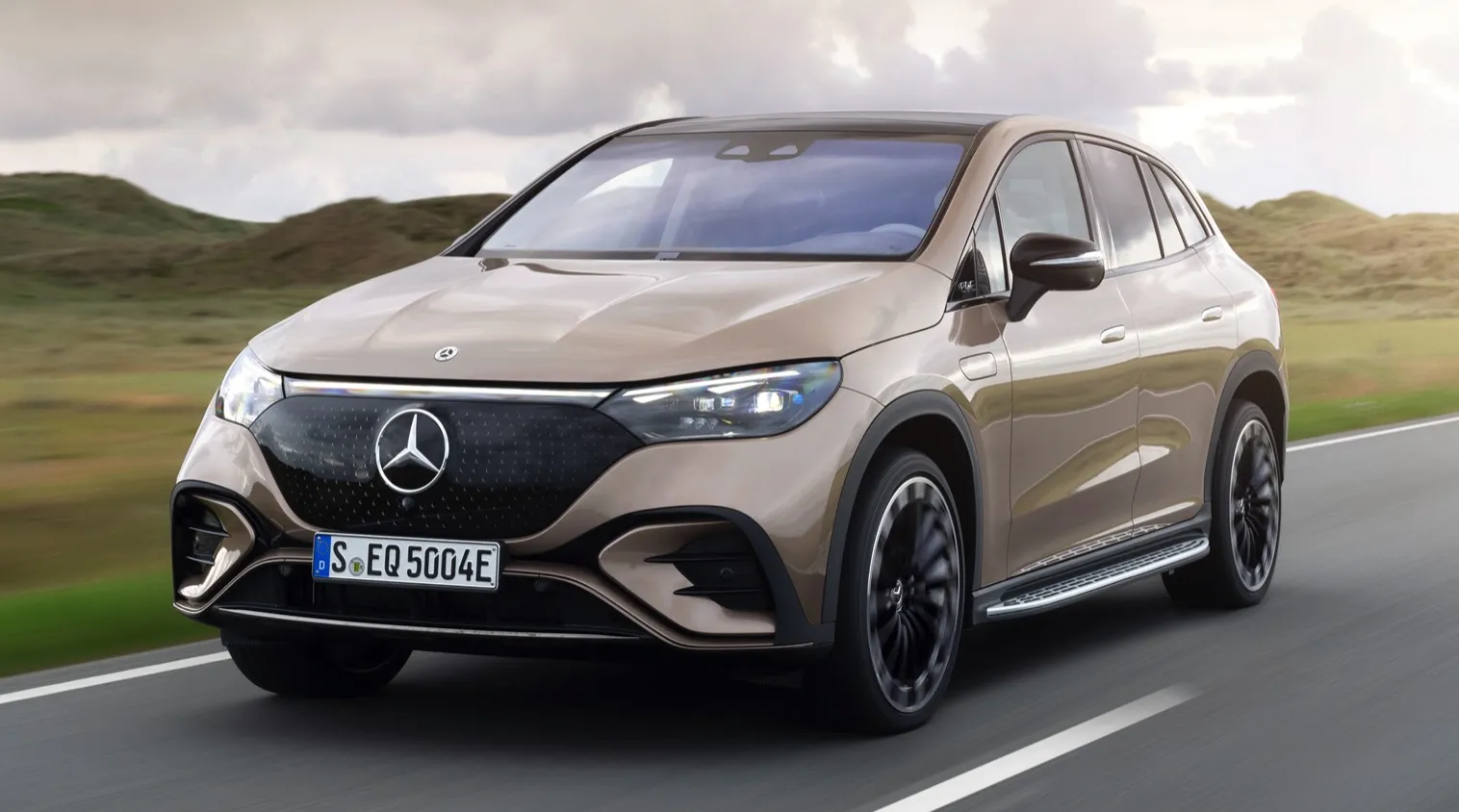
Mercedes-Benz EQE SUV 300
 Mercedes-Benz
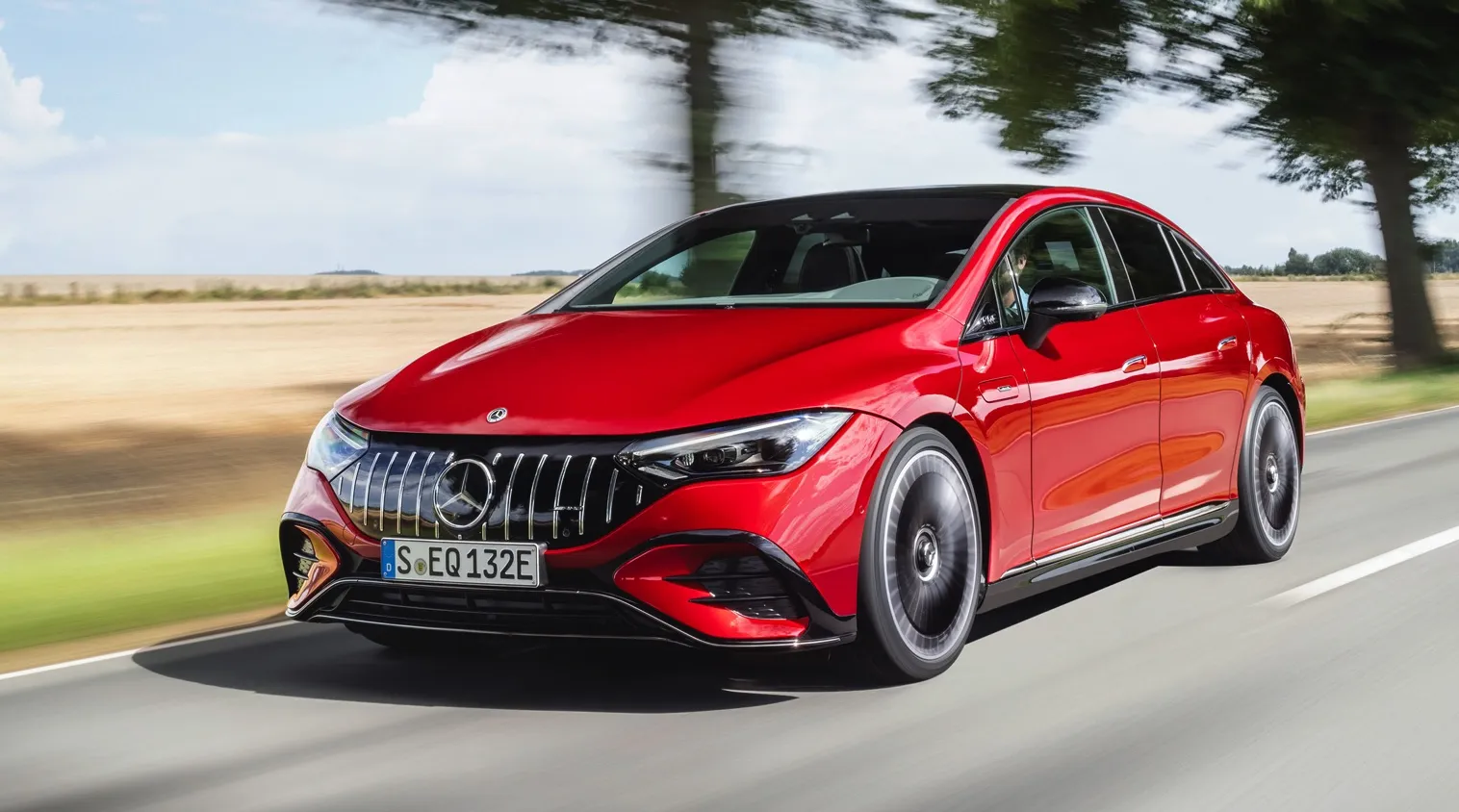
Mercedes-Benz EQE AMG 43 4MATIC
 Mercedes-Benz
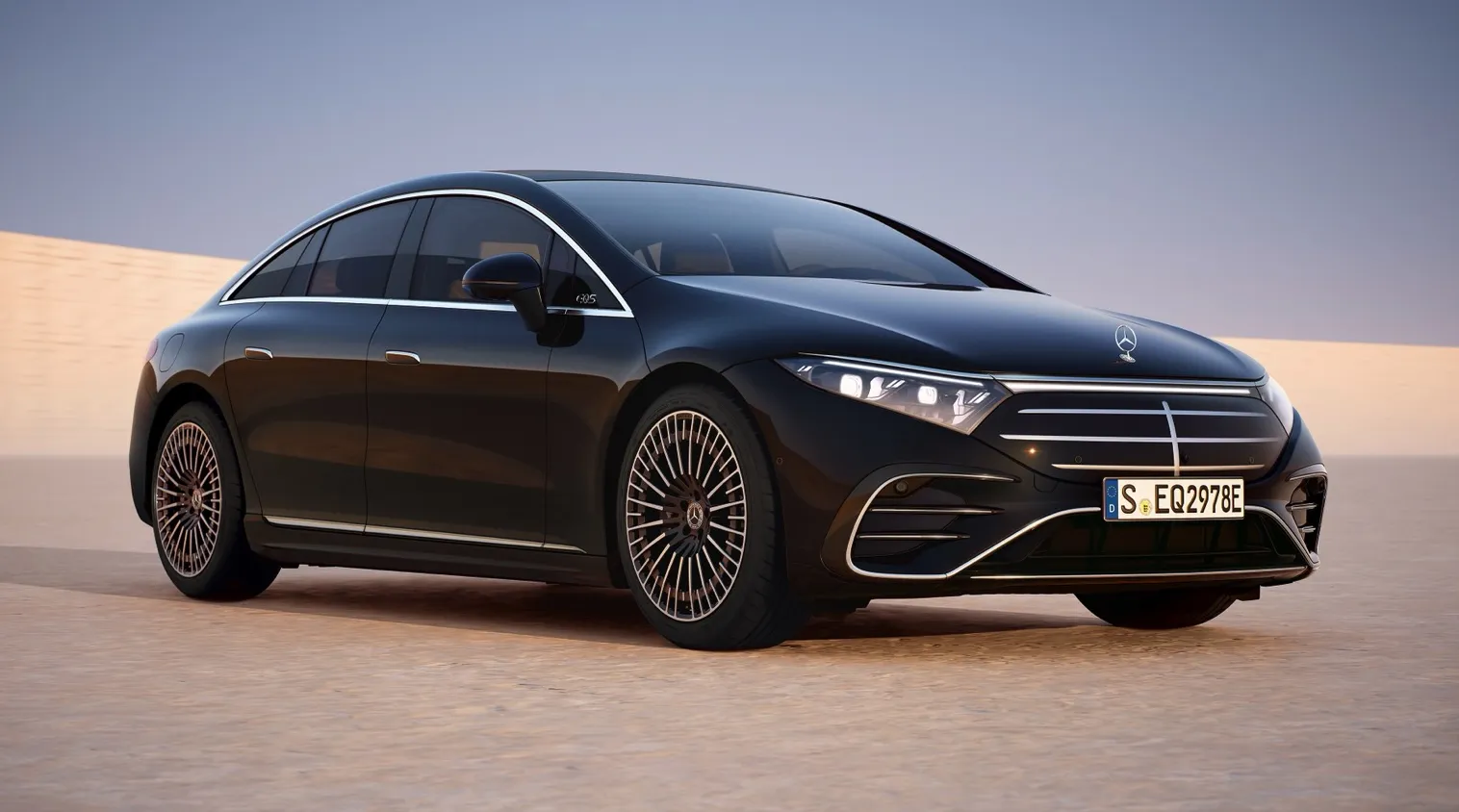
Mercedes-Benz EQS AMG 53 4MATIC+
 Mercedes-Benz