Charging is possible by using a regular wall plug or a charging station. Public charging is always done through a charging station. How fast the EV can charge depends on the charging station (EVSE) used and the maximum charging capacity of the EV. The table below shows all possible options for charging the Ford Explorer Standard Range RWD. Each option shows how fast the battery can be charged from empty to full.
Europe
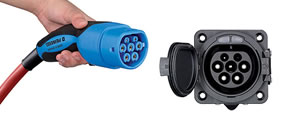
Charging an EV in Europe differs by country. Some European countries primarily use 1-phase connections to the grid, while other countries are almost exclusively using a 3-phase connection. The table below shows all possible ways the Ford Explorer Standard Range RWD can be charged, but some modes of charging might not be widely available in certain countries.
Type 2 (Mennekes - IEC 62196)
Charging Point
Max. Power
Power
Time
Rate
Wall Plug (2.3 kW)
230V / 1x10A
2.3 kW
26h45m
11 km/h
1-phase 16A (3.7 kW)
230V / 1x16A
3.7 kW
16h45m
18 km/h
1-phase 32A (7.4 kW)
230V / 1x32A
7.4 kW
8h30m
35 km/h
3-phase 16A (11 kW)
400V / 3x16A
11 kW
5h45m
52 km/h
3-phase 32A (22 kW)
400V / 3x16A
11 kW †
5h45m
52 km/h
† = Limited by on-board charger, vehicle cannot charge faster.
Fast Charging (10 -> 80%)
Rapid charging enables longer journeys by adding as much range as possible in the shortest amount of time. Charging power will decrease significantly after 80% state-of-charge has been reached. A typical rapid charge therefore rarely exceeds 80% SoC. The rapid charge rate of an EV depends on the charger used and the maximum charging power the EV can handle. The table below shows all details for rapid charging the Ford Explorer Standard Range RWD.
Max. Power: maximum power provided by charge point
Avg. Power: average power provided by charge point over a session from 10% to 80%
Time: time needed to charge from 10% to 80%
Rate: average charging speed over a session from 10% to 80%
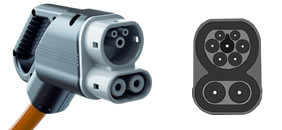
Combined Charging System (CCS Combo 2)
Charging Point
Max. Power
Avg. Power
Time
Rate
CCS (50 kW DC)
50 kW
40 kW †
57 min
220 km/h
CCS (100 kW DC)
100 kW
65 kW †
35 min
360 km/h
CCS (150 kW DC)
115 kW †
70 kW †
33 min
380 km/h
This vehicle does not support Autocharge
† = Limited by charging capabilities of vehicle
Autocharge: allows for automatic initiation of a charging session at supported CCS charging stations.
Actual charging rates may differ from data shown due to factors like outside temperature, state of the battery and driving style.
Ford Claimed Specifications
The table below shows the claimed specifications from the manufacturer for charging the Ford Explorer Standard Range RWD. The specifications can differ from the table above for a variety of reasons. If real-world charge tests are available, these differences can be signifcant. If no real-world tests are available, the table above will be based on the manufacturer specifications as per the table below.
Max. Power: maximum charge power during charging session
Charge From: battery percentage (% SoC) where charging session is started
Charge To: battery percentage (% SoC) where charging session is ended
Time: time needed for charging session
Ford Claimed Specifications
Max. Power
Charge From
Charge To
Time
115 kW
10 %
80 %
28 min
Dimensions and Weight
Length
4468 mm
Width
1871 mm
Width with mirrors
2063 mm
Height
1630 mm
Wheelbase
2767 mm
Weight Unladen (EU)
2008 kg
Gross Vehicle Weight (GVWR)
2490 kg
Max. Payload
557 kg
Cargo Volume
536 L
Cargo Volume Max
1422 L
Cargo Volume Frunk
0 L
Roof Load
75 kg
Tow Hitch Possible
Yes
Towing Weight Unbraked
750 kg
Towing Weight Braked
1000 kg
Vertical Load Max
75 kg
About this Vehicle
# Ford Explorer Standard Range RWD: Practical Electric SUV for Daily Driving
Ford Explorer Standard Range RWD Overview
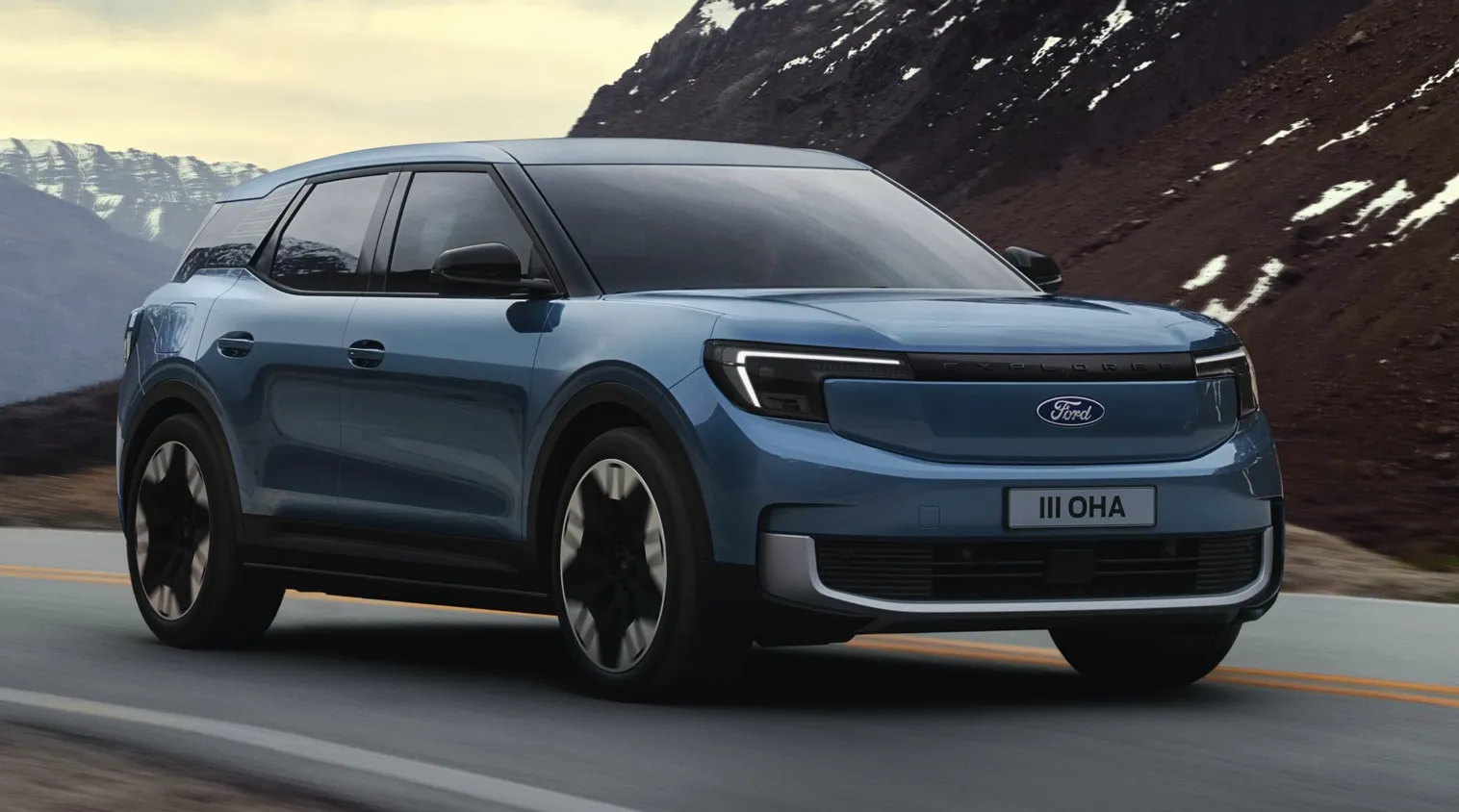
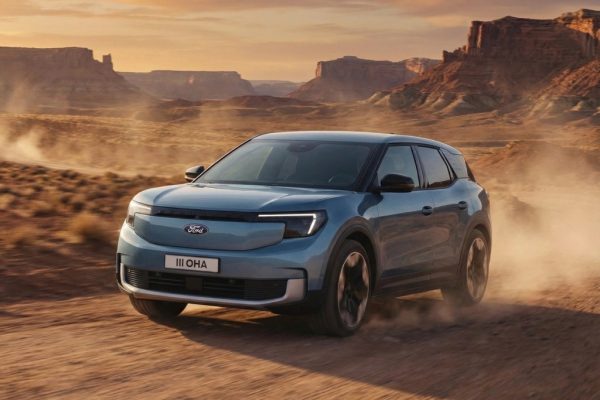
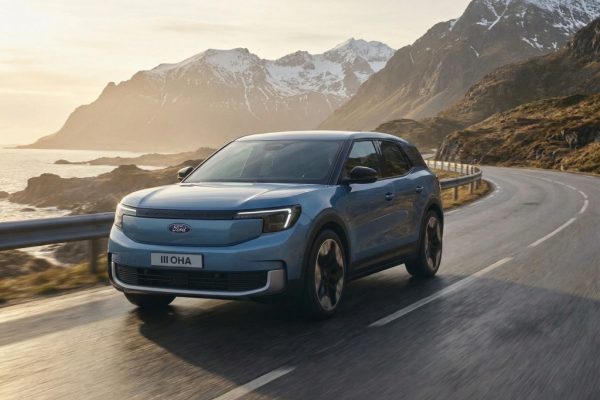
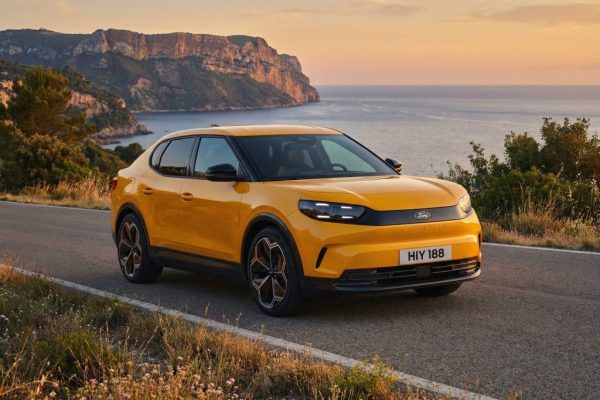
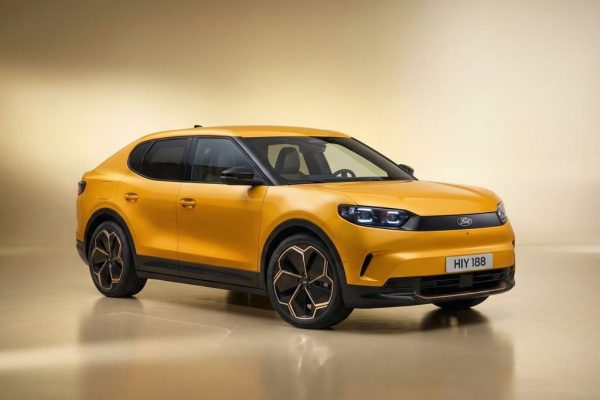
The Ford Explorer Standard Range RWD represents Ford’s commitment to making electric SUVs accessible to mainstream buyers seeking practical daily transportation. This rear-wheel-drive electric SUV targets families and commuters who prioritize reliability and real-world usability over extreme performance. The Explorer EV combines Ford’s heritage in the SUV segment with modern electric vehicle technology, featuring a lithium-ion NMC battery and a single rear-mounted motor designed for balanced handling and efficiency.
The Standard Range RWD Explorer distinguishes itself through its focus on affordability without sacrificing essential features. Unlike performance-oriented electric SUVs, this model emphasizes smooth acceleration, comfortable ride quality, and practical range for everyday driving. The Ford Explorer Standard Range appeals to buyers transitioning from traditional combustion engines who want a familiar driving experience in an electric package. Its positioning as a mainstream electric SUV makes it particularly relevant in the competitive EV market, where consumers increasingly demand vehicles that serve multiple purposes without premium pricing.
Ford Explorer Standard Range RWD Performance and Driving Experience
The Standard Range RWD Explorer delivers sensible, smooth acceleration suitable for city driving and highway cruising. The single rear-mounted Permanent Magnet Synchronous Motor (PMSM) produces 125 kW (168 horsepower) and 229 lb-ft of torque, enabling 0-60 mph acceleration in 8.6 seconds. This performance level proves adequate for daily commuting while maintaining efficiency. The rear-wheel-drive configuration provides balanced handling characteristics and a classic driving feel, with effective regenerative braking helping to recover energy during deceleration.
Specification
Value
0-60 mph (0-100 km/h)
8.6 sec
Top Speed
Not specified
Power Output
168 hp / 125 kW
Torque
229 lb-ft / 310 Nm
Ford Explorer Standard Range RWD Range and Battery Specifications
The Ford Explorer Standard Range RWD features a 52 kWh usable battery (55 kWh nominal capacity) delivering practical range for daily use. The official WLTP range reaches 236 miles (380 km), while real-world testing by Green Cars Compare calculates approximately 201 miles under typical driving conditions. Energy efficiency averages 3.87 mi/kWh, making the Explorer Standard Range competitive in its segment. Real-world range varies significantly based on driving speed, temperature, and terrain—highway driving at 75 mph reduces range to approximately 147 miles, while cold weather with heating activated further reduces available distance to around 136 miles.
Range Metric
Value
WLTP Range
236 miles / 380 km
Real-World Range
201 miles / 323 km
Cold Weather Range (with heating)
180 miles / 289 km
Battery Capacity
52 kWh usable / 55 kWh nominal
Energy Consumption
3.87 mi/kWh (WLTP: 4.5 mi/kWh)
Ford Explorer Standard Range RWD Charging Times and Options
Home charging with the standard 11 kW AC onboard charger requires approximately 5-6 hours for a complete 0-100% charge, making overnight charging practical for daily use. The Explorer Standard Range RWD supports DC fast charging up to 145 kW, achieving 10-80% charge in under 30 minutes—approximately 27-33 minutes depending on conditions. This capability makes the Ford Explorer Standard Range suitable for road trips and quick charging stops. European models feature CCS Type 2 connectors, while US versions would likely use CCS Type 1 or NACS ports.
Charging Method
Time
Speed
Level 2 (11 kW AC)
5-6 hours
11 kW
DC Fast Charge (10-80%)
27-33 minutes
up to 145 kW
DC Fast Charge (full charge)
~40 minutes
145 kW
Ford Explorer Standard Range RWD vs Competitors
The Standard Range RWD Explorer competes directly with the Tesla Model Y Standard Range, Hyundai Ioniq 5 Standard, and Kia EV6 Light. Compared to the Tesla Model Y, the Ford Explorer Standard Range offers more interior space typical of traditional SUVs but with slightly longer acceleration times (8.6 vs 6.1 seconds). Against the Hyundai Ioniq 5, the Explorer Standard Range RWD provides a more traditional SUV driving experience with comparable real-world range. The Ford Explorer Standard Range differentiates itself through Ford’s established dealer network and brand familiarity, appealing to buyers prioritizing service accessibility over cutting-edge performance.
Frequently Asked Questions
The real-world range is approximately 201 miles (323 km) under typical driving conditions. However, this varies significantly—highway driving at 75 mph reduces range to about 147 miles, while cold weather with heating activated drops it to approximately 180 miles.
Home charging with an 11 kW Level 2 charger takes 5-6 hours for a complete charge. DC fast charging achieves 10-80% in approximately 27-33 minutes, making it practical for road trips.
The Standard Range model comes exclusively in rear-wheel-drive configuration. Ford offers Extended Range variants in both RWD and AWD options with larger 77-79 kWh batteries.
The Standard Range RWD Explorer uses a lithium-ion NMC (nickel-manganese-cobalt) battery with 52 kWh usable capacity, designed for durability and consistent performance across various driving conditions.
The Ford Explorer Standard Range offers more traditional SUV space and comfort, while the Model Y accelerates faster (6.1 vs 8.6 seconds 0-60). The Explorer provides comparable real-world range with a more familiar driving experience and an established Ford service network.
Yes, the Standard Range RWD Explorer excels for practical daily driving, offering reliable range, reasonable charging times, and the spacious interior expected from Ford’s SUV heritage. It’s ideal for commuters and families prioritizing usability over performance.> The Ford Explorer Standard Range RWD delivers practical electric SUV capability with a 52 kWh battery providing 201 miles of real-world range, 8.6-second 0-60 acceleration, and DC fast charging to 80% in under 30 minutes. This mainstream electric SUV combines Ford’s trusted brand heritage with modern EV technology, making it an excellent choice for families seeking reliable daily transportation without premium pricing.


 Ford
Ford
 Ford
Ford
 Ford
Ford
 Ford
Ford