

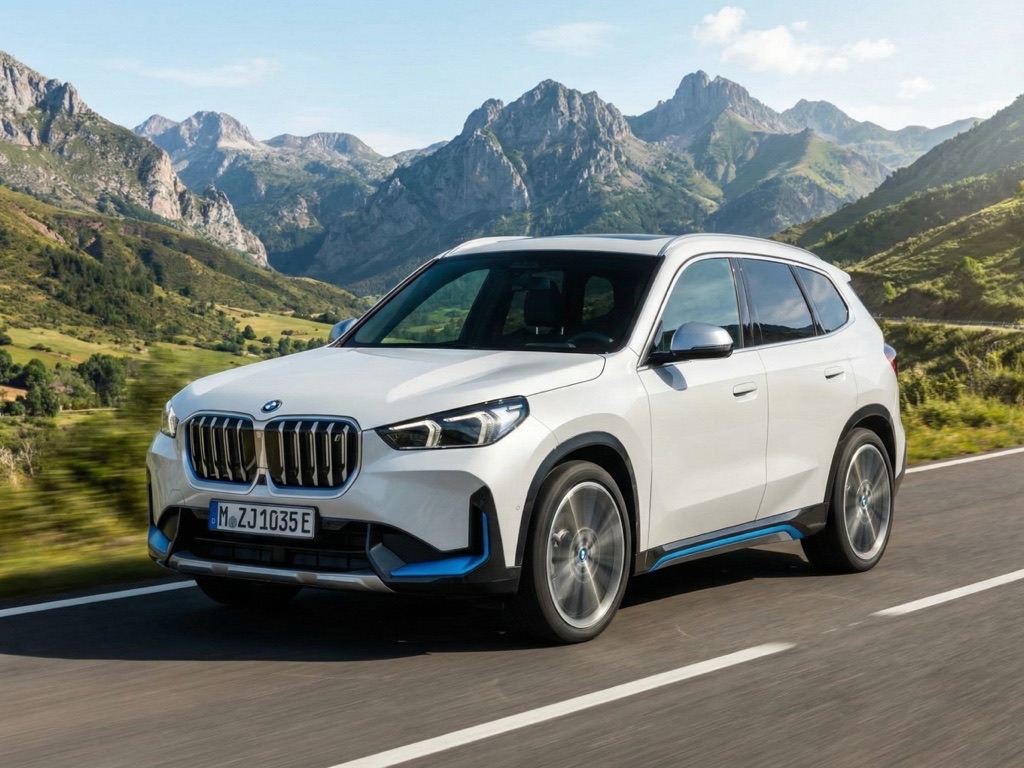
BMW iX1 eDrive20 2026
Key Specifications
Real Range Estimation
| City - Cold Weather * | 385 km |
| Highway - Cold Weather * | 285 km |
| Combined - Cold Weather * | 335 km |
| City - Mild Weather * | 585 km |
| Highway - Mild Weather * | 370 km |
| Combined - Mild Weather * | 460 km |
Battery
| Nominal Capacity | 66.5 kWh |
| Battery Type | Lithium-ion |
| Number of Cells | No Data |
| Architecture | 400 V |
| Warranty Period | 8 years |
| Warranty Mileage | 160,000 km |
| Useable Capacity | 65.2 kWh |
| Cathode Material | NMC811 |
| Pack Configuration | No Data |
| Nominal Voltage | 286 V |
| Form Factor | Prismatic |
| Name / Reference | No Data |
Performance
| Acceleration 0 - 100 km/h | 8.3 sec |
| Top Speed | 170 km/h |
| Electric Range * | 400 km |
| Total Power | 150 kW (204 PS) |
| Total Torque | 250 Nm |
| Drive | Front |
Home and Destination Charging (0 -> 100%)
Charging is possible by using a regular wall plug or a charging station. Public charging is always done through a charging station. How fast the EV can charge depends on the charging station (EVSE) used and the maximum charging capacity of the EV. The table below shows all possible options for charging the BMW iX1 eDrive20. Each option shows how fast the battery can be charged from empty to full.
Europe
Charging an EV in Europe differs by country. Some European countries primarily use 1-phase connections to the grid, while other countries are almost exclusively using a 3-phase connection. The table below shows all possible ways the BMW iX1 eDrive20 can be charged, but some modes of charging might not be widely available in certain countries.
Type 2 (Mennekes - IEC 62196)

| Charging Point | Max. Power | Power | Time | Rate |
|---|---|---|---|---|
| Standard 11.0 kW On-Board Charger | ||||
| Wall Plug (2.3 kW) | 230V / 1x10A | 2.3 kW | 33h30m | 12 km/h |
| 1-phase 16A (3.7 kW) | 230V / 1x16A | 3.7 kW | 20h45m | 19 km/h |
| 1-phase 32A (7.4 kW) | 230V / 1x32A | 7.4 kW | 10h30m | 38 km/h |
| 3-phase 16A (11 kW) | 400V / 3x16A | 11 kW | 7 hours | 57 km/h |
| 3-phase 32A (22 kW) | 400V / 3x16A | 11 kW † | 7 hours | 57 km/h |
| Optional 22.0 kW On-Board Charger | ||||
| Wall Plug (2.3 kW) | 230V / 1x10A | 2.3 kW | 33h30m | 12 km/h |
| 1-phase 16A (3.7 kW) | 230V / 1x16A | 3.7 kW | 20h45m | 19 km/h |
| 1-phase 32A (7.4 kW) | 230V / 1x32A | 7.4 kW | 10h30m | 38 km/h |
| 3-phase 16A (11 kW) | 400V / 3x16A | 11 kW | 7 hours | 57 km/h |
| 3-phase 32A (22 kW) | 400V / 3x32A | 22 kW † | 3h30m | 110 km/h |
† = Limited by on-board charger, vehicle cannot charge faster.
Fast Charging (10 -> 80%)
Rapid charging enables longer journeys by adding as much range as possible in the shortest amount of time. Charging power will decrease significantly after 80% state-of-charge has been reached. A typical rapid charge therefore rarely exceeds 80% SoC. The rapid charge rate of an EV depends on the charger used and the maximum charging power the EV can handle. The table below shows all details for rapid charging the BMW iX1 eDrive20.
- Max. Power: maximum power provided by charge point
- Avg. Power: average power provided by charge point over a session from 10% to 80%
- Time: time needed to charge from 10% to 80%
- Rate: average charging speed over a session from 10% to 80%
Combined Charging System (CCS Combo 2)

| Charging Point | Max. Power | Avg. Power | Time | Rate |
|---|---|---|---|---|
| CCS (50 kW DC) | 50 kW | 40 kW † | 72 min | 230 km/h |
| CCS (150 kW DC) | 130 kW † | 95 kW † | 30 min | 560 km/h |
| CCS (350 kW DC) | 130 kW † | 95 kW † | 30 min | 560 km/h |
| CCS (500 kW DC) | 130 kW † | 95 kW † | 30 min | 560 km/h |
This vehicle supports Autocharge
This vehicle supports Plug & Charge
† = Limited by charging capabilities of vehicle
Autocharge: allows for automatic initiation of a charging session at supported CCS charging stations.
Plug & Charge: allows for automatic initiation of a charging session at supported CCS charging stations in accordance with ISO 15118.
Actual charging rates may differ from data shown due to factors like outside temperature, state of the battery and driving style.
BMW Claimed Specifications
The table below shows the claimed specifications from the manufacturer for charging the BMW iX1 eDrive20. The specifications can differ from the table above for a variety of reasons. If real-world charge tests are available, these differences can be significant. If no real-world tests are available, the table above will be based on the manufacturer specifications as per the table below.
- Max. Power: maximum charge power during charging session
- Charge From: battery percentage (% SoC) where charging session is started
- Charge To: battery percentage (% SoC) where charging session is ended
- Time: time needed for charging session
BMW Claimed Specifications
| Max. Power | Charge From | Charge To | Time |
|---|---|---|---|
| 130 kW | 10 % | 80 % | 29 min |
Dimensions and Weight
| Length | 4500 mm |
| Width | 1845 mm |
| Width with mirrors | 2104 mm |
| Height | 1616 mm |
| Wheelbase | 2692 mm |
| Weight Unladen (EU) | 1940 kg |
| Gross Vehicle Weight (GVWR) | 2435 kg |
| Max. Payload | 570 kg |
| Cargo Volume | 490 L |
| Cargo Volume Max | 1495 L |
| Cargo Volume Frunk | 0 L |
| Roof Load | 75 kg |
| Tow Hitch Possible | Yes |
| Towing Weight Unbraked | 750 kg |
| Towing Weight Braked | 750 kg |
| Vertical Load Max | 75 kg |
About this Vehicle
# BMW iX1 eDrive20 2026: Compact Luxury Electric SUV Review
BMW iX1 eDrive20 Overvieww
The BMW iX1 eDrive20 represents BMW’s entry into the compact premium electric SUV segment, positioning itself as an accessible gateway to the brand’s electric vehicle lineup. This front-wheel-drive model targets environmentally conscious buyers seeking a blend of luxury, practicality, and efficiency without the premium pricing of larger BMW electric vehicles. The iX1 eDrive20 shares its platform with the conventional X1, delivering familiar BMW design language with a modern electric powertrain that emphasizes efficiency and real-world usability.
The BMW iX1 eDrive20 distinguishes itself through its focus on everyday practicality and energy efficiency. Unlike performance-oriented electric SUVs, this model prioritizes range and charging convenience for daily commuting and family trips. The iX1 eDrive20 features a single front-mounted electric motor, making it lighter and more efficient than dual-motor xDrive30 siblingling. This strategic positioning makes the BMW iX1 eDrive20 particularly appealing to first-time EV buyers and those prioritizing value within BMW’s premium ecosystem.
The BMW iX1 eDrive20 matters in the competitive EV landscape because it demonstrates that premium electric vehicles don’t require excessive power or complexity. With recent 2026 updates including silicon-carbide semiconductor technology in the power electronics, the BMW iX1 eDrive20 delivers improved efficiency and charging performance, making it a compelling alternative to competitors like the Audi Q4 e-tron 40 and Skoda Elroq 60.
BMW iX1 eDrive20 Performance and Driving Experience
The BMW iX1 eDrive20 delivers adequate performance for an entry-level premium electric SUV, with its single electric motor producing 201 horsepower and 250 Newton-meters of torque. Acceleration from 0-62 mph takes 8.6 seconds, positioning it as leisurely compared to sportier alternatives but perfectly adequate for urban driving and highway merging. The front-wheel-drive configuration provides predictable handling characteristics and maximizes interior space by eliminating a rear motor tunnel.
Driving dynamics emphasize comfort and efficiency over sportiness. The BMW iX1 eDrive20 benefits from BMW’s tuned suspension geometry, delivering a composed ride quality that absorbs road imperfections while maintaining composure through corners. The electric powertrain’s low center of gravity—thanks to floor-mounted battery placement—contributes to balanced handling. One-pedal driving capability through regenerative braking allows drivers to recover energy during deceleration, extending range in urban environments.
| Specification | Value |
|---|---|
| 0-62 mph (0-100 km/h) | 8.6 seconds |
| Top Speed | 106 mph / 170 km/h |
| Power Output | 201 hp / 150 kW |
| Torque | 250 lb-ft / 250 Nm |
BMW iX1 eDrive20 Range and Battery Specifications
The BMW iX1 eDrive20 delivers impressive real-world range for its class, with the 2026 update boosting WLTP range to 318 miles on a full charge. This represents a significant improvement over previous model years, achieved through the integration of silicon-carbide semiconductor technology that reduces energy losses in the power electronics. Real-world range typically falls between 280-300 miles depending on driving conditions, weather, and driving style.
The BMW iX1 eDrive20 utilizes a 64.8 kWh usable battery capacity, delivering energy efficiency of approximately 3.5-4.0 miles per kilowatt-hour. This efficiency metric places the BMW iX1 eDrive20 among the most efficient compact electric SUVs available. Cold weather reduces range by approximately 20-30 percent, while highway driving at sustained speeds decreases efficiency compared to mixed urban-suburban driving patterns. The battery’s liquid-cooling system maintains optimal operating temperatures, preserving performance and longevity across diverse climates.
| Range Metric | Value |
|---|---|
| WLTP Range | 318 miles / 512 km |
| Real-World Range | 280-300 miles / 450-480 km |
| Battery Capacity | 64.8 kWh (usable) |
| Energy Efficiency | 3.5-4.0 miles/kWh |
BMW iX1 eDrive20 Charging Times and Options
The BMW iX1 eDrive20 supports multiple charging options accommodating different ownership scenarios. Home charging via Level 2 (240V) at 7 kW requires approximately 10 hours for a complete 0-100% charge, while upgrading to an 11 kW charger reduces this to 6.5 hours. For faster home charging, a 22 kW AC charger completes a full charge in 3 hours 45 minutes, though this requires three-phase power availability common in Europe but less prevalent in North America.
DC fast charging represents the BMW iX1 eDrive20’s strongest charging capability, with a maximum charging power of 130 kW enabling a 10-80% charge in just 29 minutes. This rapid charging speed makes the BMW iX1 eDrive20 practical for longer road trips, allowing drivers to add 132-152 km of range in just 10 minutes of high-power charging. The BMW iX1 eDrive20 supports standard CCS charging connectors, ensuring compatibility with most public charging networks across Europe and North America.
| Charging Method | Time | Speed |
|---|---|---|
| Level 1 (120V) | 48+ hours | ~1.4 kW |
| Level 2 (240V/7kW) | 10 hours | 7 kW |
| Level 2 (240V/11kW) | 6.5 hours | 11 kW |
| DC Fast Charge (10-80%) | 29 minutes | 130 kW |
BMW iX1 eDrive20 vs Competitors
The BMW iX1 eDrive20 competes directly with the Audi Q4 e-tron 40, Skoda Elroq 60, and Genesis GV60. While the Skoda Elroq 85 offers superior range exceeding 300 miles, the BMW iX1 eDrive20 counters with superior charging speed and premium interior appointments. The Audi Q4 e-tron 40 provides comparable range and charging capability but lacks the BMW iX1 eDrive20’s recent efficiency improvements. The Genesis GV60 delivers sportier performance but commands a significant price premium over the BMW iX1 eDrive20.
Frequently Asked Questions
Yes, the BMW iX1 eDrive20 excels for buyers prioritizing efficiency, charging speed, and premium quality over maximum performance. Its recent range improvements and advanced charging technology make it an excellent choice for daily commuting and family trips, though buyers seeking maximum range should consider the xDrive30 variant or competitors like the Skoda Elroq 85.> The BMW iX1 eDrive20 represents a refined entry point into premium electric SUVs, delivering 318 miles of WLTP range, 201 horsepower, and 29-minute DC fast charging in a compact, efficient package. With 2026 silicon-carbide technology improvements, the BMW iX1 eDrive20 combines luxury, practicality, and real-world usability for discerning EV buyers seeking efficiency without compromise.
Related Vehicles
View All BMW
BMW
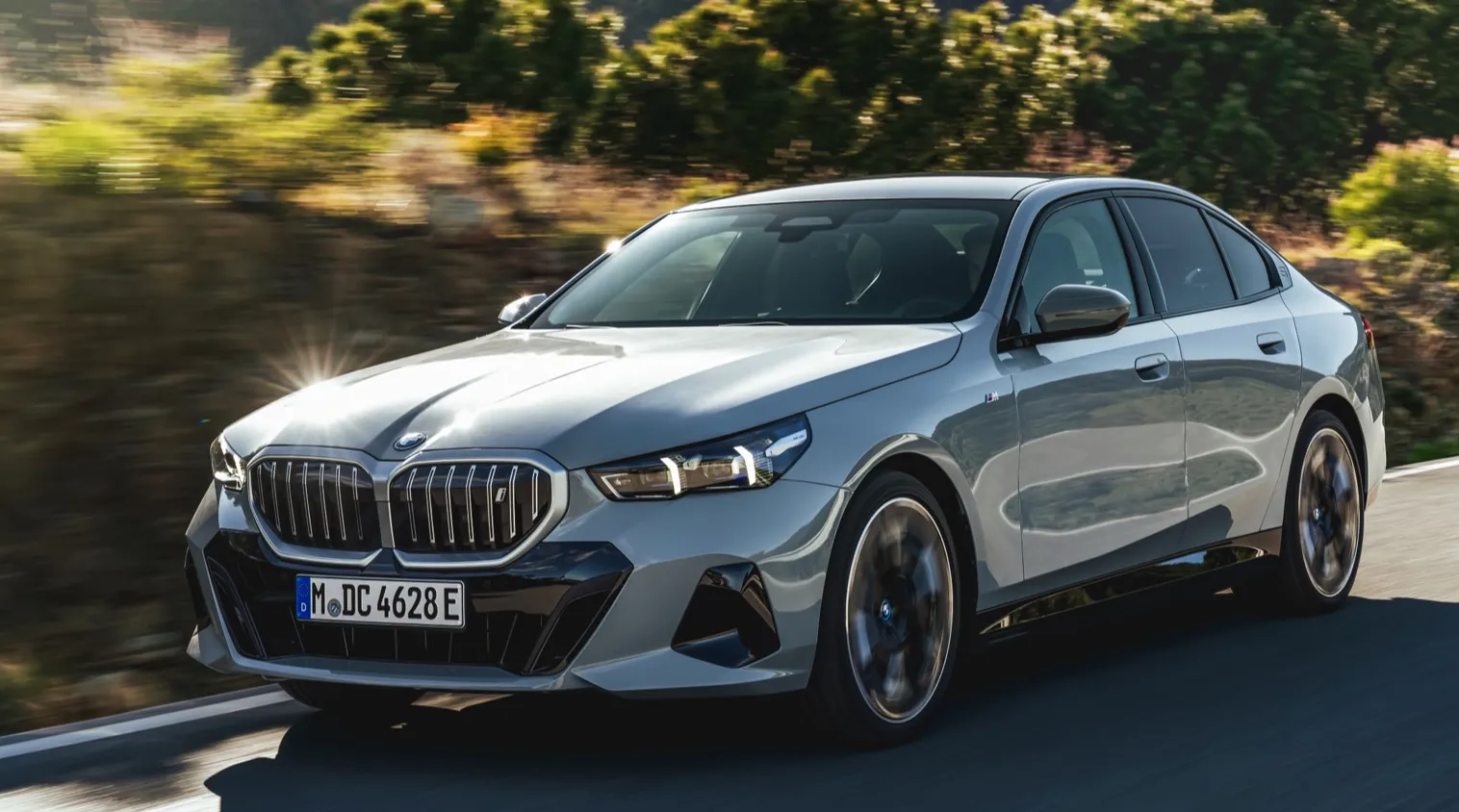
BMW i5 M60 xDrive Touring
 BMW
BMW
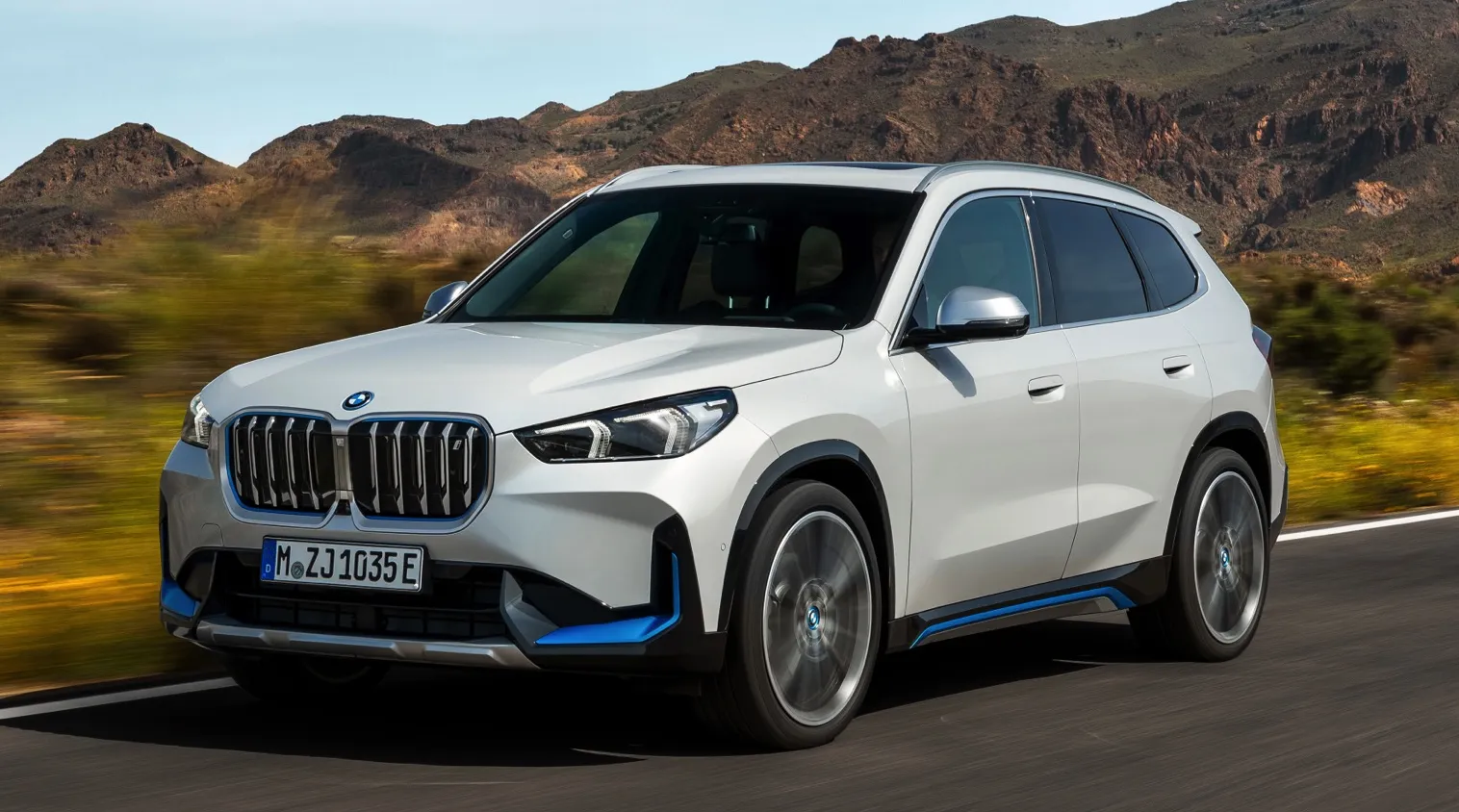
BMW i5 eDrive40 Sedan
 BMW
BMW
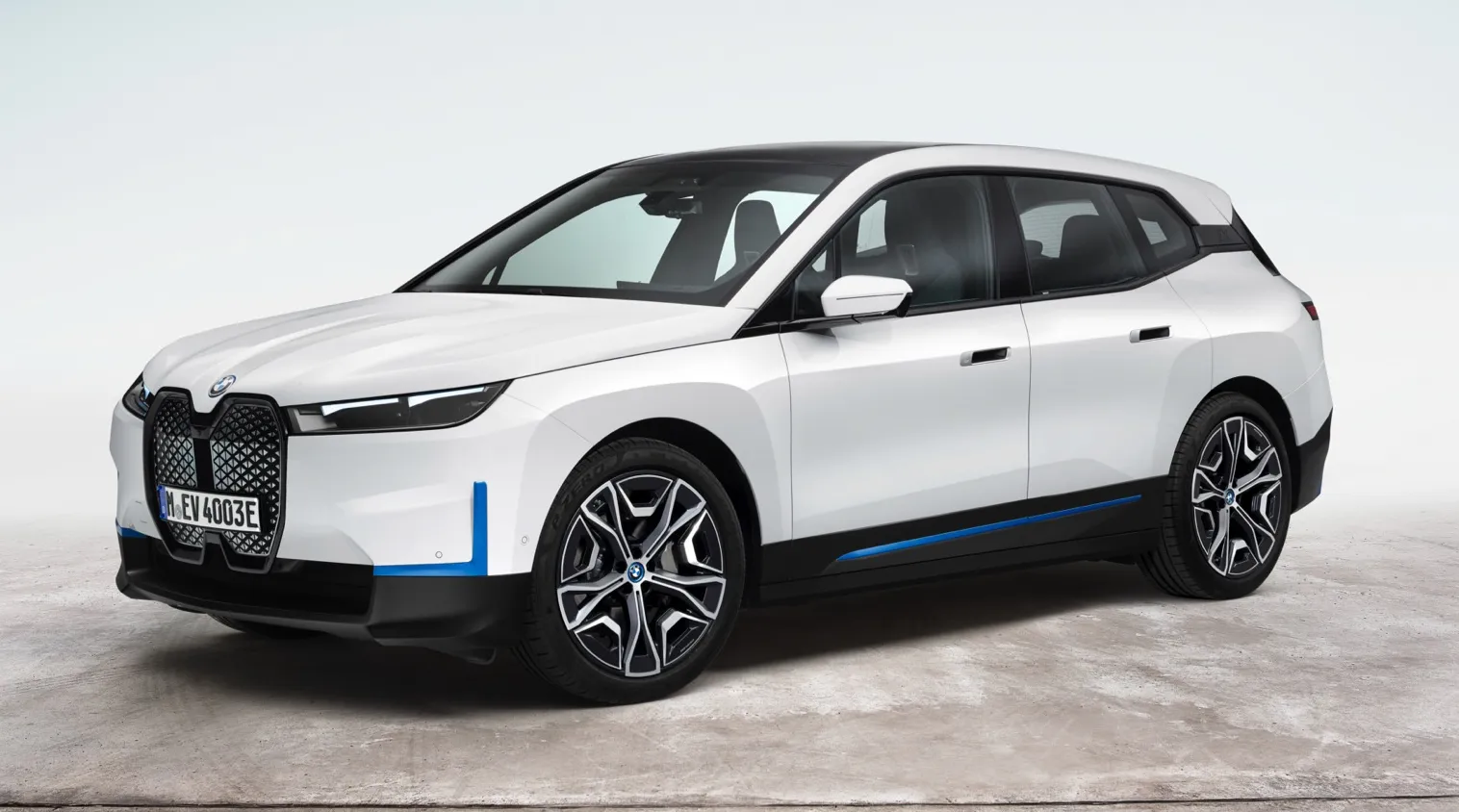
BMW iX1 xDrive30
 BMW
BMW