

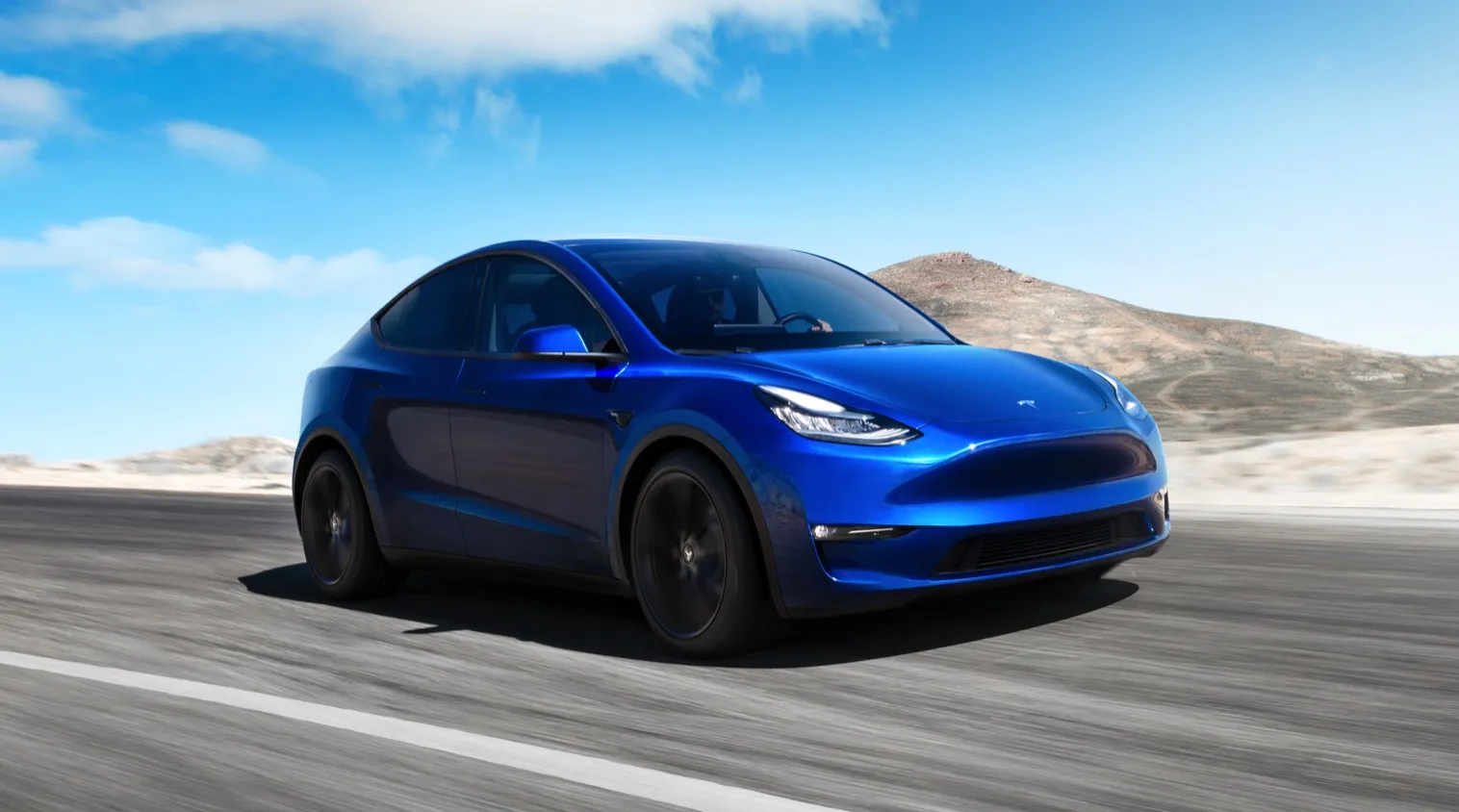
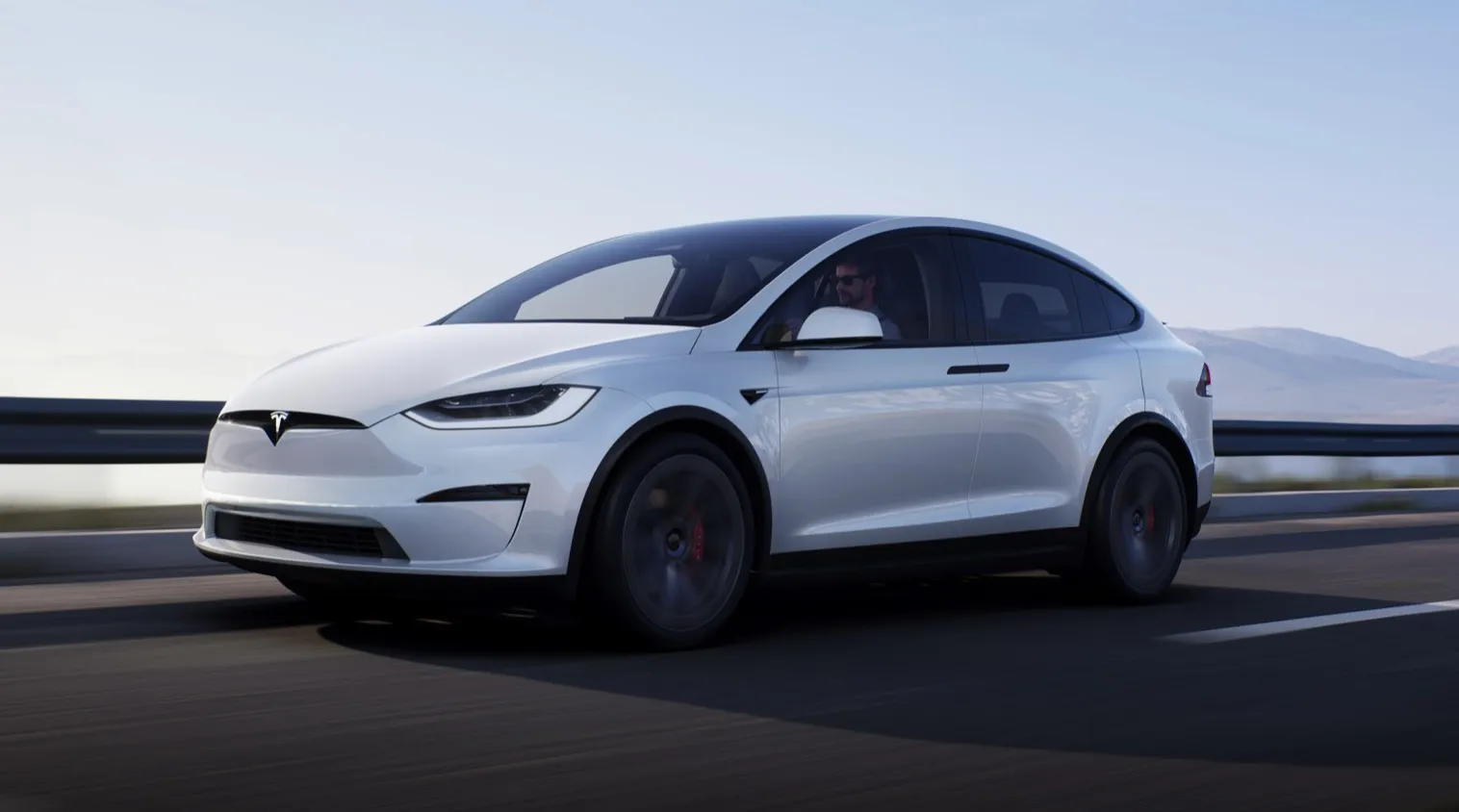
Tesla Model Y
Key Specifications
Real Range
| City - Cold Weather | 335 km |
| Highway - Cold Weather | 250 km |
| Combined - Cold Weather | 290 km |
between 250 - 510 km
| City - Mild Weather | 510 km |
| Highway - Mild Weather | 325 km |
| Combined - Mild Weather | 400 km |
Battery
| Nominal Capacity* | 60.0 kWh |
| Battery Type | Lithium-ion |
| Number of Cells | No Data |
| Architecture | 400 V |
| Warranty Period | 8 years |
| Warranty Mileage | 160,000 km |
| Useable Capacity* | 57.5 kWh |
| Cathode Material | LFP |
| Pack Configuration | No Data |
| Nominal Voltage | No Data |
| Form Factor | Prismatic |
| Name / Reference | BYD BLADE |
Performance
| Acceleration 0 - 100 km/h | 6.9 sec |
| Top Speed | 217 km/h |
| Electric Range | 350 km |
| Total Power | 220 kW (299 PS) |
| Total Torque | 420 Nm |
| Drive | Rear |
Home and Destination Charging (0 -> 100%)
Charging is possible by using a regular wall plug or a charging station. Public charging is always done through a charging station. How fast the EV can charge depends on the charging station (EVSE) used and the maximum charging capacity of the EV. The table below shows all possible options for charging the Tesla Model Y. Each option shows how fast the battery can be charged from empty to full.
Europe
Charging an EV in Europe differs by country. Some European countries primarily use 1-phase connections to the grid, while other countries are almost exclusively using a 3-phase connection. The table below shows all possible ways the Tesla Model Y can be charged, but some modes of charging might not be widely available in certain countries.
| Type 2 (Mennekes - IEC 62196) |
|---|
 |
| Charging Point | Max. Power | Power | Time | Rate |
|---|---|---|---|---|
| Wall Plug (2.3 kW) | 230V / 1x10A | 2.3 kW | 29h30m | 12 km/h |
| 1-phase 16A (3.7 kW) | 230V / 1x16A | 3.7 kW | 18h30m | 19 km/h |
| 1-phase 32A (7.4 kW) | 230V / 1x32A | 7.4 kW | 9h15m | 38 km/h |
| 3-phase 16A (11 kW) | 400V / 3x16A | 11 kW | 6h15m | 56 km/h |
| 3-phase 32A (22 kW) | 400V / 3x16A | 11 kW † | 6h15m | 56 km/h |
† = Limited by on-board charger, vehicle cannot charge faster.
Fast Charging (10 -> 80%)
Rapid charging enables longer journeys by adding as much range as possible in the shortest amount of time. Charging power will decrease significantly after 80% state-of-charge has been reached. A typical rapid charge therefore rarely exceeds 80% SoC. The rapid charge rate of an EV depends on the charger used and the maximum charging power the EV can handle. The table below shows all details for rapid charging the Tesla Model Y.
- Max. Power: maximum power provided by charge point
- Avg. Power: average power provided by charge point over a session from 10% to 80%
- Time: time needed to charge from 10% to 80%
- Rate: average charging speed over a session from 10% to 80%
| Combined Charging System (CCS Combo 2) |
|---|
 |
| Charging Point | Max. Power | Avg. Power | Time | Rate |
|---|---|---|---|---|
| CCS (50 kW DC) | 50 kW | 50 kW | 51 min | 280 km/h |
| Supercharger v2 Shared (75 kW DC) | 75 kW | 70 kW † | 36 min | 400 km/h |
| Supercharger v2 (150 kW DC) | 150 kW | 120 kW † | 21 min | 700 km/h |
| CCS (175 kW DC) | 175 kW | 140 kW † | 18 min | 810 km/h |
| Supercharger v3 (250 kW DC) | 175 kW † | 140 kW † | 18 min | 810 km/h |
| CCS (350 kW DC) | 175 kW † | 140 kW † | 18 min | 810 km/h |
| This vehicle supports Autocharge |
|---|
| This vehicle does not support Plug & Charge |
† = Limited by charging capabilities of vehicle
Autocharge: allows for automatic initiation of a charging session at supported CCS charging stations.
Plug & Charge: allows for automatic initiation of a charging session at supported CCS charging stations in accordance with ISO 15118.
Actual charging rates may differ from data shown due to factors like outside temperature, state of the battery and driving style.
Dimensions and Weight
| Length | 4751 mm |
| Width | 1921 mm |
| Width with mirrors | 2129 mm |
| Height | 1624 mm |
| Wheelbase | 2890 mm |
| Weight Unladen (EU) | 1992 kg |
| Gross Vehicle Weight (GVWR) | 2456 kg |
| Max. Payload | 539 kg |
| Cargo Volume | 854 L |
| Cargo Volume Max | 2158 L |
| Cargo Volume Frunk | 117 L |
| Roof Load | 75 kg |
| Tow Hitch Possible | Yes |
| Towing Weight Unbraked | 750 kg |
| Towing Weight Braked | 1600 kg |
| Vertical Load Max | 72 kg |
About this Vehicle
Tesla Model Y Overview
The Tesla Model Y stands as a premium electric SUV in Tesla’s lineup, blending midsize versatility with cutting-edge EV technology. Positioned as a mainstream family hauler with premium performance options, the 2026 Tesla Model Y targets urban commuters, growing families, and tech-savvy buyers seeking a spacious Tesla electric SUV that rivals traditional crossovers. Available in Standard RWD, Long Range RWD/AWD, and Performance AWD trims, it rides on Tesla’s dedicated EV platform, emphasizing aerodynamic design, over-the-air updates, and Autopilot advanced driver assistance. Key distinguishing features include its falcon-wing door-inspired access, up to 76 cu ft of cargo space, and optional third-row seating for seven passengers, making it a practical choice in the crowded electric vehicle market.
What makes the Tesla Model Y matter in the EV landscape is its dominance in sales and innovation. As America’s best-selling EV, it offers Model Y review favorites like a minimalist interior with a 16-inch touchscreen, 8-inch rear display, and seamless Supercharger integration. With EV specs highlighting up to 357 miles of EPA range and dual-motor AWD for all-weather grip, the Model Y sets benchmarks for efficiency and accessibility, outpacing many rivals in real-world usability and software-driven enhancements.
Tesla Model Y Performance and Driving Experience
The Tesla Model Y delivers thrilling acceleration across trims, with the Standard RWD hitting 0-60 mph in 5.4 seconds thanks to 295 hp and 309 lb-ft of torque from its single rear motor. Long Range AWD variants combine front induction (117 hp) and rear permanent-magnet motors for 397 hp and 389 lb-ft, achieving 0-60 mph in 4.6 seconds (or 3.8 seconds in some configs), while the Performance AWD pushes 460 hp for a blistering 3.3-second sprint. Power delivery is instant and linear, characteristic of Tesla’s direct-drive transmission.
Handling shines with a low center of gravity from the underfloor battery, precise steering, and adaptive air suspension in higher trims, providing composed dynamics on highways and twisty roads. The RWD setup prioritizes efficiency, while AWD adds traction via torque vectoring between dual motors. Real-world impressions praise its quiet cabin, responsive regen braking, and confidence-inspiring stability, though the stiff ride suits performance over plush comfort.
| Specification | Value |
|---|---|
| 0-60 mph (0-100 km/h) | 3.3-5.4 sec |
| Top Speed | 155 mph / 250 km/h |
| Power Output | 295-460 hp / 220-343 kW |
| Torque | 309-389 lb-ft / 419-527 Nm |
Tesla Model Y Range and Battery Specifications
The Tesla Model Y boasts impressive Model Y WLTP range equivalents via EPA estimates, with the Long Range RWD reaching 357 miles, Premium AWD at 327 miles, and Standard at 321 miles. Real-world range typically hits 280-340 miles depending on conditions, with efficiency around 25 kWh/100 mi or 134-138 MPGe combined. The liquid-cooled lithium-ion battery packs deliver 80 kWh usable capacity across Long Range models, using advanced cylindrical cells for density and thermal management.
Factors like cold weather (reducing range 20-30%), aggressive driving, or hilly terrain impact results, but Tesla’s aero-optimized shape and heat pump maintain a strong Model Y real-world range. Model Y battery specs emphasize longevity, backed by an 8-year warranty.
| Range Metric | Value |
|---|---|
| WLTP Range | 370 miles / 595 km |
| EPA Range | 321-357 miles / 517-575 km |
| Real-World Range | 280-340 miles / 450-547 km |
| Battery Capacity | 80 kWh (usable) |
Tesla Model Y Charging Times and Options
Tesla Model Y owners enjoy versatile charging, from Level 1 at home (50 hours full via 120V) to Level 2 Wall Connector (10-11 hours at 240V/11.5 kW). DC fast charging peaks at 250 kW via Tesla Superchargers, adding 169-182 miles in 15 minutes (10-80% in under 30 minutes). NACS port ensures compatibility with Tesla’s vast network and emerging adapters for others.
Practical scenarios include overnight home top-ups for daily commutes or 250 kW sessions for road trips, with onboard preconditioning optimizing speeds.
| Charging Method | Time | Speed |
|---|---|---|
| Level 1 (120V) | 50 hours | ~1.4 kW |
| Level 2 (240V/7kW) | 13 hours | ~7 kW |
| Level 2 (240V/11kW) | 10 hours | ~11.5 kW |
| DC Fast Charge (10-80%) | 25 min | up to 250 kW |
Tesla Model Y vs Competitors
In the Tesla Model Y vs competitors arena, it edges the Hyundai Ioniq 5 with a superior 357-mile range and Supercharger access versus the Ioniq’s 303 miles, while matching the Kia EV6’s quick charging but adding more cargo (76 cu ft). Against the Tesla Model 3, the Model Y offers SUV utility and AWD options over the sedan’s lower 341-mile max range. The BMW iX trails in efficiency (117 MPGe vs Model Y’s 134), though it provides luxury interiors; overall, Model Y comparison favors Tesla for value, tech, and network.
Frequently Asked Questions
Related Vehicles
View All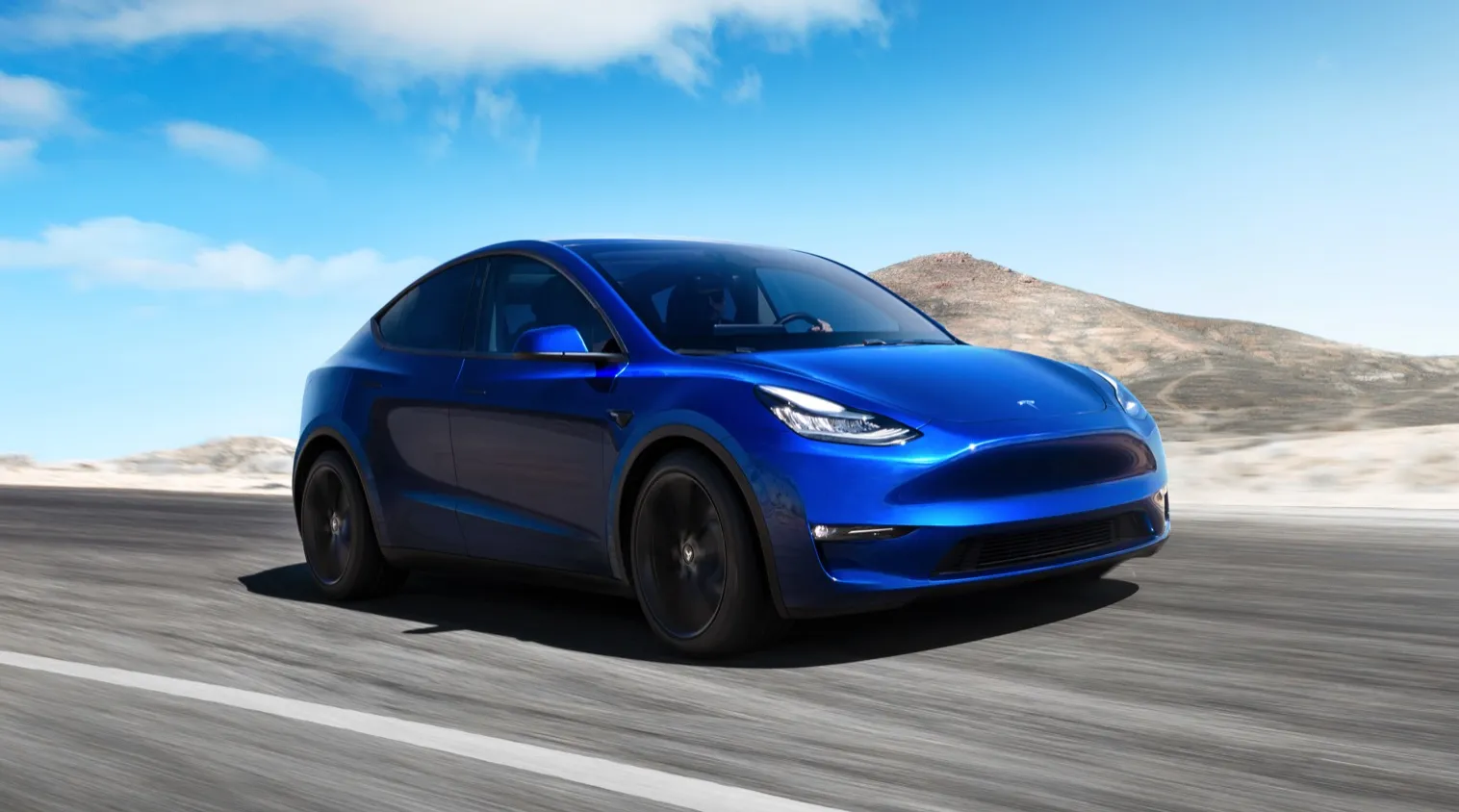 Tesla
Tesla
Tesla Model Y Long Range RWD
 Tesla
Tesla
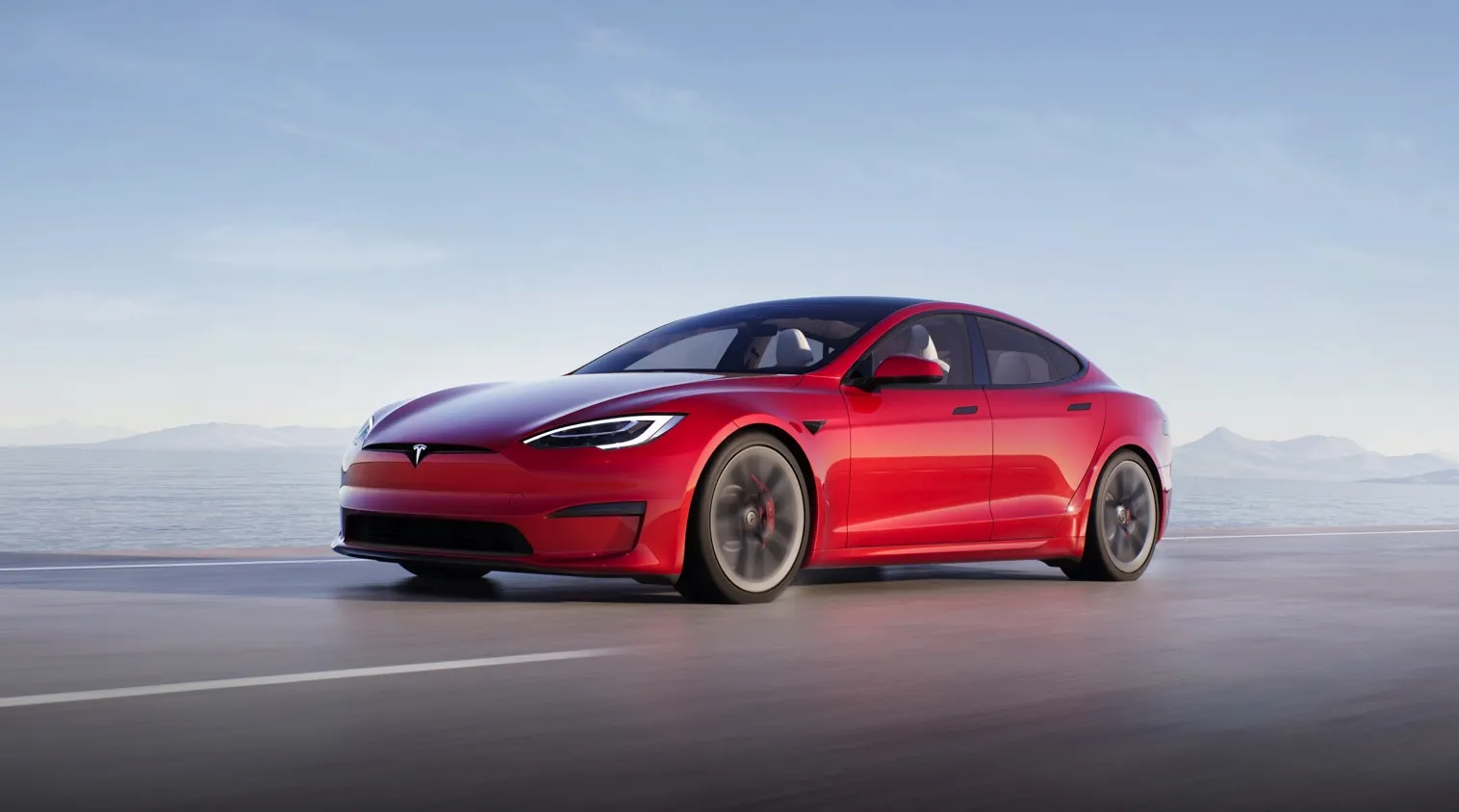
Tesla Model S Plaid
 Tesla
Tesla
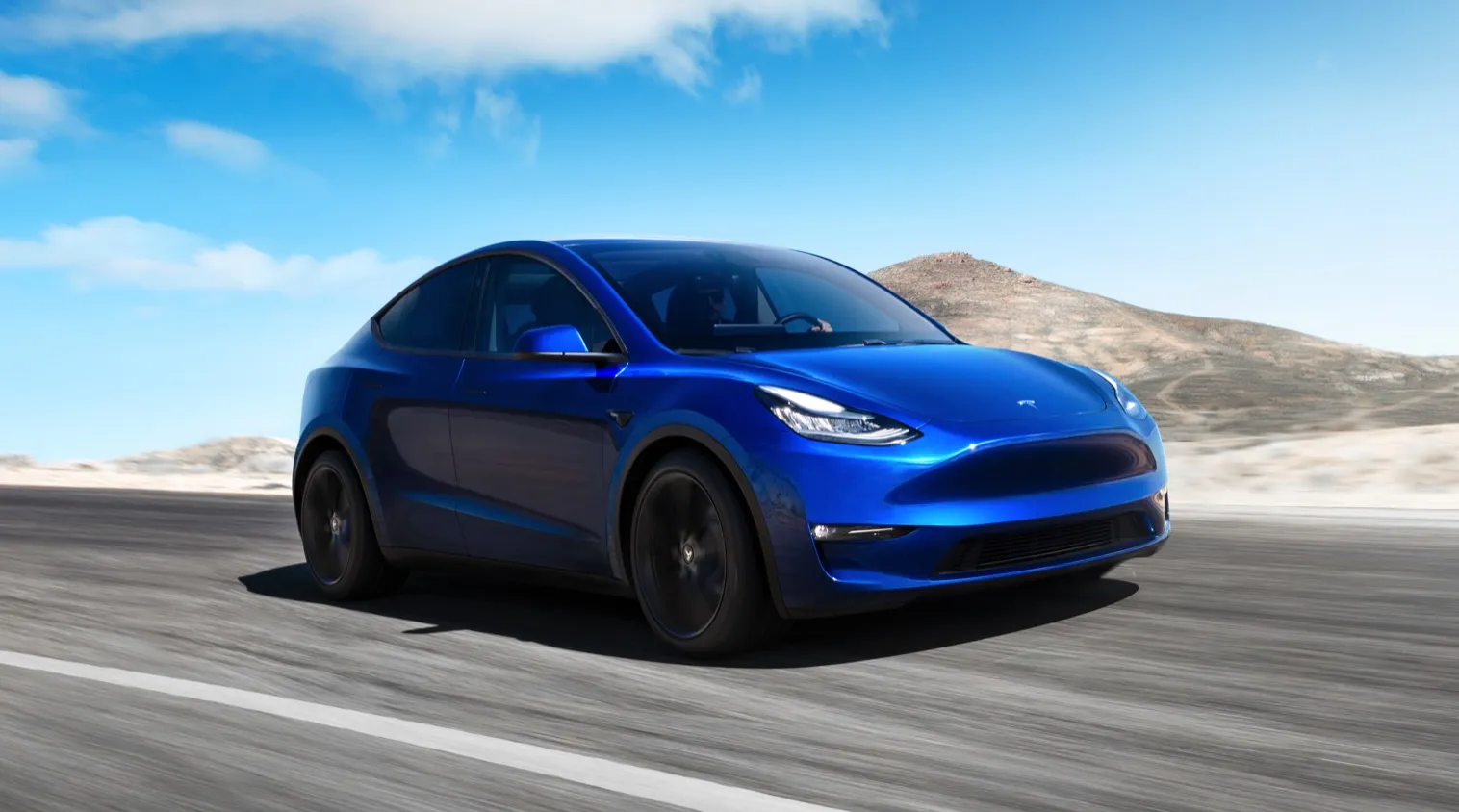
Tesla Model Y Long Range Dual Motor
 Tesla
Tesla