

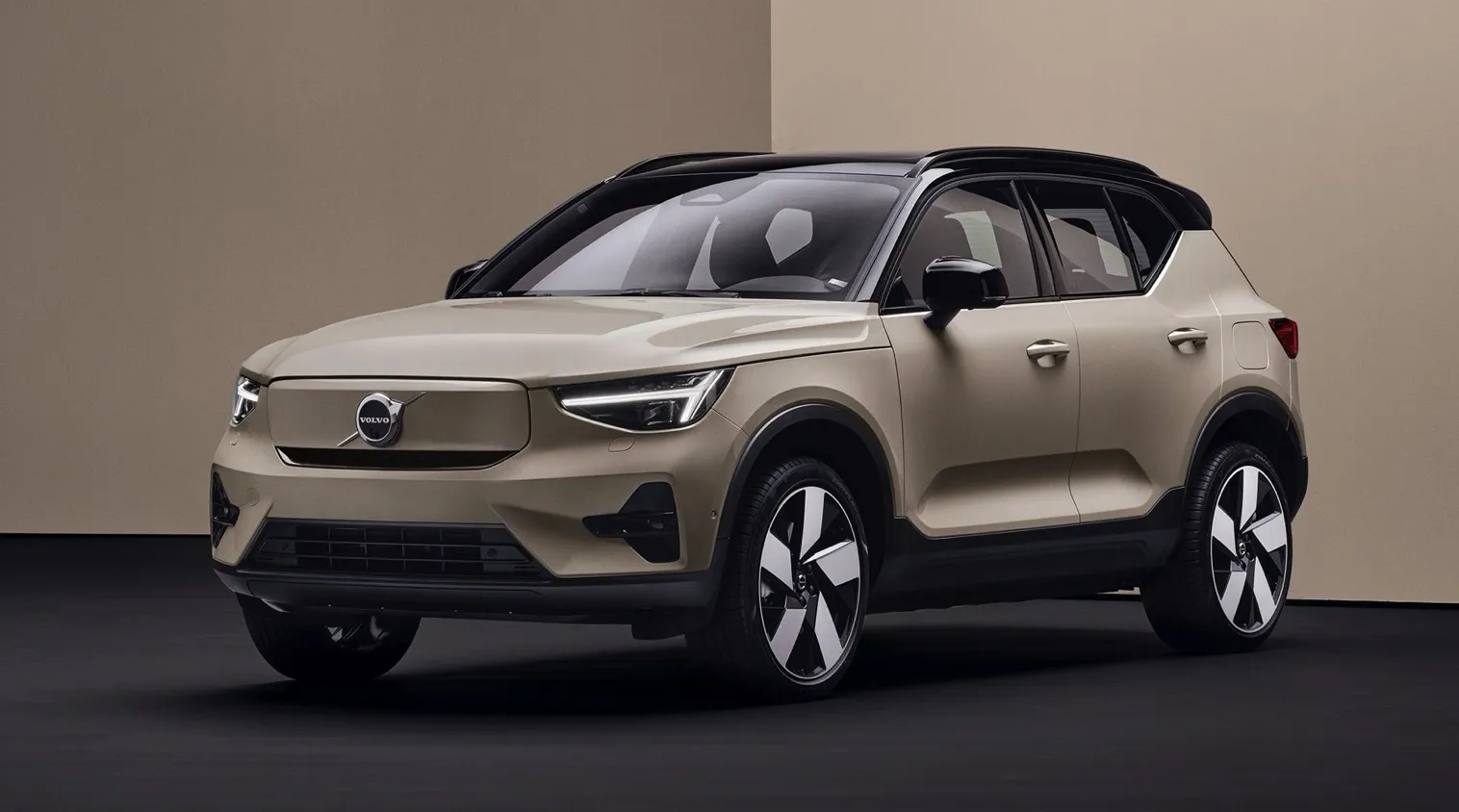
Volvo EX40 Twin Motor Performance
Key Specifications
Real Range Estimation
| City - Cold Weather * | 390 km |
| Highway - Cold Weather * | 270 km |
| Combined - Cold Weather * | 325 km |
between 270 - 565 km
| City - Mild Weather * | 565 km |
| Highway - Mild Weather * | 345 km |
| Combined - Mild Weather * | 435 km |
Battery
| Nominal Capacity | 82.0 kWh |
| Battery Type | Lithium-ion |
| Number of Cells | 324 |
| Architecture | 400 V |
| Warranty Period | 8 years |
| Warranty Mileage | 160,000 km |
| Useable Capacity | 79.0 kWh |
| Cathode Material | NCM |
| Pack Configuration | 108s3p |
| Nominal Voltage | 400 V |
| Form Factor | Pouch |
| Name / Reference | No Data |
Performance
| Acceleration 0 - 100 km/h | 4.6 sec |
| Top Speed | 180 km/h |
| Electric Range * | 380 km |
| Total Power | 325 kW (442 PS) |
| Total Torque | 670 Nm |
| Drive | AWD |
Home and Destination Charging (0 -> 100%)
Charging is possible by using a regular wall plug or a charging station. Public charging is always done through a charging station. How fast the EV can charge depends on the charging station (EVSE) used and the maximum charging capacity of the EV. The table below shows all possible options for charging the Volvo EX40 Twin Motor Performance. Each option shows how fast the battery can be charged from empty to full.
Europe
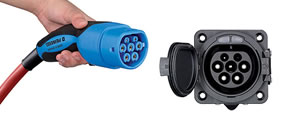
Charging an EV in Europe differs by country. Some European countries primarily use 1-phase connections to the grid, while other countries are almost exclusively using a 3-phase connection. The table below shows all possible ways the Volvo EX40 Twin Motor Performance can be charged, but some modes of charging might not be widely available in certain countries.
| Type 2 (Mennekes - IEC 62196) |
|---|
 |
| Charging Point | Max. Power | Power | Time | Rate |
|---|---|---|---|---|
| Wall Plug (2.3 kW) | 230V / 1x10A | 2.3 kW | 40h30m | 9 km/h |
| 1-phase 16A (3.7 kW) | 230V / 1x16A | 3.7 kW | 25h15m | 15 km/h |
| 1-phase 32A (7.4 kW) | 230V / 1x32A | 7.4 kW | 12h45m | 30 km/h |
| 3-phase 16A (11 kW) | 400V / 3x16A | 11 kW | 8h30m | 45 km/h |
| 3-phase 32A (22 kW) | 400V / 3x16A | 11 kW † | 8h30m | 45 km/h |
† = Limited by on-board charger, vehicle cannot charge faster.
Fast Charging (10 -> 80%)
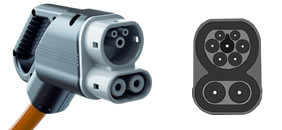
Rapid charging enables longer journeys by adding as much range as possible in the shortest amount of time. Charging power will decrease significantly after 80% state-of-charge has been reached. A typical rapid charge therefore rarely exceeds 80% SoC. The rapid charge rate of an EV depends on the charger used and the maximum charging power the EV can handle. The table below shows all details for rapid charging the Volvo EX40 Twin Motor Performance.
- Max. Power: maximum power provided by charge point
- Avg. Power: average power provided by charge point over a session from 10% to 80%
- Time: time needed to charge from 10% to 80%
- Rate: average charging speed over a session from 10% to 80%
| Combined Charging System (CCS Combo 2) |
|---|
 |
| Charging Point | Max. Power | Avg. Power | Time | Rate |
|---|---|---|---|---|
| CCS (50 kW DC) | 50 kW | 50 kW | 70 min | 220 km/h |
| CCS (100 kW DC) | 100 kW | 85 kW † | 41 min | 380 km/h |
| CCS (150 kW DC) | 150 kW | 105 kW † | 33 min | 480 km/h |
| CCS (175 kW DC) | 175 kW | 115 kW † | 30 min | 530 km/h |
| CCS (350 kW DC) | 205 kW † | 125 kW † | 28 min | 570 km/h |
| This vehicle supports Autocharge |
|---|
| This vehicle does not support Plug & Charge |
† = Limited by charging capabilities of vehicle
Autocharge: allows for automatic initiation of a charging session at supported CCS charging stations.
Plug & Charge: allows for automatic initiation of a charging session at supported CCS charging stations in accordance with ISO 15118.
Actual charging rates may differ from data shown due to factors like outside temperature, state of the battery and driving style.
Volvo Claimed Specifications
The table below shows the claimed specifications from the manufacturer for charging the Volvo EX40 Twin Motor Performance. The specifications can differ from the table above for a variety of reasons. If real-world charge tests are available, these differences can be signifcant. If no real-world tests are available, the table above will be based on the manufacturer specifications as per the table below.
- Max. Power: maximum charge power during charging session
- Charge From: battery percentage (% SoC) where charging session is started
- Charge To: battery percentage (% SoC) where charging session is ended
- Time: time needed for charging session
| Volvo Claimed Specifications |
|---|
| Max. Power | Charge From | Charge To | Time |
|---|---|---|---|
| 205 kW | 10 % | 80 % | 28 min |
Dimensions and Weight
| Length | 4440 mm |
| Width | 1863 mm |
| Width with mirrors | 2034 mm |
| Height | 1652 mm |
| Wheelbase | 2702 mm |
| Weight Unladen (EU) | 2184 kg |
| Gross Vehicle Weight (GVWR) | 2650 kg |
| Max. Payload | 541 kg |
| Cargo Volume | 410 L |
| Cargo Volume Max | 1286 L |
| Cargo Volume Frunk | 31 L |
| Roof Load | 75 kg |
| Tow Hitch Possible | Yes |
| Towing Weight Unbraked | 750 kg |
| Towing Weight Braked | 1800 kg |
| Vertical Load Max | 100 kg |
About this Vehicle
Volvo EX40 Twin Motor Performance Overview
The Volvo EX40 Twin Motor Performance is Volvo’s compact premium electric SUV, positioned above the Single Motor Extended Range variant as the choice for drivers who want maximum power and all‑weather capability in a practical city-friendly package. This EX40 review focuses on the dual‑motor flagship, which pairs Scandinavian design with serious EV specs and a focus on safety and comfort.
Aimed at tech-savvy families and company-car drivers, the Volvo EX40 Twin Motor Performance competes directly with compact luxury EVs like the Tesla Model Y, Audi Q4 e-tron and BMW iX1. It sits in the heart of the fast-growing electric SUV segment with a blend of performance, usable range and a premium cabin that will appeal to buyers stepping out of combustion or plug‑in hybrid models.
Key distinguishing features include its dual‑motor AWD system, an 82 kWh battery shared with high‑spec Volvo EVs, Google-based infotainment, and Volvo’s trademark safety suite. In the wider EV landscape, the EX40 Twin Motor Performance matters because it shows how a relatively compact SUV can deliver over 400 hp, competitive electric vehicle range, and rapid charging, without sacrificing refinement or everyday practicality.
—
Volvo EX40 Twin Motor Performance and Driving Experience
With two electric motors (one on each axle), the Volvo EX40 Twin Motor Performance delivers around 402–442 hp and 670 Nm / 494 lb-ft of torque, depending on market tune. Official figures commonly quote 402 hp and 494 lb-ft, while some European data lists a 442 hp calibration. Either way, the result is a compact SUV that accelerates from 0‑60 mph in about 4.4–4.7 seconds and 0‑100 km/h in 4.6–4.9 seconds, with a top speed of 112 mph (180 km/h).
On the road, the EX40 Twin Motor Performance feels instant and effortless, with strong mid‑range punch for overtakes and confident AWD traction in wet or snowy conditions. The chassis is tuned more for comfort and stability than playful handling, but it still feels secure and composed in corners, with the quiet cabin and smooth power delivery making it an excellent motorway cruiser.
| Specification | Value |
|---|---|
| 0-60 mph (0-100 km/h) | 4.4–4.7 sec / 4.6–4.9 sec |
| Top Speed | 112 mph / 180 km/h |
| Power Output | 402–442 hp / 300–328 kW |
| Torque | 494 lb-ft / 670 Nm |
—
Volvo EX40 Twin Motor Performance Range and Battery Specifications
The Volvo EX40 Twin Motor Performance uses Volvo’s larger 82 kWh battery (around 79 kWh usable) with NCM lithium‑ion chemistry, shared with the Single Motor Extended Range variant. Officially, the Twin Motor model is rated at about 260 miles EPA and up to 332 miles / 535 km WLTP in its most efficient configuration.
Real‑world range is typically lower than the headline figures. Independent testing suggests a motorway/70‑mph road-trip range of roughly 190–200 miles (305–320 km), while mixed driving can bring you closer to 220–250 miles (355–400 km) depending on temperature, terrain and driving style. Energy efficiency usually lands around 17–20 kWh/100 km (270–320 Wh/mi) in everyday use. Cold weather, high speeds and aggressive acceleration will noticeably reduce the Volvo EX40 Twin Motor Performance’s real‑world range.
| Range Metric | Value |
|---|---|
| WLTP Range | ~332 miles / 535 km |
| EPA Range | ~260 miles / 418 km |
| Real-World Range | ~220–250 miles / 355–400 km |
| Battery Capacity | 79.0 kWh (usable) |
—
Volvo EX40 Twin Motor Performance Charging Times and Options
At home, the Volvo EX40 Twin Motor Performance supports AC charging up to 11 kW via a Level 2 wallbox. On a typical 7 kW home charger, a full charge from near empty to 100% will take around 11–12 hours, while an 11 kW unit can cut that to roughly 8–9 hours. Level 1 (120 V) charging is technically possible but only useful for occasional top‑ups due to very slow speeds.
On the road, the EX40 Twin Motor Performance can DC fast charge at up to 200–205 kW. Under ideal conditions, Volvo claims a 10–80% charge in about 28 minutes, and independent tests show that adding roughly 90–150 miles of range in 15–30 minutes is realistic. The car works with major CCS-based fast‑charging networks, making it a viable choice for long‑distance touring, provided you plan charging stops along the route.
| Charging Method | Time | Speed |
|---|---|---|
| Level 1 (120V) | 40–60+ hours (0–100%) | ~1–2 kW |
| Level 2 (240V/7kW) | ~11–12 hours (0–100%) | ~7 kW |
| Level 2 (240V/11kW) | ~8–9 hours (0–100%) | ~11 kW |
| DC Fast Charge (10-80%) | ~28 min | up to 200–205 kW |
—
Volvo EX40 Twin Motor Performance vs Competitors
In a Volvo EX40 vs Tesla Model Y comparison, the Tesla typically offers more range and faster ultra‑fast charging, but the Volvo counters with a more refined interior, stronger safety focus and a calmer driving experience. Versus the Audi Q4 e-tron, the EX40 Twin Motor Performance is quicker and feels more compact, while the Audi may edge it on cabin quietness. Compared with the Hyundai Ioniq 5 or Kia EV6, the Volvo EX40 Twin Motor Performance trades some charging speed and interior space for a more premium, minimalist feel and a strong brand emphasis on safety and sustainability.
—
Frequently Asked Questions
Related Vehicles
View All Volvo
Volvo
Volvo EX90 Twin Motor
 Volvo
Volvo
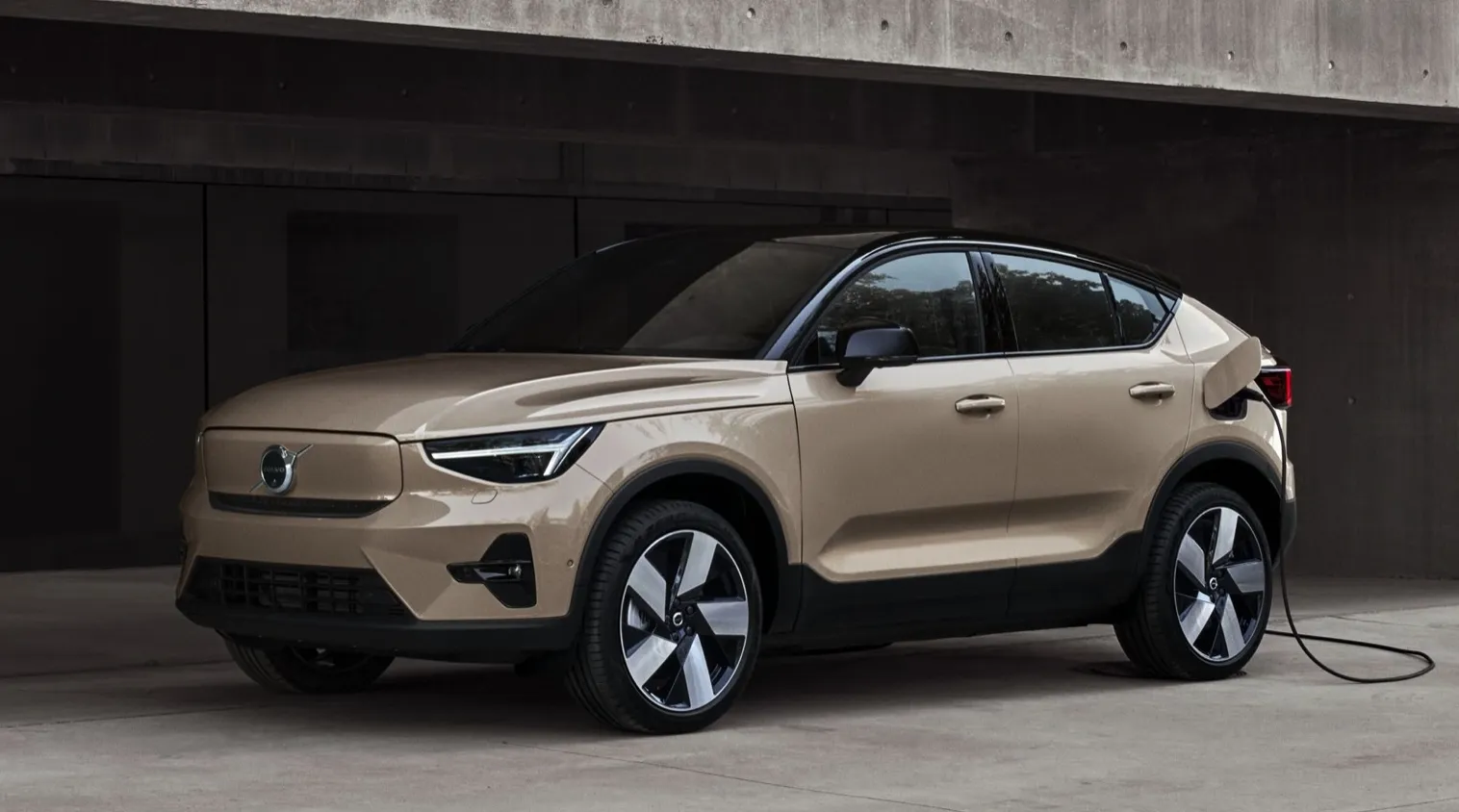
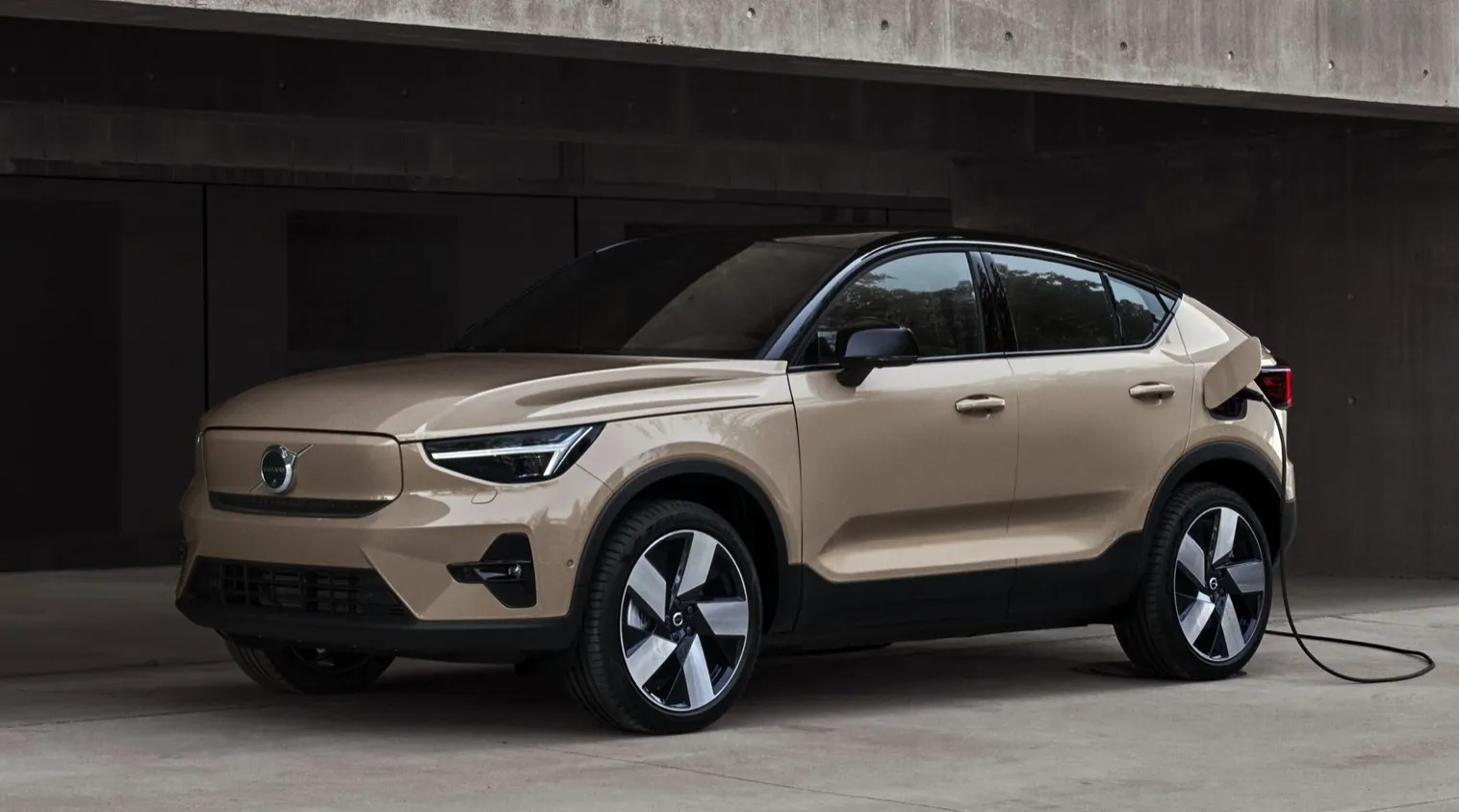
Volvo EC40 Single Motor
 Volvo
Volvo
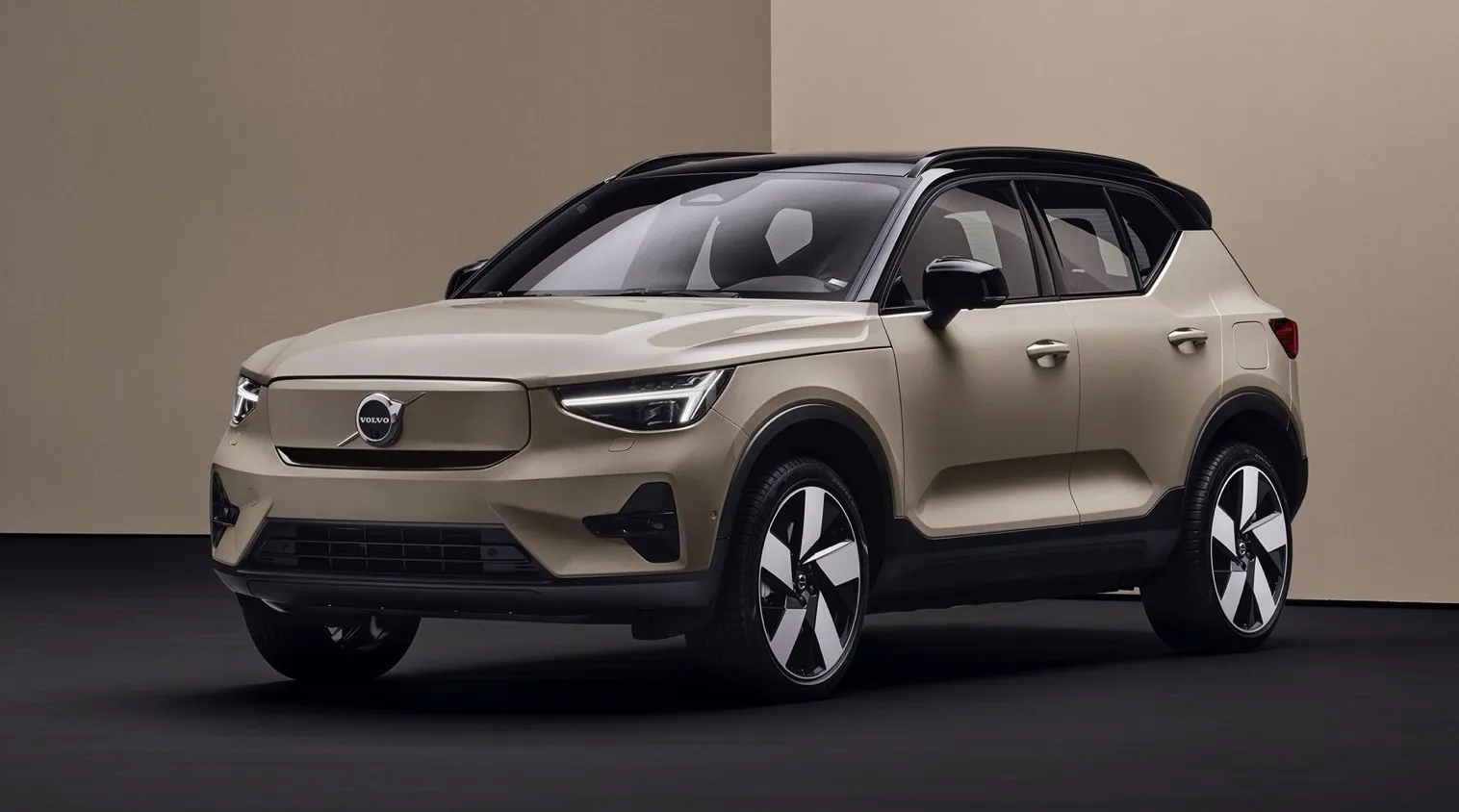
Volvo EC40 Twin Motor
 Volvo
Volvo