

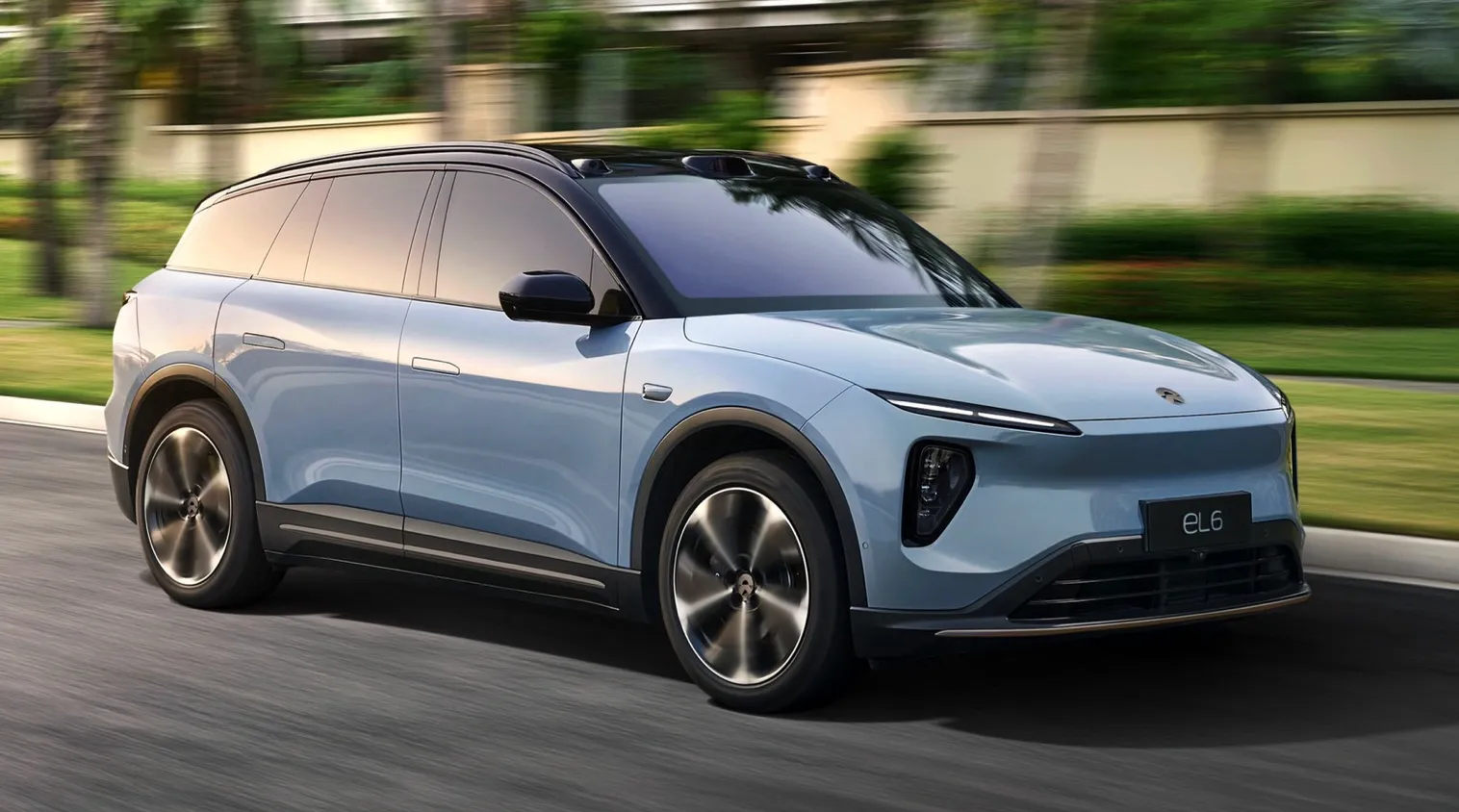
NIO EL6 Standard Range
Key Specifications
Real Range Estimation
| City - Cold Weather * | 360 km |
| Highway - Cold Weather * | 260 km |
| Combined - Cold Weather * | 310 km |
between 260 - 525 km
| City - Mild Weather * | 525 km |
| Highway - Mild Weather * | 335 km |
| Combined - Mild Weather * | 415 km |
Battery
| Nominal Capacity | 75.0 kWh |
| Battery Type | Lithium-ion |
| Number of Cells | 118 |
| Architecture | 400 V |
| Warranty Period | No Data |
| Warranty Mileage | No Data |
| Useable Capacity | 73.5 kWh |
| Cathode Material | LFP & NCM |
| Pack Configuration | 118s1p |
| Nominal Voltage | No Data |
| Form Factor | No Data |
| Name / Reference | No Data |
Performance
| Acceleration 0 - 100 km/h | 4.5 sec |
| Top Speed | 200 km/h |
| Electric Range * | 365 km |
| Total Power | 360 kW (489 PS) |
| Total Torque | 700 Nm |
| Drive | AWD |
Home and Destination Charging (0 -> 100%)
Charging is possible by using a regular wall plug or a charging station. Public charging is always done through a charging station. How fast the EV can charge depends on the charging station (EVSE) used and the maximum charging capacity of the EV. The table below shows all possible options for charging the NIO EL6 Standard Range. Each option shows how fast the battery can be charged from empty to full.
Europe
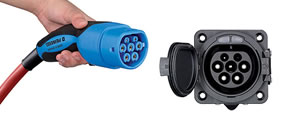
Charging an EV in Europe differs by country. Some European countries primarily use 1-phase connections to the grid, while other countries are almost exclusively using a 3-phase connection. The table below shows all possible ways the NIO EL6 Standard Range can be charged, but some modes of charging might not be widely available in certain countries.
| Type 2 (Mennekes - IEC 62196) |
|---|
 |
| Charging Point | Max. Power | Power | Time | Rate |
|---|---|---|---|---|
| Wall Plug (2.3 kW) | 230V / 1x10A | 2.3 kW | 37h45m | 10 km/h |
| 1-phase 16A (3.7 kW) | 230V / 1x16A | 3.7 kW | 23h30m | 16 km/h |
| 1-phase 32A (7.4 kW) | 230V / 1x32A | 7.4 kW | 11h45m | 31 km/h |
| 3-phase 16A (11 kW) | 400V / 3x16A | 11 kW | 8 hours | 46 km/h |
| 3-phase 32A (22 kW) | 400V / 3x16A | 11 kW † | 8 hours | 46 km/h |
† = Limited by on-board charger, vehicle cannot charge faster.
Fast Charging (10 -> 80%)
Rapid charging enables longer journeys by adding as much range as possible in the shortest amount of time. Charging power will decrease significantly after 80% state-of-charge has been reached. A typical rapid charge therefore rarely exceeds 80% SoC. The rapid charge rate of an EV depends on the charger used and the maximum charging power the EV can handle. The table below shows all details for rapid charging the NIO EL6 Standard Range.
- Max. Power: maximum power provided by charge point
- Avg. Power: average power provided by charge point over a session from 10% to 80%
- Time: time needed to charge from 10% to 80%
- Rate: average charging speed over a session from 10% to 80%
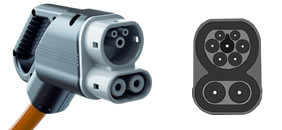
| Combined Charging System (CCS Combo 2) |
|---|
 |
| Charging Point | Max. Power | Avg. Power | Time | Rate |
|---|---|---|---|---|
| CCS (50 kW DC) | 50 kW | 45 kW † | 72 min | 210 km/h |
| CCS (100 kW DC) | 100 kW | 80 kW † | 41 min | 370 km/h |
| CCS (150 kW DC) | 140 kW † | 110 kW † | 30 min | 510 km/h |
| This vehicle supports Autocharge |
|---|
| This vehicle does not support Plug & Charge |
† = Limited by charging capabilities of vehicle
Autocharge: allows for automatic initiation of a charging session at supported CCS charging stations.
Plug & Charge: allows for automatic initiation of a charging session at supported CCS charging stations in accordance with ISO 15118.
Actual charging rates may differ from data shown due to factors like outside temperature, state of the battery and driving style.
Dimensions and Weight
| Length | 4854 mm |
| Width | 1995 mm |
| Width with mirrors | 2212 mm |
| Height | 1703 mm |
| Wheelbase | 2915 mm |
| Weight Unladen (EU) | 2378 kg |
| Gross Vehicle Weight (GVWR) | 2843 kg |
| Max. Payload | 540 kg |
| Cargo Volume | 579 L |
| Cargo Volume Max | 1430 L |
| Cargo Volume Frunk | 0 L |
| Roof Load | 75 kg |
| Tow Hitch Possible | Yes |
| Towing Weight Unbraked | 750 kg |
| Towing Weight Braked | 1200 kg |
| Vertical Load Max | 75 kg |
About this Vehicle
# NIO EL6 Standard Range: Premium Chinese Electric SUV with Impressive Performance
NIO EL6 Standard Range Overview
The NIO EL6 Standard Range is a premium mid-size electric SUV that positions NIO as a serious contender in the global EV market. This Chinese manufacturer has engineered the EL6 to compete directly with established premium brands, offering sophisticated technology, impressive performance, and a practical range in an elegant package. The Standard Range variant features a 75 kWh usable battery, making it the more accessible entry point to the EL6 lineup while maintaining the brand’s commitment to quality and innovation.
The NIO EL6 targets affluent buyers seeking a premium electric SUV experience without the premium price tag of traditional luxury brands. Built on NIO’s dedicated NT2.0 platform, the EL6 combines advanced battery technology, dual-motor all-wheel-drive, and sophisticated driver assistance systems. The vehicle’s 0.25 drag coefficient demonstrates aerodynamic efficiency, while its adaptive suspension with electronically controlled damping provides a refined driving experience. The EL6 Standard Range appeals to buyers who prioritize practicality and real-world usability over maximum range, offering a compelling balance of performance, technology, and value.
What sets the NIO EL6 apart in the competitive EV landscape is its integration of NIO’s Aquila Super Sensing system, a comprehensive suite of cameras and sensors designed for advanced autonomous capabilities. The vehicle achieved a five-star Euro NCAP safety rating, scoring 93 percent in adult occupancy protection and 85 percent in child safety—credentials that rival established premium manufacturers. For buyers considering an electric SUV review, the EL6 Standard Range represents a thoughtful alternative to Tesla Model Y and BMW iX competitors.
NIO EL6 Standard Range Performance and Driving Experience
The NIO EL6 Standard Range delivers impressive acceleration and responsive handling characteristics that belie its premium positioning. The dual-motor all-wheel-drive system combines an induction motor at the front with a permanent magnet motor at the rear, producing 360 kW (483 hp) and 516 lb-ft of torque. This powertrain enables the EL6 to accelerate from 0-60 mph in just 4.3 seconds, making it competitive with performance-focused competitors. The electronically controlled adaptive suspension with adjustable damping front and rear ensures composed handling through corners while maintaining a comfortable ride quality for daily driving.
The NIO EL6 features multiple regenerative braking modes that enable efficient energy recovery, with one-pedal driving capability for city conditions. The vehicle’s 12.4-meter turning circle and double-wishbone front suspension with multilink rear suspension provide excellent maneuverability and stability. Real-world driving impressions highlight the refined power delivery and responsive steering, making the EL6 Standard Range an engaging SUV to drive despite its practical focus.
| Specification | Value |
|---|---|
| 0-60 mph (0-100 km/h) | 4.3 sec |
| Top Speed | 124 mph / 200 km/h |
| Power Output | 483 hp / 360 kW |
| Torque | 516 lb-ft / 700 Nm |
NIO EL6 Standard Range and Battery Specifications
The NIO EL6 Standard Range packs a 75 kWh gross battery (73.5 kWh usable) that delivers practical, real-world range for daily driving and weekend trips. Official WLTP range reaches 513 km (319 miles) for the Standard Range variant, though real-world testing by Green Cars Compare indicates approximately 214-280 miles depending on driving conditions and climate. The EL6 achieves an efficiency rating of 13.7 kWh/100km under WLTP conditions, demonstrating competitive energy efficiency for a premium mid-size SUV.
Battery chemistry and thermal management are critical factors in the EL6 Standard Range’s performance. The 118s1p pack configuration operates at 386V nominal voltage, optimized for both charging speed and longevity. Weather conditions, driving style, and terrain significantly impact real-world range—highway driving at sustained speeds reduces range compared to mixed urban-highway driving. The NIO EL6 battery management system actively monitors cell health and temperature, ensuring consistent performance across diverse climates.
| Range Metric | Value |
|---|---|
| WLTP Range | 513 km / 319 miles |
| Real-World Range | 214-280 miles |
| Battery Capacity | 75 kWh gross / 73.5 kWh usable |
| Energy Efficiency | 13.7 kWh/100km |
NIO EL6 Standard Range Charging Times and Options
The NIO EL6 Standard Range supports multiple charging scenarios through its 11 kW onboard AC charger and 140 kW DC fast charging capability. Home charging with a Level 2 (240V/11kW) connection fully charges the battery in approximately 7 hours, making overnight charging practical for daily commuters. The EL6 accepts CCS charging connectors, ensuring compatibility with most public charging networks across Europe and other markets.
DC fast charging represents the NIO EL6’s strength for road trips, achieving 10-80% charge in roughly 30 minutes at peak 140 kW charging speed. This capability makes the EL6 Standard Range suitable for longer journeys when combined with strategic charging stops. The charging port location on the left rear provides convenient access at most charging stations.
| Charging Method | Time | Speed |
|---|---|---|
| Level 1 (120V) | ~48 hours | ~1.4 kW |
| Level 2 (240V/11kW) | ~7 hours | 11 kW |
| DC Fast Charge (10-80%) | ~30 minutes | up to 140 kW |
NIO EL6 Standard Range vs Competitors
The NIO EL6 Standard Range competes directly with the Tesla Model Y Standard Range, BMW iX xDrive40, and Audi Q4 e-tron. Compared to the Model Y, the EL6 offers superior interior space and a more refined suspension setup, though Tesla maintains a charging network advantage. Against the BMW iX, the NIO EL6 delivers faster acceleration (4.3 vs 5.5 seconds) at a significantly lower price point. The EL6 matches the Audi Q4 e-tron’s performance but provides better real-world range efficiency and a more advanced driver assistance suite through its Aquila Super Sensing system.
Frequently Asked Questions
Related Vehicles
View All NIO
NIO
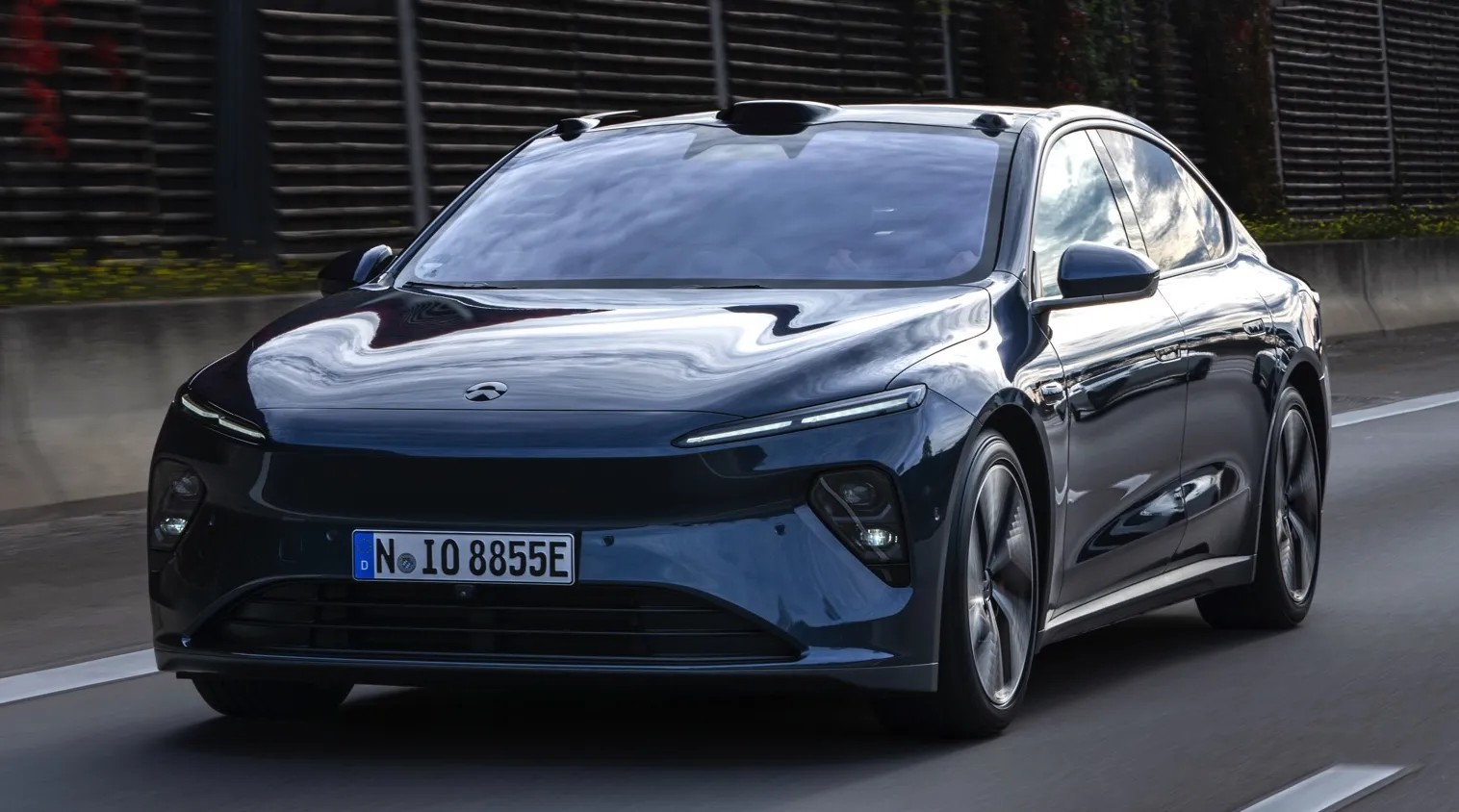
NIO ET5 Long Range
 NIO
NIO
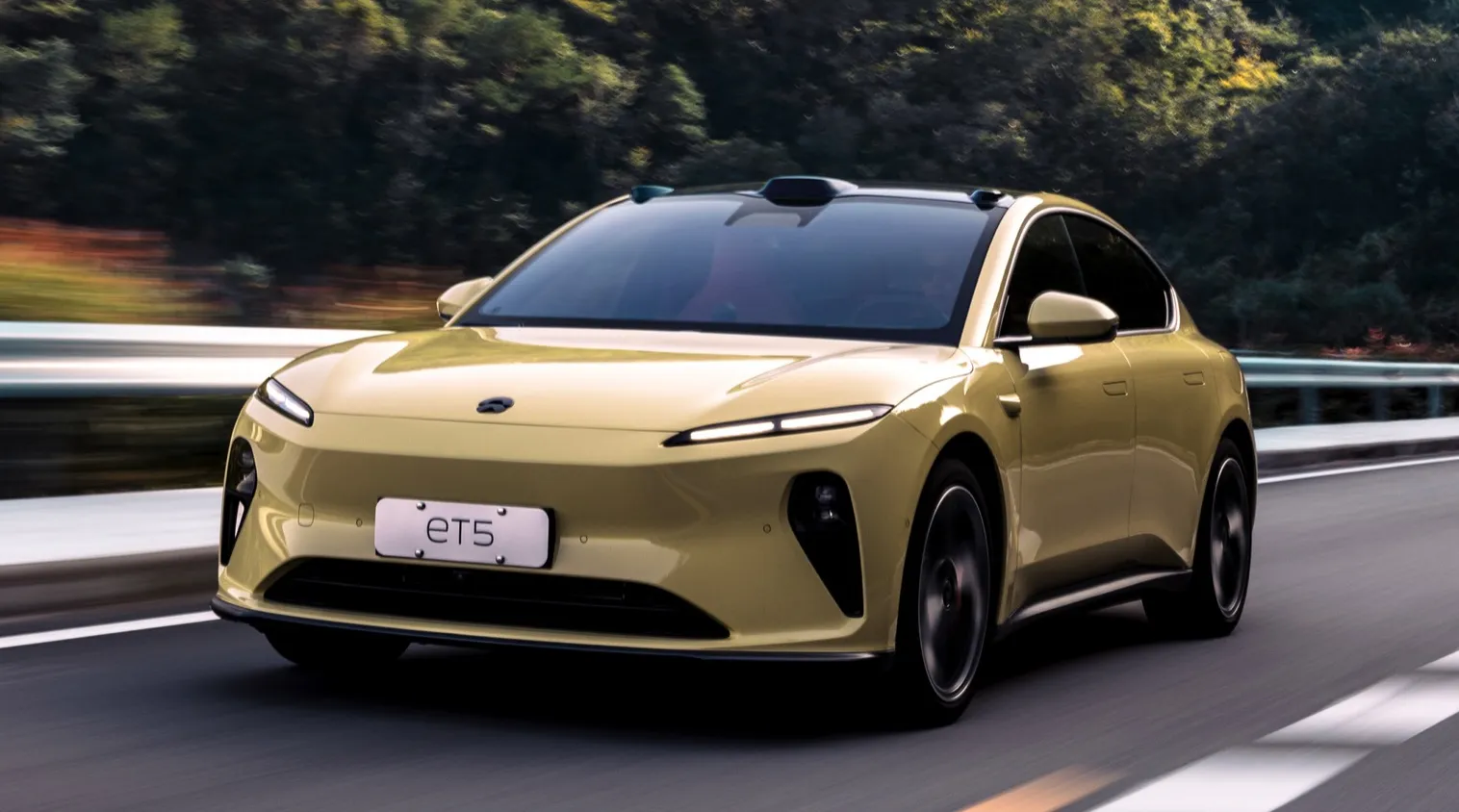
NIO ET7 Standard Range
 NIO
NIO
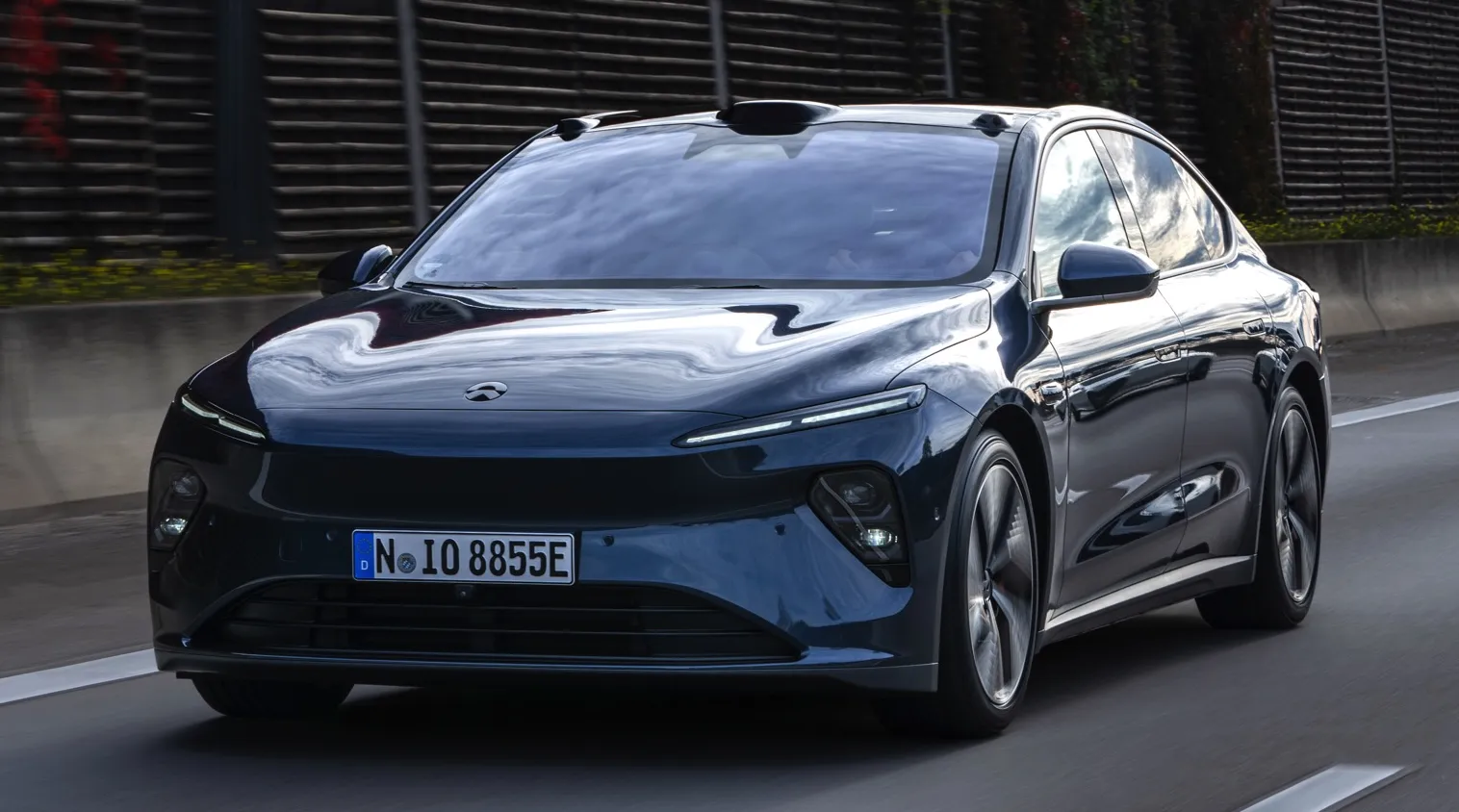
NIO ET5 Standard Range
 NIO
NIO