

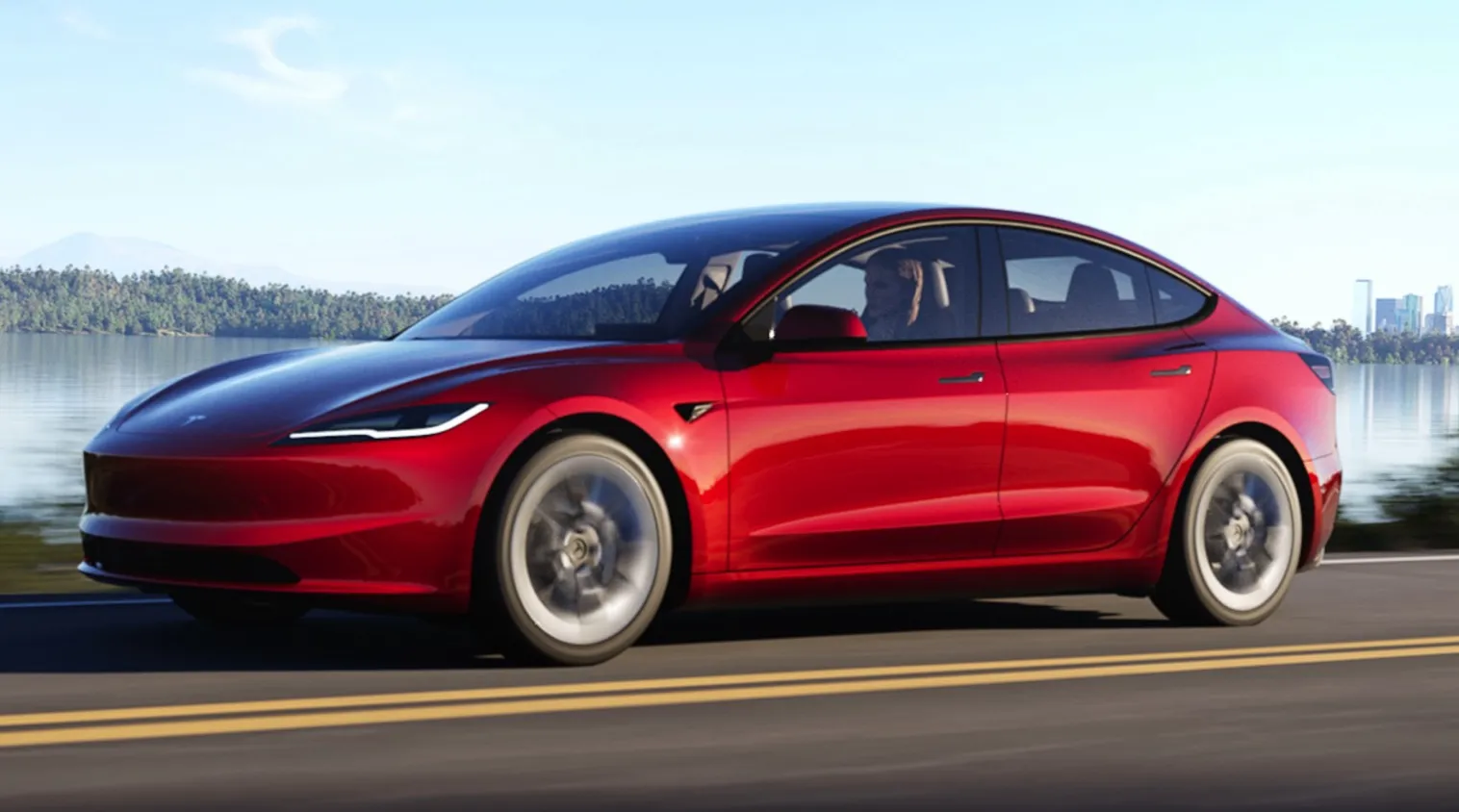
Tesla Model 3
Key Specifications
Real Range
| City - Cold Weather | 385 km |
| Highway - Cold Weather | 305 km |
| Combined - Cold Weather | 345 km |
between 305 - 615 km
| City - Mild Weather | 615 km |
| Highway - Mild Weather | 405 km |
| Combined - Mild Weather | 495 km |
Battery
| Nominal Capacity* | 60.0 kWh |
| Battery Type | Lithium-ion |
| Number of Cells | 106 |
| Architecture | 400 V |
| Warranty Period | 8 years |
| Warranty Mileage | 160,000 km |
| Useable Capacity* | 57.5 kWh |
| Cathode Material | LFP |
| Pack Configuration | 106s1p |
| Nominal Voltage | 340 V |
| Form Factor | Prismatic |
| Name / Reference | CATL LFP60 |
Performance
| Acceleration 0 - 100 km/h | 6.1 sec |
| Top Speed | 201 km/h |
| Electric Range | 420 km |
| Total Power | 208 kW (283 PS) |
| Total Torque * | 420 Nm |
| Drive | Rear |
Home and Destination Charging (0 -> 100%)
Charging is possible by using a regular wall plug or a charging station. Public charging is always done through a charging station. How fast the EV can charge depends on the charging station (EVSE) used and the maximum charging capacity of the EV. The table below shows all possible options for charging the Tesla Model 3. Each option shows how fast the battery can be charged from empty to full.
Europe
Charging an EV in Europe differs by country. Some European countries primarily use 1-phase connections to the grid, while other countries are almost exclusively using a 3-phase connection. The table below shows all possible ways the Tesla Model 3 can be charged, but some modes of charging might not be widely available in certain countries.
| Type 2 (Mennekes - IEC 62196) |
|---|
 |
| Charging Point | Max. Power | Power | Time | Rate |
|---|---|---|---|---|
| Wall Plug (2.3 kW) | 230V / 1x10A | 2.3 kW | 29h30m | 14 km/h |
| 1-phase 16A (3.7 kW) | 230V / 1x16A | 3.7 kW | 18h30m | 23 km/h |
| 1-phase 32A (7.4 kW) | 230V / 1x32A | 7.4 kW | 9h15m | 45 km/h |
| 3-phase 16A (11 kW) | 400V / 3x16A | 11 kW | 6h15m | 67 km/h |
| 3-phase 32A (22 kW) | 400V / 3x16A | 11 kW † | 6h15m | 67 km/h |
† = Limited by on-board charger, vehicle cannot charge faster.
Fast Charging (10 -> 80%)
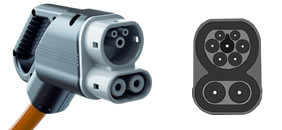
Rapid charging enables longer journeys by adding as much range as possible in the shortest amount of time. Charging power will decrease significantly after 80% state-of-charge has been reached. A typical rapid charge therefore rarely exceeds 80% SoC. The rapid charge rate of an EV depends on the charger used and the maximum charging power the EV can handle. The table below shows all details for rapid charging the Tesla Model 3.
- Max. Power: maximum power provided by charge point
- Avg. Power: average power provided by charge point over a session from 10% to 80%
- Time: time needed to charge from 10% to 80%
- Rate: average charging speed over a session from 10% to 80%
| Combined Charging System (CCS Combo 2) |
|---|
 |
| Charging Point | Max. Power | Avg. Power | Time | Rate |
|---|---|---|---|---|
| CCS (50 kW DC) | 50 kW | 45 kW † | 56 min | 310 km/h |
| Supercharger v2 Shared (75 kW DC) | 75 kW | 65 kW † | 39 min | 450 km/h |
| Supercharger v2 (150 kW DC) | 150 kW | 100 kW † | 25 min | 700 km/h |
| CCS (175 kW DC) | 170 kW † | 108 kW † | 24 min | 730 km/h |
| Supercharger v3 (250 kW DC) | 170 kW † | 108 kW † | 24 min | 730 km/h |
| CCS (350 kW DC) | 170 kW † | 108 kW † | 24 min | 730 km/h |
| This vehicle supports Autocharge |
|---|
| This vehicle does not support Plug & Charge |
† = Limited by charging capabilities of vehicle
Autocharge: allows for automatic initiation of a charging session at supported CCS charging stations.
Plug & Charge: allows for automatic initiation of a charging session at supported CCS charging stations in accordance with ISO 15118.
Actual charging rates may differ from data shown due to factors like outside temperature, state of the battery and driving style.
Dimensions and Weight
| Length | 4720 mm |
| Width | 1849 mm |
| Width with mirrors | 2089 mm |
| Height | 1441 mm |
| Wheelbase | 2875 mm |
| Weight Unladen (EU) | 1836 kg |
| Gross Vehicle Weight (GVWR) | 2200 kg |
| Max. Payload | 439 kg |
| Cargo Volume | 594 L |
| Cargo Volume Max | No Data |
| Cargo Volume Frunk | 88 L |
| Roof Load | 70 kg |
| Tow Hitch Possible | Yes |
| Towing Weight Unbraked | 750 kg |
| Towing Weight Braked | 1000 kg |
| Vertical Load Max | 55 kg |
About this Vehicle
Tesla Model 3 Overview
The Tesla Model 3 stands as one of the most influential electric sedans on the market, combining performance, range, and affordability in a sleek four-door package. This premium mainstream EV targets environmentally conscious drivers seeking practical daily transportation without compromising on technology or driving dynamics. The Model 3 represents Tesla’s commitment to making electric vehicles accessible while maintaining the brand’s signature performance credentials and advanced autonomous driving capabilities.
Available in four distinct configurations—Standard, Premium Rear-Wheel Drive, Premium All-Wheel Drive, and Performance—the Tesla Model 3 caters to diverse buyer preferences. Each variant leverages Tesla’s proprietary electric motor technology and integrated battery management systems, delivering exceptional efficiency across the lineup. The Model 3’s minimalist interior design, dominated by a 15.4-inch center touchscreen, exemplifies Tesla’s philosophy of digital-first vehicle control. With its proven track record and continuous software updates, the Model 3 remains a benchmark for what modern electric sedans can achieve.
The Tesla Model 3 has redefined expectations for entry-level premium EVs, offering genuine performance credentials that rival traditional sports cars while maintaining zero-emission operation. Its combination of rapid acceleration, impressive range, and extensive Supercharger network access makes it an exceptionally practical choice for both daily commuting and long-distance travel.
Tesla Model 3 Performance and Driving Experience
The Tesla Model 3 delivers impressive acceleration across all variants, with the Standard RWD model producing 286 horsepower and achieving 0-60 mph in 5.8 seconds. The Long Range AWD variant steps up performance with dual motors generating 425 horsepower, accelerating from 0-60 mph in approximately 4.2 seconds. For performance enthusiasts, the Model 3 Performance variant unleashes 510 horsepower, achieving a remarkable 2.9-second 0-60 mph time, making it one of the quickest electric sedans available.
The Model 3’s multilink suspension design on both front and rear axles provides responsive handling characteristics and composed ride quality. The Performance variant features upgraded 14.0-inch front brakes compared to the standard 12.6-inch setup, ensuring confident deceleration from high speeds. Real-world driving impressions consistently highlight the Model 3’s smooth power delivery, precise steering response, and minimal body roll during cornering. The direct-drive transmission eliminates gear-shifting delays, providing instantaneous torque application that makes acceleration feel effortless.
| Specification | Value |
|---|---|
| 0-60 mph (Standard RWD) | 5.8 sec |
| 0-60 mph (Long Range AWD) | 4.2 sec |
| 0-60 mph (Performance) | 2.9 sec |
| Top Speed | 125+ mph |
| Power Output (Standard) | 286 hp |
| Power Output (Long Range) | 425 hp |
| Power Output (Performance) | 510 hp |
| Torque (Performance) | 554 lb-ft |
Tesla Model 3 Range and Battery Specifications
The Tesla Model 3 Standard RWD delivers an EPA-estimated range of 321 miles, making it one of the longest-range entry-level electric vehicles available. The Long Range AWD variant extends this to 346 miles EPA-estimated, while the Performance model achieves 363 miles EPA-estimated. Real-world testing by Car and Driver confirmed 310 miles for the Single Motor RWD and 260 miles for the Dual Motor Performance variant, demonstrating that actual range varies based on driving conditions and style.
All Tesla Model 3 variants utilize a liquid-cooled lithium-ion battery pack with 79.7 kWh capacity. The Standard model employs a ~69.5 kWh usable battery that balances range with affordability. Energy efficiency remains exceptional across the lineup, with the Model 3 achieving 112-117 MPGe combined depending on configuration. Weather conditions, highway versus city driving, and aggressive acceleration all impact real-world range, typically reducing EPA estimates by 10-15% in cold climates or high-speed highway conditions.
| Range Metric | Value |
|---|---|
| EPA Range (Standard RWD) | 321 miles |
| EPA Range (Long Range AWD) | 346 miles |
| EPA Range (Performance) | 363 miles |
| Real-World Range (RWD) | 310 miles |
| Battery Capacity | 79.7 kWh |
| Energy Efficiency | 112-117 MPGe |
| Ground Clearance | 5.4 inches |
Tesla Model 3 Charging Times and Options
Home charging with a Level 2 (240V) connection provides convenient overnight charging, with the Model 3’s 11.5 kW onboard charger supporting rapid AC charging. For DC fast charging, the Tesla Model 3 supports up to 250 kW peak charging rates at Tesla Supercharger stations. A single 15-minute Supercharging session adds approximately 170-195 miles of range, depending on battery state and ambient temperature.
The Model 3’s integration with Tesla’s proprietary Supercharger network provides unmatched charging infrastructure access across North America, Europe, and Asia. Average DC fast-charging rates from 10-90% state of charge reach approximately 98 kW, completing a full charge cycle in roughly 39 minutes. For practical daily use, most owners rely on home charging, adding 25-30 miles of range per hour with Level 2 equipment.
| Charging Method | Time | Speed |
|---|---|---|
| Level 2 (240V/11kW) | 8-10 hours | 11 kW |
| DC Fast Charge (10-80%) | 39 min | 98 kW average |
| Supercharging (15 min) | 15 min | Up to 250 kW |
| Supercharging (full charge) | 25-30 min | 250 kW peak |
Tesla Model 3 vs Competitors
The Tesla Model 3 competes directly with the BMW i4, Mercedes-Benz EQE, and Hyundai Ioniq 6 in the premium electric sedan segment. While the BMW i4 offers traditional luxury appointments and the Mercedes EQE emphasizes cutting-edge technology, the Model 3 distinguishes itself through superior acceleration performance, particularly in the Performance variant, and unmatched Supercharger network access. The Hyundai Ioniq 6 provides a competitive range and faster charging speeds, yet lacks the Model 3’s performance credentials and established brand recognition. The Model 3’s minimalist interior design contrasts sharply with competitors’ traditional luxury layouts, appealing to tech-forward buyers prioritizing functionality over conventional premium materials.
Frequently Asked Questions
Related Vehicles
View All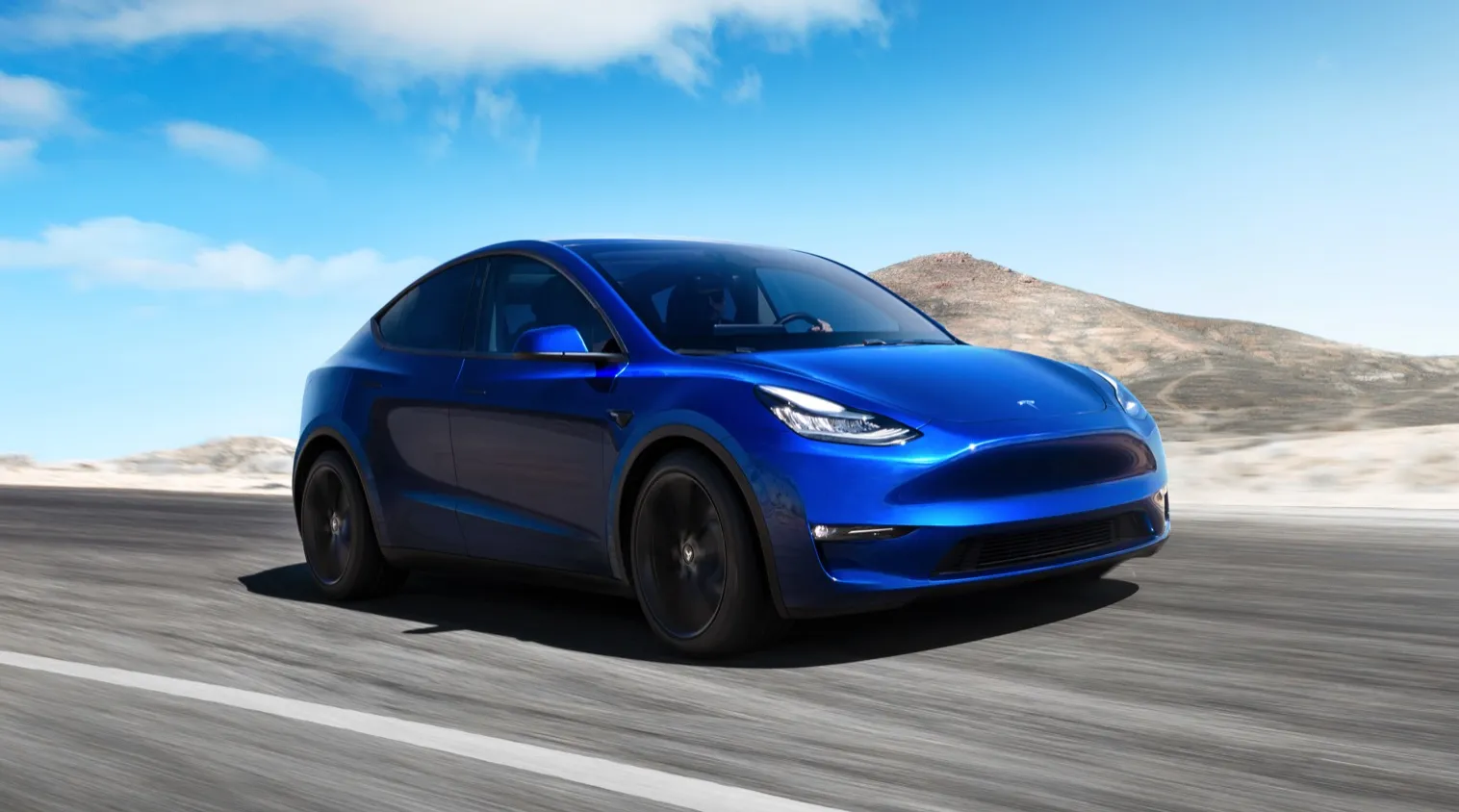 Tesla
Tesla
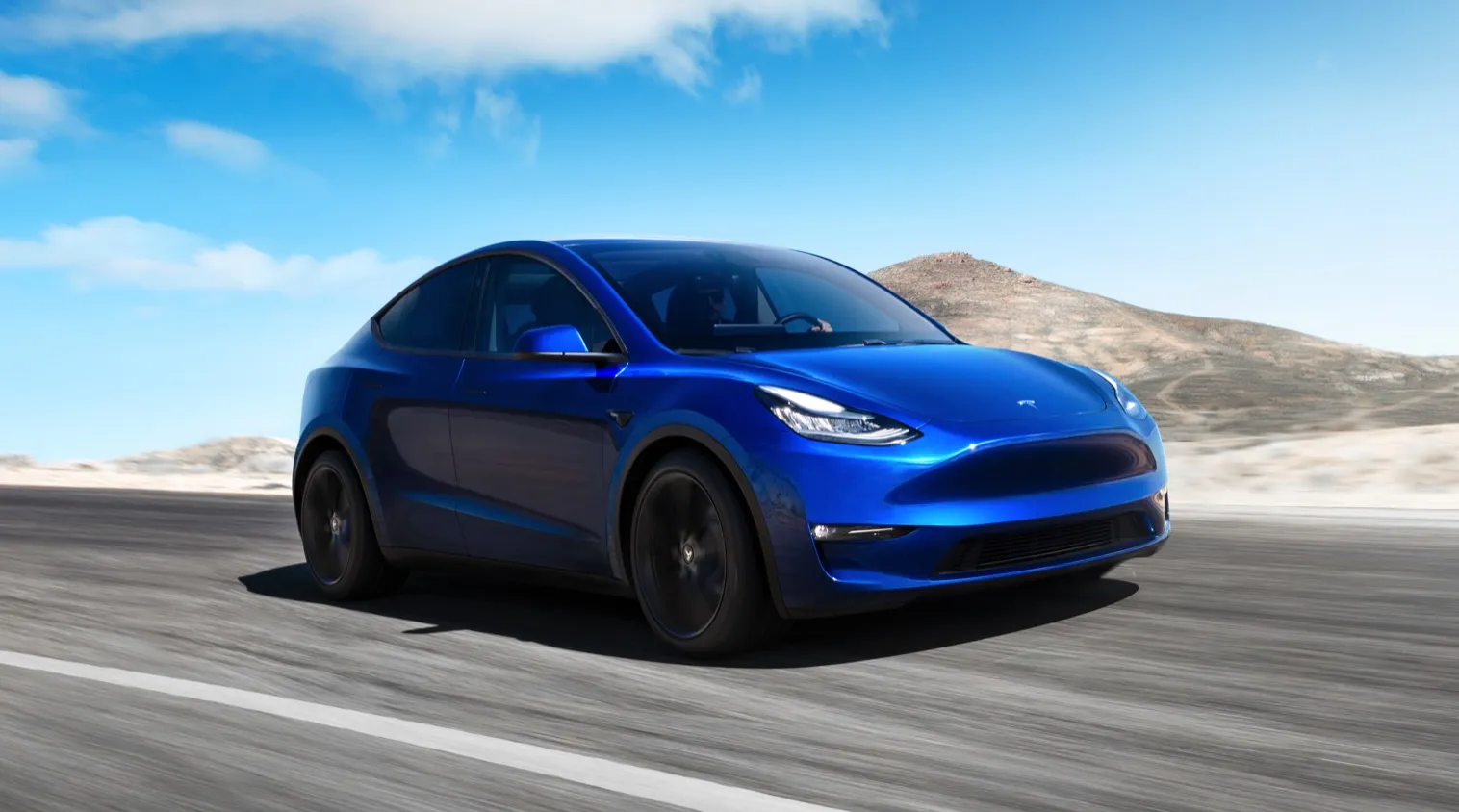
Tesla Model Y Long Range RWD
 Tesla
Tesla
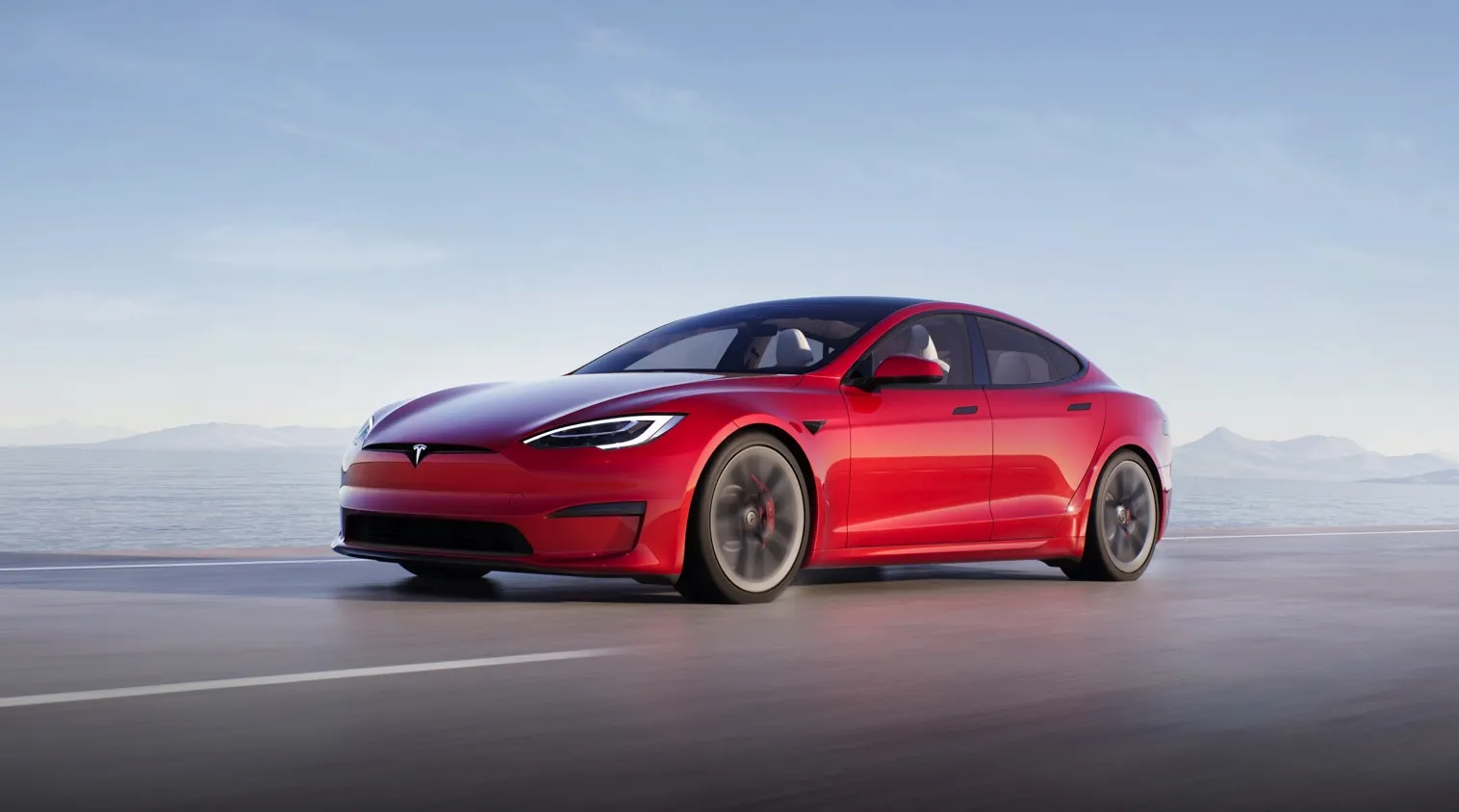
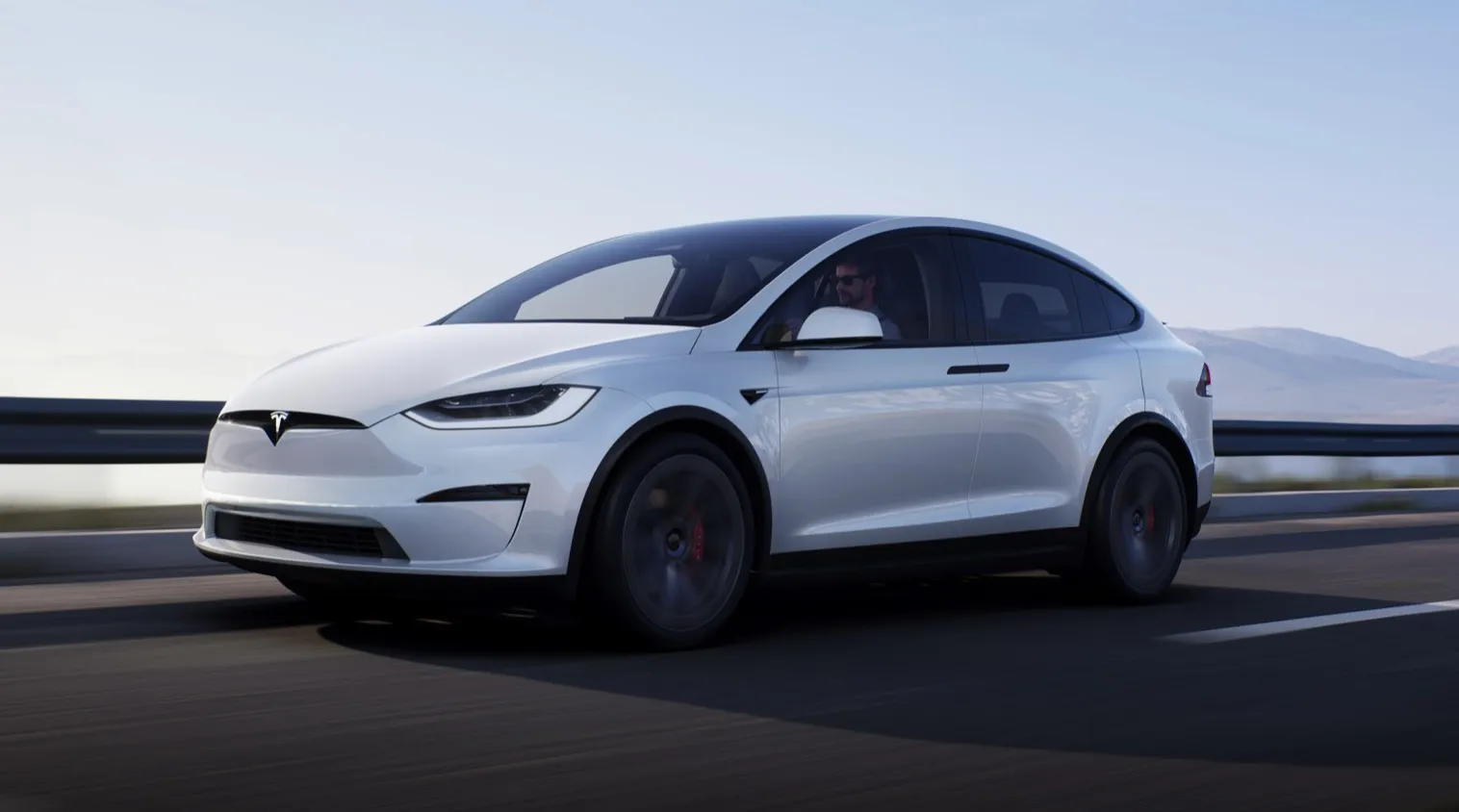
Tesla Model S Plaid
 Tesla
Tesla
Tesla Model Y Long Range Dual Motor
 Tesla
Tesla