

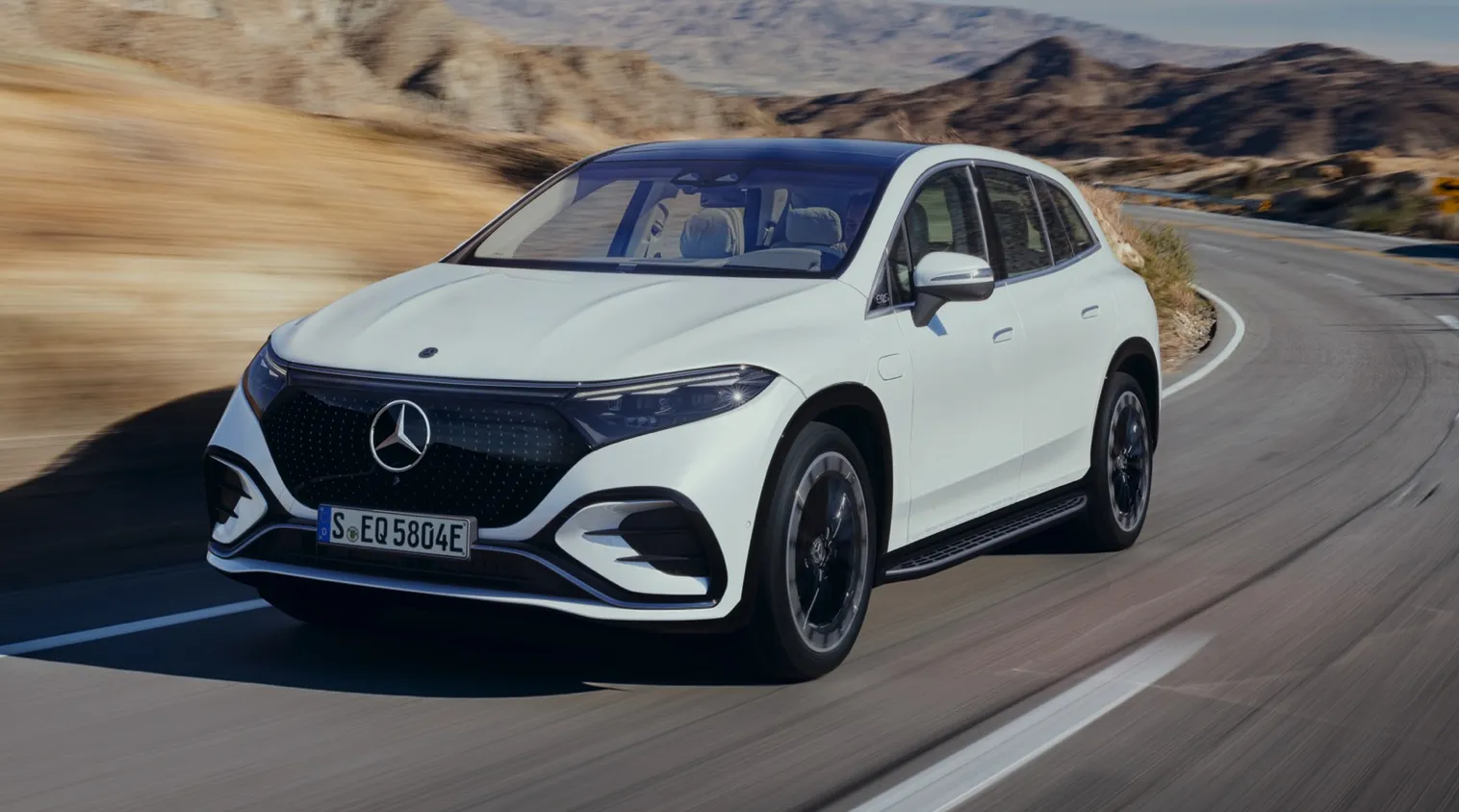
Mercedes-Benz EQS SUV 500 4MATIC
Key Specifications
Real Range Estimation
| City - Cold Weather * | 530 km |
| Highway - Cold Weather * | 380 km |
| Combined - Cold Weather * | 450 km |
between 380 - 750 km
| City - Mild Weather * | 750 km |
| Highway - Mild Weather * | 480 km |
| Combined - Mild Weather * | 595 km |
Battery
| Nominal Capacity* | 125.0 kWh |
| Battery Type | Lithium-ion |
| Number of Cells | No Data |
| Architecture | 400 V |
| Warranty Period | 10 years |
| Warranty Mileage | 250,000 km |
| Useable Capacity | 118.0 kWh |
| Cathode Material | No Data |
| Pack Configuration | No Data |
| Nominal Voltage | No Data |
| Form Factor | No Data |
| Name / Reference | No Data |
Performance
| Acceleration 0 - 100 km/h | 5.3 sec |
| Top Speed | 210 km/h |
| Electric Range * | 530 km |
| Total Power | 330 kW (449 PS) |
| Total Torque | 828 Nm |
| Drive | AWD |
Home and Destination Charging (0 -> 100%)
Charging is possible by using a regular wall plug or a charging station. Public charging is always done through a charging station. How fast the EV can charge depends on the charging station (EVSE) used and the maximum charging capacity of the EV. The table below shows all possible options for charging the Mercedes-Benz EQS SUV 500 4MATIC. Each option shows how fast the battery can be charged from empty to full.
Europe
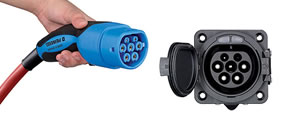
Charging an EV in Europe differs by country. Some European countries primarily use 1-phase connections to the grid, while other countries are almost exclusively using a 3-phase connection. The table below shows all possible ways the Mercedes-Benz EQS SUV 500 4MATIC can be charged, but some modes of charging might not be widely available in certain countries.
| Type 2 (Mennekes - IEC 62196) |
|---|
 |
| Charging Point | Max. Power | Power | Time | Rate |
|---|---|---|---|---|
| Standard 11.0 kW On-Board Charger | ||||
| Wall Plug (2.3 kW) | 230V / 1x10A | 2.3 kW | 60h30m | 9 km/h |
| 1-phase 16A (3.7 kW) | 230V / 1x16A | 3.7 kW | 37h45m | 14 km/h |
| 1-phase 32A (7.4 kW) | 230V / 1x32A | 7.4 kW | 18h45m | 28 km/h |
| 3-phase 16A (11 kW) | 400V / 3x16A | 11 kW | 12h45m | 42 km/h |
| 3-phase 32A (22 kW) | 400V / 3x16A | 11 kW † | 12h45m | 42 km/h |
| Optional 22.0kW On-Board Charger | ||||
| Wall Plug (2.3 kW) | 230V / 1x10A | 2.3 kW | 60h30m | 9 km/h |
| 1-phase 16A (3.7 kW) | 230V / 1x16A | 3.7 kW | 37h45m | 14 km/h |
| 1-phase 32A (7.4 kW) | 230V / 1x32A | 7.4 kW | 18h45m | 28 km/h |
| 3-phase 16A (11 kW) | 400V / 3x16A | 11 kW | 12h45m | 42 km/h |
| 3-phase 32A (22 kW) | 400V / 3x32A | 22 kW † | 6h30m | 82 km/h |
† = Limited by on-board charger, vehicle cannot charge faster.
Fast Charging (10 -> 80%)
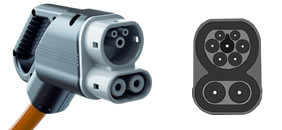
Rapid charging enables longer journeys by adding as much range as possible in the shortest amount of time. Charging power will decrease significantly after 80% state-of-charge has been reached. A typical rapid charge therefore rarely exceeds 80% SoC. The rapid charge rate of an EV depends on the charger used and the maximum charging power the EV can handle. The table below shows all details for rapid charging the Mercedes-Benz EQS SUV 500 4MATIC.
- Max. Power: maximum power provided by charge point
- Avg. Power: average power provided by charge point over a session from 10% to 80%
- Time: time needed to charge from 10% to 80%
- Rate: average charging speed over a session from 10% to 80%
| Combined Charging System (CCS Combo 2) |
|---|
 |
| Charging Point | Max. Power | Avg. Power | Time | Rate |
|---|---|---|---|---|
| CCS (50 kW DC) | 50 kW | 50 kW | 104 min | 210 km/h |
| CCS (100 kW DC) | 100 kW | 95 kW † | 55 min | 400 km/h |
| CCS (150 kW DC) | 150 kW | 125 kW † | 42 min | 530 km/h |
| CCS (175 kW DC) | 175 kW | 140 kW † | 37 min | 600 km/h |
| CCS (350 kW DC) | 200 kW † | 160 kW † | 33 min | 670 km/h |
| This vehicle supports Autocharge |
|---|
| This vehicle supports Plug & Charge |
† = Limited by charging capabilities of vehicle
Autocharge: allows for automatic initiation of a charging session at supported CCS charging stations.
Plug & Charge: allows for automatic initiation of a charging session at supported CCS charging stations in accordance with ISO 15118.
Actual charging rates may differ from data shown due to factors like outside temperature, state of the battery and driving style.
Mercedes-Benz Claimed Specifications
The table below shows the claimed specifications from the manufacturer for charging the Mercedes-Benz EQS SUV 500 4MATIC. The specifications can differ from the table above for a variety of reasons. If real-world charge tests are available, these differences can be signifcant. If no real-world tests are available, the table above will be based on the manufacturer specifications as per the table below.
- Max. Power: maximum charge power during charging session
- Charge From: battery percentage (% SoC) where charging session is started
- Charge To: battery percentage (% SoC) where charging session is ended
- Time: time needed for charging session
| Mercedes-Benz Claimed Specifications |
|---|
| Max. Power | Charge From | Charge To | Time |
|---|---|---|---|
| 200 kW | 10 % | 80 % | 31 min |
Dimensions and Weight
| Length | 5125 mm |
| Width | 1959 mm |
| Width with mirrors | 2157 mm |
| Height | 1718 mm |
| Wheelbase | 3210 mm |
| Weight Unladen (EU) | 2840 kg |
| Gross Vehicle Weight (GVWR) | 3410 kg |
| Max. Payload | 645 kg |
| Cargo Volume | 645 L |
| Cargo Volume Max | 2100 L |
| Cargo Volume Frunk | 0 L |
| Roof Load | 100 kg |
| Tow Hitch Possible | Yes |
| Towing Weight Unbraked | 750 kg |
| Towing Weight Braked | 1800 kg |
| Vertical Load Max | 100 kg |
About this Vehicle
# Mercedes-Benz EQS SUV 500 4MATIC
Mercedes-Benz EQS SUV 500 4MATIC Overview
The Mercedes-Benz EQS SUV 500 4MATIC represents the brand’s commitment to premium electric luxury, positioning itself as a high-performance alternative to traditional gas-powered luxury SUVs. This electric SUV targets affluent buyers seeking sophisticated technology, refined comfort, and impressive acceleration in a spacious family vehicle. The EQS SUV 500 4MATIC combines Mercedes-Benz’s legendary engineering with cutting-edge electric powertrain technology, featuring dual electric motors and an advanced battery system that delivers both performance and practicality.
The EQS 500 4MATIC distinguishes itself through its elegant design language, which elevates the sedan’s proportions into a more commanding SUV stance. With an available third-row seating option that increases passenger capacity to seven, the Mercedes EQS SUV appeals to families who refuse to compromise on luxury or environmental consciousness. The vehicle’s AIRMATIC suspension system and rear-axle steering technology showcase Mercedes-Benz’s dedication to creating an engaging driving experience despite its substantial weight.
Mercedes-Benz EQS SUV 500 4MATIC Performance and Driving Experience
The EQS 500 4MATIC delivers impressive acceleration through its dual permanently excited synchronous electric motors, achieving 0-60 mph in approximately 4.8 seconds. The combination of 449 horsepower and 631 pound-feet of torque provides confident power delivery for highway merging and spirited driving. The all-wheel-drive system distributes power intelligently between front and rear motors, while the adaptive AIRMATIC suspension with self-leveling capability absorbs road imperfections effectively.
The Mercedes-Benz EQS SUV 500 features rear-axle steering that reduces the turning circle to 39 feet, enhancing maneuverability in tight urban environments. The electromechanical power steering and four-wheel independent suspension create a composed driving experience, though the substantial curb weight prevents truly playful handling dynamics. Intelligent Energy Recovery with paddle shifters allows drivers to modulate regenerative braking intensity, extending range during city driving.
| Specification | Value |
|---|---|
| 0-60 mph (0-100 km/h) | 4.8 sec |
| Top Speed | 130 mph / 210 km/h |
| Power Output | 449 hp / 330 kW |
| Torque | 631 lb-ft / 855 Nm |
Mercedes-Benz EQS SUV 500 4MATIC Range and Battery Specifications
The EQS 500 4MATIC delivers a competitive range for a luxury electric SUV, with EPA-estimated driving range reaching up to 317 miles under optimal conditions. Real-world range typically falls between 280-310 miles, depending on driving style, weather conditions, and terrain. The vehicle’s liquid-cooled lithium-ion battery pack stores 118 kWh of usable capacity, engineered to maintain performance across diverse climates.
Energy efficiency in the Mercedes EQS SUV 500 benefits from aerodynamic design and regenerative braking technology. Cold weather reduces range by approximately 20-25 percent, while highway driving at sustained speeds diminishes efficiency compared to mixed urban-suburban driving. The battery management system actively monitors cell temperature and distributes power intelligently to optimize longevity and performance.
| Range Metric | Value |
|---|---|
| EPA Range | 317 miles / 510 km |
| Real-World Range | 280-310 miles / 450-500 km |
| Battery Capacity | 118 kWh (usable) |
| Battery Type | Liquid-cooled lithium-ion |
Mercedes-Benz EQS SUV 500 4MATIC Charging Times and Options
The EQS 500 4MATIC supports multiple charging scenarios for maximum convenience. Home charging via a 240V Level 2 connection requires approximately 14 hours for a complete charge from empty, making overnight charging practical for daily use. DC fast charging capability reaches peak rates of 200 kW, enabling 10-80 percent charging in roughly 30-40 minutes at compatible networks.
The Mercedes-Benz EQS SUV includes intelligent charging management that optimizes battery health by limiting peak charging speeds during extreme temperatures. The vehicle’s single-speed direct-drive transmission eliminates transmission losses, maximizing efficiency during both charging and driving cycles. Wireless charging capability adds convenience for compatible installations.
| Charging Method | Time | Speed |
|---|---|---|
| Level 1 (120V) | 48+ hours | ~1.4 kW |
| Level 2 (240V/7kW) | 14 hours | 7 kW |
| Level 2 (240V/11kW) | 10 hours | 11 kW |
| DC Fast Charge (10-80%) | 30-40 min | up to 200 kW |
Mercedes-Benz EQS SUV 500 4MATIC vs Competitors
The EQS 500 4MATIC competes directly with the BMW iX xDrive50, which offers similar performance but slightly less range. The Audi Q4 e-tron provides a more affordable entry into premium electric SUVs, though with reduced power and range. The Tesla Model X delivers faster acceleration and superior range but lacks the refined interior appointments and traditional luxury brand heritage that define the Mercedes EQS SUV 500. The Hyundai Ioniq 7 offers exceptional value and technology but targets a different market segment with less premium positioning.
Frequently Asked Questions
Related Vehicles
View All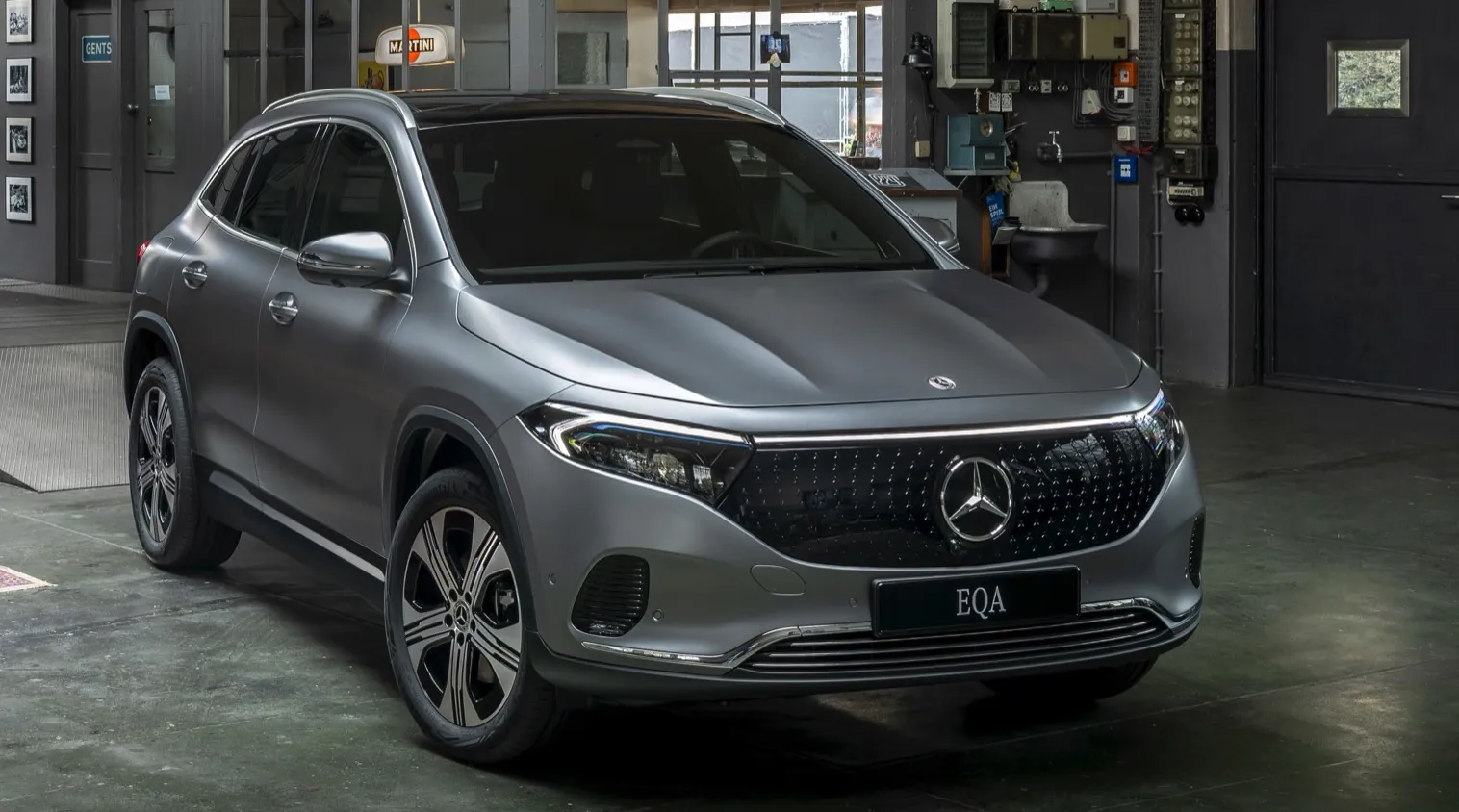 Mercedes-Benz
Mercedes-Benz EQA 300 4MATIC
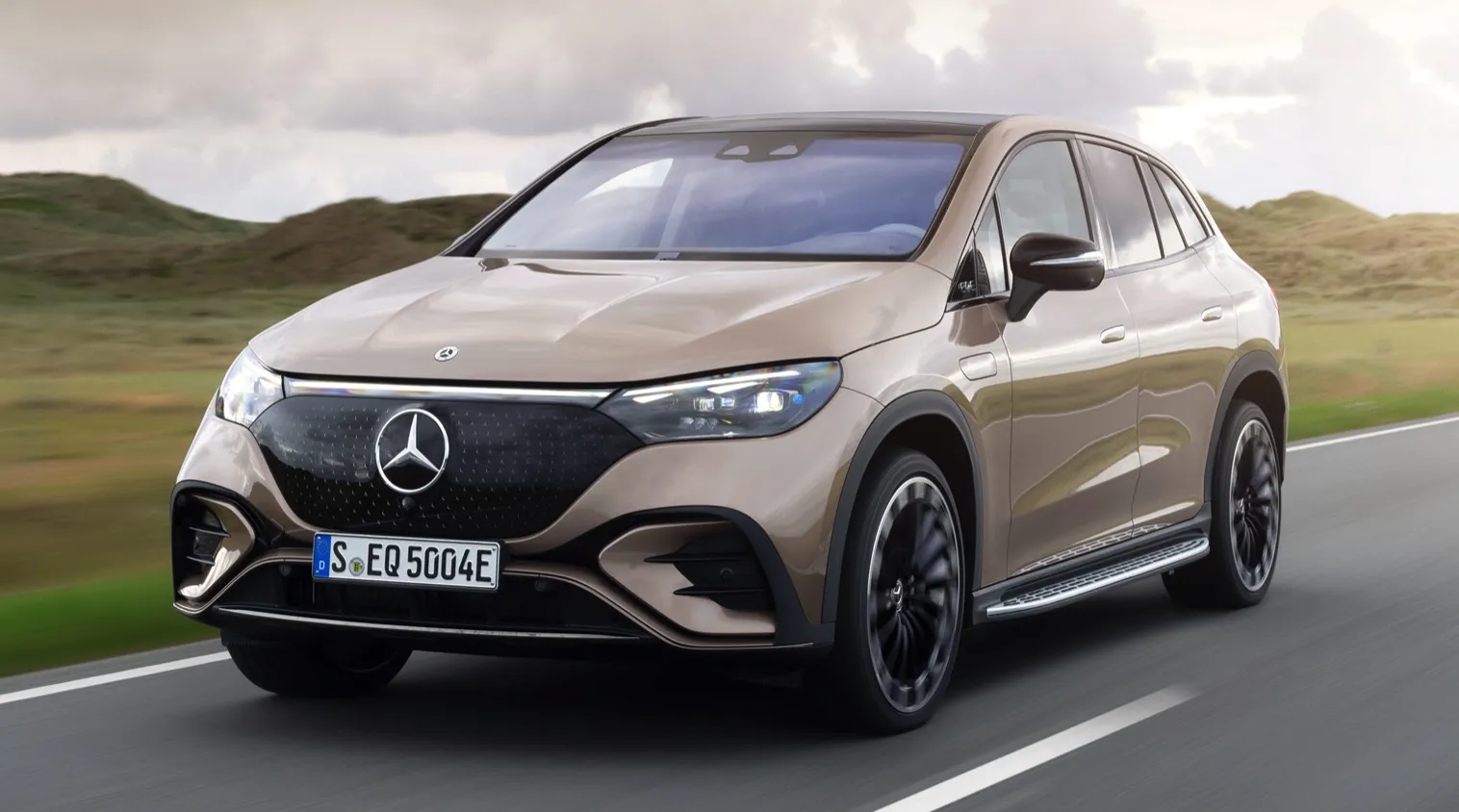 Mercedes-Benz
Mercedes-Benz EQE SUV 300
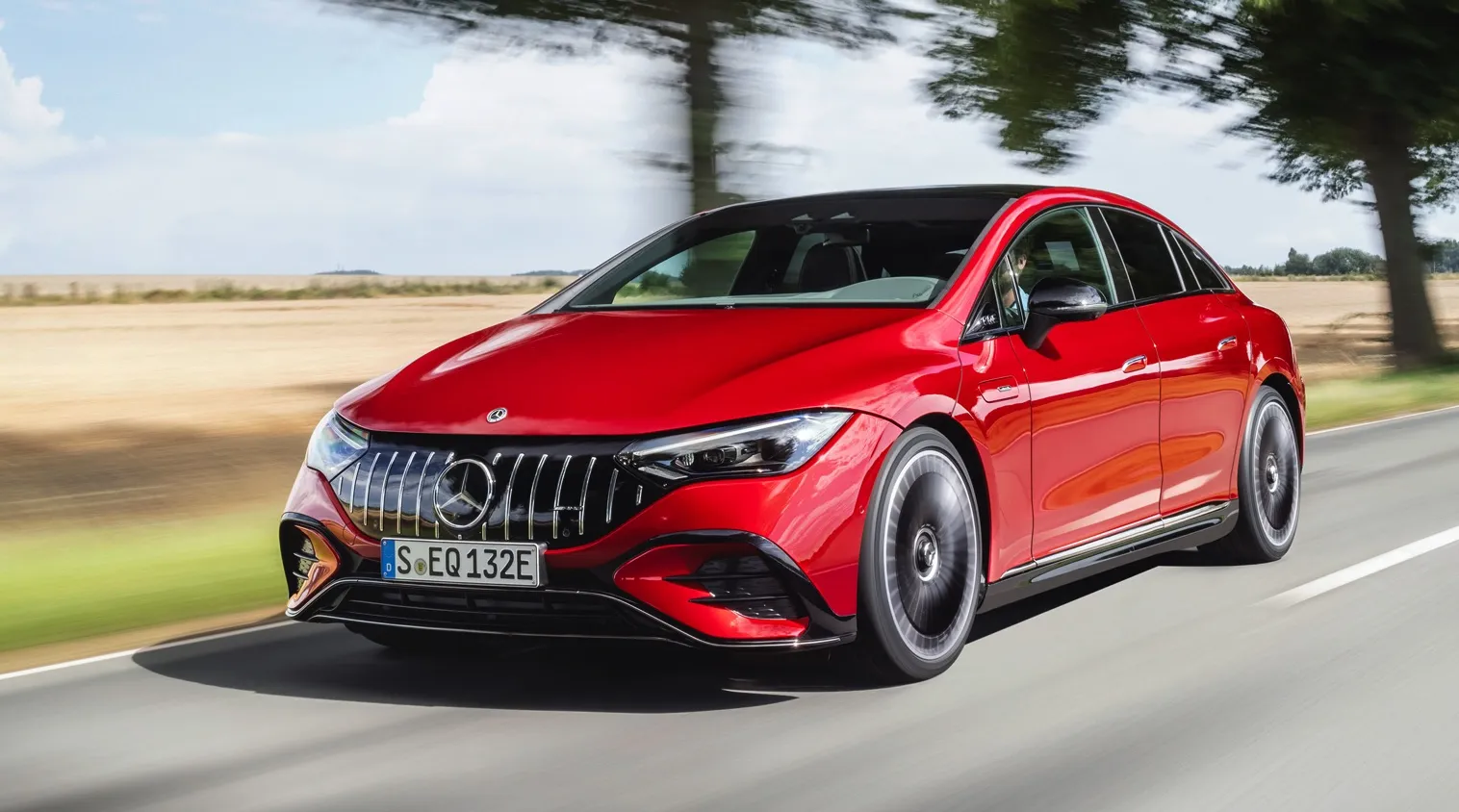 Mercedes-Benz
Mercedes-Benz EQE AMG 43 4MATIC
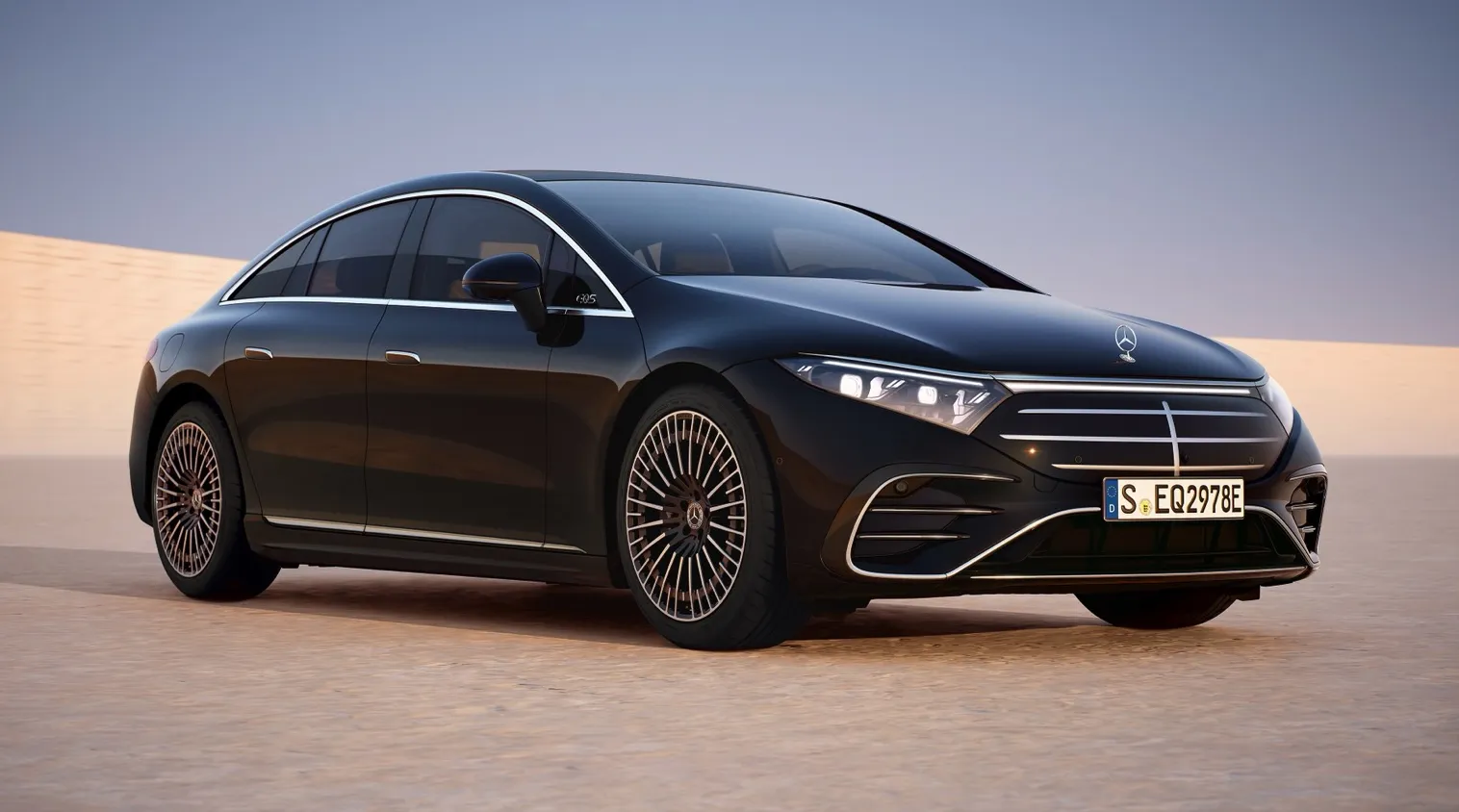 Mercedes-Benz