

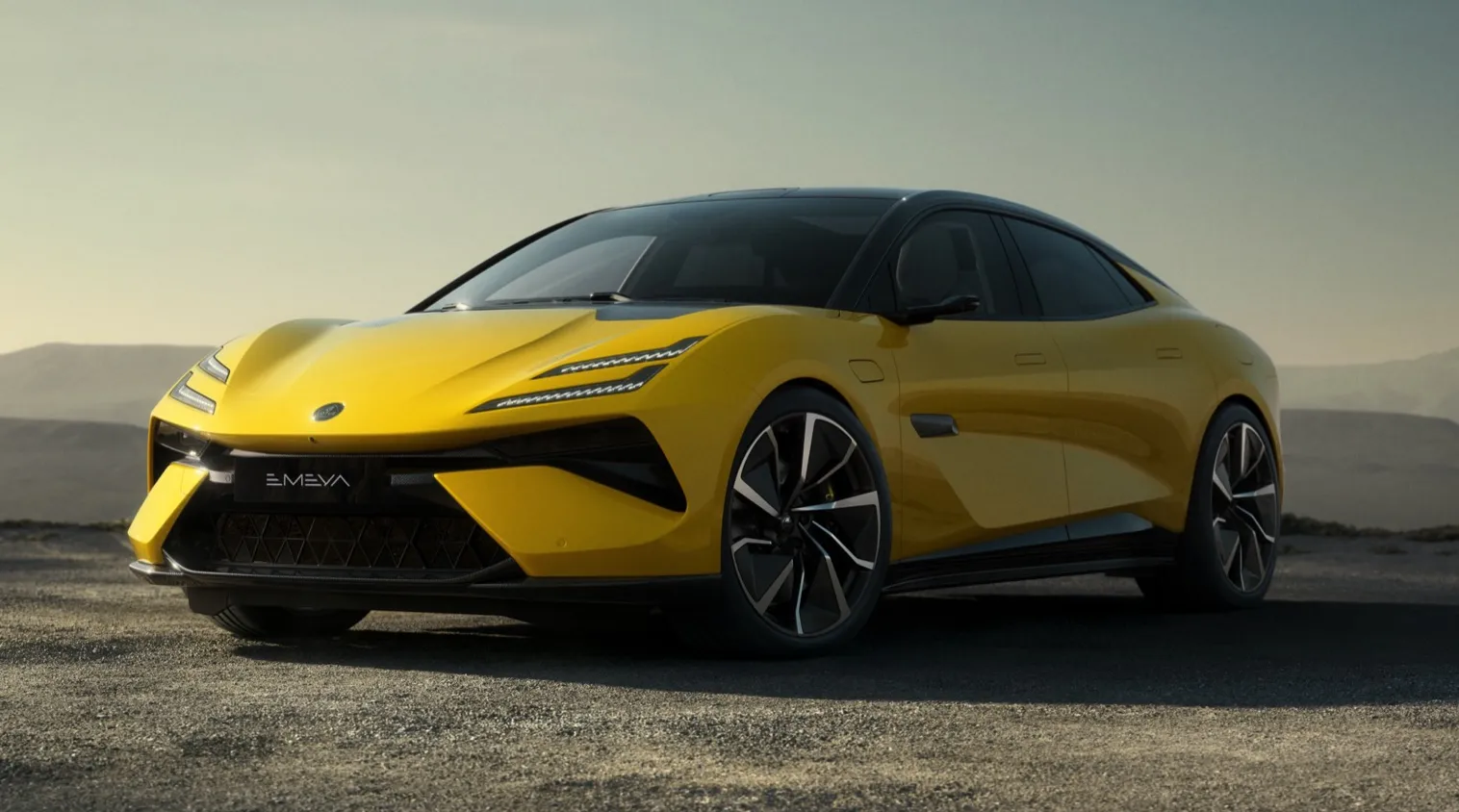
Lotus Emeya S
Key Specifications
Real Range Estimation
| City - Cold Weather * | 495 km |
| Highway - Cold Weather * | 385 km |
| Combined - Cold Weather * | 440 km |
between 385 - 725 km
| City - Mild Weather * | 725 km |
| Highway - Mild Weather * | 495 km |
| Combined - Mild Weather * | 595 km |
Battery
| Nominal Capacity | 102.0 kWh |
| Battery Type | Lithium-ion |
| Number of Cells | No Data |
| Architecture | 800 V |
| Warranty Period | 8 years |
| Warranty Mileage | 200,000 km |
| Useable Capacity | 98.9 kWh |
| Cathode Material | No Data |
| Pack Configuration | No Data |
| Nominal Voltage | 705 V |
| Form Factor | No Data |
| Name / Reference | No Data |
Performance
| Acceleration 0 - 100 km/h | 4.2 sec |
| Top Speed | 250 km/h |
| Electric Range * | 520 km |
| Total Power | 450 kW (612 PS) |
| Total Torque | 710 Nm |
| Drive | AWD |
Home and Destination Charging (0 -> 100%)
Charging is possible by using a regular wall plug or a charging station. Public charging is always done through a charging station. How fast the EV can charge depends on the charging station (EVSE) used and the maximum charging capacity of the EV. The table below shows all possible options for charging the Lotus Emeya S. Each option shows how fast the battery can be charged from empty to full.
NOTE: Lotus has not released details about the on-board charger of the Emeya. The information below is based on estimatation of the most likely on-board charger.
Europe
Charging an EV in Europe differs by country. Some European countries primarily use 1-phase connections to the grid, while other countries are almost exclusively using a 3-phase connection. The table below shows all possible ways the Lotus Emeya S can be charged, but some modes of charging might not be widely available in certain countries.
| Type 2 (Mennekes - IEC 62196) |
|---|
 |
| Charging Point | Max. Power | Power | Time | Rate |
|---|---|---|---|---|
| Wall Plug (2.3 kW) | 230V / 1x10A | 2.3 kW | 50h45m | 10 km/h |
| 1-phase 16A (3.7 kW) | 230V / 1x16A | 3.7 kW | 31h30m | 17 km/h |
| 1-phase 32A (7.4 kW) | 230V / 1x32A | 7.4 kW | 15h45m | 33 km/h |
| 3-phase 16A (11 kW) | 400V / 3x16A | 11 kW | 10h45m | 48 km/h |
| 3-phase 32A (22 kW) | 400V / 3x32A | 22 kW † | 5h15m | 99 km/h |
† = Limited by on-board charger, vehicle cannot charge faster.
Fast Charging (10 -> 80%)
Rapid charging enables longer journeys by adding as much range as possible in the shortest amount of time. Charging power will decrease significantly after 80% state-of-charge has been reached. A typical rapid charge therefore rarely exceeds 80% SoC. The rapid charge rate of an EV depends on the charger used and the maximum charging power the EV can handle. The table below shows all details for rapid charging the Lotus Emeya S.
- Max. Power: maximum power provided by charge point
- Avg. Power: average power provided by charge point over a session from 10% to 80%
- Time: time needed to charge from 10% to 80%
- Rate: average charging speed over a session from 10% to 80%
| Combined Charging System (CCS Combo 2) |
|---|
 |
| Charging Point | Max. Power | Avg. Power | Time | Rate |
|---|---|---|---|---|
| CCS (50 kW DC) | 50 kW | 50 kW | 87 min | 250 km/h |
| CCS (100 kW DC) | 100 kW | 95 kW † | 46 min | 470 km/h |
| CCS (150 kW DC) | 150 kW | 125 kW † | 35 min | 620 km/h |
| CCS (175 kW DC) | 175 kW | 145 kW † | 30 min | 720 km/h |
| CCS (350 kW DC) | 350 kW | 240 kW † | 18 min | 1210 km/h |
| This vehicle does not support Plug & Charge |
|---|
† = Limited by charging capabilities of vehicle
Plug & Charge: allows for automatic initiation of a charging session at supported CCS charging stations in accordance with ISO 15118.
Actual charging rates may differ from data shown due to factors like outside temperature, state of the battery and driving style.
Lotus Claimed Specifications
The table below shows the claimed specifications from the manufacturer for charging the Lotus Emeya S. The specifications can differ from the table above for a variety of reasons. If real-world charge tests are available, these differences can be signifcant. If no real-world tests are available, the table above will be based on the manufacturer specifications as per the table below.
- Max. Power: maximum charge power during charging session
- Charge From: battery percentage (% SoC) where charging session is started
- Charge To: battery percentage (% SoC) where charging session is ended
- Time: time needed for charging session
| Lotus Claimed Specifications |
|---|
| Max. Power | Charge From | Charge To | Time |
|---|---|---|---|
| 350 kW | 10 % | 80 % | 18 min |
Dimensions and Weight
| Length | 5139 mm |
| Width | 2005 mm |
| Width with mirrors | No Data |
| Height | 1464 mm |
| Wheelbase | 3069 mm |
| Weight Unladen (EU) | 2550 kg |
| Gross Vehicle Weight (GVWR) | 3100 kg |
| Max. Payload | 625 kg |
| Cargo Volume | 509 L |
| Cargo Volume Max | 1388 L |
| Cargo Volume Frunk | 34 L |
| Roof Load | No Data |
| Tow Hitch Possible | Yes |
| Towing Weight Unbraked | No Data |
| Towing Weight Braked | 2250 kg |
| Vertical Load Max | No Data |
About this Vehicle
Lotus Emeya S Overview
The Lotus Emeya S positions itself as a premium electric executive car, blending British sports car heritage with cutting-edge Chinese manufacturing prowess. As a five-door liftback hyper-GT, it targets affluent buyers seeking thrilling performance alongside grand touring refinement, competing in the luxury EV sedan segment against high-end rivals. Priced from around £94,950 in the UK, the Lotus Emeya S appeals to enthusiasts who demand sports car agility in a spacious, tech-laden package.
Key distinguishing features include its dual-motor all-wheel-drive setup on an 800V architecture, delivering explosive power from a 102 kWh battery. The Lotus Emeya S review highlights its lightweight design philosophy—rooted in Lotus’s track pedigree—with advanced aerodynamics and a next-generation intelligent cabin for seamless driver-car connection. In the EV landscape, the Lotus electric SUV/sedan hybrid styling matters as it bridges hypercar excitement with everyday usability, offering EV specs like up to 725 km real range estimation and hyper-fast charging, making it a standout for long-distance travelers.
Lotus Emeya S Performance and Driving Experience
The Lotus Emeya S unleashes 603 hp (450 kW) through its dual-motor AWD system, with the uprated rear motor featuring a 2-speed gearbox for superior high-speed efficiency and launches. Acceleration is blistering at 0-60 mph in 4 seconds, paired with 524 lb-ft of torque for instant power delivery that pins occupants back. Handling shines with Lotus’s signature agility, thanks to a class-leading power-to-weight ratio, precise steering, and adjustable regenerative braking for one-pedal driving.
Real-world impressions praise its GT refinement on highways and track-like poise in corners, balancing luxury with sports sedan dynamics. The AWD setup ensures confident grip in all conditions, making the Lotus Emeya S a driver’s car in the electric vehicle range.
| Specification | Value |
|---|---|
| 0-60 mph (0-100 km/h) | 4 sec |
| Top Speed | 155 mph / 250 km/h |
| Power Output | 603 hp / 450 kW |
| Torque | 524 lb-ft / 710 Nm |
Lotus Emeya S Range and Battery Specifications
The Lotus Emeya S boasts an official WLTP range of up to 540 km (335 miles), with real-world estimates between 385-725 km depending on conditions. Its 102 kWh usable battery employs advanced 800V technology for efficiency around 200-250 Wh/km. Factors like cold weather, aggressive driving, or hilly terrain can reduce Lotus Emeya S real-world range by 20-30%, but highway-optimized profiles excel in long-distance scenarios.
Battery chemistry optimizes for density and thermal management, supporting Lotus Hyper Charging. The Lotus Emeya S WLTP range and battery specs make it ideal for executive travel, with energy efficiency rivaling top EVs.
| Range Metric | Value |
|---|---|
| WLTP Range | 335 miles / 540 km |
| EPA Range | Not specified |
| Real-World Range | 239-450 miles / 385-725 km |
| Battery Capacity | 102 kWh (usable) |
Lotus Emeya S Charging Times and Options
Home charging for the Lotus Emeya S is flexible: Level 1 at 120V takes about 100+ hours for a full charge, while Level 2 options at 7-22 kW complete it in 5-10 hours. DC fast charging leverages 800V architecture for peaks up to 350 kW, achieving 10-80% in under 20 minutes under ideal conditions. It’s compatible with major networks, emphasizing Lotus Hyper Charging for minimal downtime.
Practical scenarios shine on road trips—15-minute stops add significant range—making it suited for high-mileage users.
| Charging Method | Time | Speed |
|---|---|---|
| Level 1 (120V) | 100+ hours | ~1.4 kW |
| Level 2 (240V/7kW) | 10-12 hours | ~7 kW |
| Level 2 (240V/11kW) | 6-8 hours | ~11-22 kW |
| DC Fast Charge (10-80%) | 18-20 min | up to 350 kW |
Lotus Emeya S vs Competitors
The Lotus Emeya S vs Tesla Model S edges out in power-to-weight agility and charging speed, while matching the Porsche Taycan‘s 0-60 punch but with superior range. Against the Audi e-tron GT, it offers more torque and hyper-GT luxury at a competitive price, though the Lucid Air leads in outright EPA range. In Lotus Emeya S comparison, its Lotus DNA provides unmatched handling in this elite EV sedan class.
Frequently Asked Questions
Related Vehicles
View All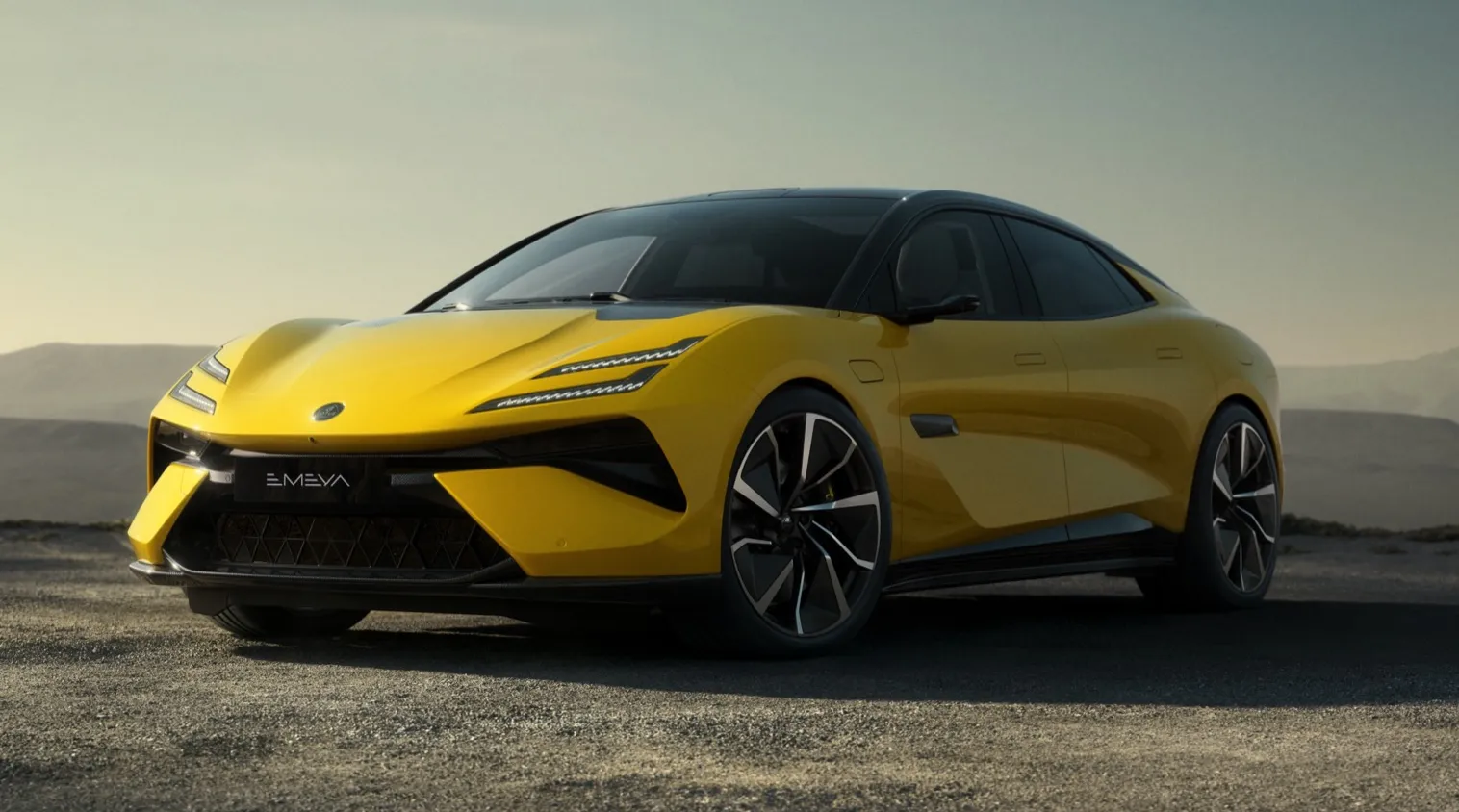 Lotus
Lotus
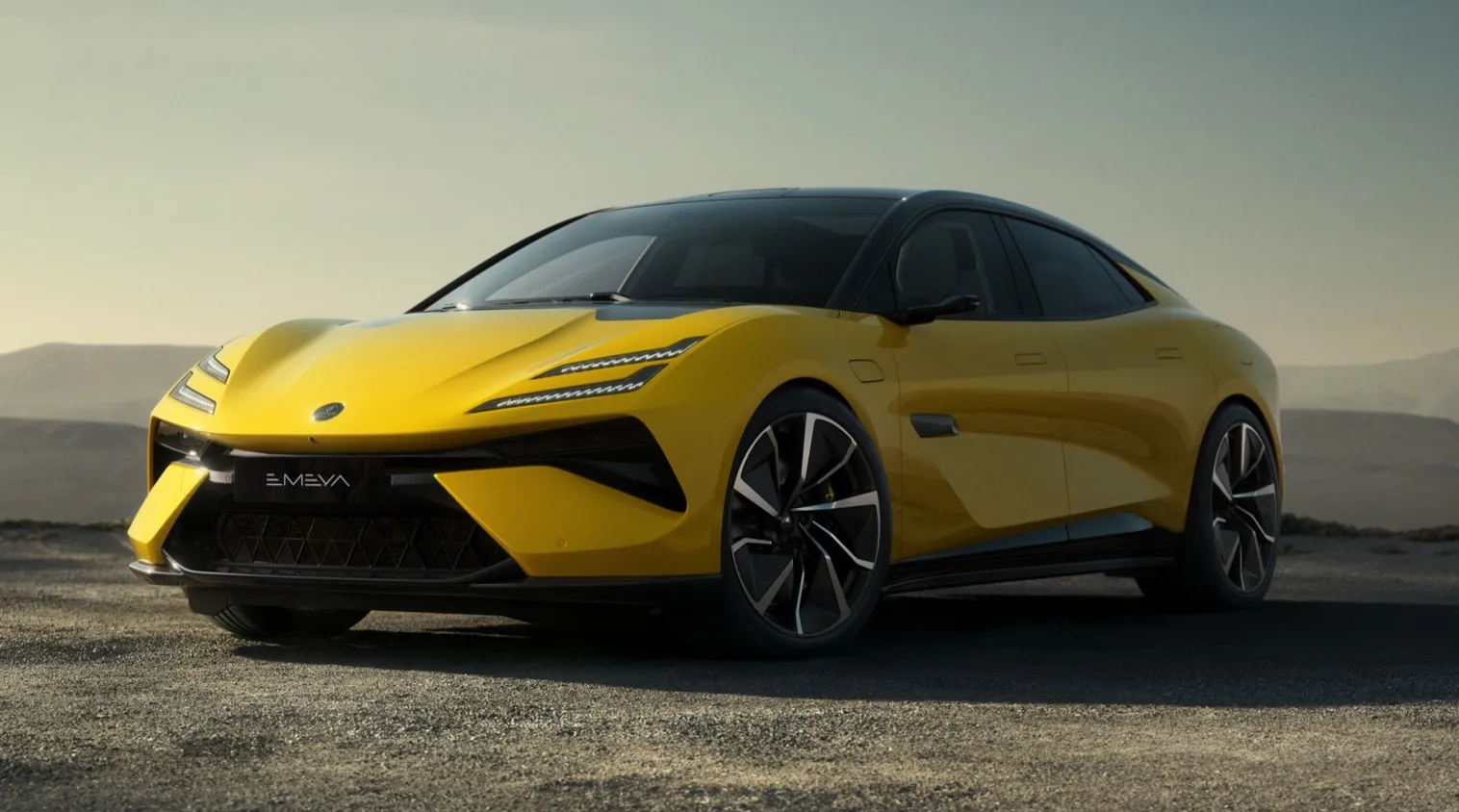
Lotus Emeya
 Lotus
Lotus
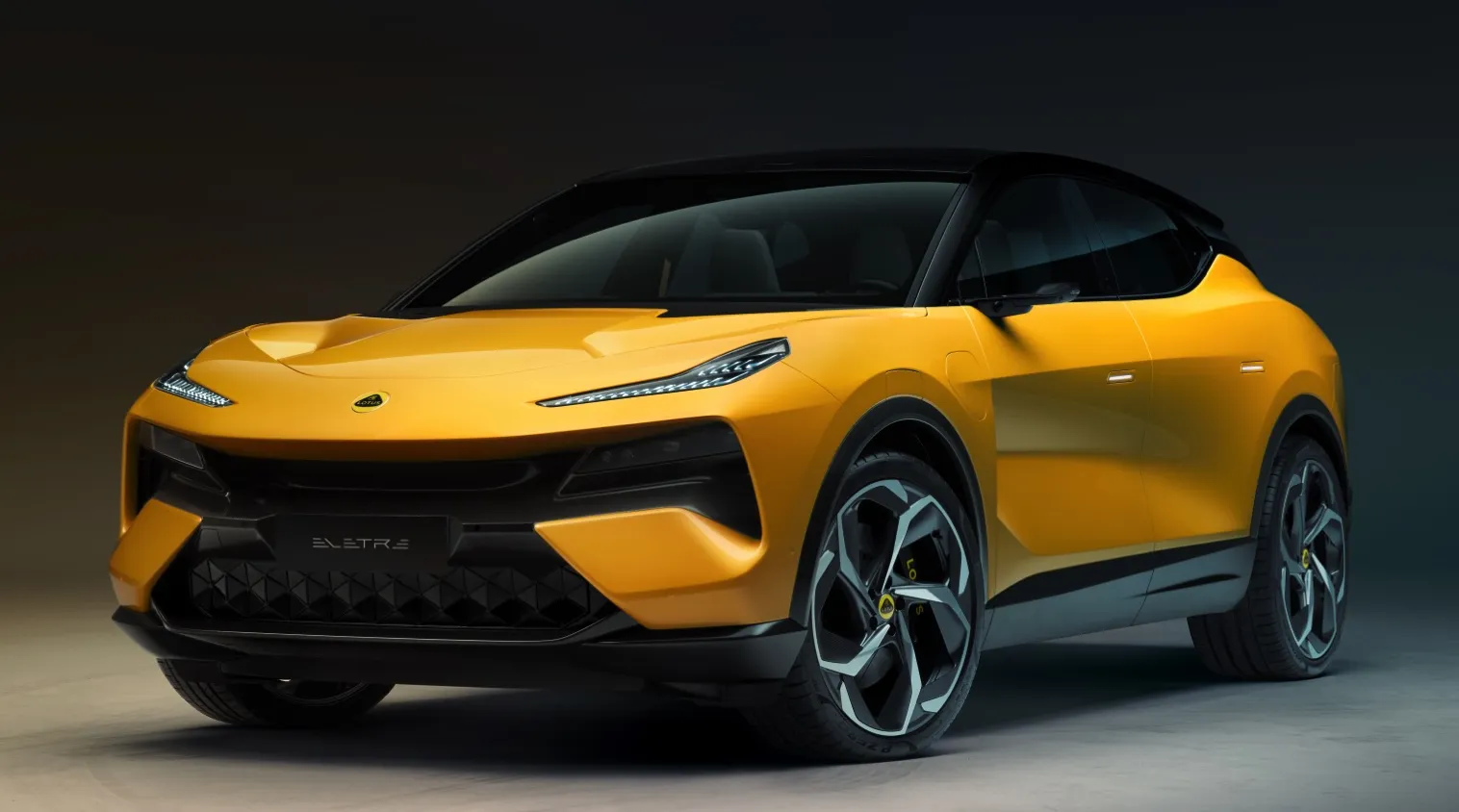
Lotus Eletre
 Lotus
Lotus
Lotus Eletre R
 Lotus
Lotus