

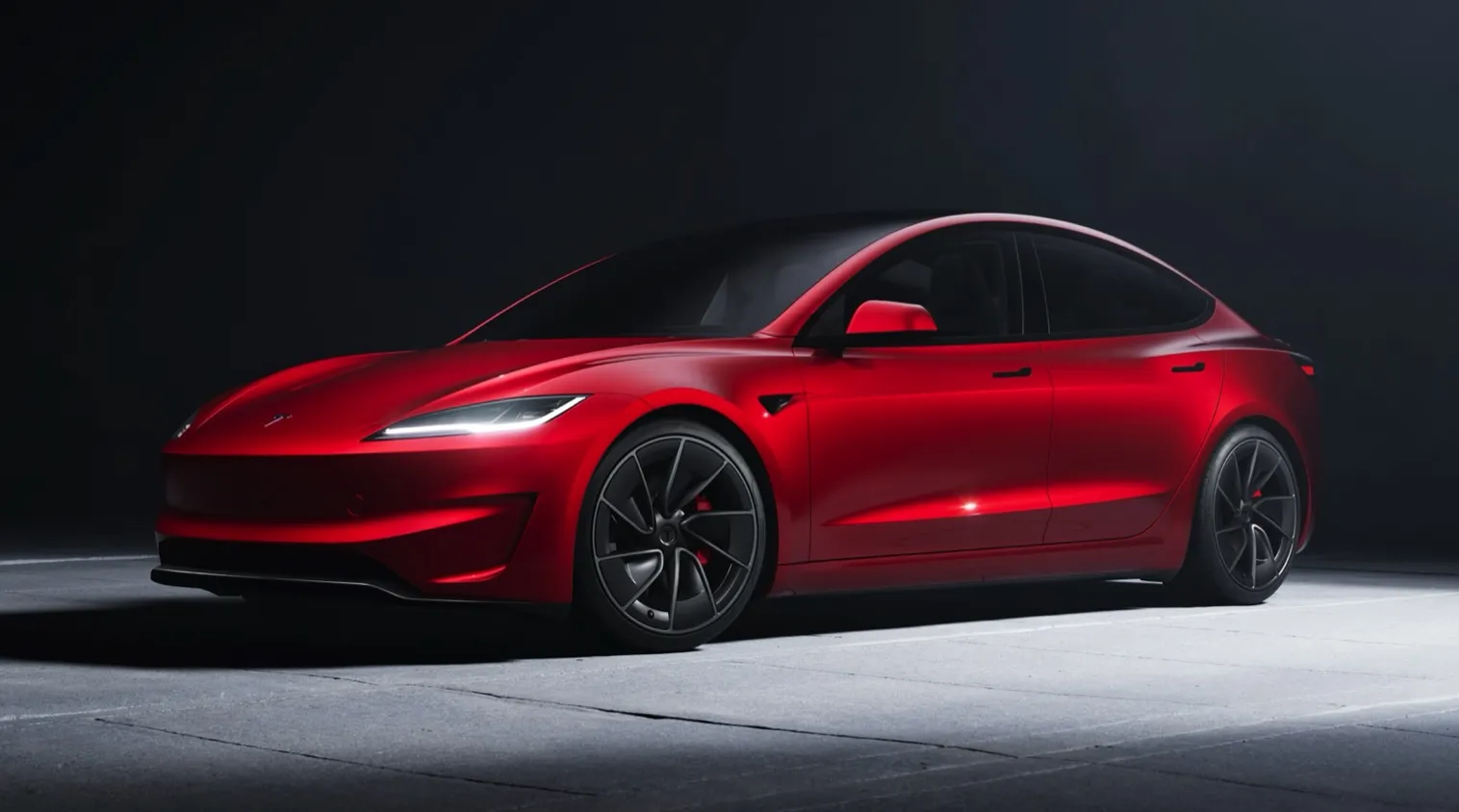
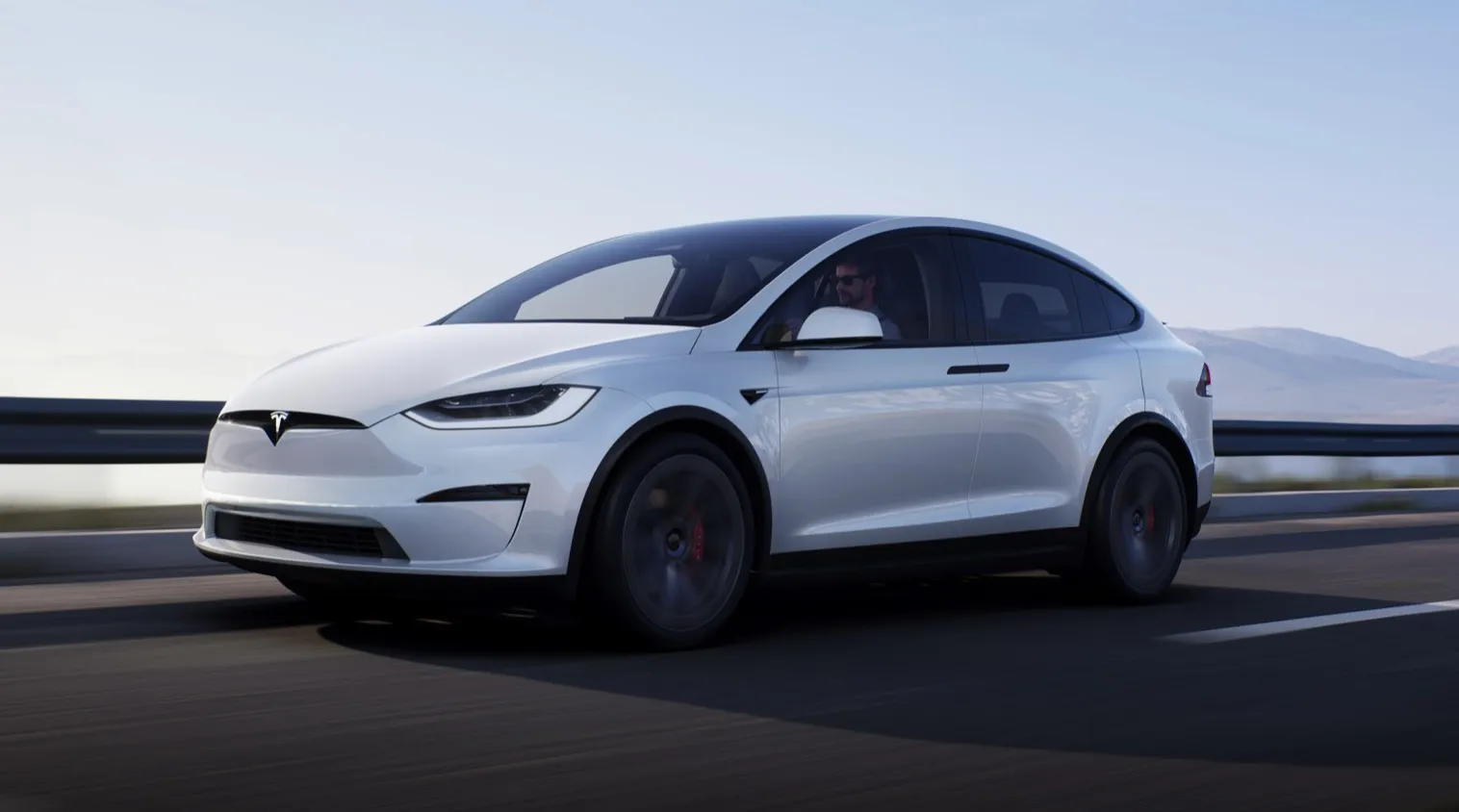
Tesla Model 3 Performance
Key Specifications
Real Range
| City - Cold Weather | 460 km |
| Highway - Cold Weather | 355 km |
| Combined - Cold Weather | 410 km |
between 355 - 715 km
| City - Mild Weather | 715 km |
| Highway - Mild Weather | 465 km |
| Combined - Mild Weather | 570 km |
Battery
| Nominal Capacity | 78.1 kWh |
| Battery Type | Lithium-ion |
| Number of Cells | 4416 |
| Architecture | 400 V |
| Warranty Period | 8 years |
| Warranty Mileage | 192,000 km |
| Useable Capacity* | 75.0 kWh |
| Cathode Material | NCM |
| Pack Configuration | 96s46p |
| Nominal Voltage | 357 V |
| Form Factor | Cylindrical |
| Name / Reference | LG M50 |
Performance
| Acceleration 0 - 100 km/h * | 3.2 sec |
| Top Speed | 262 km/h |
| Electric Range | 490 km |
| Total Power | 461 kW (627 PS) |
| Total Torque | 741 Nm |
| Drive | AWD |
Home and Destination Charging (0 -> 100%)
Charging is possible by using a regular wall plug or a charging station. Public charging is always done through a charging station. How fast the EV can charge depends on the charging station (EVSE) used and the maximum charging capacity of the EV. The table below shows all possible options for charging the Tesla Model 3 Performance. Each option shows how fast the battery can be charged from empty to full.
Europe
Charging an EV in Europe differs by country. Some European countries primarily use 1-phase connections to the grid, while other countries are almost exclusively using a 3-phase connection. The table below shows all possible ways the Tesla Model 3 Performance can be charged, but some modes of charging might not be widely available in certain countries.
| Type 2 (Mennekes - IEC 62196) |
|---|
 |
| Charging Point | Max. Power | Power | Time | Rate |
|---|---|---|---|---|
| Wall Plug (2.3 kW) | 230V / 1x10A | 2.3 kW | 38h30m | 13 km/h |
| 1-phase 16A (3.7 kW) | 230V / 1x16A | 3.7 kW | 24 hours | 20 km/h |
| 1-phase 32A (7.4 kW) | 230V / 1x32A | 7.4 kW | 12 hours | 41 km/h |
| 3-phase 16A (11 kW) | 400V / 3x16A | 11 kW | 8h15m | 59 km/h |
| 3-phase 32A (22 kW) | 400V / 3x16A | 11 kW † | 8h15m | 59 km/h |
† = Limited by on-board charger, vehicle cannot charge faster.
Fast Charging (10 -> 80%)
Rapid charging enables longer journeys by adding as much range as possible in the shortest amount of time. Charging power will decrease significantly after 80% state-of-charge has been reached. A typical rapid charge therefore rarely exceeds 80% SoC. The rapid charge rate of an EV depends on the charger used and the maximum charging power the EV can handle. The table below shows all details for rapid charging the Tesla Model 3 Performance.
Tesla has not released details about rapid charging the Model 3. The information below is based on estimated values of the most likely rapid charging capabilities.
- Max. Power: maximum power provided by charge point
- Avg. Power: average power provided by charge point over a session from 10% to 80%
- Time: time needed to charge from 10% to 80%
- Rate: average charging speed over a session from 10% to 80%
| Combined Charging System (CCS Combo 2) |
|---|
 |
| Charging Point | Max. Power | Avg. Power | Time | Rate |
|---|---|---|---|---|
| CCS (50 kW DC) | 50 kW | 45 kW † | 74 min | 270 km/h |
| Supercharger v2 Shared (75 kW DC) | 75 kW | 65 kW † | 51 min | 400 km/h |
| Supercharger v2 (150 kW DC) | 150 kW | 100 kW † | 33 min | 620 km/h |
| CCS (175 kW DC) | 175 kW | 110 kW † | 30 min | 680 km/h |
| Supercharger v3 (250 kW DC) | 250 kW | 124 kW † | 27 min | 760 km/h |
| CCS (350 kW DC) | 250 kW † | 124 kW † | 27 min | 760 km/h |
| This vehicle supports Autocharge |
|---|
| This vehicle does not support Plug & Charge |
† = Limited by charging capabilities of vehicle
Autocharge: allows for automatic initiation of a charging session at supported CCS charging stations.
Plug & Charge: allows for automatic initiation of a charging session at supported CCS charging stations in accordance with ISO 15118.
Actual charging rates may differ from data shown due to factors like outside temperature, state of the battery and driving style.
Dimensions and Weight
| Length | 4720 mm |
| Width | 1849 mm |
| Width with mirrors | 2089 mm |
| Height | 1431 mm |
| Wheelbase | 2875 mm |
| Weight Unladen (EU) | 1929 kg |
| Gross Vehicle Weight (GVWR) | 2271 kg |
| Max. Payload | 417 kg |
| Cargo Volume | 594 L |
| Cargo Volume Max | No Data |
| Cargo Volume Frunk | 88 L |
| Roof Load | 70 kg |
| Tow Hitch Possible | No Data |
| Towing Weight Unbraked | 0 kg |
| Towing Weight Braked | 0 kg |
| Vertical Load Max | No Data |
About this Vehicle
Tesla Model 3 Performance Overview
The Tesla Model 3 Performance stands as a premium electric sedan in Tesla’s lineup, blending blistering speed with everyday usability for enthusiasts and daily drivers alike. Positioned as the high-performance variant of the iconic Tesla Model 3, it targets performance-oriented buyers seeking a mainstream EV with supercar acceleration without the exotic price tag. This electric sedan leverages Tesla’s latest generation Performance drive unit, delivering unmatched power in a sleek, aerodynamic package built on the efficient Model 3 platform. Key distinguishing features include its dual-motor all-wheel-drive system, adaptive suspension, and cutting-edge software integration for over-the-air updates, making it a benchmark in the EV specs landscape.
What makes the Tesla Model 3 Performance matter? It redefines accessible performance in the electric vehicle market, offering 0-60 mph in under 3 seconds while maintaining a competitive electric vehicle range and access to Tesla’s vast Supercharger network. In a crowded field of Tesla Model 3 review contenders, its design philosophy emphasizes minimalism, technology, and sustainability, appealing to urban professionals and track-day hobbyists who demand Model 3 Performance agility without compromising efficiency or practicality.
Tesla Model 3 Performance: Performance and Driving Experience
The Tesla Model 3 Performance unleashes ferocious acceleration with its dual-motor AWD setup, rocketing from 0-60 mph in just 2.9 seconds thanks to 510 horsepower and instant torque delivery. Real-world tests confirm this prowess, with Car and Driver clocking 2.8 seconds to 60 mph, surpassing many rivals in straight-line speed. Handling shines through its low center of gravity, adaptive dampers, and precise steering, achieving 0.92 g on the skidpad for confident cornering. The Dual Motor All-Wheel Drive system intelligently distributes power between the front and rear axles for optimal traction, whether on rain-slick roads or twisty tracks, delivering a composed yet exhilarating driving experience.
Drivers praise its refined ride, with strong noise insulation and responsive dynamics that feel planted at high speeds, topping out at 164 mph. In everyday scenarios, the Tesla Model 3 Performance balances thrill with comfort, making it ideal for spirited commutes.
| Specification | Value |
|---|---|
| 0-60 mph (0-100 km/h) | 2.9 sec (3.1 sec) |
| Top Speed | 164 mph / 264 km/h |
| Power Output | 510 hp / 380 kW |
| Torque | 546 lb-ft / 741 Nm |
Tesla Model 3 Performance Range and Battery Specifications
The Tesla Model 3 Performance boasts an EPA-estimated range of 303-309 miles, with WLTP figures around 528 km depending on wheels. Real-world range hits approximately 260-310 miles in highway tests at 75 mph, influenced by factors like cold weather, aggressive driving, or hilly terrain. Its Long Range battery pack, with roughly 82 kWh usable capacity (based on efficiency data), employs advanced lithium-ion chemistry for sustained performance. Energy efficiency stands at 112 MPGe combined per EPA, or about 250-280 Wh/mi in mixed driving, outperforming many peers.
Cooler climates can drop Tesla Model 3 Performance WLTP range by 20-30%, but Tesla’s thermal management keeps real-world figures competitive at the Model 3 real-world range of 280-300 miles under moderate conditions.
| Range Metric | Value |
|---|---|
| WLTP Range | 528 km / 328 miles |
| EPA Range | 303-309 miles / 488-497 km |
| Real-World Range | 260-310 miles / 418-499 km |
| Battery Capacity | 82 kWh (usable) |
Tesla Model 3 Performance Charging Times and Options
Charging the Tesla Model 3 Performance is seamless, with Level 2 AC at 11 kW restoring a full pack in about 8-10 hours from a 240V outlet, ideal for overnight home use. Level 1 120V adds roughly 3-4 miles per hour for top-ups. DC fast charging peaks at 250 kW on Tesla Superchargers, adding up to 237 km (147 miles) in 15 minutes or 10-90% in 39 minutes at an average 98 kW rate. Compatibility with Tesla’s expansive network ensures minimal downtime, though CCS adapters open third-party options.
Practical scenarios shine on road trips, where 15-minute stops yield over 100 miles, making the Tesla Model 3 Performance a long-haul champ.
| Charging Method | Time | Speed |
|---|---|---|
| Level 1 (120V) | 30+ hours | ~1.4 kW |
| Level 2 (240V/7kW) | 12 hours | ~7 kW |
| Level 2 (240V/11kW) | 8 hours | ~11 kW |
| DC Fast Charge (10-80%) | 25 min | up to 250 kW |
Tesla Model 3 Performance vs Competitors
The Tesla Model 3 Performance outpaces the BMW i4 M50 (3.7 sec 0-60, 318-mile range) with quicker 2.9-second acceleration and superior efficiency at 112 MPGe, plus cheaper ownership via Superchargers. Against the Hyundai Ioniq 6 (240-mile range, 4.5 sec 0-60), it offers more power (510 hp vs 320 hp) and better real-world range. Compared to the Kia EV6 GT (3.4 sec, 206 miles), the Tesla Model 3 Performance vs competitors edge lies in longevity, software, and network access, though rivals match in interior luxury. In Model 3 comparison, Tesla’s dynamics and updates keep it ahead.
Frequently Asked Questions
Related Vehicles
View All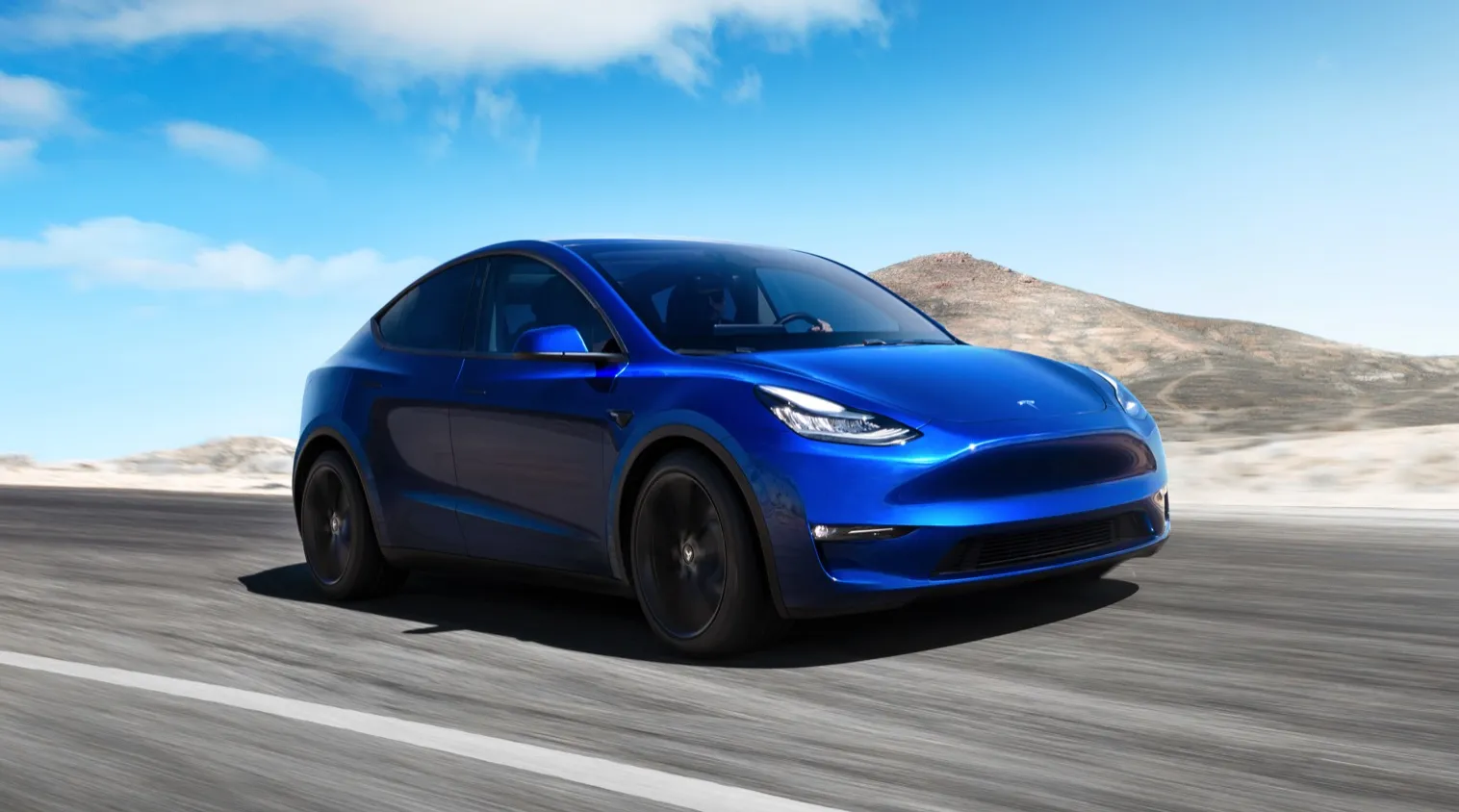 Tesla
Tesla
Tesla Model Y Long Range RWD
 Tesla
Tesla
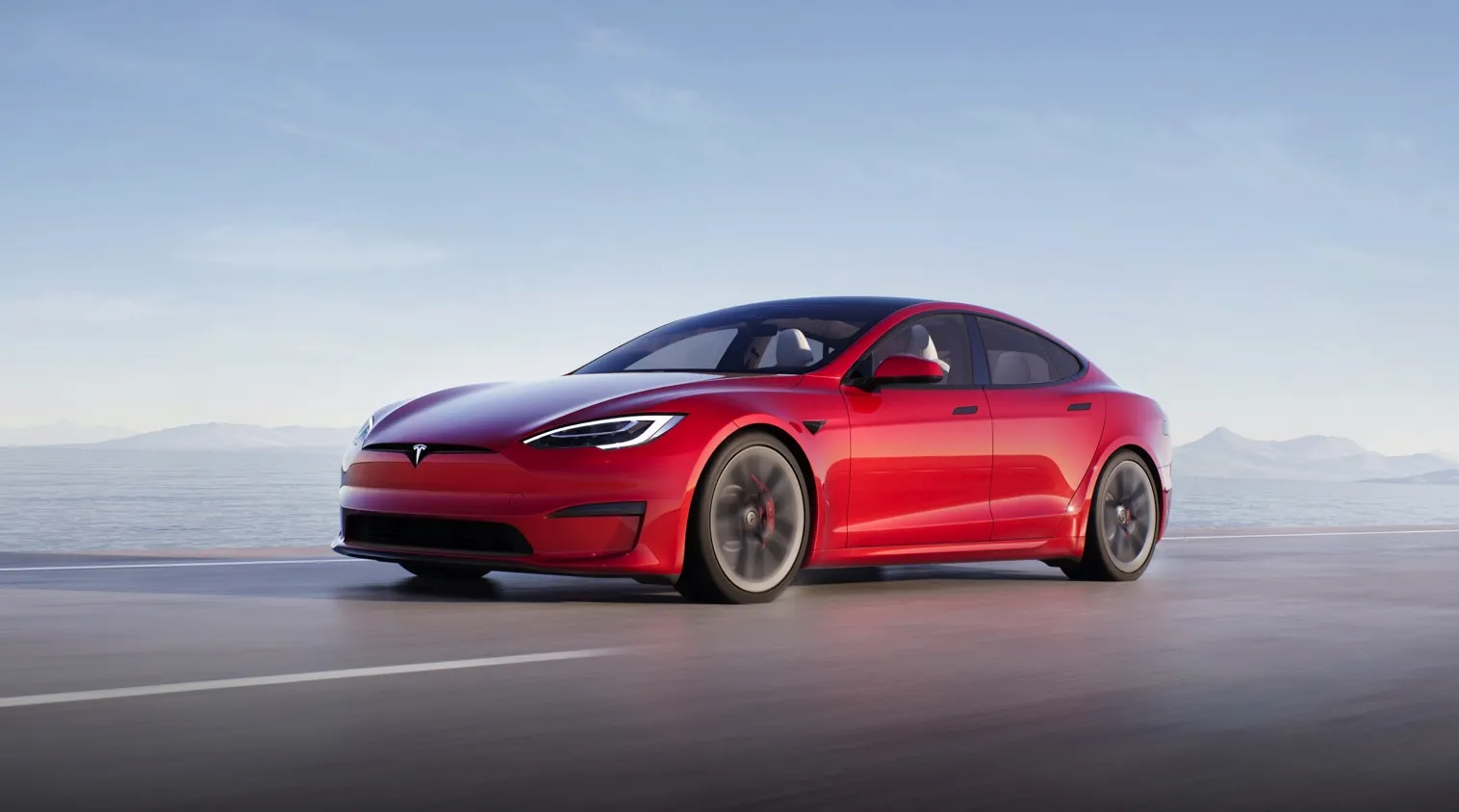
Tesla Model S Plaid
 Tesla
Tesla
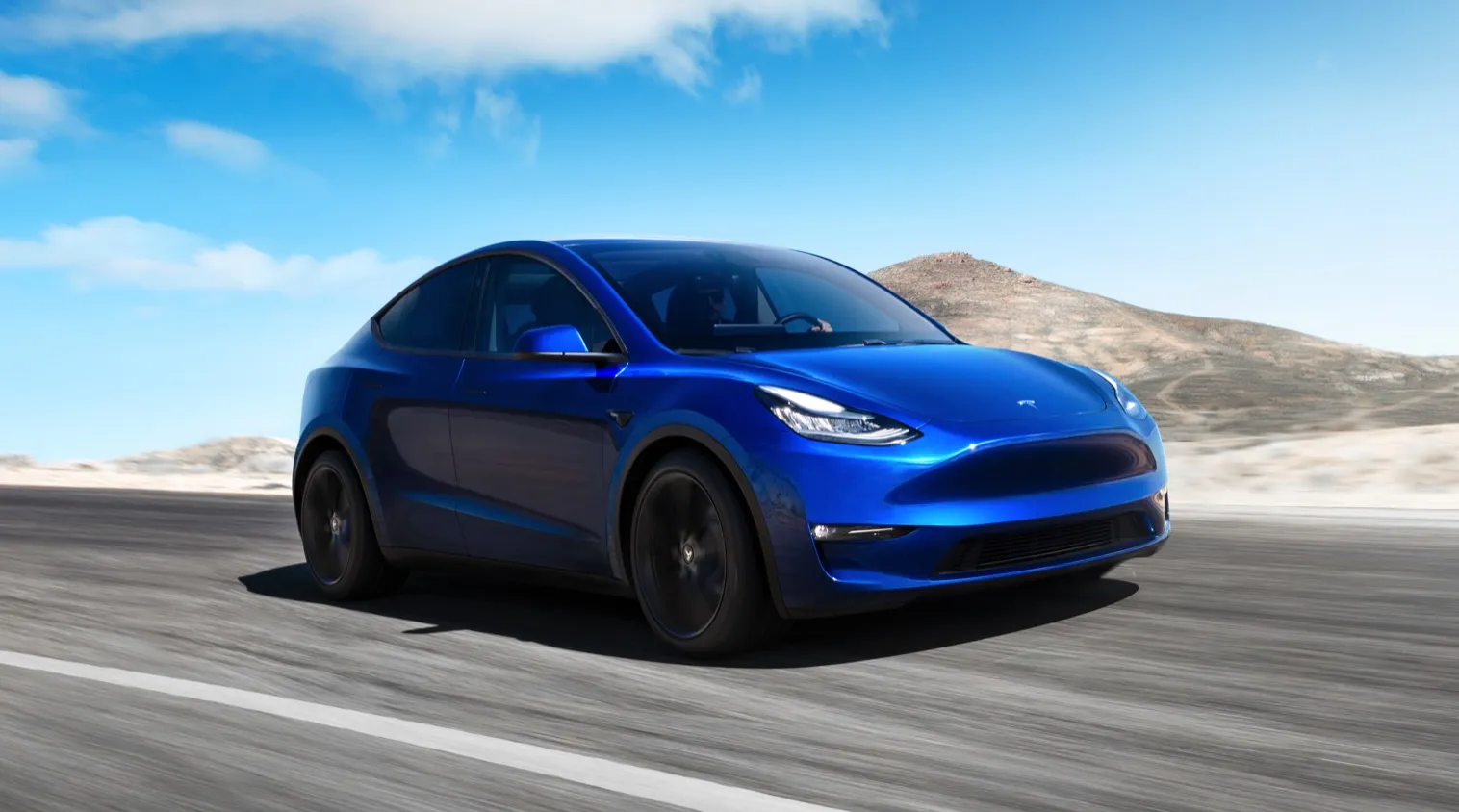
Tesla Model Y Long Range Dual Motor
 Tesla
Tesla