Arc Vector
Vector
Vehicle Overview
Arc Vector 2025 Review – Range, Charging, Specs, Pros & Cons
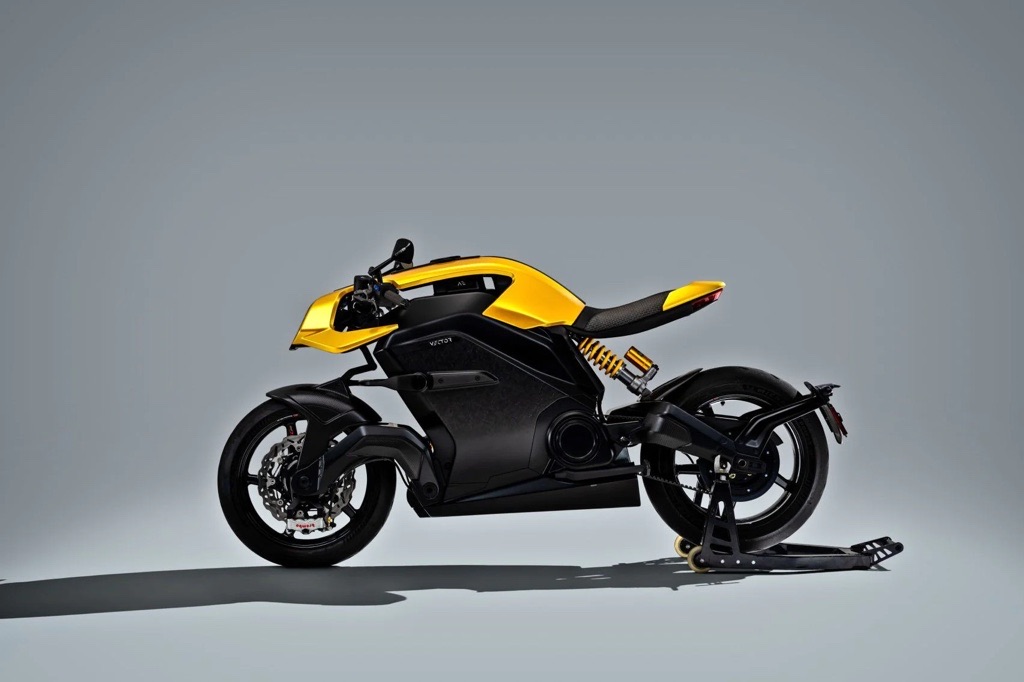
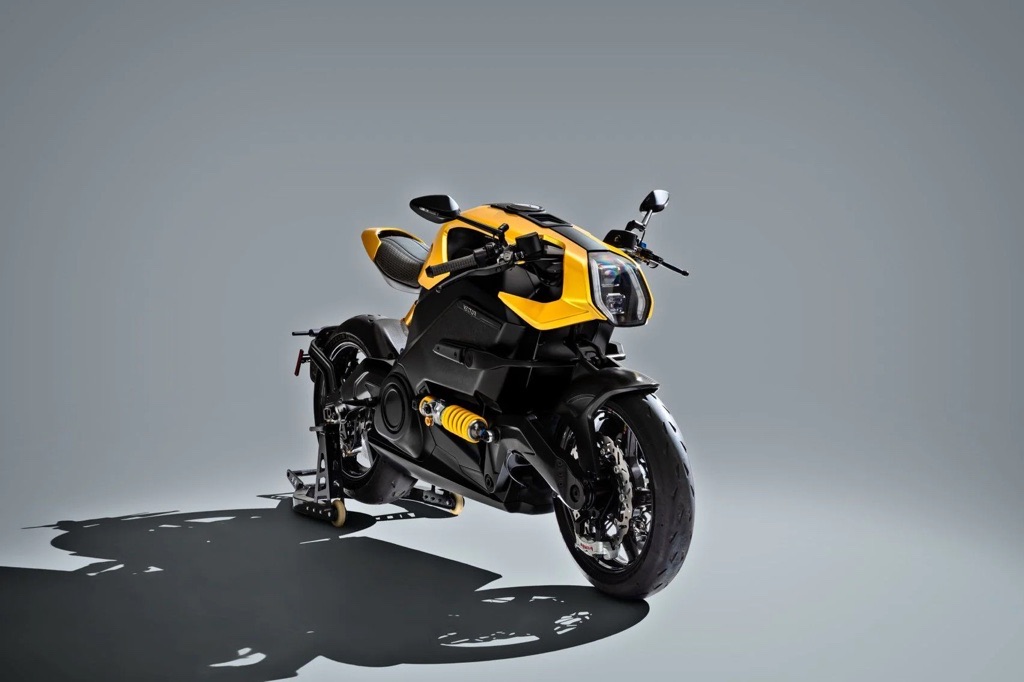
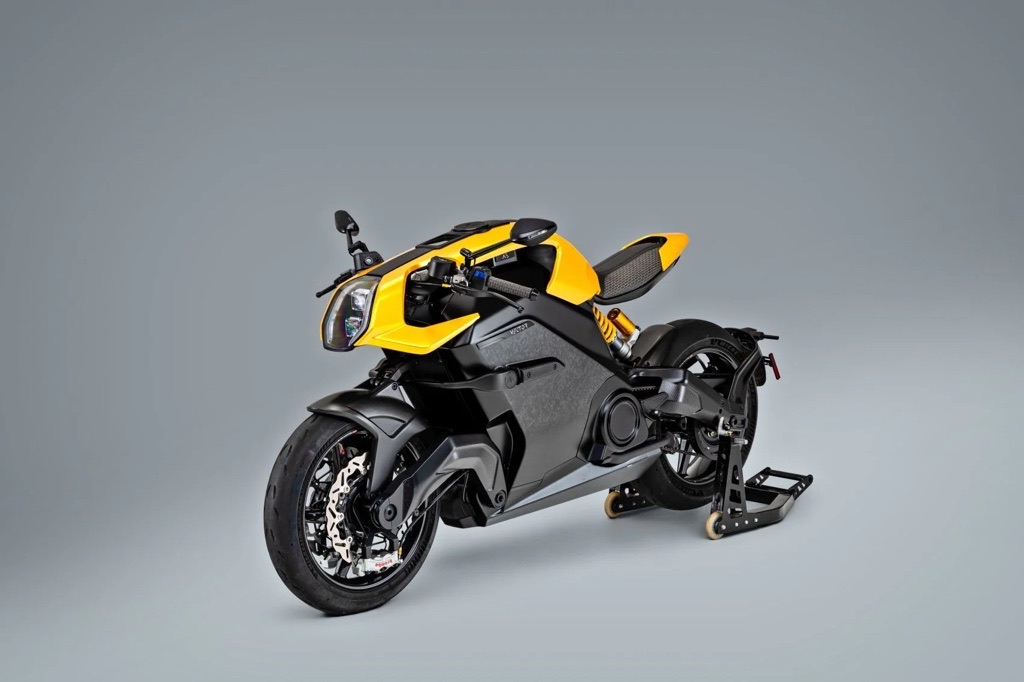
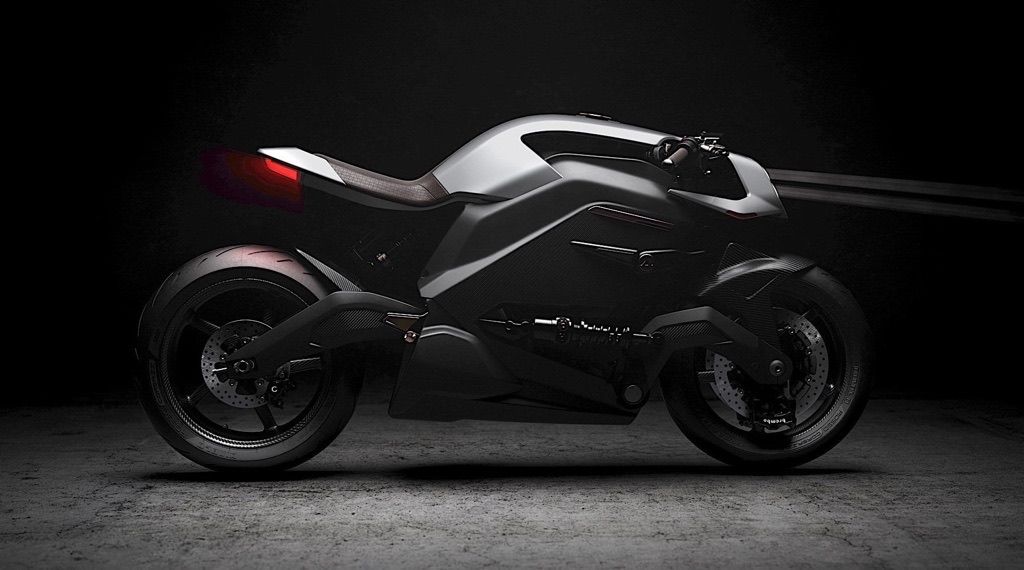
The Arc Vector is an ultra-premium electric sport bike built for riders who want top-tier performance, futuristic design and cutting-edge technology. It offers up to 436 km of claimed range, 87 kW of power and rapid DC charging up to 100 kW. In this review, we cover real-world range, charging costs, handling, comfort, pros and cons — and whether it’s worth buying in 2025. While extremely expensive, it delivers one of the most advanced riding experiences in the electric motorcycle world.
Key Specs at a Glance
| Parameter | Value |
|---|---|
| Battery capacity | 16.8 kWh |
| Real-world range | 220–300 km |
| Motor power | 87 kW / 117 hp |
| 0–100 km/h | ~3.2 s |
| Top speed | 200 km/h |
| Charging (AC) | up to 3.3 kW |
| Charging (DC) | up to 100 kW |
| Charging time | 25 minutes (20–80% DC) |
| Starting price | ~€120,000 |
Design and Build Quality
Exterior design
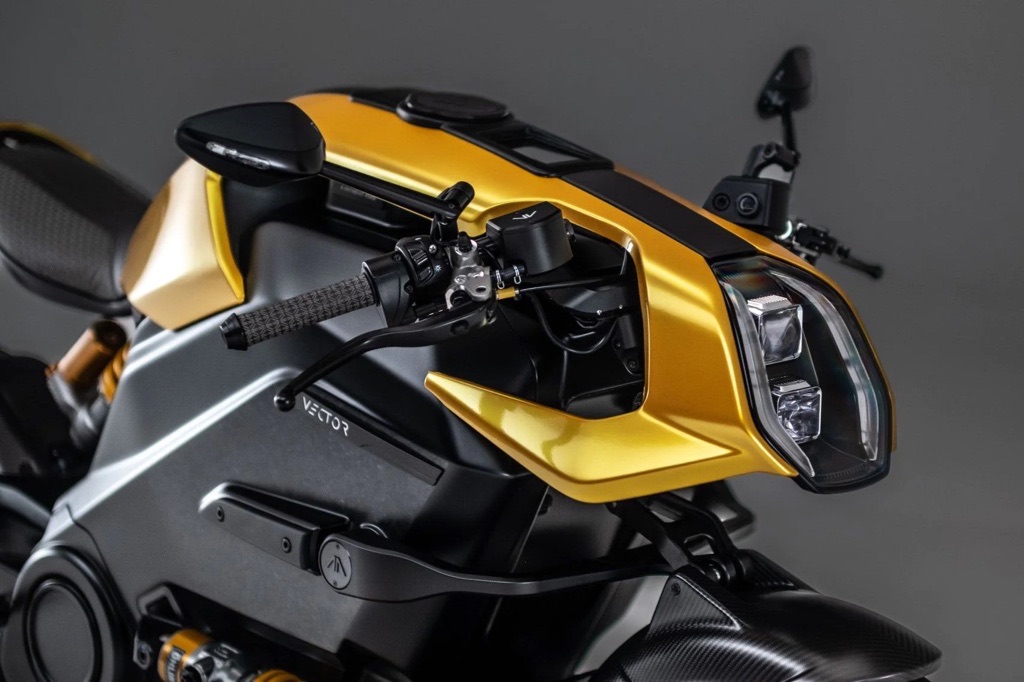
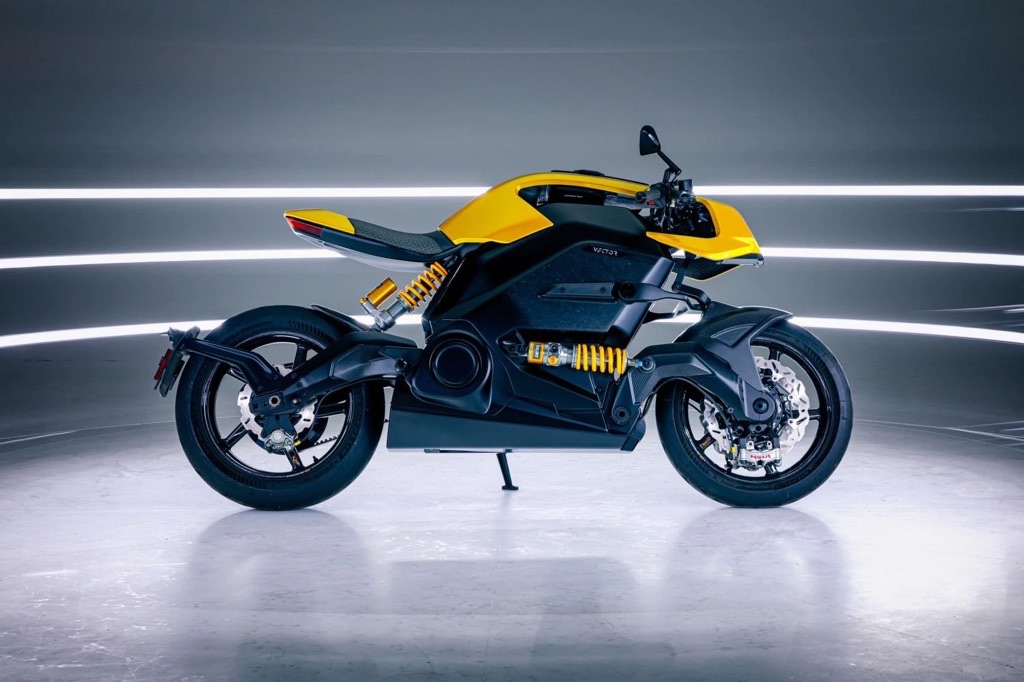
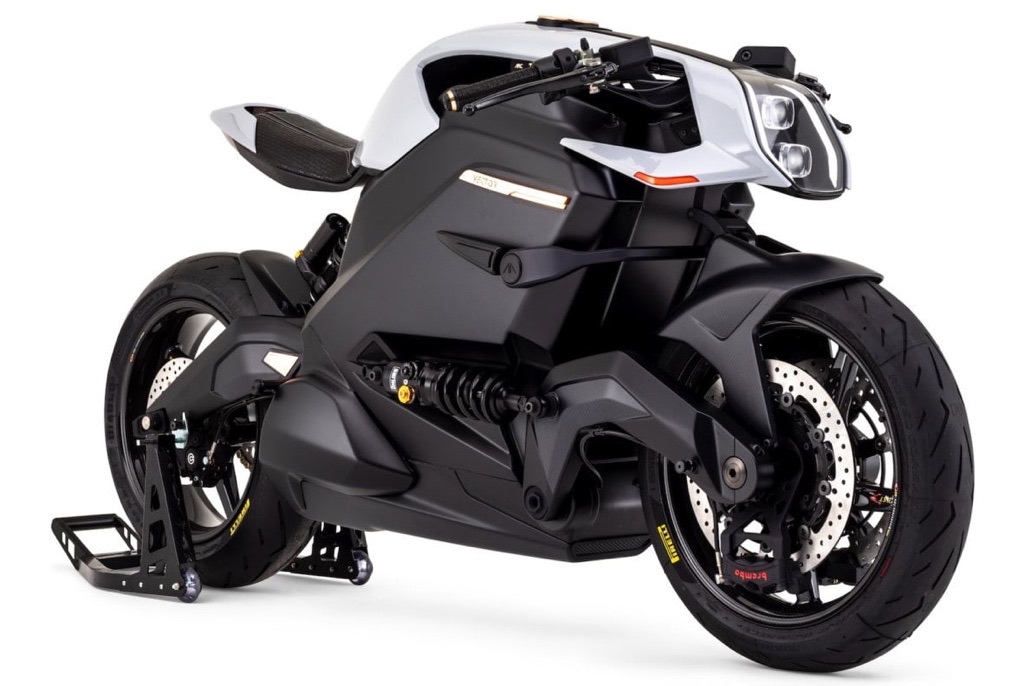
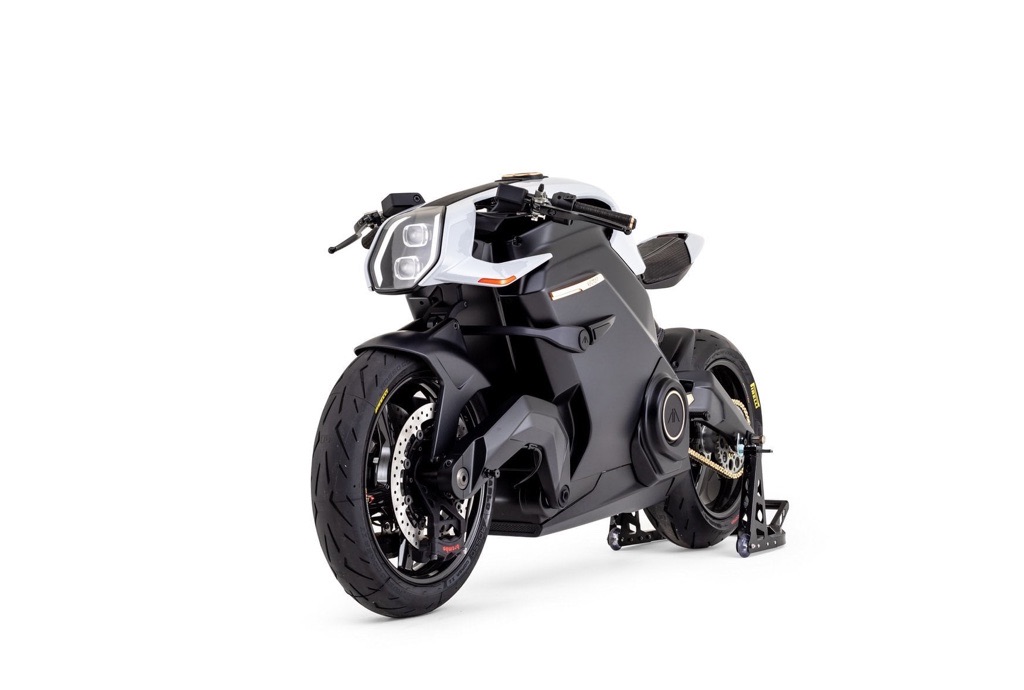
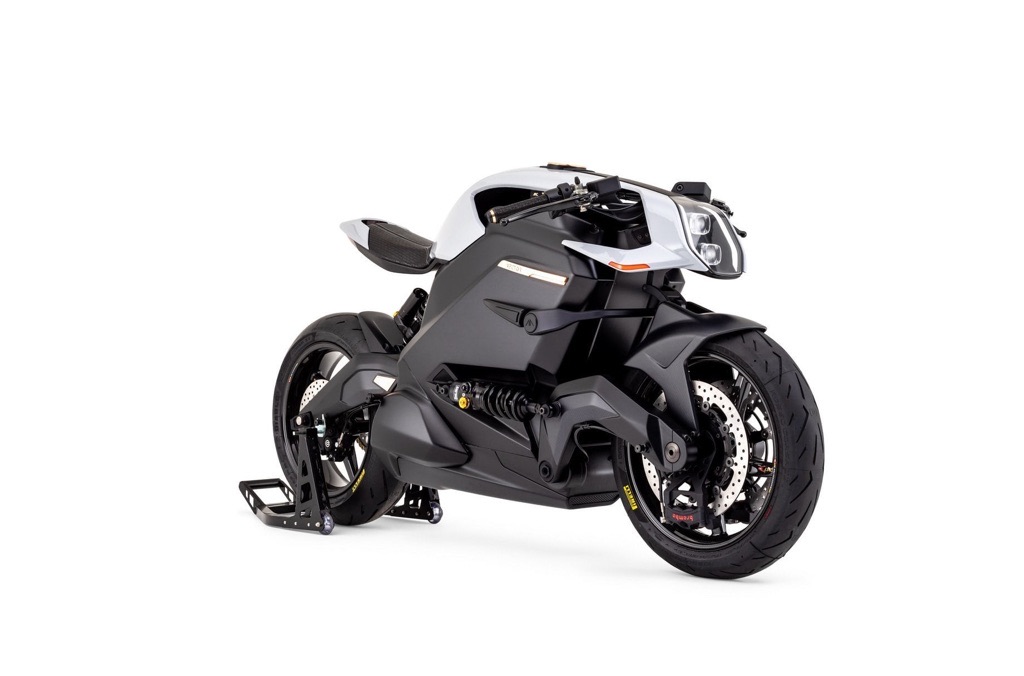
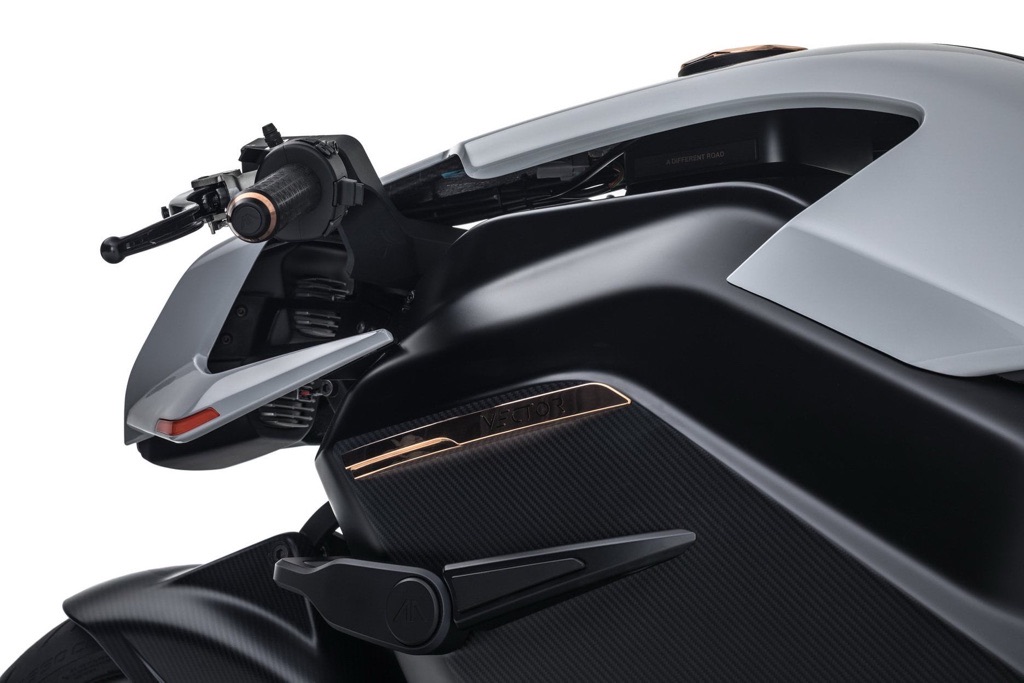
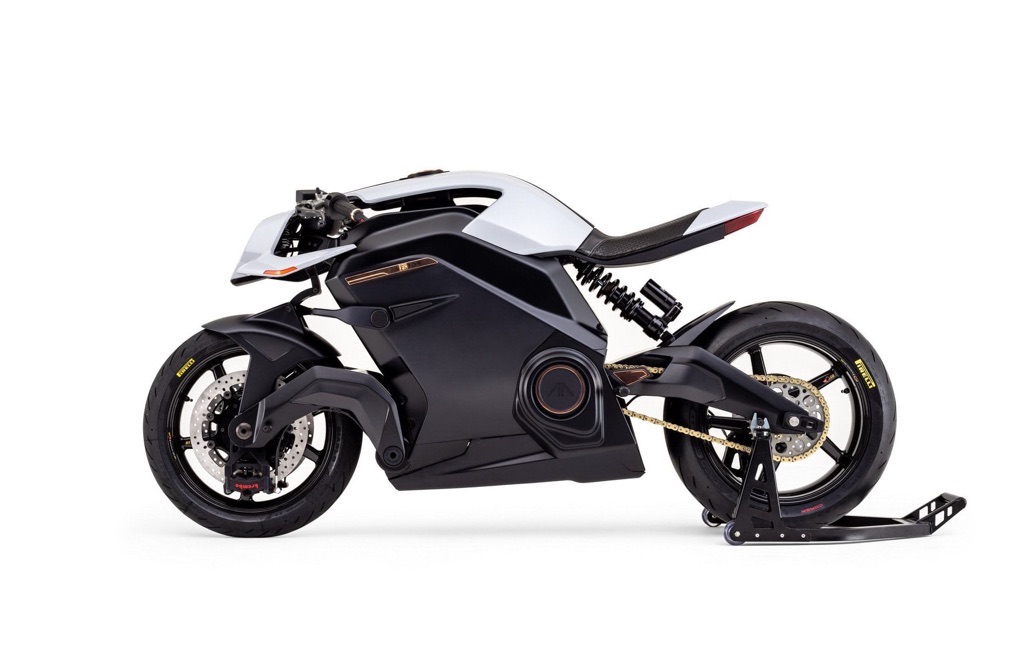
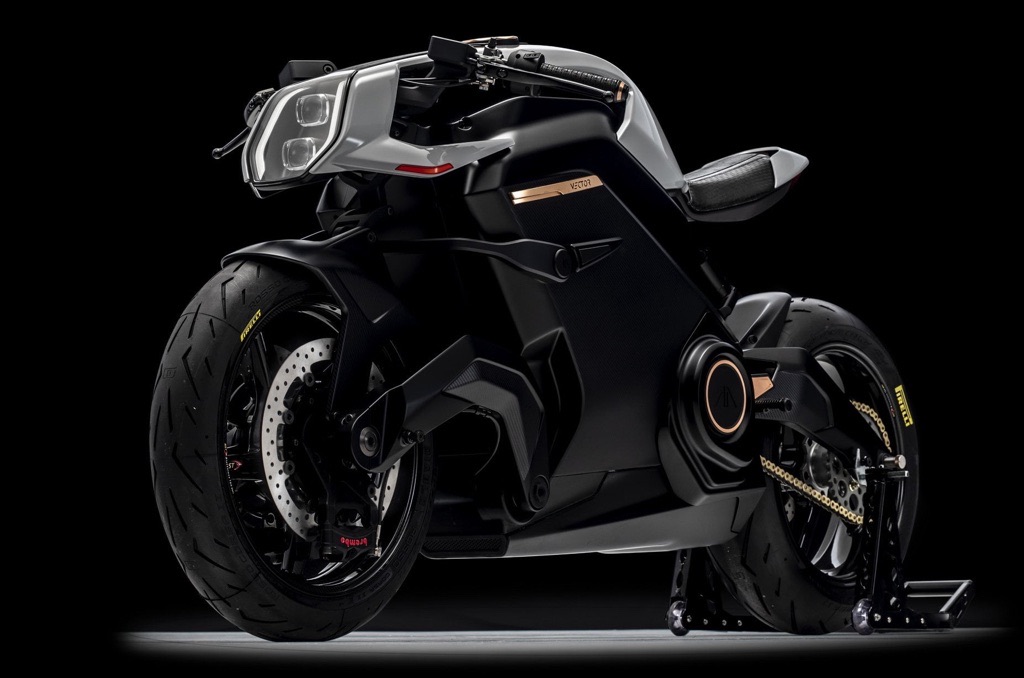
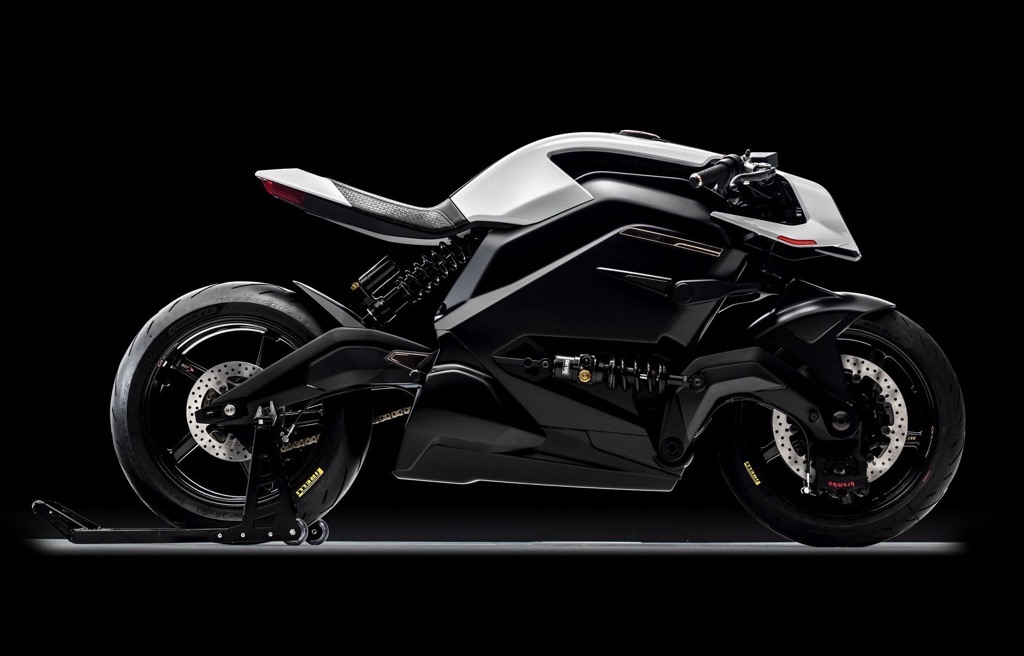
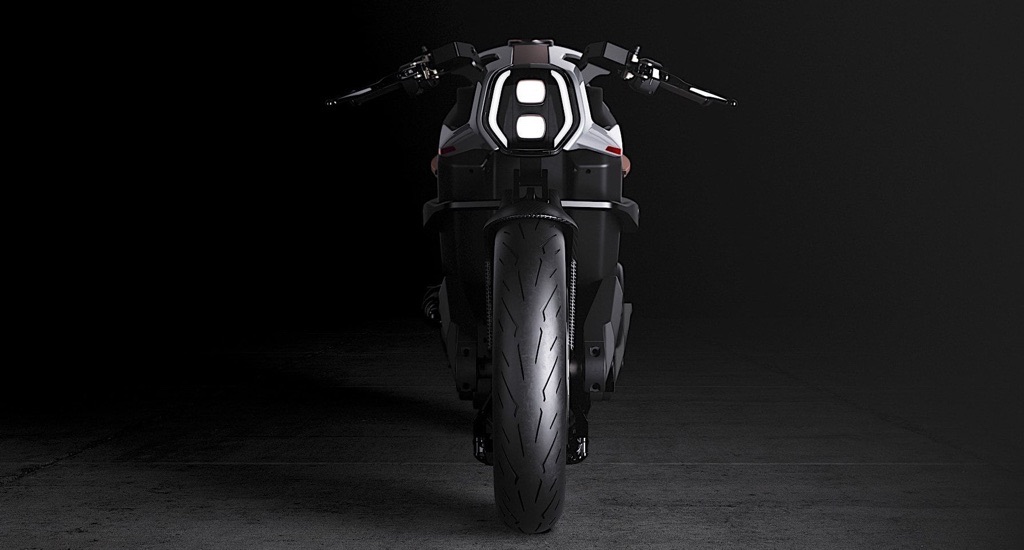
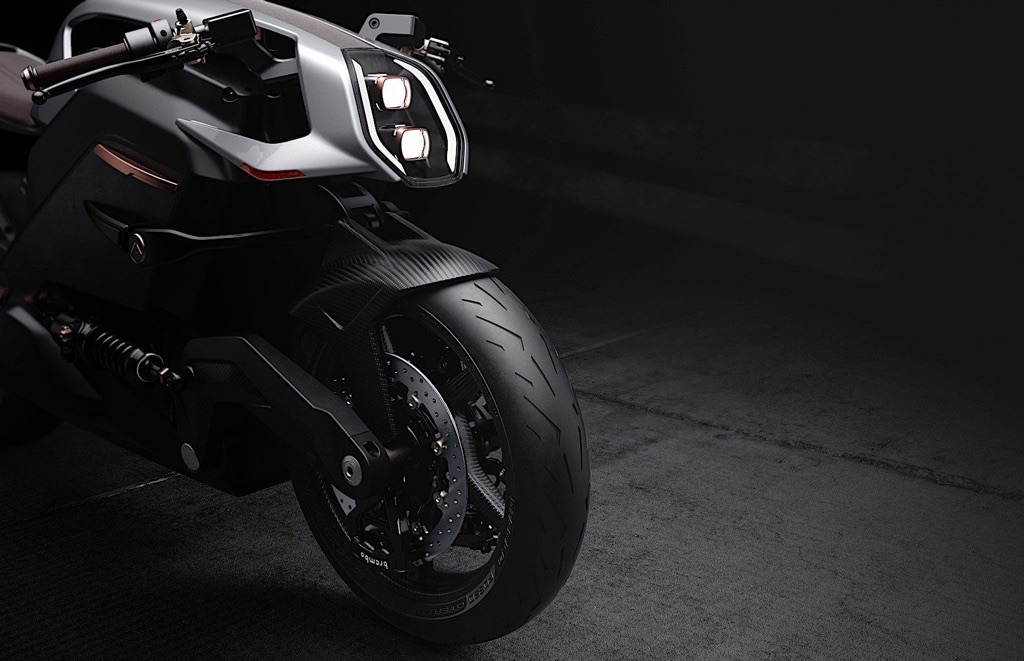
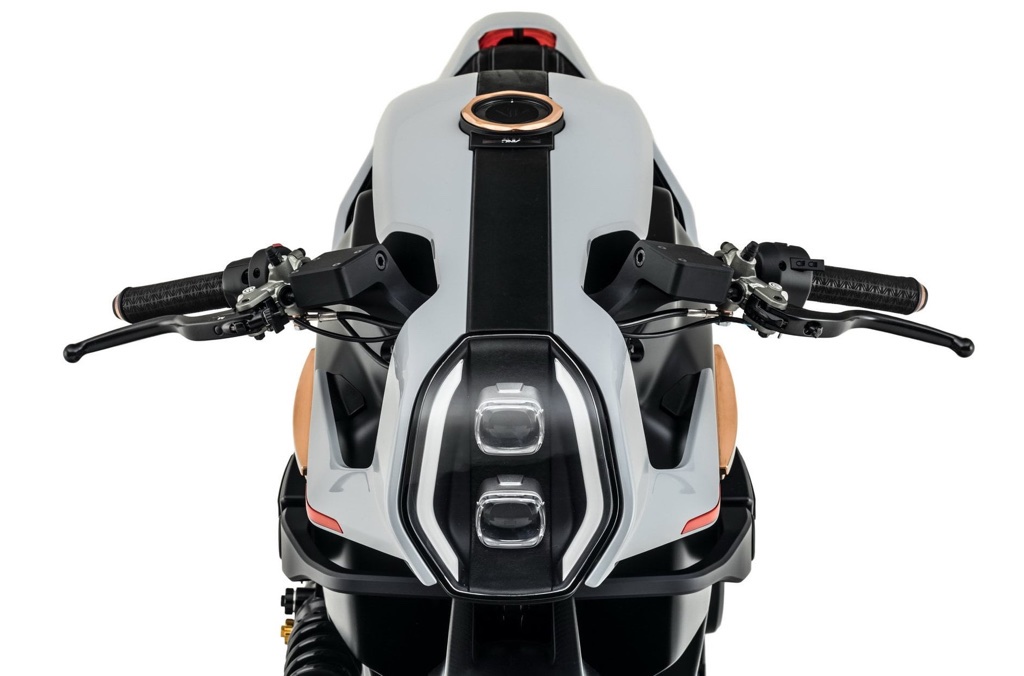
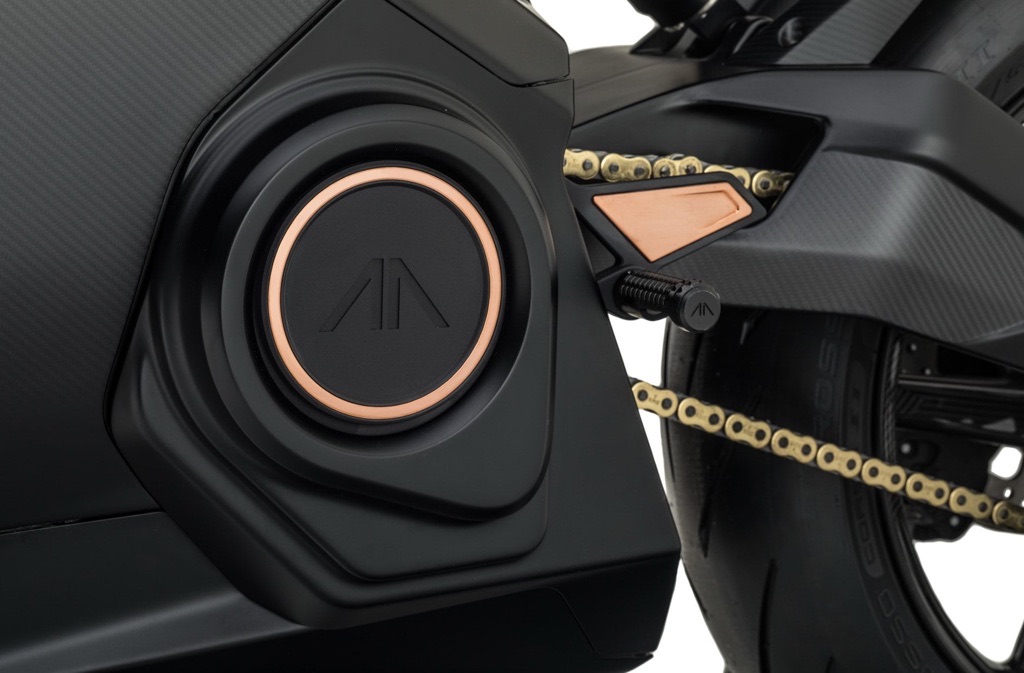
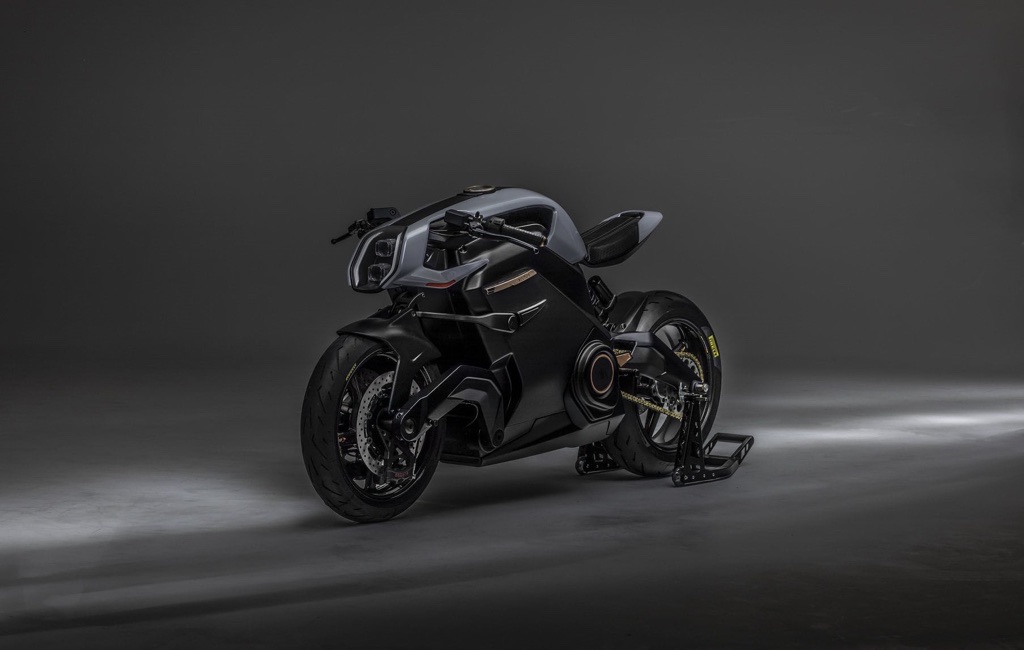
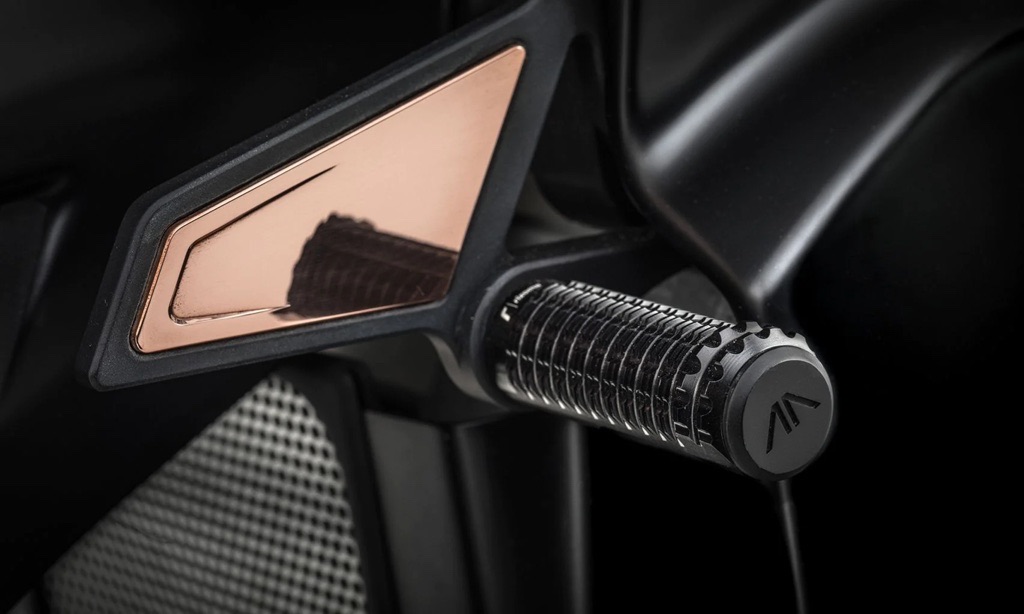
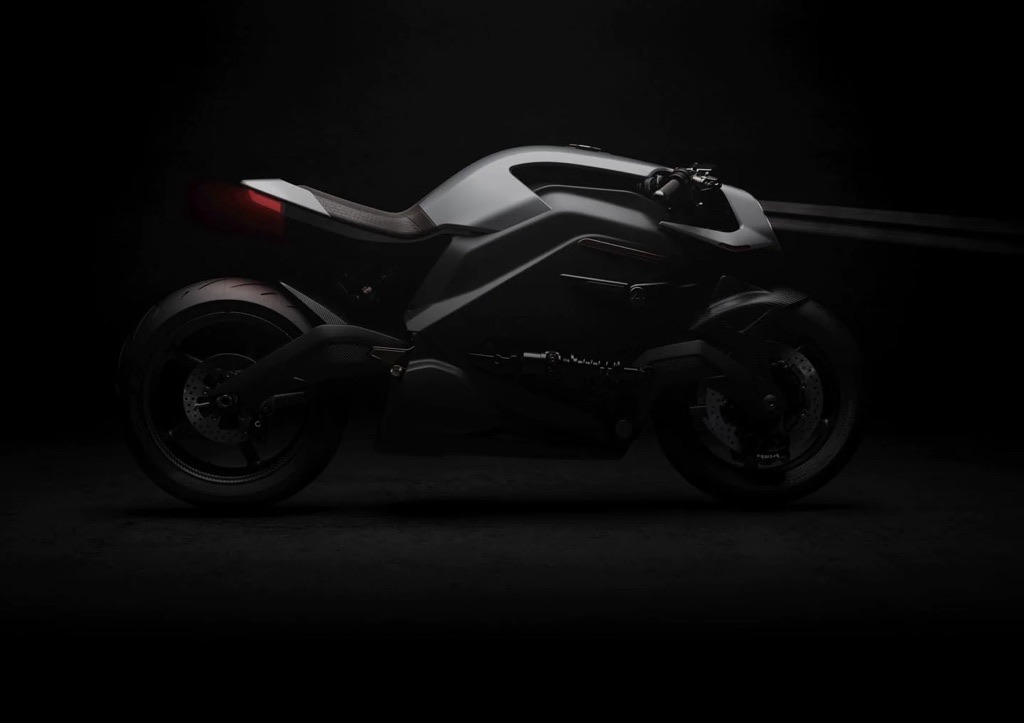
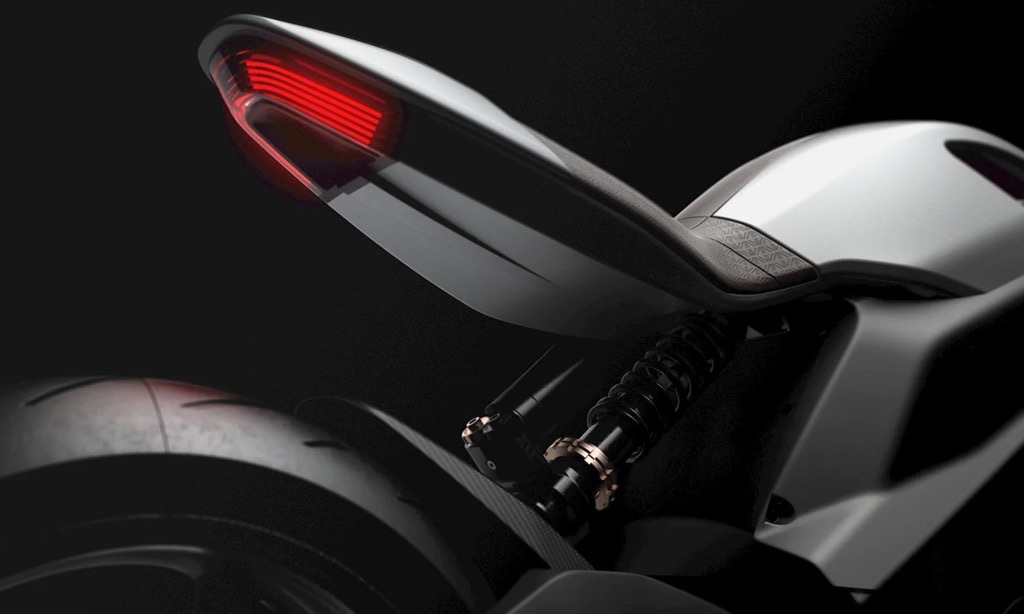
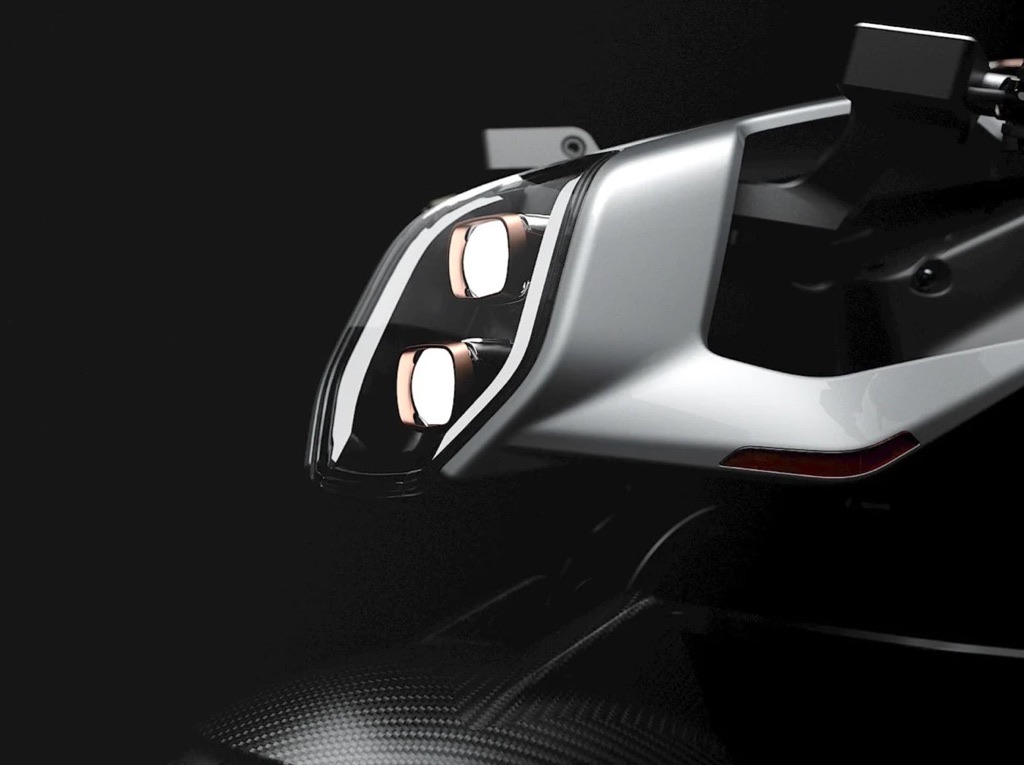
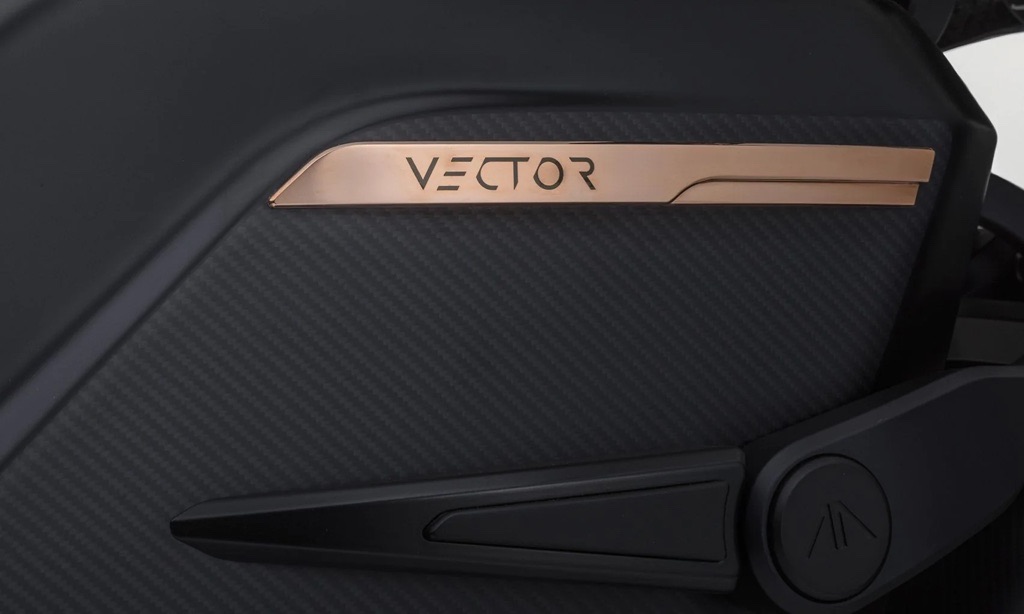
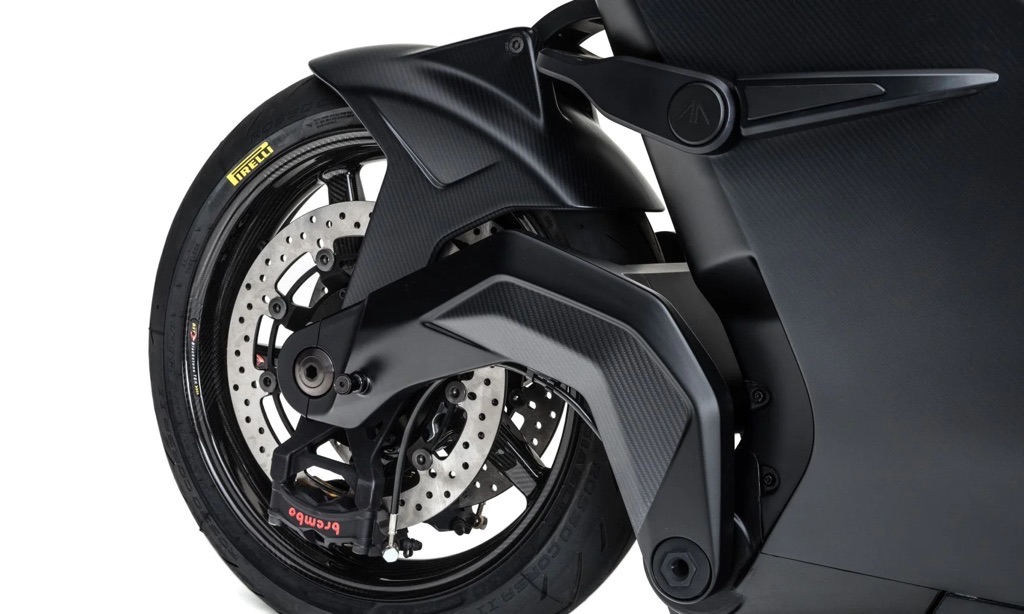
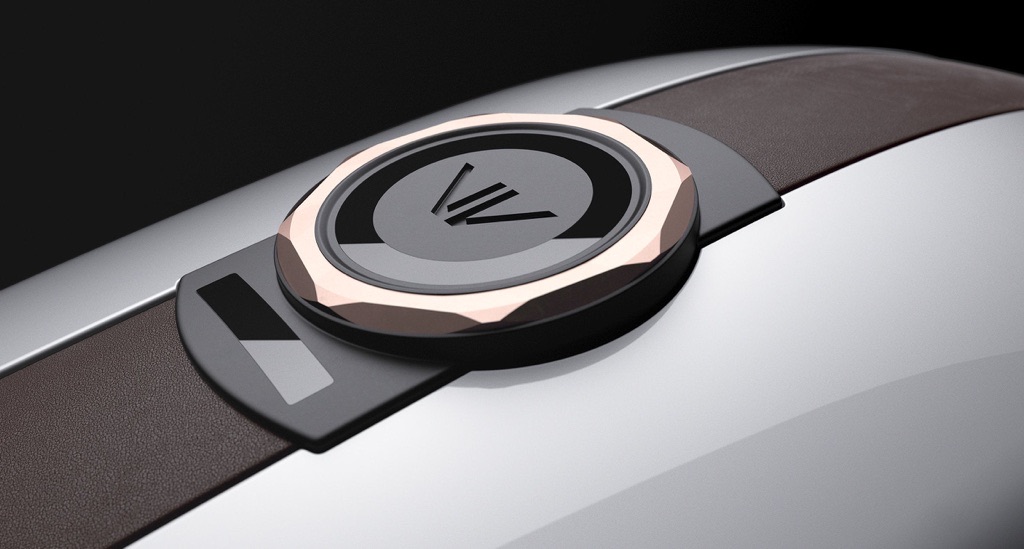
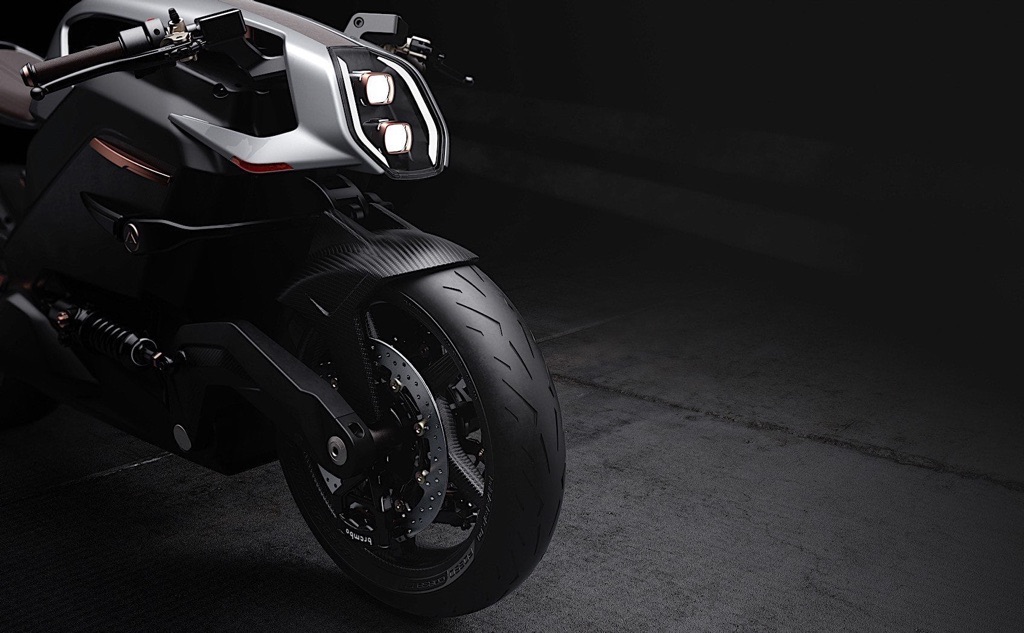
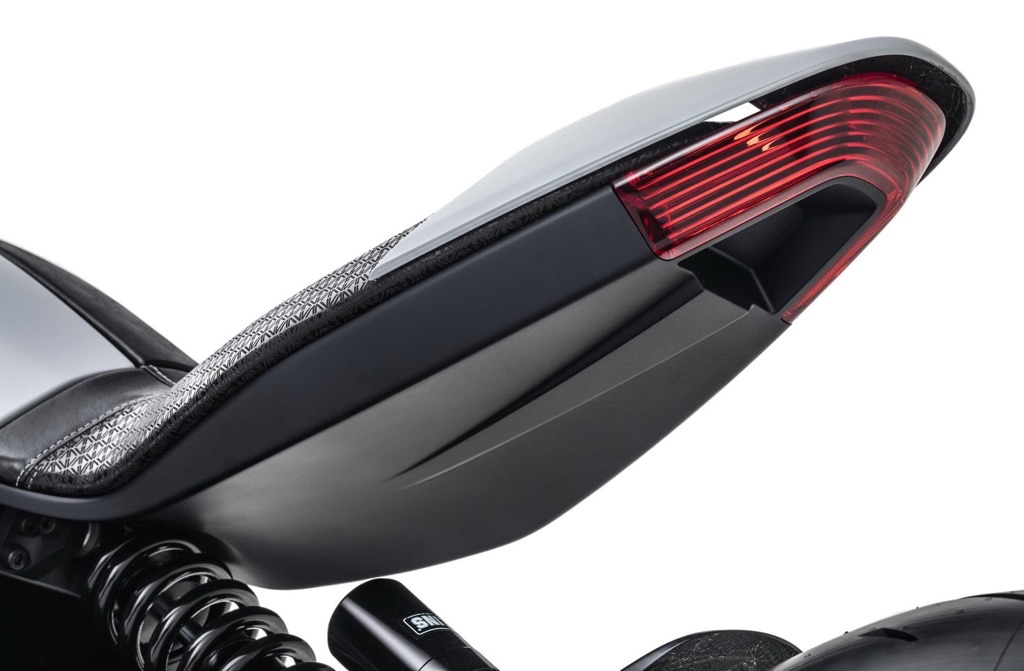
The Arc Vector has a futuristic, minimalist design with a carbon-fibre monocoque frame, exposed mechanical elements and aerodynamic bodywork. Its proportions lean aggressively forward, giving it a hyperbike stance unlike any traditional motorcycle.
Interior/rider interface
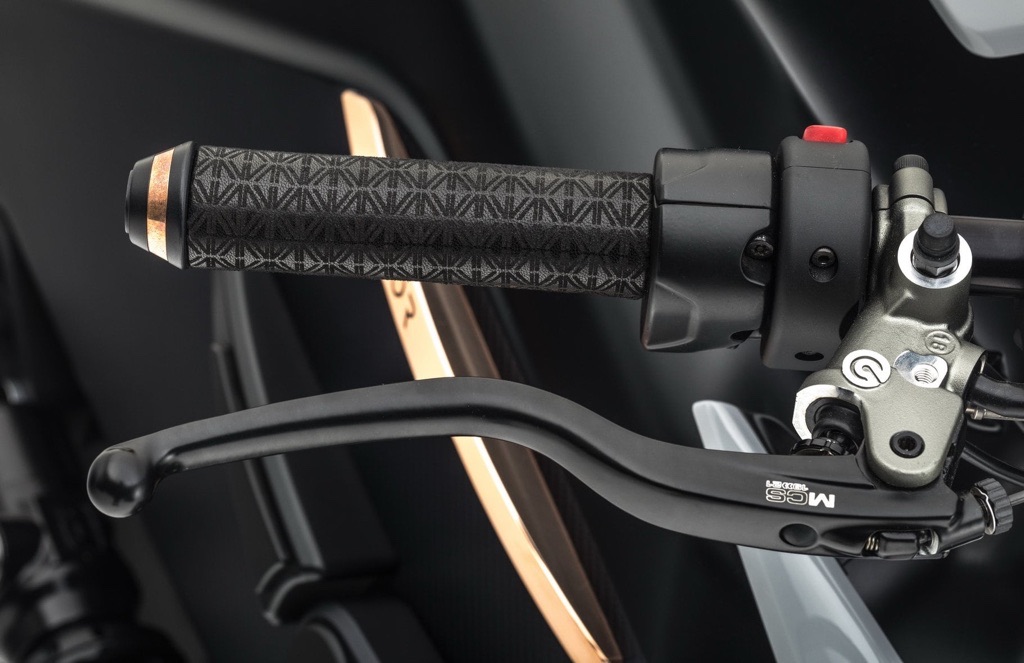
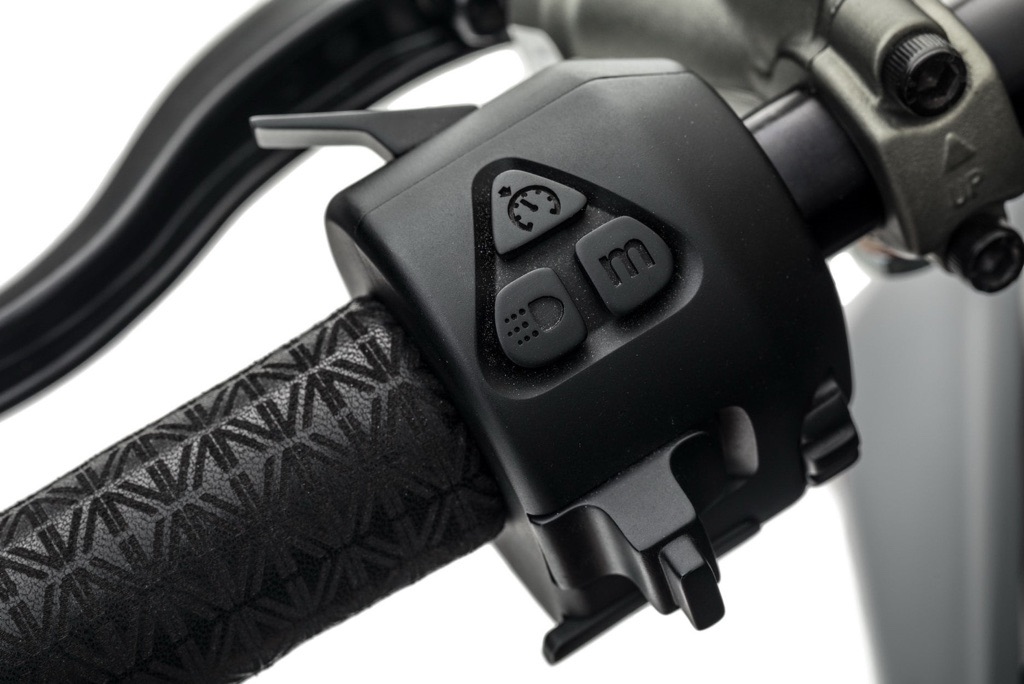
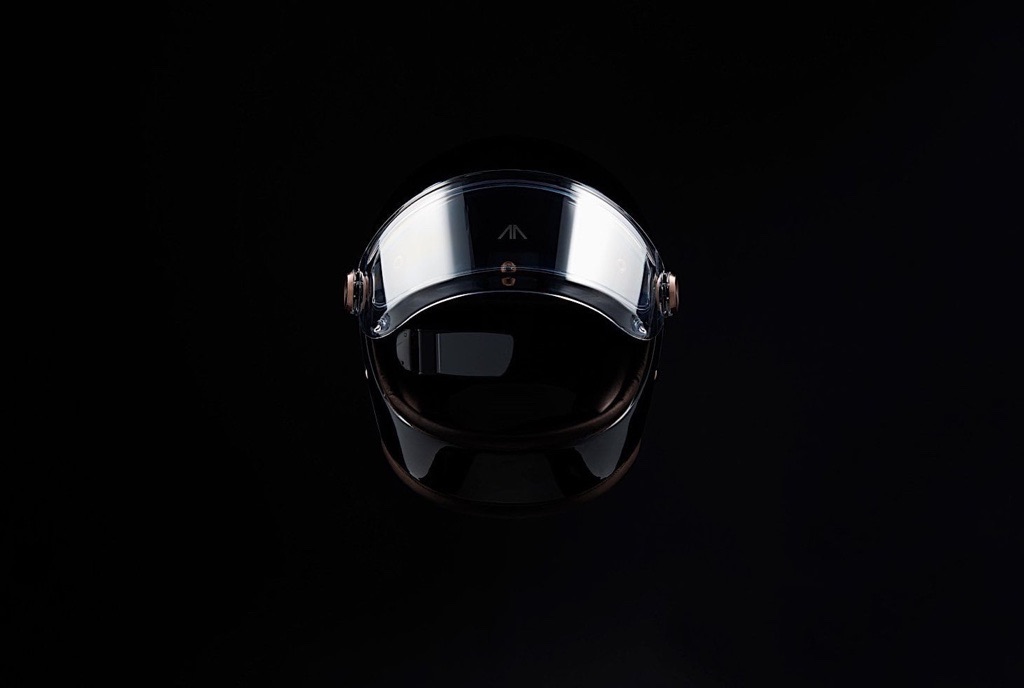
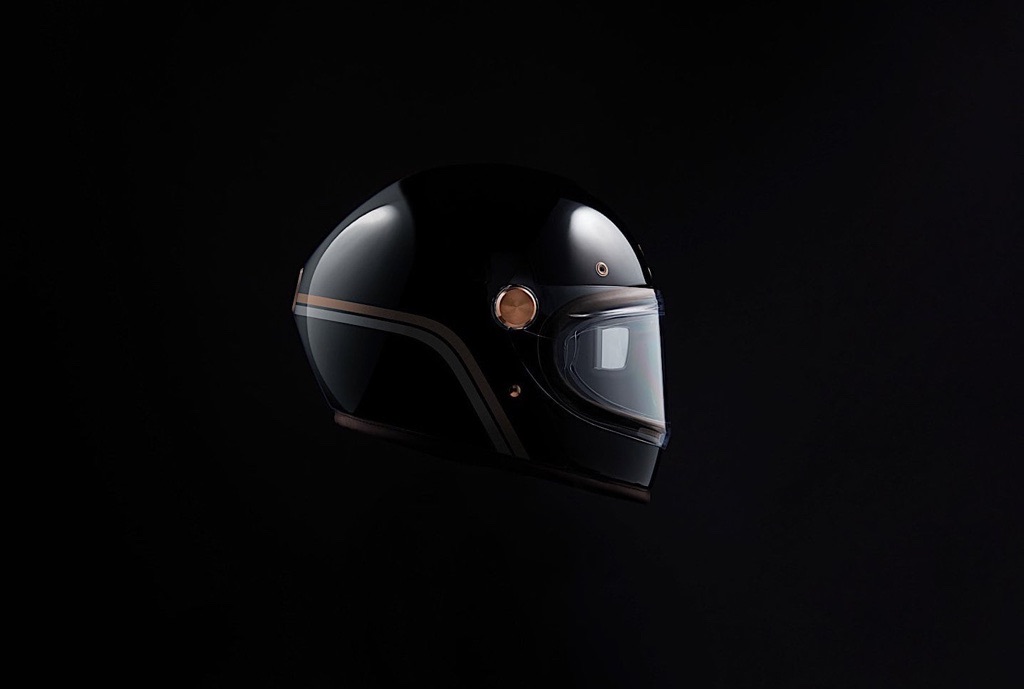
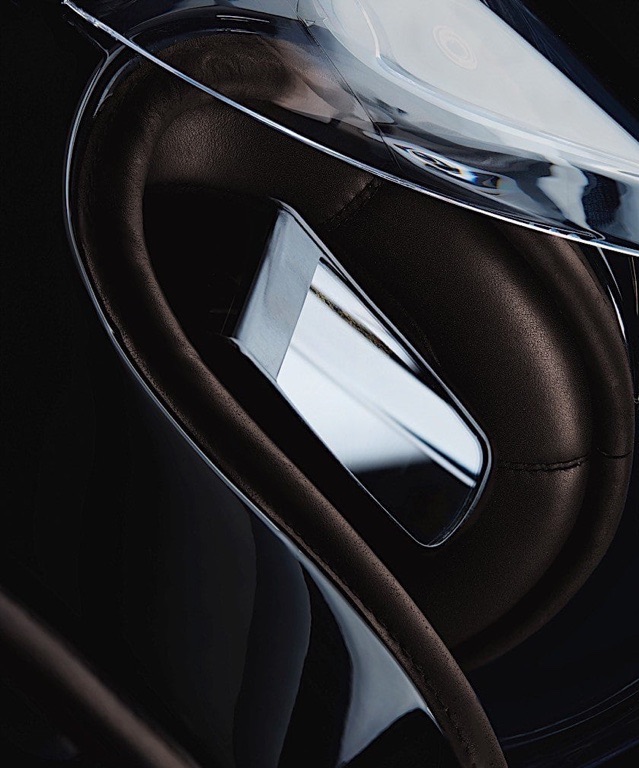
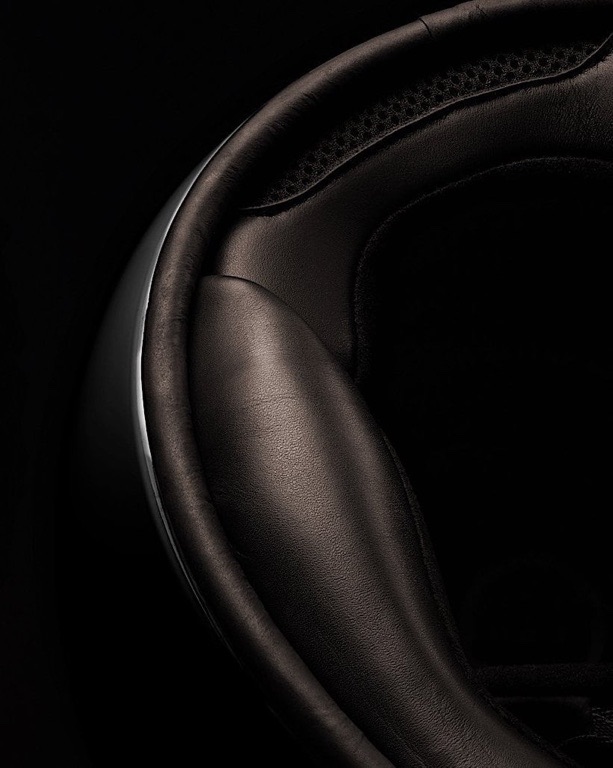
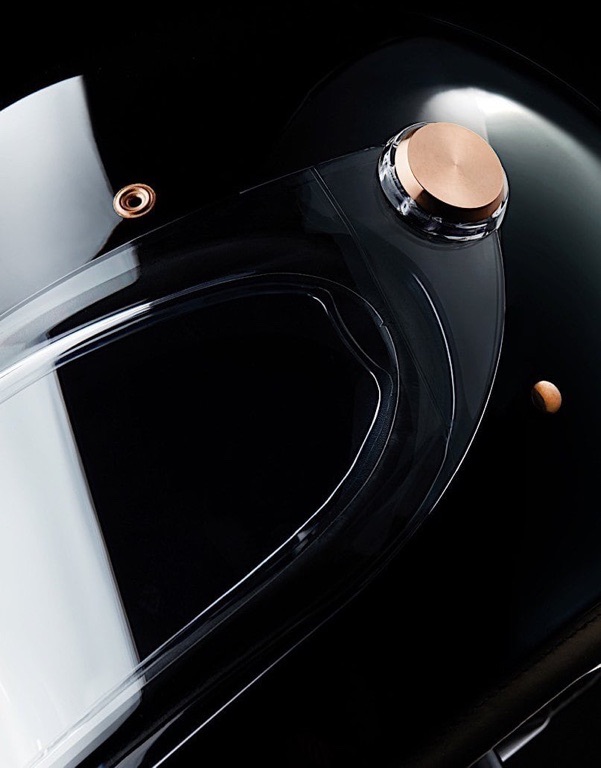
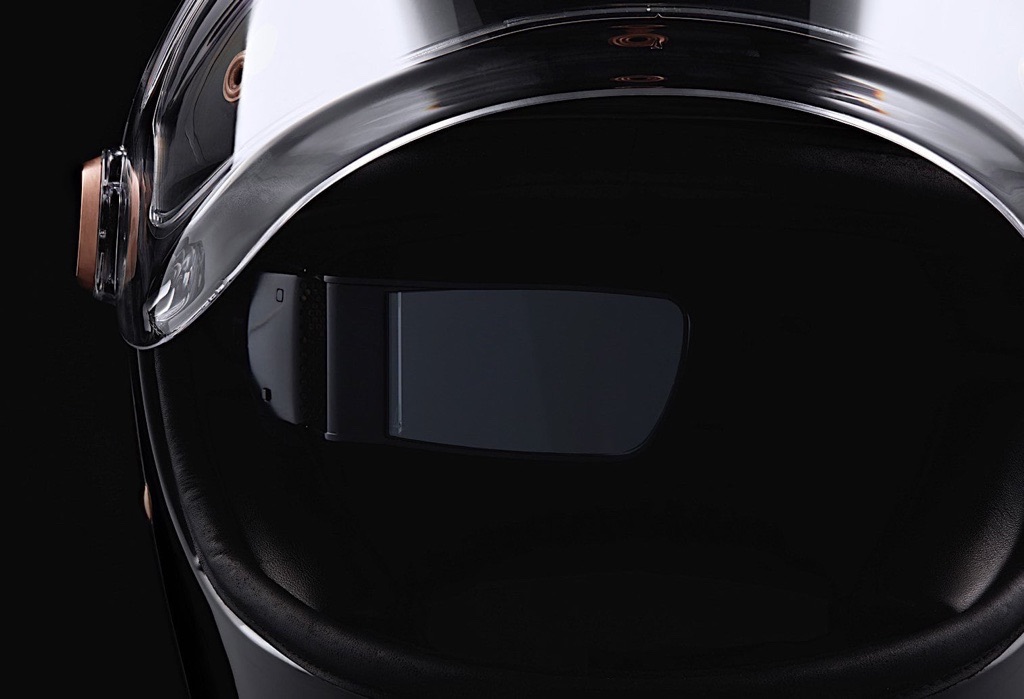
Instead of a classic dashboard, the Vector integrates a HUD smart helmet, a haptic feedback riding jacket and a minimalistic cockpit. Materials are premium: carbon fibre, machined aluminium, ceramic components.
Seating and practicality
The seating position is sporty and aggressive, suited for dynamic riding. Storage is minimal; it’s a performance machine rather than a touring bike.
Performance & Driving Experience
Battery and Range
-
Official claimed range (WMTC): 436 km
-
Real-world mixed range: 220–300 km
Range variations:
-
City: 250–320 km
-
Highway (120 km/h): 150–200 km
-
Winter: 170–220 km
Motor, Acceleration and Handling
The 87 kW motor provides instant torque, delivering 0–100 km/h in about 3.2 seconds.
The carbon-fibre monocoque gives the bike exceptional stiffness and precise handling. Cornering stability is excellent, and electronically controlled suspension gives it a planted feel. On the highway, it accelerates effortlessly but remains stable even at high speeds.
Ride Comfort & Noise
The suspension is firm (sport-focused), though adaptive damping helps absorb bumps.
Noise is limited to motor whine and tyre sound.
For long rides, the forward-leaning posture may cause fatigue.
Charging: Time & Cost
Home / AC Charging
-
Max AC power: 3.3 kW
-
0–100% at home: ~6 hours
Best for overnight charging.
Fast / DC Charging
-
Max DC power: 100 kW
-
10–80%: ~25 minutes
The charging curve is stable due to the small battery size and high-quality thermal management.
How Much Does It Cost to Charge?
With electricity at 0.25 €/kWh:
-
Full charge (16.8 kWh) costs about 4.2 €
-
Real range ~250 km
This equals ≈1.7 €/100 km — extremely cheap for such performance.
Real Energy Consumption
| Conditions | Consumption (kWh/100 km) |
|---|---|
| City | 6.5–8 |
| Highway 100 km/h | 7.5–9 |
| Highway 130 km/h | 10–12 |
| Winter mixed driving | 8–10 |
Comment:
“In everyday use, you can expect between 7 and 11 kWh/100 km depending on speed, temperature and riding style.”
Pros & Cons
Pros
-
Incredible futuristic design
-
Carbon-fibre frame and premium materials
-
Fast charging (rare for motorcycles)
-
Powerful motor and excellent handling
-
Smart HUD helmet and haptic jacket system
Cons
– Extremely expensive (€120k+)
– Aggressive riding posture
– Limited practicality/storage
– AC charging is slow
– Niche product, limited service network
Technology, Safety & Features
The Arc Vector integrates a smart helmet with HUD, voice control, a custom OS, and a haptic feedback riding jacket that vibrates for navigation and danger alerts.
ADAS is minimal (motorcycle limitations), but stability control, ABS and traction control are included.
OTA updates and smartphone integration are available.
Maintenance, Warranty & Reliability
-
Service intervals: every 10,000 km or annually
-
Maintenance costs: higher than average due to custom parts
-
Warranty:
-
Vehicle: 2 years
-
Battery: 5 years
-
No major reliability issues reported, though production volume is very low.
Comparison with Competitors
| Model | Battery | Range (km) | Power (kW) | Price (€) |
|---|---|---|---|---|
| Arc Vector | 16.8 kWh | 220–300 | 87 | 120,000 |
| Energica Ego+ | 21.5 kWh | 200–250 | 126 | 29,000 |
| Zero SR/S | 17.3 kWh | 180–250 | 84 | 23,000 |
Who Is the Arc Vector For?
Ideal for riders who want the most advanced, futuristic electric motorcycle money can buy — a combination of luxury, performance and innovation.
Not ideal for beginners, commuters, or budget-focused buyers.
It’s a bike for collectors, enthusiasts and tech lovers.
Final Verdict – Should You Buy the Arc Vector?
The Arc Vector is one of the most advanced electric motorcycles ever made. Its strengths include cutting-edge technology, strong performance, fast charging and an unmistakable design. Its weaknesses are its extreme price, limited practicality and niche support network.
If you value exclusivity and innovation over cost, it’s a breathtaking machine. For most riders, more affordable options like Zero or Energica offer better value.
FAQ about Arc Vector
Q: What is the real range of the Arc Vector?
A: Around 220–300 km in mixed riding.
Q: How long does 10–80% charging take?
A: Around 25 minutes on a 100 kW DC charger.
Q: How much does it cost to charge at home?
A: A full charge costs about €4.2.
Q: Is the Arc Vector good for long trips or winter?
A: It can handle long trips thanks to fast DC charging, but the sporty posture and limited luggage space make it less ideal. Winter range drops to 170–220 km.
Q: What are the main alternatives?
A: Energica Ego+, Zero SR/S, Damon Hypersport (when available).
Detailed Specifications
- Motor Power
- 399V permanent rare-earth magnet AC motor
Technical Overview
| Technical Specifications Arc Vector | |
| Vehicle Type | Motorcycle |
| Fuel | Electric |
| Engine Starting | Electric Start |
| Transmission |
Clutchless Single Gear Transmission
|
| Acceleration | 0-100km/h in 3.2 s |
| Top Speed | 241 km |
| Seat |
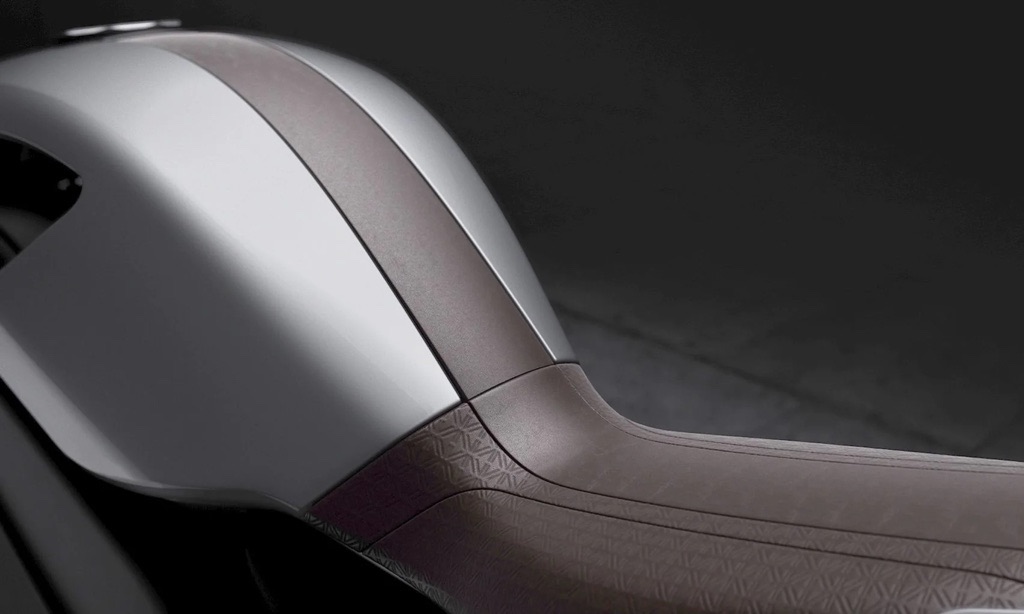
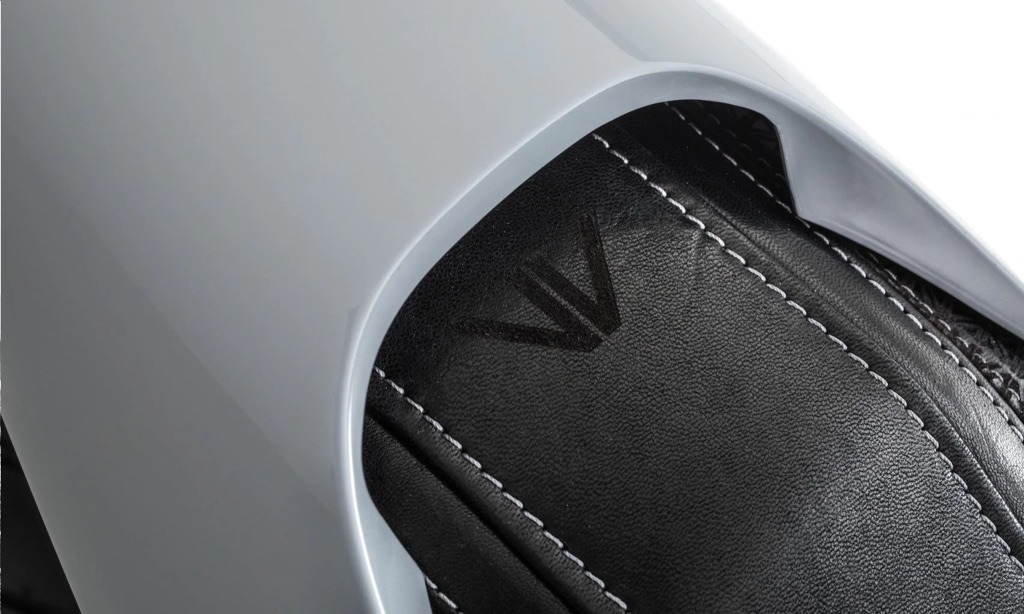
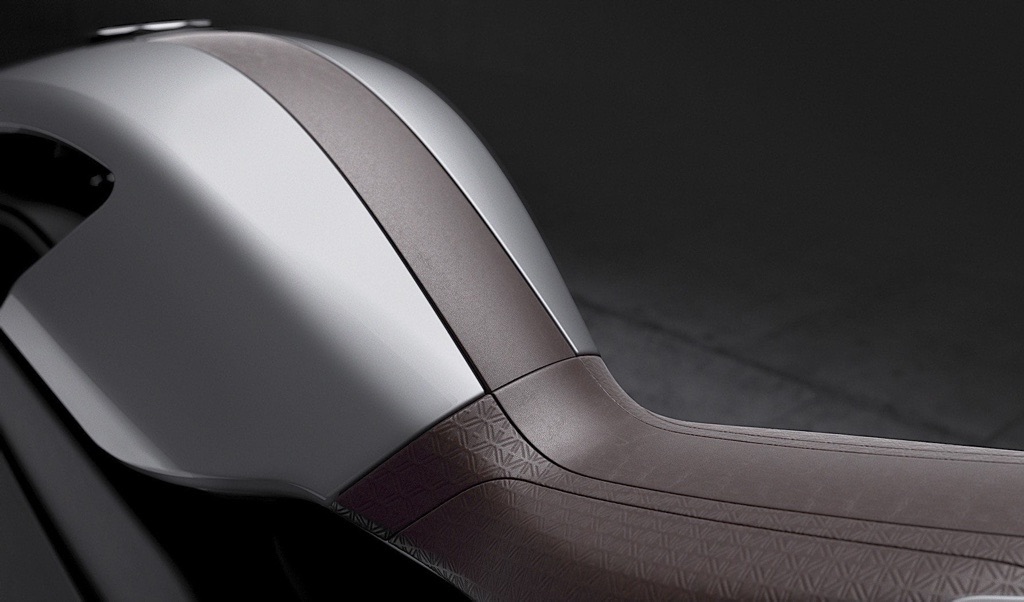
Bespoke colors and finish across the seat
|
| Charging time : | 40 mins |
| Electricals | |
| Battery | 16.8kWh Battery |
| Charger | CCS DC Charger |
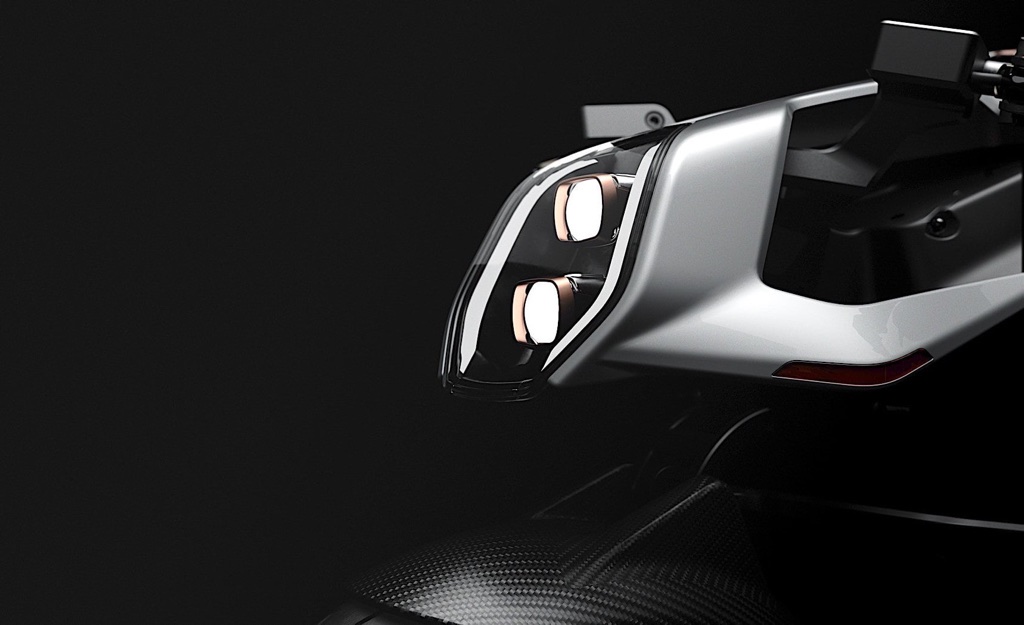
| Head Lamp |
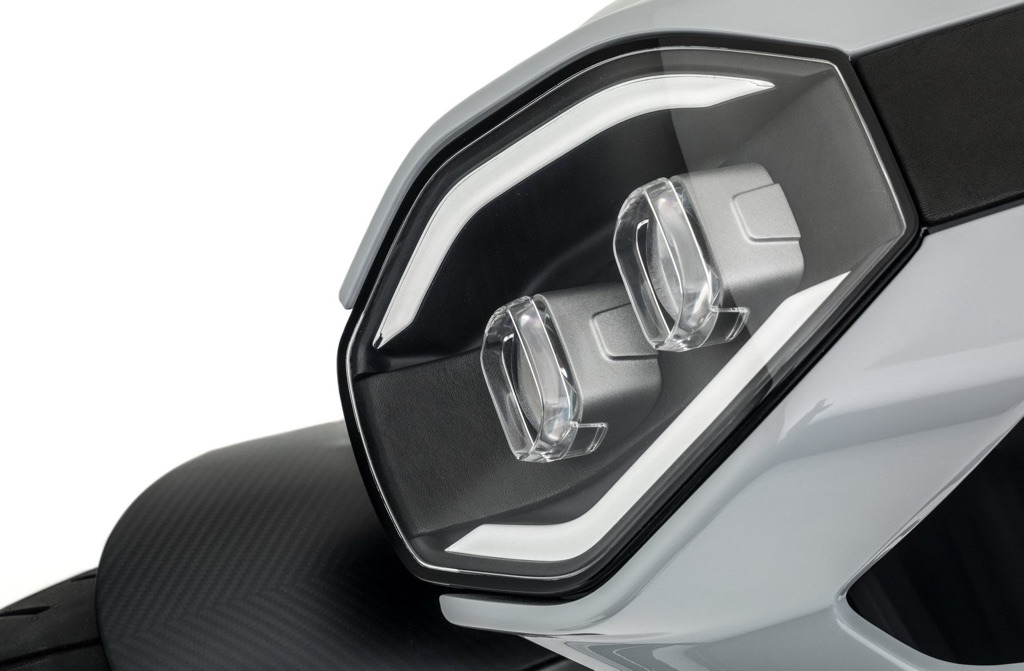
Advanced intelligent LED lighting means high performance for seeing the path ahead
|
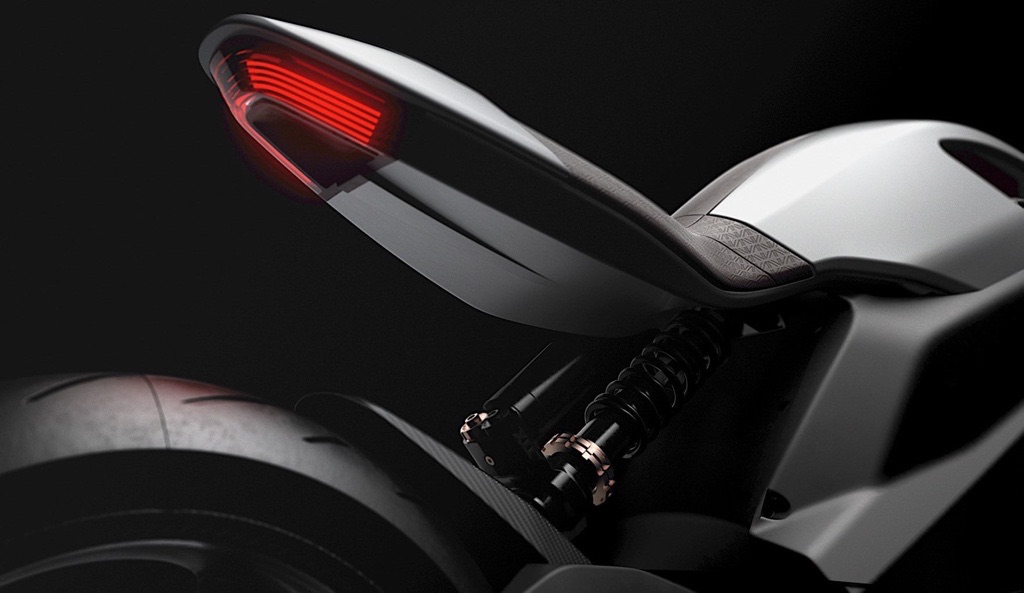
| Tail Lamp | LED |
| Brakes | |
| Front Brake |
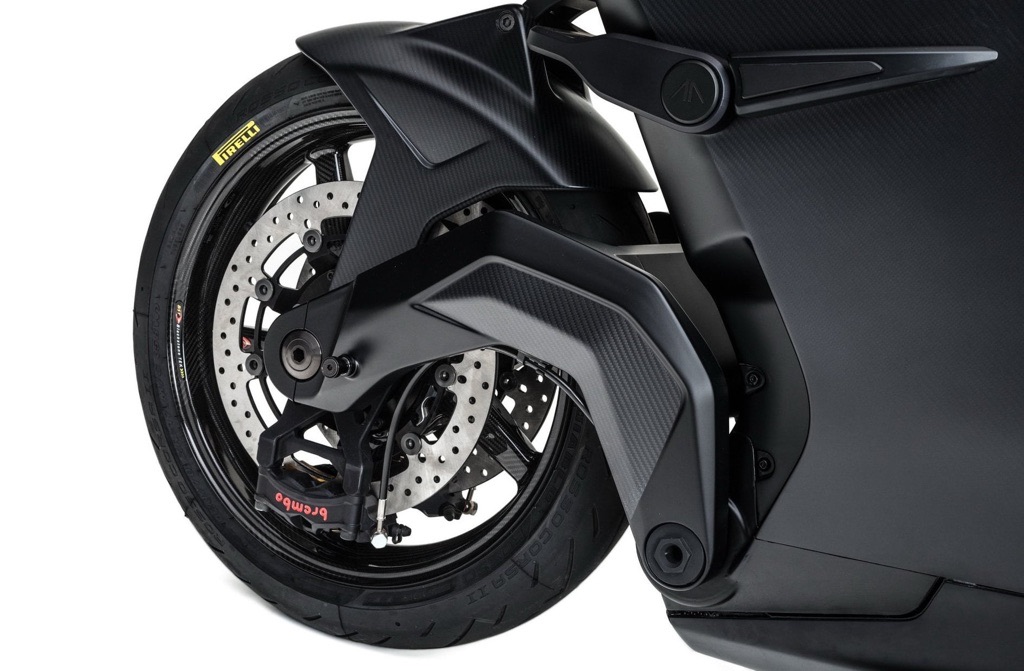
Brembo Style Brake Calipers and Disc
|
| Rear Brake |
Brembo Style Brake Calipers and Disc
|
| Chassis and Suspension | |
| Frame |
The monocoque, Built-in full carbon fiber, reduce mass, whilst maximizing space and structural strength
|
| Front Suspension |
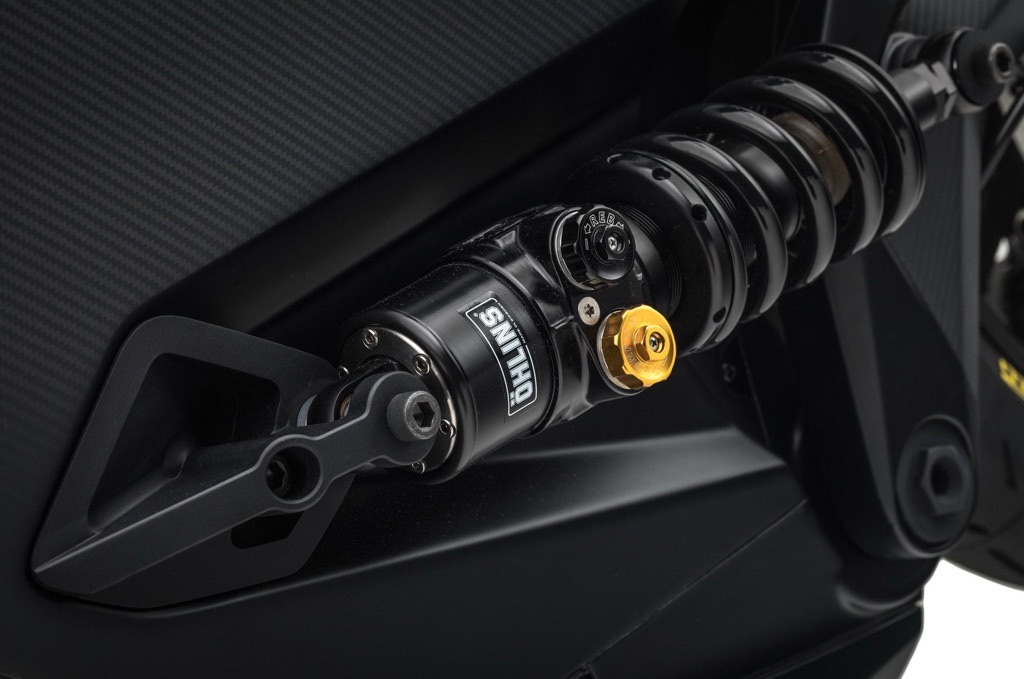
Ohlins TTX suspension, Direct connection scissors, and upper wishbone give the rider ultimate control and feeling. Carbon upright doubles as fender and control arm
|
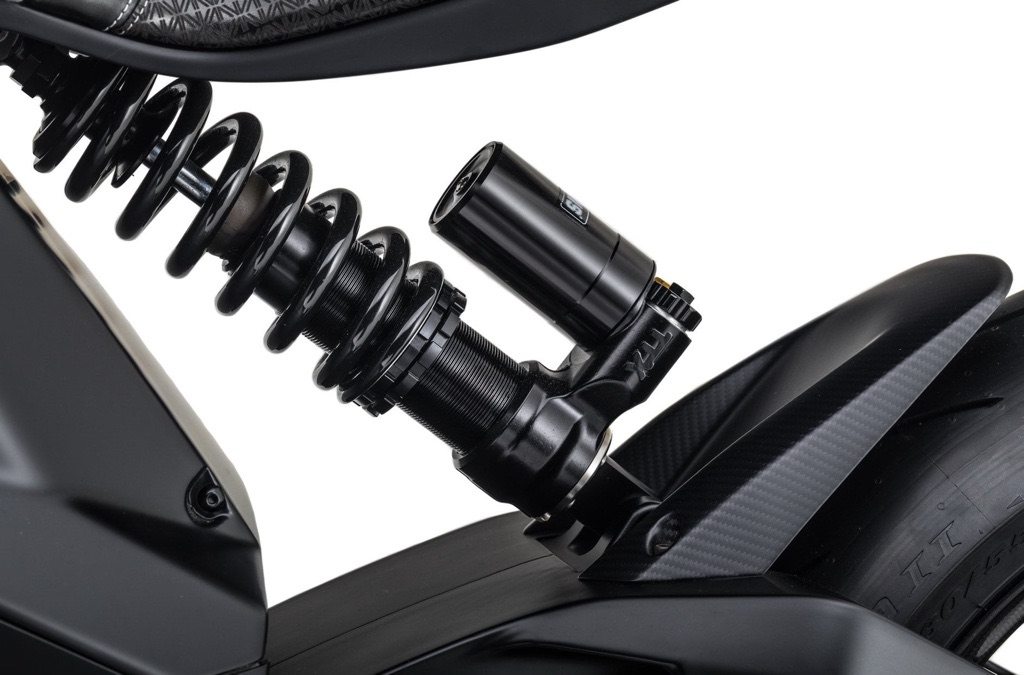
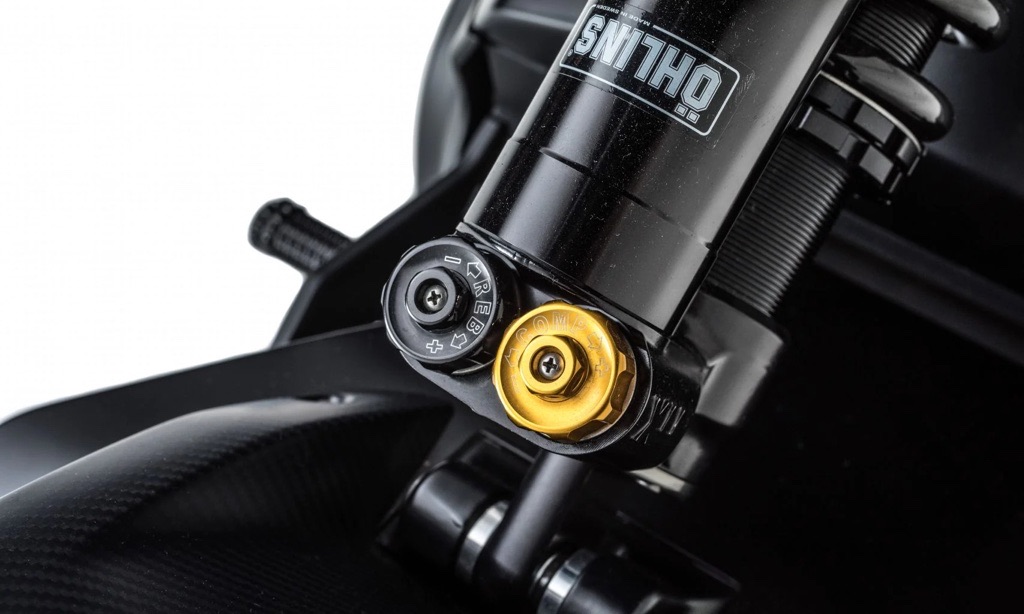
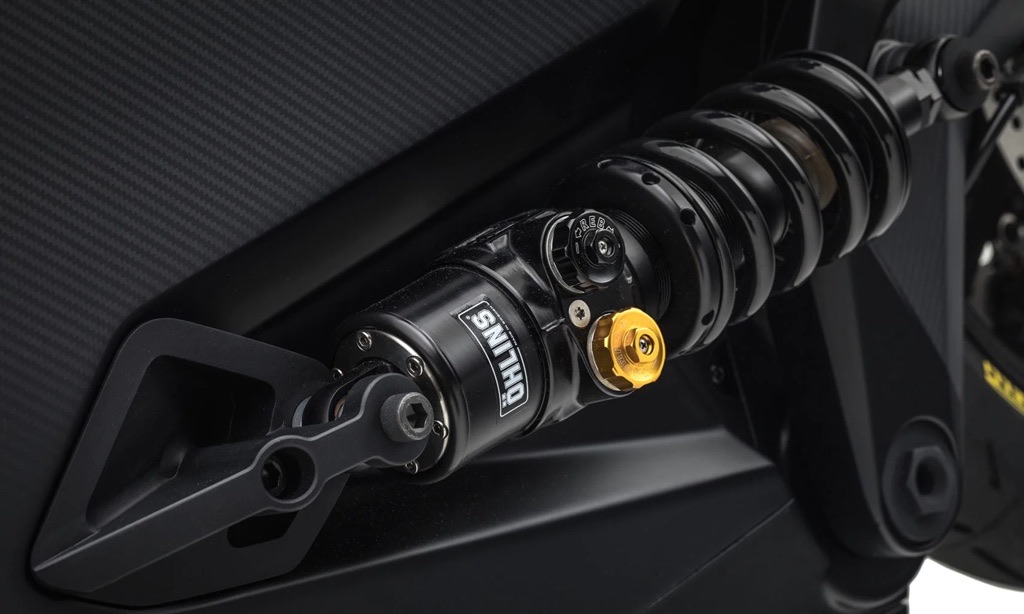
| Rear Suspension | Ohlins TTX suspension |
| Tires | |
| Wheels / Rim | Alloy |
| Dimensions | |
| Length x Width x Height | — x — x — mm |
| Seat Height | 840 mm |
| Wheelbase | 1450 mm |
| Features | |
| – ABS | |
| – Traction Control | |
| – Adaptive Regen | |
| – Unique Arc Front End Suspension | |
| – Hub center steering for additional stiffness | |
| – High-Efficiency LED Lighting | |
|
– Different Selectable Ride and Environment Modes
|
|
| Similar Motorcycles | |
| Colors | |
| Dark Grey |