Volkswagen ID.Polo Revealed: Affordable Electric Hatchback Launching in 2026
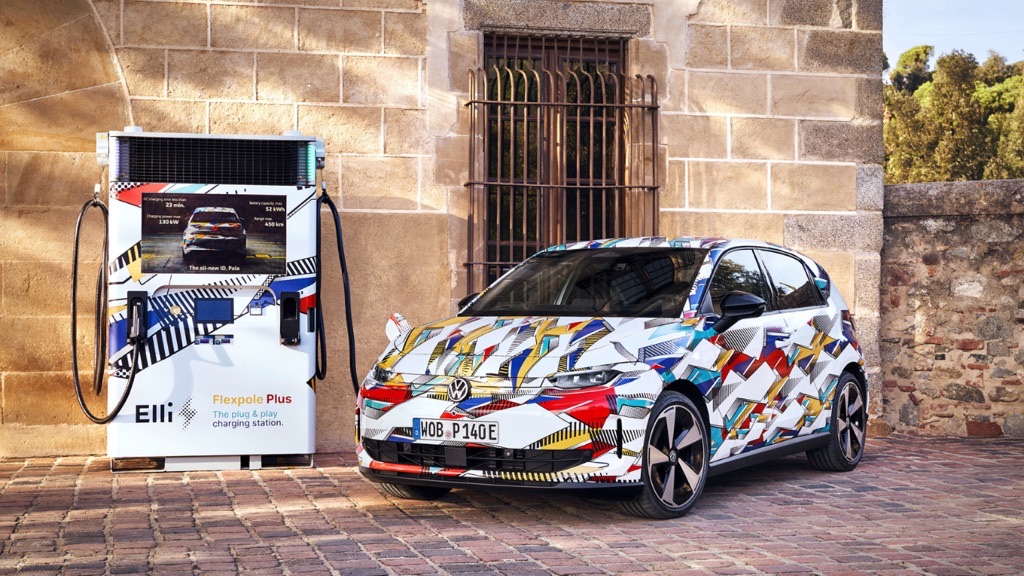
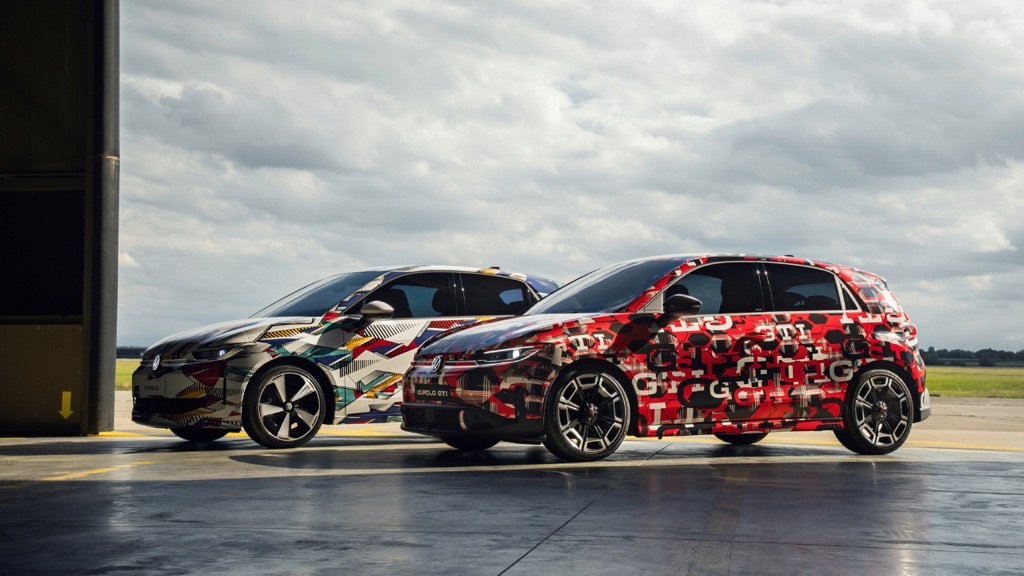
Volkswagen has officially confirmed the return of one of its most iconic nameplates — but this time, it comes with a charging cable instead of a fuel cap. The Volkswagen ID. Polo, an all-electric successor to the long-running Polo hatchback, marks a major step in VW’s push toward affordable electric mobility.
Set to arrive in spring 2026, the ID. Polo is designed as a compact, city-friendly electric car with pricing expected to start at around $29,000, making it one of the most accessible EVs from a major European brand.
A New Generation of Affordable Volkswagen EVs
Volkswagen says the ID. Polo represents the beginning of a new generation of lower-cost electric vehicles, aimed at buyers who don’t need oversized SUVs or premium pricing.
The ID. Polo sits below larger models like the ID.3 and ID.4 and is intended to serve as a daily urban car, balancing efficiency, practicality, and modern technology at a realistic price point.
Powertrain Options and Performance
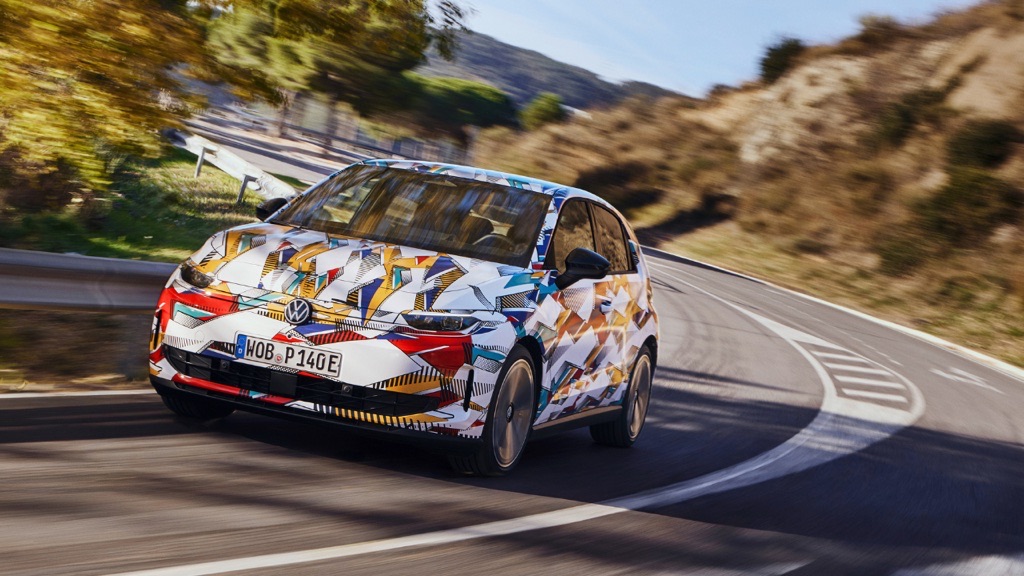
Volkswagen will offer the ID. Polo in four power outputs, giving buyers a wide range of choices depending on budget and performance needs:
-
114 hp (85 kW) – entry-level version
-
133 hp (99 kW) – mid-range efficiency-focused model
-
208 hp (155 kW) – performance-oriented version
-
223 hp (166 kW) – ID.Polo GTI, arriving later in 2026
The higher-output versions are expected to deliver strong acceleration and a more engaging driving experience, especially in GTI form — a notable return of performance credentials to the Polo name in the EV era.
Two Battery Types: LFP or NMC
Volkswagen will use two different battery chemistries depending on the version:
LFP Battery (Entry Models)
-
Capacity: 37 kWh
-
Chemistry: Lithium Iron Phosphate (LFP)
-
Used in: 114 hp and 133 hp versions
-
Benefits: Lower cost, higher durability, longer lifespan
NMC Battery (Higher-Power Models)
-
Capacity: 52 kWh
-
Chemistry: Nickel Manganese Cobalt (NMC)
-
Used in: 208 hp and 223 hp versions
-
Benefits: Higher energy density, longer range
With the 52 kWh battery, Volkswagen claims a driving range of up to 280 miles (≈450 km), positioning the ID. Polo is a practical EV not just for cities, but also for longer regional trips.
Charging Performance
Charging capability is competitive for the segment:
-
DC fast charging: up to 130 kW
-
Fast-charge time: suitable for short stops rather than extended downtime
This allows the ID. Polo to remain practical for everyday use without excessive charging delays.
MEB+ Platform and New Battery Technology
The ID. Polo is built on Volkswagen’s new MEB+ platform, an evolution of the existing MEB architecture focused on:
-
Improved efficiency
-
Reduced production costs
-
Lower energy consumption
Volkswagen also introduces its PowerCo unified cell, using cell-to-pack technology, which increases energy density by approximately 10% while saving space and reducing complexity.
Dimensions and Interior Space
Despite its compact footprint, the ID. Polo maximizes interior usability:
-
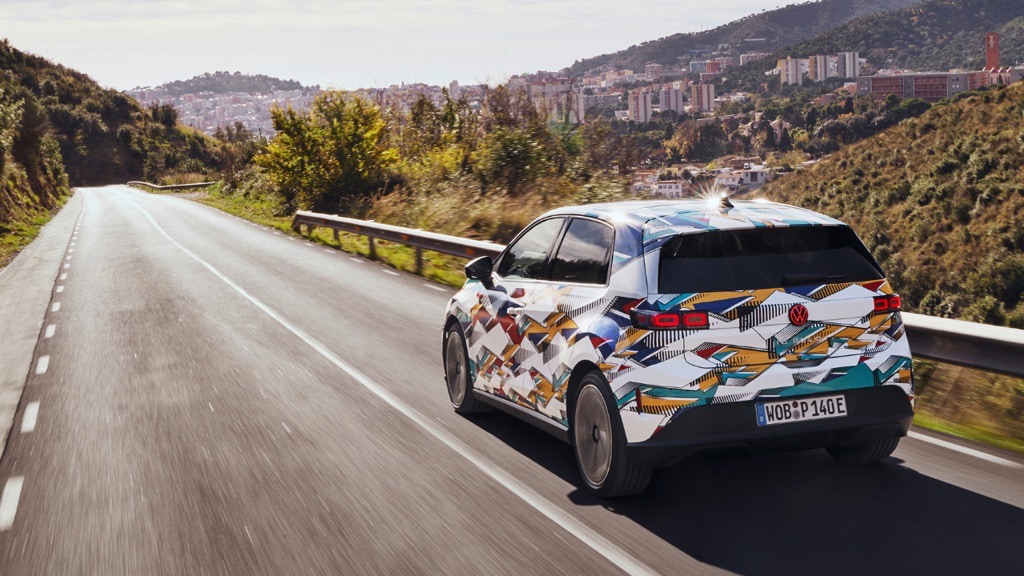
Length: ~13.3 ft (≈4.05 m)
-
Width: ~5.96 ft (≈1.82 m)
-
Height: just over 5 ft (≈1.55 m)
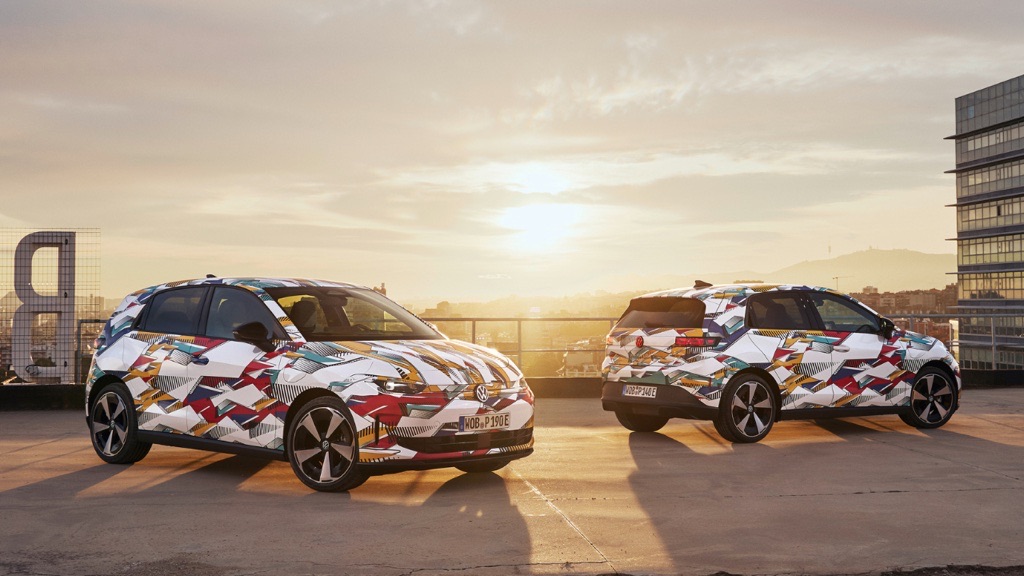
Thanks to compact electric drive components, interior space has been slightly improved compared to the petrol Polo.
Cargo Capacity
-
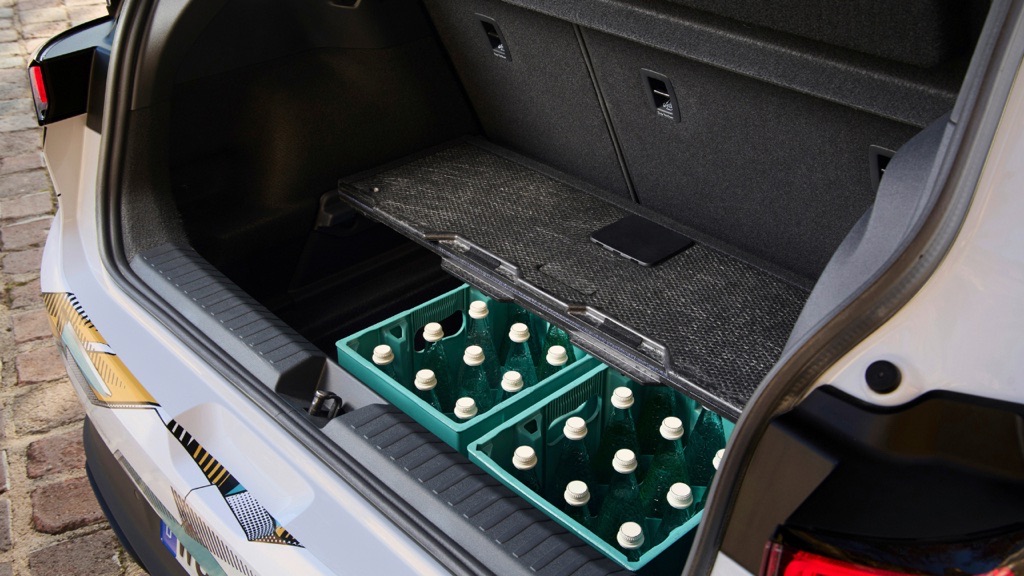
Boot space: 15.4 cubic feet (rear seats up)
-
Max cargo volume: 44 cubic feet (rear seats folded)
That represents a 24% increase over the petrol Polo, making the ID. Polo is notably more practical for everyday use.
Advanced Driver Assistance and New Tech
The ID. Polo introduces Volkswagen’s latest ADAS suite, including:
-
Advanced emergency braking
-
Lane assistance
-
Adaptive cruise control
For the first time in a VW production car, the ID. Polo will also feature traffic light and stop sign recognition, enhancing urban safety and driver awareness.
Part of a Broader EV Strategy
The ID. Polo is only the beginning of Volkswagen’s next EV wave. It will be followed by:
-
Volkswagen ID.Cross – a compact electric SUV
-
Volkswagen ID.1 – an even smaller, entry-level electric city car
Together, these models form the backbone of Volkswagen’s plan to make EVs accessible to a much broader audience.
A Turning Point for Affordable Electric Cars
With a 280-mile range, modern technology, and a price target under $30,000, the Volkswagen ID. Polo could become one of the most important EV launches of the decade — especially for urban drivers and first-time EV buyers.