Mate Rimac Unveils Verne — a New Electric Autonomous Robotaxi Launching in 2026
Quick Summary
-
The creator of the record-breaking Rimac Nevera hypercar unveils a surprisingly calm new invention: an autonomous electric robotaxi called Verne.
-
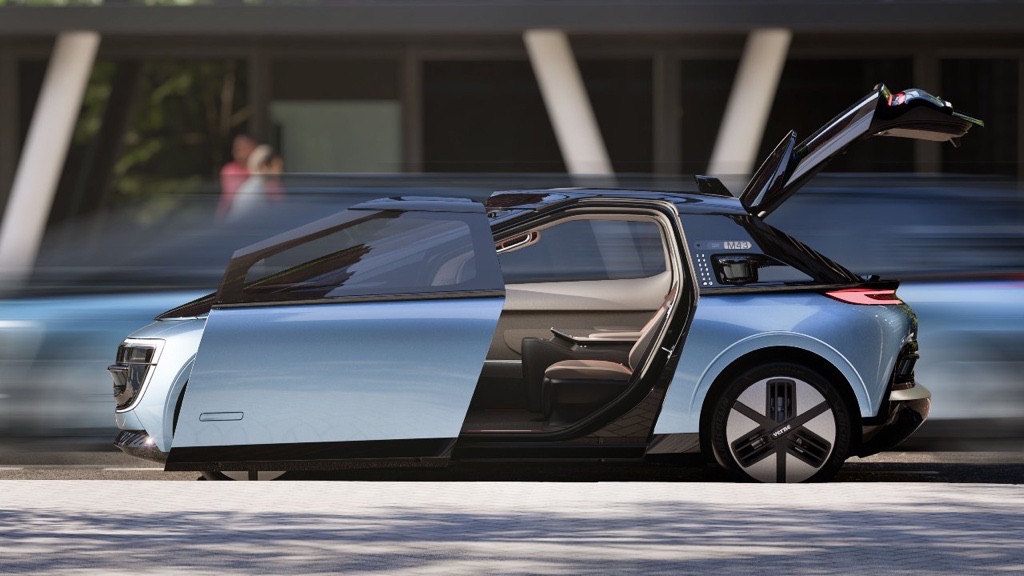
Launching in Zagreb, Croatia, in Spring 2026, the two-seat pod is purpose-built for comfort, not speed.
-
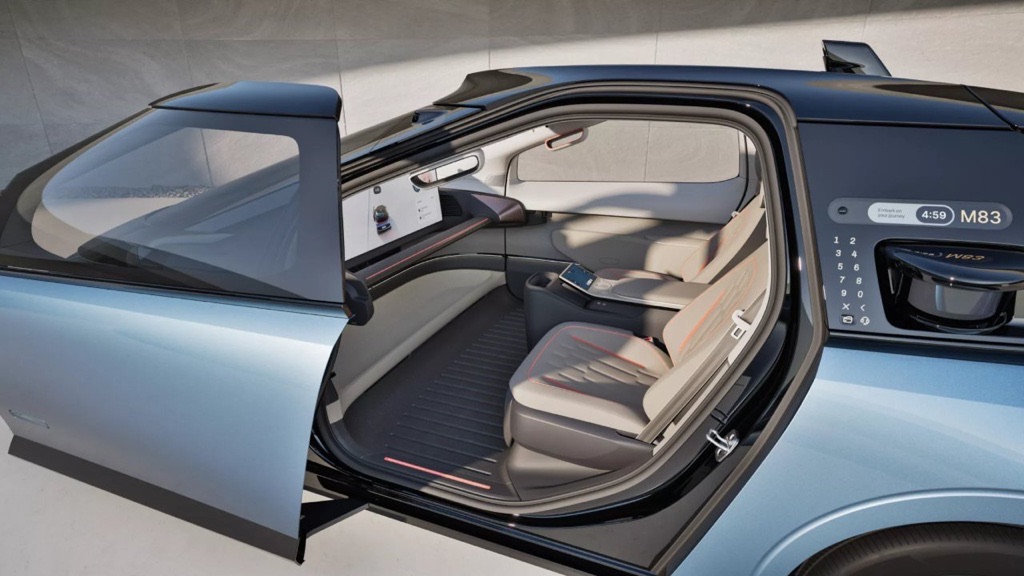
It features a 60 kWh LFP battery, 14 hours of continuous driving, a 43-inch infotainment screen, and fully reclining lounge seats.
-
Verne aims to be cheaper than Uber, more comfortable than a luxury car, and fully accessible to riders who don’t drive.
Key Facts
-
Type: Fully autonomous electric robotaxi
-
Company: Verne (co-founded by Mate Rimac)
-
Launch: Spring 2026, Zagreb
-
Battery: 60 kWh LFP
-
Range: ~150 miles (240 km)
-
Driving time per charge: Up to 14 hours continuous
-
Motor power: ~200 hp
-
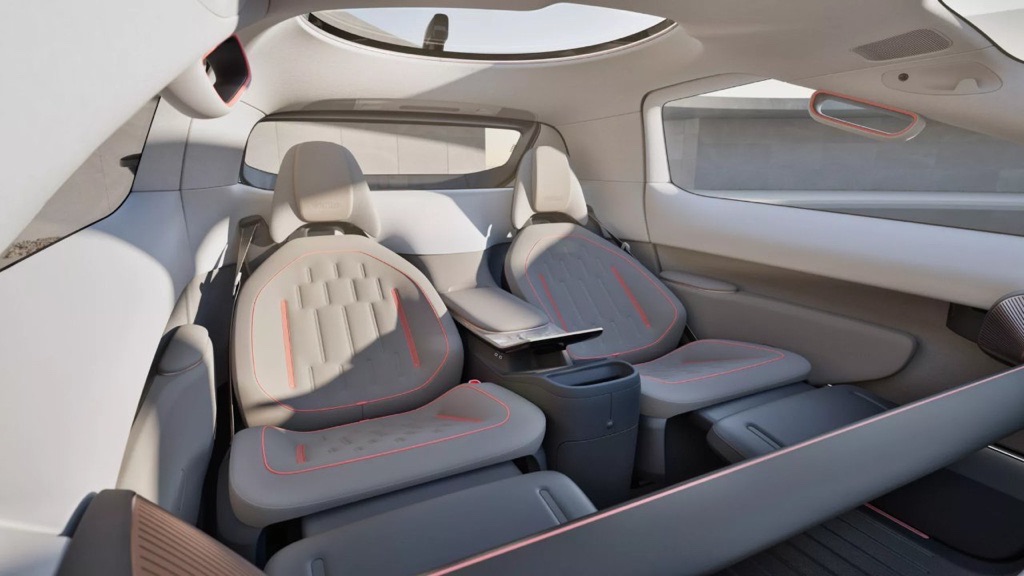
Seats: 2 (lounge configuration)
-
Autonomy: Mobileye + integrated lidar/radar/cameras
-
Target: Cheaper than existing ride-hailing apps
-
Infrastructure: Central service hub called the Mothership
Full Story — From Soul-Extraction Hypercars to a Nap Pod
Mate Rimac is famous for building electric hypercars that accelerate so violently they threaten to detach your consciousness from your skeleton. The Rimac Nevera is a $2 million physics experiment designed to rearrange your organs and then politely apologise.
So imagine the shock when Rimac’s next big idea isn’t a 250 mph missile — but a self-driving electric taxi designed for sleeping.
It’s called Verne, a fully autonomous robotaxi planned for Zagreb in 2026, and it represents the complete opposite of everything Rimac is known for. No pedals. No steering wheel. No 0–60 time that causes flashbacks. Just calm, efficiency, and lie-flat seats.
The name comes from Jules Verne, which makes perfect sense. If anyone is going to name a robotaxi after a sci-fi pioneer, it’s the guy who built the world’s fastest EV.
Technical Specifications
Power & Performance
This isn’t a Nevera replacement. Far from it.
-
Single electric motor
-
~200 horsepower
-
Optimised for smooth, quiet city driving
-
No official 0–60 mph time (“eventually” might be accurate)
The Verne is built for comfort and autonomy, not speed.
Battery & Range
-
60 kWh LFP battery
-
Approx. 150 miles (240 km) of real-world urban range
-
Up to 14 hours of nonstop operation per charge
LFP chemistry is durable, safe, and perfect for high-duty urban shuttles.
Design & Interior Features
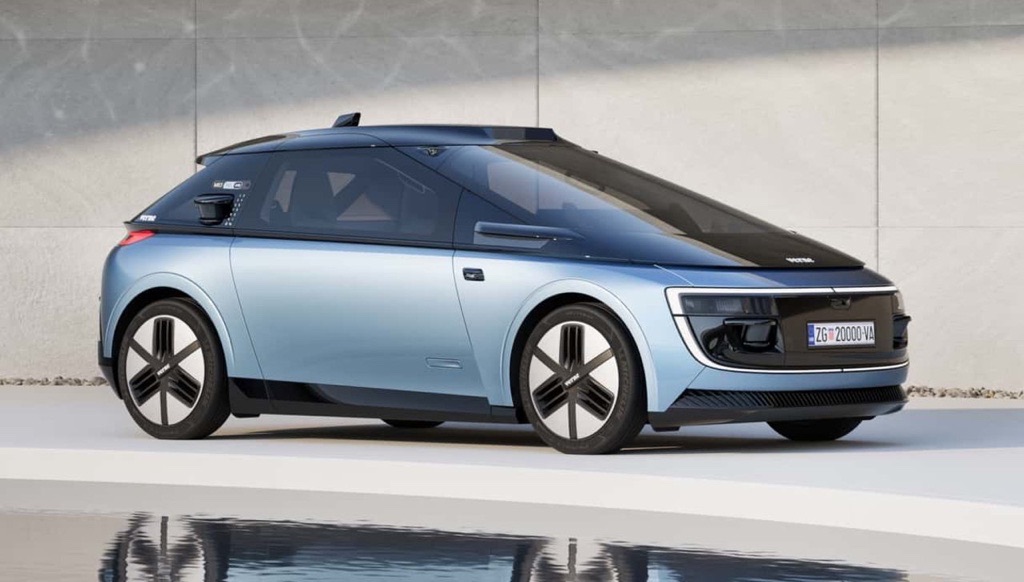
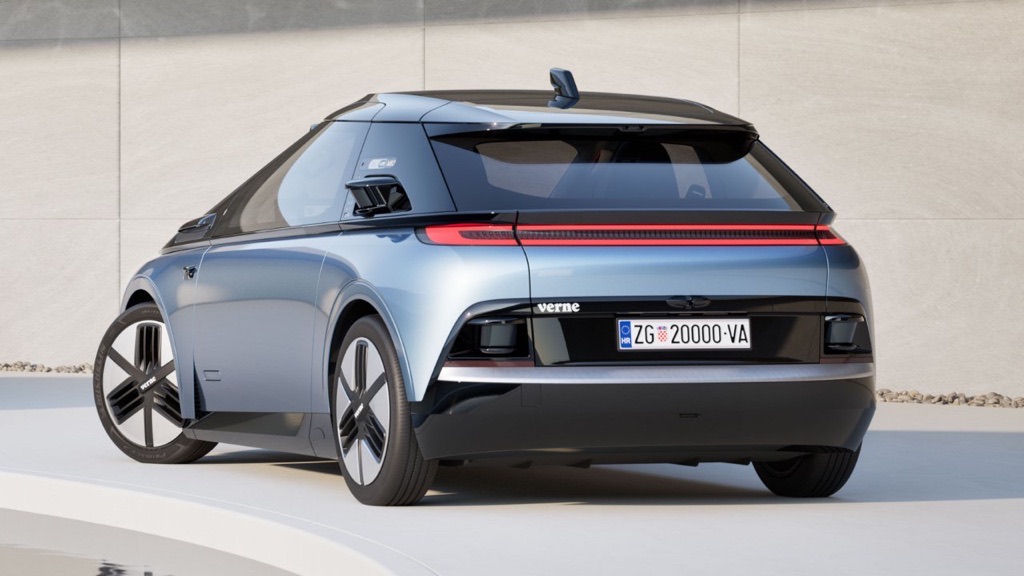
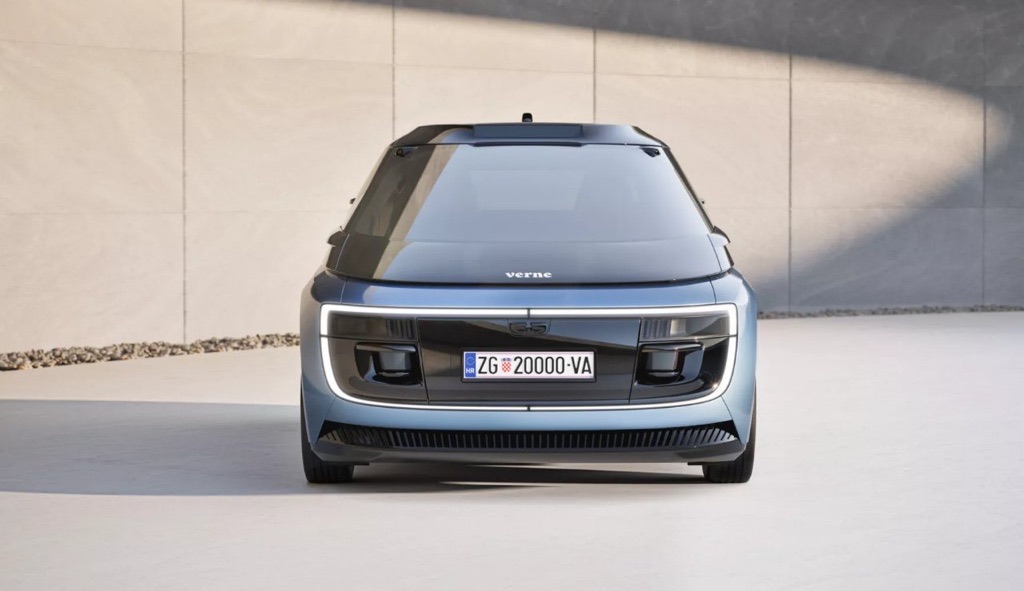
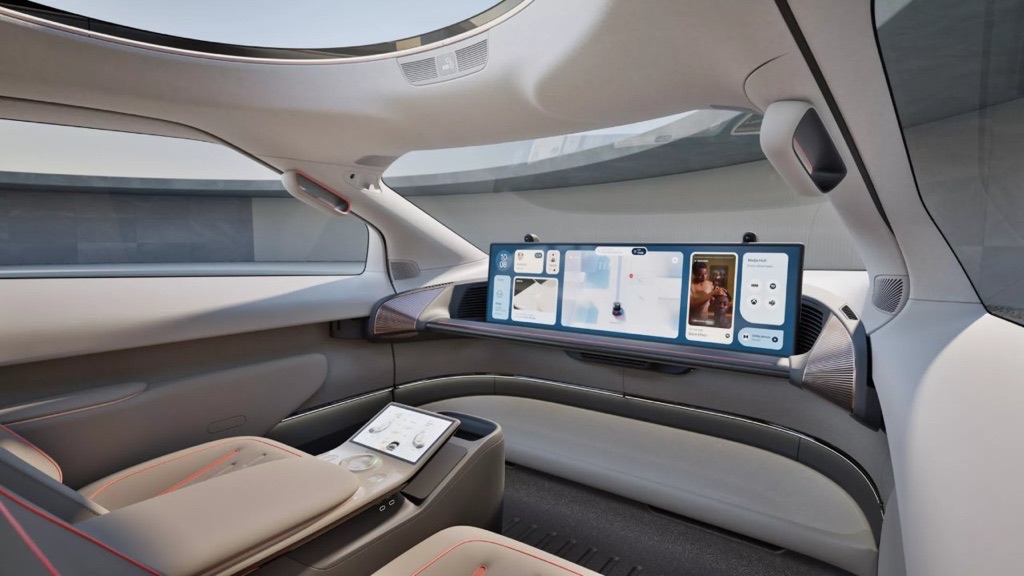
The Verne is golf-sized on the outside but shockingly luxurious inside:
-
Two massive reclining lounge seats (lie-flat)
-
Full-width 43-inch screen
-
17-speaker surround audio
-
Adjustable lighting, temperature, and scents
-
Doors slide sideways (no bicycle casualties)
You can even set your preferred settings — light, climate, fragrance — before the car arrives, via the app.
Autonomous Technology
Powered by Mobileye, the self-driving system uses:
-
LiDAR
-
Radar
-
Cameras
-
High-precision mapping
Unlike robotaxis in the U.S., Verne hides its sensors elegantly inside the bodywork. No ugly rooftop towers.
The system is designed to handle local European driving styles, which is a polite way of saying: it can survive chaotic city traffic where lanes are decorative and rules are optional.
Pricing & Availability
-
Launch city: Zagreb, Croatia
-
Start date: Spring 2026
-
Target price: “Much cheaper than ride-hailing apps” like Uber or Bolt
-
Service model: Robotaxis deployed and serviced from a central Mothership facility
-
Project budget: $578 million
Verne is built as a mobility solution for everyone: elderly riders, people who can’t drive, people who don’t want to drive, and those who simply want a quiet rolling cinema.
Comparison With Competitors
Verne vs Waymo
-
More luxurious interior
-
Fully purpose-built vehicle
-
Cheaper ride pricing expected
-
More elegant sensor integration
Verne vs Cruise
-
Not retrofitted — engineered from scratch
-
Aimed at European markets first
-
Lounge-style cabin vs compact seating
Verne vs Zoox
-
Smaller footprint for narrow cities
-
Higher rider comfort
-
Longer continuous driving time
Industry Impact & Expert View
The transition from hypercar chaos to gentle robotaxi comfort signals a major shift for Rimac as a company — from performance engineering to mass-scale electric mobility.
Verne’s mix of:
-
low operating cost
-
high comfort
-
fully autonomous operation
-
ultra-dense urban design
…positions it as one of the most practical robotaxi concepts on the planet.
If successful, Croatia could become the first European country with a large-scale autonomous taxi network.
Final Thoughts
Mate Rimac has gone from building a 1,900-horsepower organ-rearranging hypercar to creating a two-seat electric nap pod for the masses — and the surprising part is that it makes perfect sense.
Verne is smart, logical, wildly comfortable, and genuinely accessible.
If this is the future of urban mobility, put us on the waiting list.
And yes — someone needs to add a “Nevera Mode” button to the app… just in case you need to get to the Mothership very quickly.