Tesla Model 3 & Model Y Batteries From China Show “Catastrophic” Failure Rates — Report by EV Clinic
European EV repair experts warn about severe degradation in LG NCM811 packs used in Tesla Long Range & Performance models
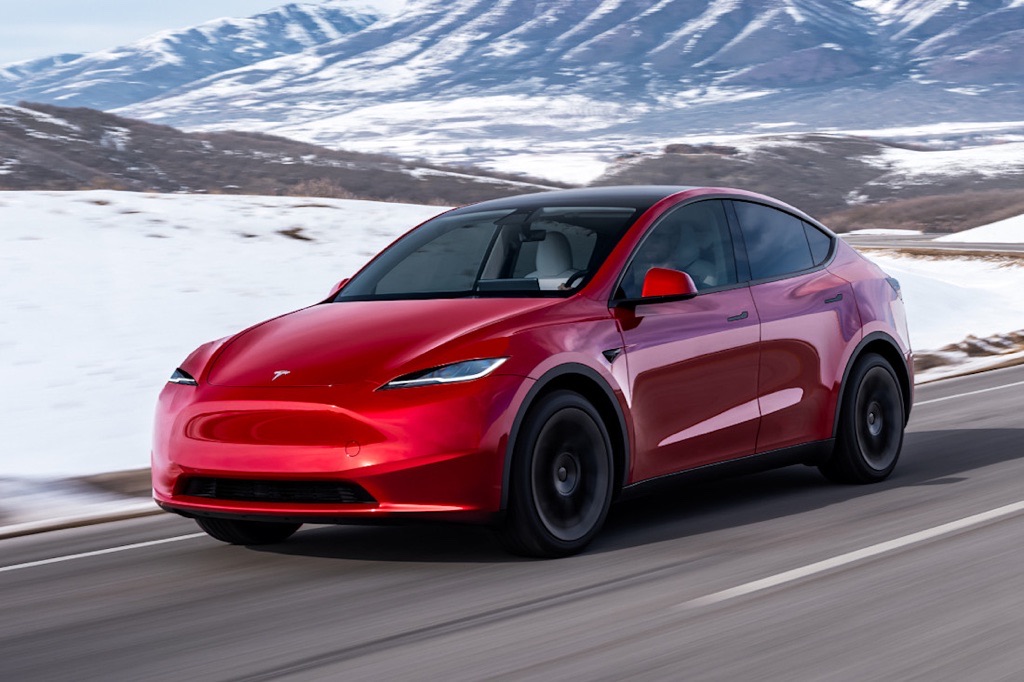
A troubling new report from EV Clinic, a respected independent EV repair center in Croatia, reveals that certain Tesla Model 3 and Model Y battery packs supplied by LG Energy Solution’s Nanjing, China factory are experiencing “catastrophic” failure rates and drastically shorter lifespans compared to Panasonic-made units.
For years, Tesla’s multi-supplier battery strategy has been a success story — particularly with ultra-reliable CATL LFP packs. But the latest findings show a serious flaw in some NMC (NCM811) batteries installed in European and Asian-market Long Range and Performance variants.
🔧 Key Facts & Findings
| Category | Details |
|---|---|
| Affected batteries | LG NCM811 (NMC) packs from Nanjing, China |
| Affected models | Tesla Model 3 LR/P, Model Y LR/P (Europe, Asia) |
| Typical LG failure mileage | ≈ 240,000 km |
| Typical Panasonic NCA lifespan | ≈ 400,000 km |
| LG pack repairability | >90% cases: “impossible” to repair |
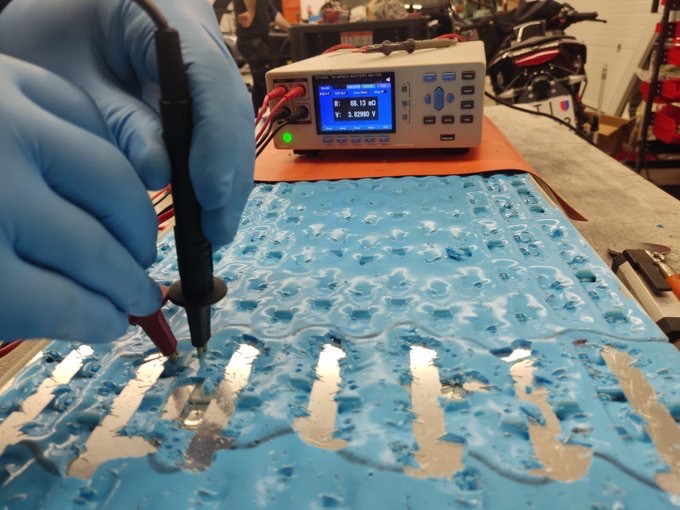
| Internal resistance issues | LG new cells: 28 mΩ — same as failed Panasonic cell |
| Module resistance | 15 cells ≥100 mΩ, rest ≥50 mΩ |
| Repair shops losing | €20,000+ per month trying to repair failed packs |
| EV Clinic recommendation | Swap to a used Panasonic pack or go to Tesla |
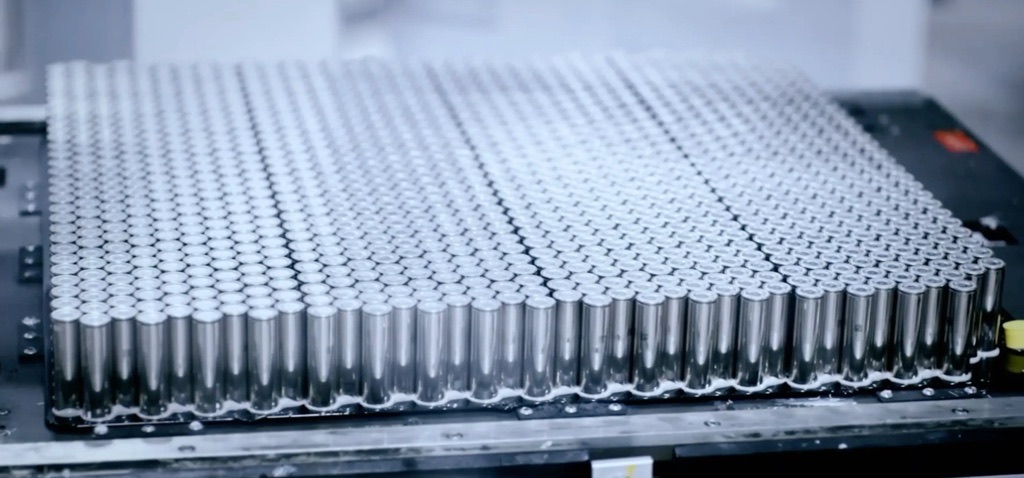
⚡ Why the LG Packs Fail: Internal Resistance “Off the Charts.”
EV Clinic’s data paints a clear picture:
Panasonic NCA (USA)
-
New cells: ~10 mΩ
-
Failing cells: ~28 mΩ
-
Packs last 400,000 km or more
-
Modules are repairable
LG NCM811 (China)
-
NEW cells start at ≈28 mΩ
-
Many used cells exceed 100 mΩ
-
Uniform, widespread degradation across modules
-
Replacing one module is pointless — others fail soon after
-
Packs are often considered beyond repair
Technicians describe the degradation as evenly severe, making targeted repairs “operationally unsustainable.”
🛠 Repair Shops Are Giving Up
EV Clinic reports losing over €20,000 per month due to:
-
Failed repair attempts
-
High labor time
-
Unsalvageable modules
-
Replacement cells degrade equally fast
They’ve introduced a “feasibility fee” to evaluate whether repairs are even possible.
❗ Advice for Owners: Swap the Entire Pack
EV Clinic’s official recommendation:
✔ If your LG pack fails:
Replace it with a used Panasonic NCA pack
or
Go directly to Tesla for a full battery replacement
Partial repairs rarely work and often lead to additional failures within weeks or months.
🌍 Why This Matters for Tesla
Tesla used LG’s NCM811 packs extensively for vehicles sold in:
-
Europe
-
Asia
-
Some right-hand-drive markets
While Tesla’s multi-supplier strategy helped reduce costs, the quality gap between:
-
Panasonic NCA (excellent)
-
LG NCM811 (problematic)
is becoming a major customer concern.
This report may trigger:
-
Warranty headaches
-
Increased replacement costs
-
A shift toward more Panasonic or CATL supply
-
Greater scrutiny of NMC811 chemistry from China-based suppliers
⭐ Conclusion
The Croatian EV Clinic’s findings highlight a major reliability problem in Tesla’s LG-supplied battery packs, with failure patterns described as “catastrophic, uniform, and unrepairable.”
While Panasonic NCA packs remain robust and repairable, the LG NCM811 units show accelerated degradation that leaves owners with few options besides full pack replacement.
Tesla may need to reassess its use of these battery packs — especially in markets where LG-supplied versions dominate.