
Tesla Cybercab Spotted Driving on Public Streets for the First Time
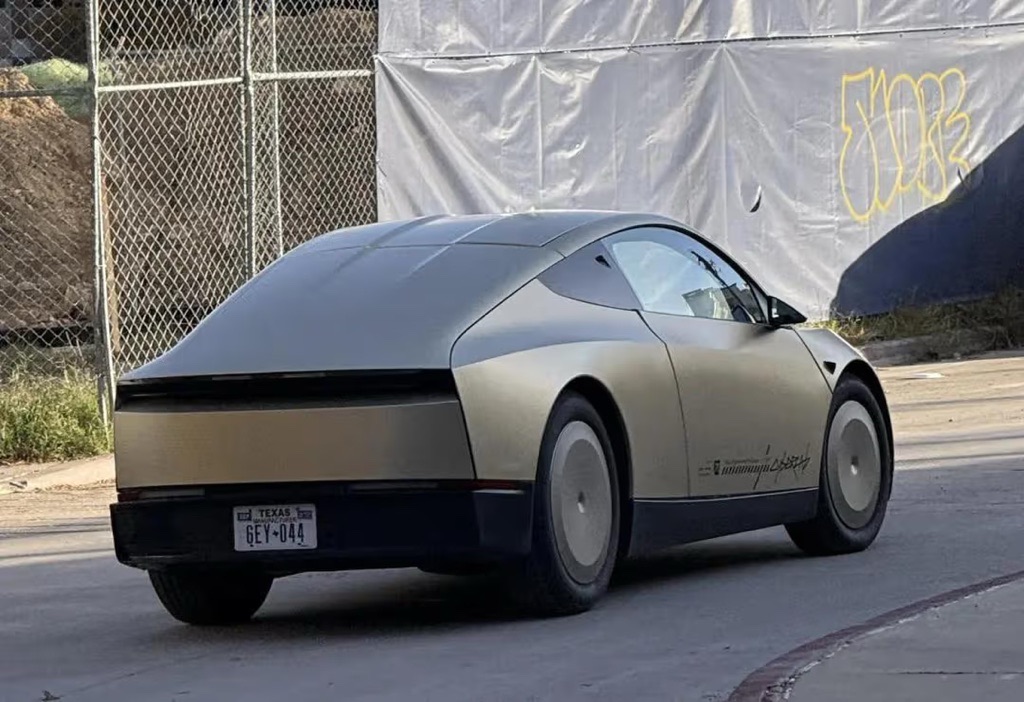
Tesla’s long-running robotaxi vision has taken a major real-world step. The Tesla Cybercab, the company’s purpose-built, steering-wheel-free robotaxi, has been spotted driving on public streets in Austin, Texas, marking its first known appearance in live traffic rather than controlled demonstrations.
Key Points
-
Tesla Cybercab seen testing on public roads in Austin, Texas
-
No steering wheel or pedals, purpose-built for autonomy
-
Signals a shift from closed demos to real-world traffic testing
-
Simplified design targets lower cost and faster mass production
-
Production planned from April 2026 at Tesla’s Austin factory
From Concept to Public Roads
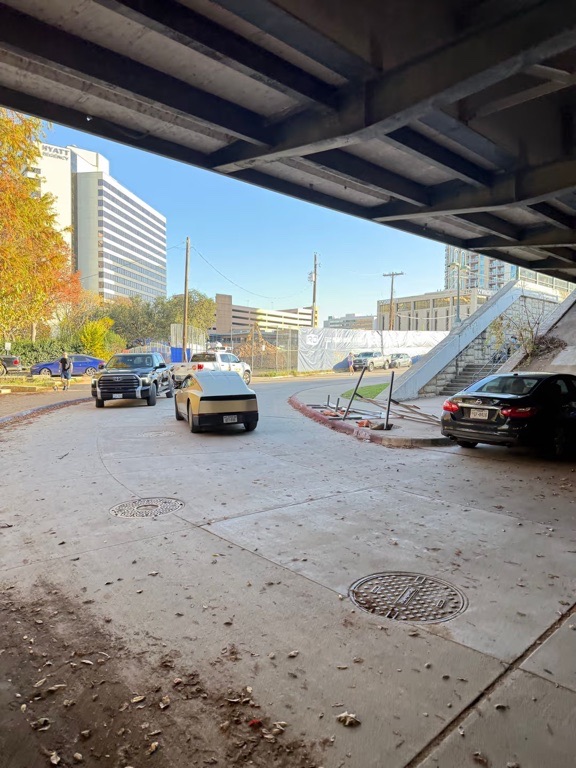
Images shared on social media show a gold-coloured Tesla Cybercab exiting an underground car park in Austin, wearing Texas manufacturer plates, strongly suggesting it is an official Tesla test vehicle rather than a static prototype.
What makes this sighting important is not where it happened, but that it happened at all. Until now, the Cybercab had only been shown:
-
At Tesla events
-
In staged demonstrations
-
On closed or Tesla-controlled facilities
This time, the Cybercab was operating among everyday urban traffic, a critical milestone for any autonomous vehicle program.
It remains unclear whether the Cybercab was running in full autonomous mode or carrying a safety operator for monitoring and data collection. Tesla has not commented on the specifics of the test.
Cybercab: Designed Only for Autonomy
The Cybercab was first revealed at Tesla’s We, Robot event in 2024 as something fundamentally different from modified passenger cars used by many competitors.
Instead of adapting an existing model, Tesla designed the Cybercab from the ground up for autonomous ride-hailing:
-
No steering wheel
-
No pedals
-
No driver-focused controls
-
Fully software-defined operation
Since its debut, multiple sightings have revealed subtle design refinements focused on manufacturing efficiency and cost reduction.
Recent Design Changes
-
Frameless windows similar to Model 3 and Model Y
-
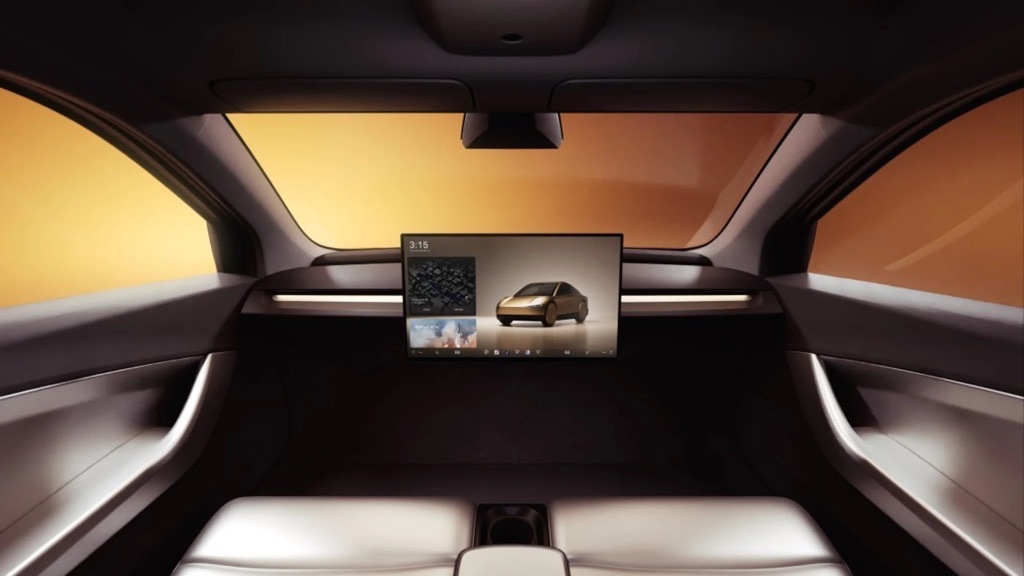
Simplified interior with Tesla’s minimalist layout
-
Refined ambient lighting and dashboard elements
-
Fewer structural and mechanical components
Tesla engineers have previously stated that the Cybercab uses roughly half the parts of a Model 3, a major advantage when scaling production.
Cost and Scale Are the Real Strategy
Tesla’s goal with Cybercab is not luxury, but mass deployment. By simplifying the design and eliminating driver hardware, Tesla aims to:
-
Reduce production complexity
-
Lower per-vehicle cost
-
Accelerate manufacturing speed
The target price has been floated around A$45,000 (≈ US$30,000), dramatically undercutting many rival autonomous vehicles that rely on expensive sensor arrays and heavily modified platforms.
This cost focus could give Tesla a significant edge as it attempts to roll out large-scale autonomous ride services faster than competitors.
Production Timeline and Robotaxi Fleet
Tesla has already confirmed that:
-
Cybercab production will begin in April 2026
-
Manufacturing will take place at Giga Texas
-
Initial production volumes will be limited but scalable
Austin already serves as the base for Tesla’s existing robotaxi operations, which currently use Model Y vehicles. The Cybercab is expected to join and eventually replace parts of that fleet, offering:
-
Better efficiency
-
Lower cost per mile
-
A platform optimised purely for autonomy
Why This Matters Beyond the US
For markets like Australia and Europe, the Cybercab sighting is not about near-term availability. Instead, it signals something more important:
Tesla is now testing a fully autonomous, steering-wheel-free vehicle in real public traffic.
That moves robotaxis from theory and presentations closer to commercial reality. Regulatory hurdles remain enormous, but the Cybercab’s appearance on public roads shows Tesla is confident enough in its technology to leave the test track behind.
The age of driverless urban transport may still be controversial — but it is no longer hypothetical.