
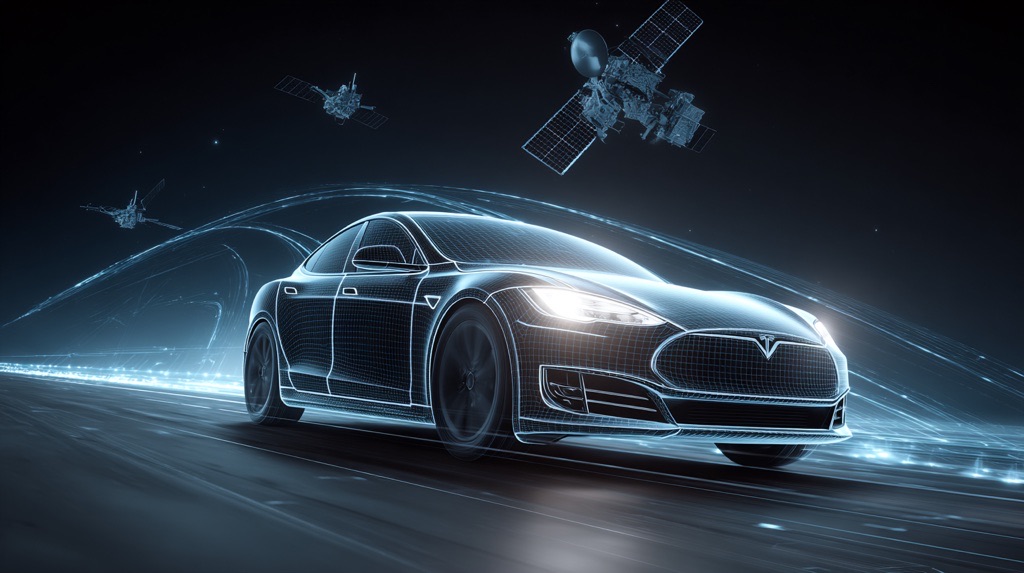
Tesla Prepares Vehicles With Built-In Starlink Satellite Internet
Tesla is working on a new way to equip its electric vehicles with integrated satellite internet, potentially allowing future models to stay connected even in areas with no cellular coverage.
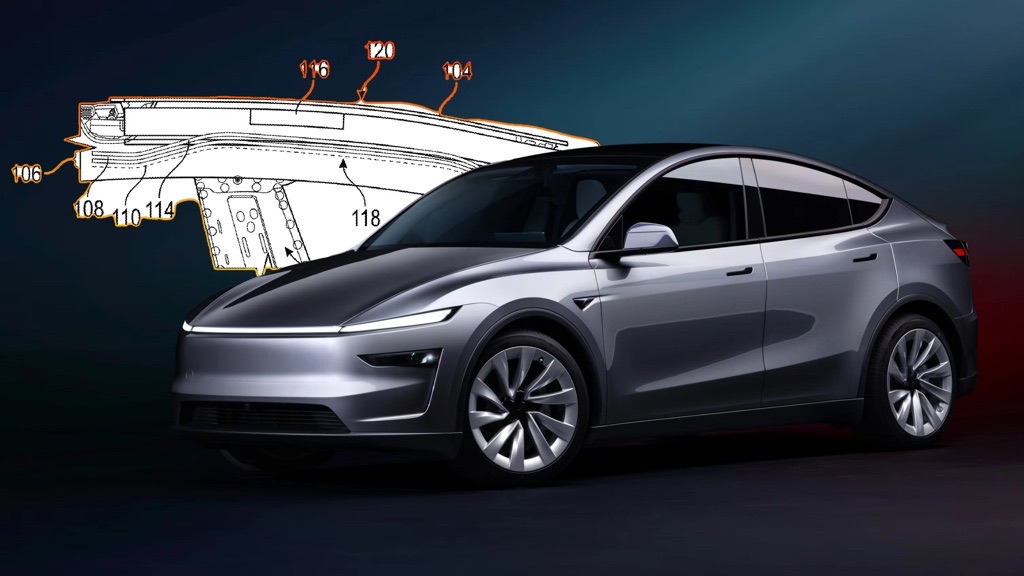
A newly published Tesla patent application reveals technology that would enable Starlink satellite receivers to be built directly into the vehicle body, eliminating the need for external antennas or add-on terminals.
Antennas Hidden in the Roof Using New Materials
One of the biggest challenges with satellite connectivity in cars is signal blockage. Conventional vehicle roofs made of metal or tinted glass significantly interfere with satellite signals.
Tesla’s solution involves the use of special radio-transparent polymer materials. These materials would allow satellite antennas to be hidden inside the roof lining, maintaining exterior design while ensuring reliable signal reception.
At present, Tesla owners who want satellite connectivity in remote areas must manually install Starlink Mini terminals on the roof or rear of the vehicle. Tesla’s new approach would make satellite internet a factory-integrated feature.
Seamless Switching Between 5G and Satellites
Although the patent does not explicitly mention the Starlink brand name, the described system clearly aligns with SpaceX’s satellite network.
According to the documentation, the technology would support:
-
Automatic switching between 5G cellular networks and satellite communication
-
Continuous data connectivity in areas without mobile coverage
-
Improved reliability for navigation, infotainment, and vehicle systems
This seamless handover would be especially important in remote regions, deserts, mountains, and rural highways where cellular towers are absent.
Implications for Autopilot and Connectivity
Reliable, always-on connectivity is critical for Tesla’s advanced driver-assistance systems.
Integrated satellite internet could:
-
Support Autopilot and Full Self-Driving (Supervised) features in coverage dead zones
-
Improve real-time navigation and traffic data
-
Enable emergency communication where cellular networks fail
Such functionality would be particularly valuable for long-distance travel, off-road use, and emergency scenarios.
A Step Toward Truly Connected Vehicles
If implemented, Tesla’s satellite connectivity system would mark a major step toward globally connected electric vehicles, reducing dependence on traditional mobile infrastructure.
While Tesla has not announced a timeline or confirmed which models might receive the technology, the patent strongly suggests active development rather than a purely theoretical concept.
As Tesla continues to integrate hardware, software, and connectivity ecosystems, built-in satellite internet could become a defining feature of its next-generation vehicles.