Huawei and GAC Officially Unveil Qijing — A New Electric Shooting Brake Brand
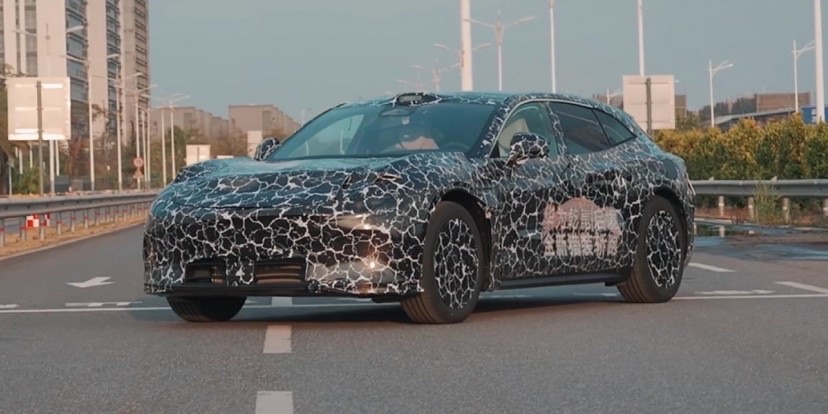
Huawei and GAC Group have officially revealed their first joint electric vehicle under a brand-new name: Qijing. The debut model enters the market as a sporty electric shooting brake, marking a strategic shift away from the typical EV sedan and SUV formats.
This collaboration combines Huawei’s advanced vehicle intelligence with GAC’s large-scale automotive manufacturing expertise, positioning Qijing as a serious new contender in China’s fast-evolving EV market.
Sporty Shooting Brake Design Targets Premium Buyers
Instead of following the mainstream SUV trend, Qijing opted for a performance-oriented wagon silhouette. Key exterior highlights include:
-
A sloped hood and aggressive front bumper with a large air intake
-
20-inch ten-spoke alloy wheels
-
Flush door handles for improved aerodynamics
This design aligns with a growing Chinese market trend, where buyers increasingly favor sleek shooting brakes over bulky SUVs. The new Qijing directly targets rivals such as the Zeekr 001 and the Nio ET5 Touring.
Huawei Qiankun System and LiDAR-Based Autonomy
Technology is at the core of the Qijing project. The vehicle is powered by Huawei’s Qiankun intelligent vehicle system, integrating:
-
A roof-mounted LiDAR sensor for high-precision environmental perception
-
Advanced driver-assistance functions are described as “Level 3 ready.”
This means the car is capable of handling many driving tasks autonomously under specific conditions, while still requiring a human driver to remain alert and ready to intervene.
800V Architecture Enables Ultra-Fast Charging
Although final battery capacities have not yet been disclosed, Qijing confirmed the use of an 800-volt high-voltage electrical architecture. This allows:
-
Significantly faster DC charging speeds
-
Reduced charging time during long-distance travel
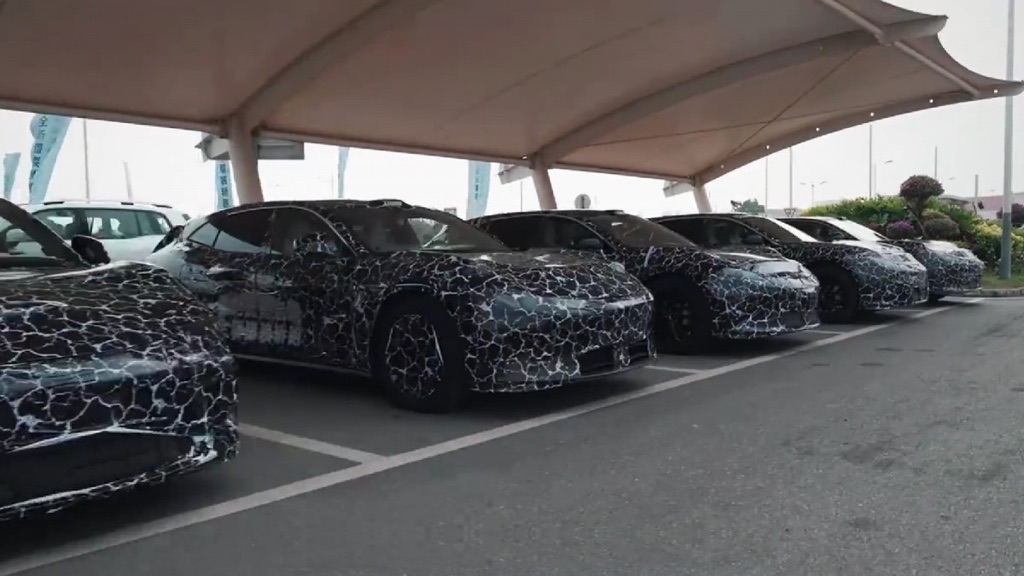
During recent road tests, executives from both Huawei and Qijing publicly praised the vehicle’s handling, chassis balance, and driving dynamics, suggesting the car is designed to deliver genuine driving engagement — not just advanced software.
Luxury-Level Experience at a Mid-Market Price
Perhaps the most disruptive element of the Qijing project is its pricing strategy. Company leadership claims the vehicle delivers:
-
Design, performance, and intelligence comparable to RMB 1 million (€120,000) vehicles
-
Similar positioning to ultra-luxury EVs like the Yangwang U8
Despite this, the expected domestic price is around RMB 300,000 (€36,400) — a bold move aimed at attracting buyers away from established premium brands.
Brand Leadership and Market Launch Timeline
Qijing appointed Liu Jiaming as CEO in September 2024. Since then, development has progressed rapidly, with test vehicles already undergoing public road evaluations.
-
Official market debut: within the next few weeks
-
Customer deliveries: starting June 2026
Why Qijing Matters
The launch of Qijing highlights a broader shift in China’s EV industry:
-
Technology companies are moving deeper into vehicle design and autonomy
-
Traditional automakers are partnering to stay competitive
-
Premium features are rapidly trickling down to mid-price segments
If Qijing delivers on its promises, it could significantly reshape expectations around price-to-technology value in the electric vehicle market.