BYD Reveals Patents for Next-Generation High-Efficiency Electric Vehicle Motors
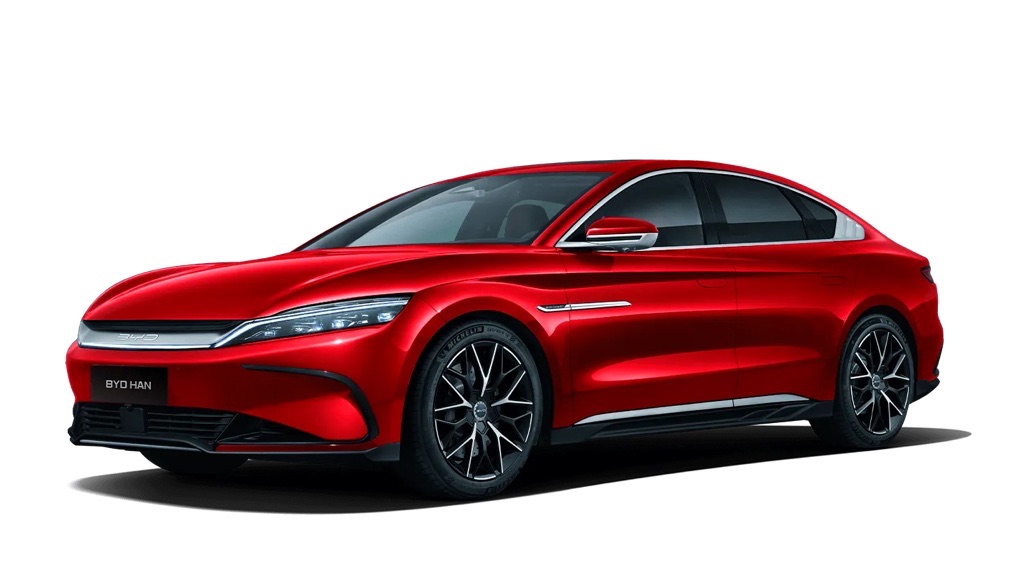
Chinese automotive giant BYD, one of the world’s leading electric vehicle manufacturers, has disclosed four new patents detailing high-efficiency electric motor technology for next-generation EVs.
The patents were published through the China National Intellectual Property Administration (CNIPA) and provide in-depth technical insight into variable magnetic flux electric motors—an advanced evolution of permanent magnet synchronous motor (PMSM) technology.
Variable Magnetic Flux: A Major Step Beyond Conventional EV Motors
At the core of BYD’s patented technology is the ability to dynamically regulate the magnetic flux of the rotor. Unlike conventional permanent magnet motors with a fixed magnetic field, BYD’s approach allows the motor to adjust magnetic intensity in real time actively.
This enables:
-
High torque at low speeds
-
Reduced energy losses at high speeds
-
Improved efficiency across a wide operating range
By actively controlling the magnetic field, the motor can adapt to different driving conditions far more effectively than traditional designs.


How the Technology Works
According to the patent documentation, the variable flux system operates by increasing magnetic strength at low rotational speeds to deliver strong torque, then reducing magnetic intensity at higher speeds.
This reduction limits back electromotive force (back-EMF), a major source of efficiency loss in high-speed electric motors, allowing the motor to maintain a high efficiency level without excessive energy consumption.
Multiple Engineering Approaches Described
The published patents outline several practical engineering solutions for implementing variable magnetic flux control in electric drivetrains, including:
-
Integration of flux-regulation mechanisms directly into the motor and drive system
-
Use of movable magnetic elements that shift relative to the rotor
-
Axial adjustment of magnetic flux along the rotor shaft
-
Alteration of the effective magnetic circuit area within the motor
These solutions indicate BYD is exploring multiple pathways toward large-scale production, rather than a single experimental concept.
Benefits for Electric and Hybrid Vehicles
The adoption of variable magnetic flux motors could deliver significant advantages for new energy vehicles (NEVs), including:
-
Extended driving range through reduced energy losses
-
More predictable energy consumption during long-distance travel
-
Lower heat generation, improving durability and reliability
-
More efficient battery utilization
The technology applies not only to fully electric vehicles, but also to hybrid powertrains, where efficiency across varying load conditions is especially critical.



Strategic Importance for BYD
BYD has already established itself as a leader in battery technology, power electronics, and integrated EV platforms. These new motor patents suggest the company is aiming to vertically optimize the entire electric drivetrain, further differentiating its vehicles on efficiency and real-world performance rather than headline specifications alone.
As global EV competition intensifies, motor efficiency improvements are becoming just as important as battery capacity increases—and BYD’s variable magnetic flux technology could play a key role in that next phase.
A Glimpse Into BYD’s EV Future
While BYD has not yet announced when or where these motors will enter production, the level of detail in the patents strongly suggests advanced development rather than theoretical research.
If implemented at scale, this technology could help BYD deliver longer range, lower energy consumption, and improved drivetrain longevity, reinforcing its position at the forefront of next-generation electric vehicle engineering.