Vertical Aerospace Valo eVTOL Revealed: Britain’s Quiet Electric Air Taxi Targets 2028 Certification
Another electric air taxi has entered the rapidly growing eVTOL race — but this one may actually be worth paying attention to.
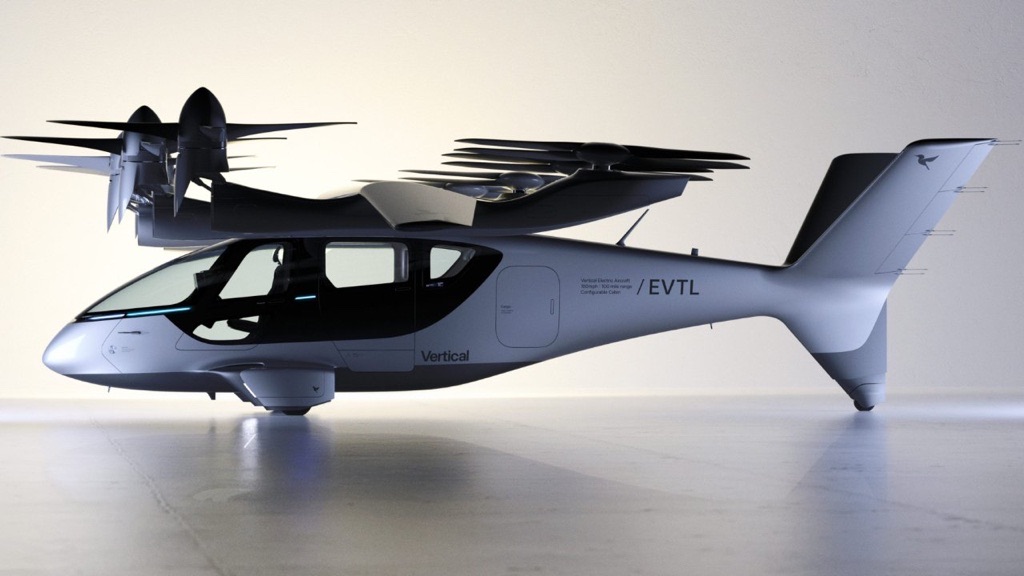
British aerospace company Vertical Aerospace has unveiled the Valo, a production-conforming evolution of its VX4 demonstrator aircraft. Unlike earlier concept-heavy announcements in the sector, Valo is positioned as a certifiable, commercially viable electric vertical takeoff and landing (eVTOL) aircraft, aimed at real-world urban transport.
The company is targeting full certification by 2028 with European and UK aviation authorities.
From Prototype to Production Aircraft
The Valo is derived from Vertical Aerospace’s VX4 flight-test aircraft, but it is far more than a renamed prototype. Engineers have reworked the airframe, propulsion system, and aerodynamics to meet airliner-level safety standards, rather than experimental aviation benchmarks.
According to Vertical Aerospace, the Valo is designed to meet a catastrophic failure rate of one event per one billion flight hours, matching commercial airline certification requirements.
Passenger Capacity and Payload
The Valo is designed to carry:
-
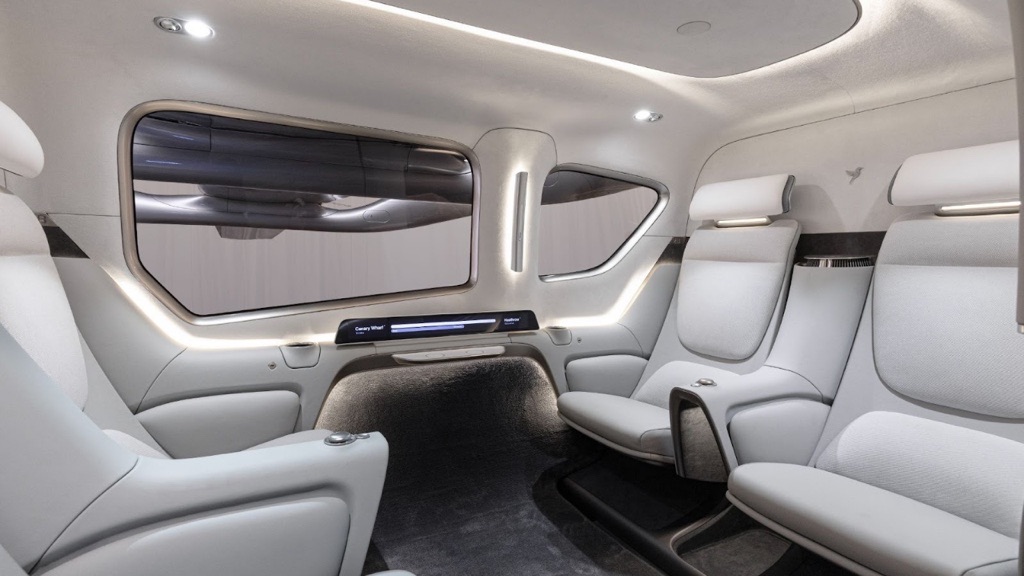
Up to 6 passengers (initial premium configuration: 4 passengers)
-
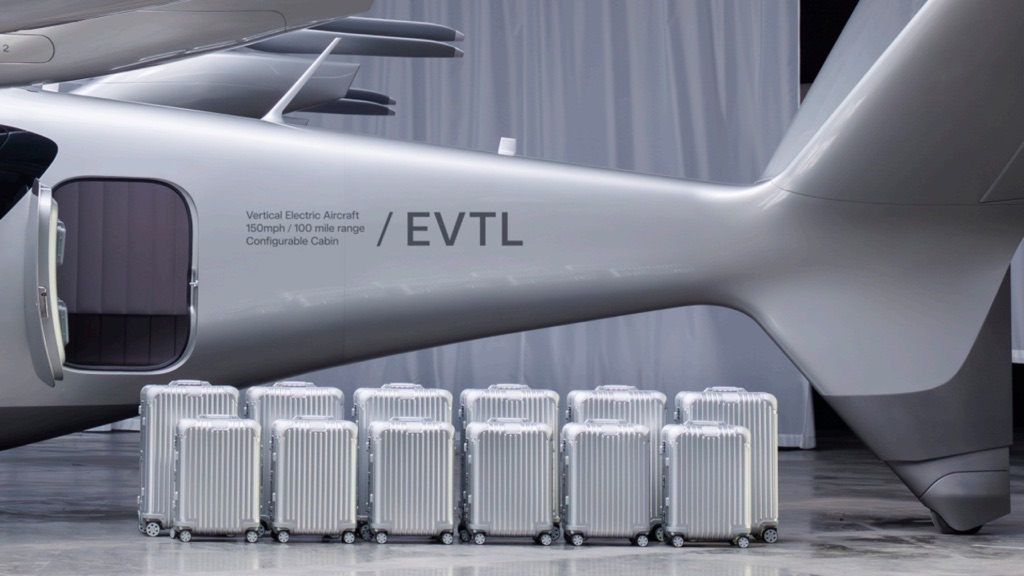
Standard luggage allowance per passenger (carry-on + checked bag)
-
Maximum payload: approximately 1,200 lb (545 kg)
This positions the Valo as a genuine airport shuttle and city-to-city connector, rather than a novelty flight experience.
Electric Propulsion and Performance
The aircraft uses a fully electric propulsion system consisting of:
-
Eight liquid-cooled battery packs
-
Battery cells supplied by Molicel
-
Eight tilting carbon-fiber composite propellers
-
Vertical takeoff and landing capability with fixed-wing cruise
Performance targets:
-
Cruise speed: ~150 mph (240 km/h)
-
Electric range: ~100 miles (160 km)
-
Cruising altitude: ~2,000 ft
-
Maximum altitude: ~9,500 ft
Vertical Aerospace has also indicated that a hybrid-electric variant may be considered in the future to extend range.
Ultra-Low Noise: A Key Advantage
One of the biggest barriers to urban air mobility is noise — and this is where the Valo may stand out.
Vertical Aerospace claims the Valo produces less than 50 decibels during cruise, comparable to:
-
Moderate rainfall
-
A quiet office environment
This is dramatically quieter than traditional helicopters and could allow urban and airport air taxi operations without triggering widespread community opposition.
According to CEO Stephen Fitzpatrick, this low noise profile is critical to gaining regulatory and public acceptance.
Real-World Use Case: Airport Transfers
Vertical Aerospace estimates that the Valo could cut common urban airport journeys dramatically.
Example:
-
Canary Wharf → Heathrow Airport
-
Flight time: ~12 minutes
-
By car: 60–90 minutes in peak traffic
This is the core use case Vertical is targeting — high-frequency, fixed-route urban connections.
Orders, Investment, and Industry Backing
The Valo already has a strong commercial interest:
-
~1,500 pre-orders
-
Customers include American Airlines and Japan Airlines
To reach certification by 2028, Vertical Aerospace estimates it will require approximately $700 million in total funding. A significant portion has already been secured.
The company estimates the program could generate:
-
$4 billion annually for the UK economy
-
Over 2,000 skilled aerospace jobs
Cost: Premium at First, Mainstream Later?
As with all eVTOL programs, pricing remains the biggest unanswered question.
Vertical Aerospace acknowledges that:
-
Early operations will be premium-priced
-
The long-term goal is pricing comparable to a ground taxi
While exact fare projections remain optimistic, the company believes scale, automation, and electric operating costs will eventually make urban air travel accessible beyond elite users.
Competitive Landscape
The Valo enters a competitive global eVTOL field alongside:
-
Joby Aviation
-
Archer Aviation
-
Lilium
However, Vertical’s focus on certification realism, low noise, and airline-grade safety may give it an advantage over more speculative rivals.
A Serious Step Toward Urban Air Mobility
If Vertical Aerospace meets its 2028 certification target, the Valo could become one of the first truly viable electric air taxis in regular commercial service.
Quiet, fast, electric, and designed for real routes rather than demonstrations, the Valo represents a meaningful step toward transforming short-haul urban transport — not just another flying concept.