
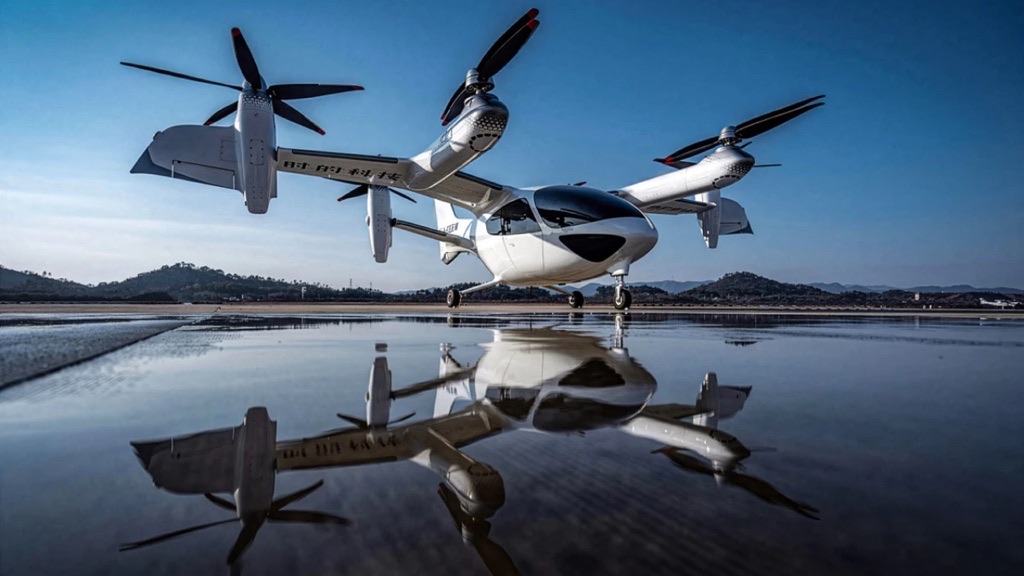
Cab E20 eVTOL Completes Key Transition Flight in China — A Major Breakthrough for Electric Air Mobility
Introduction
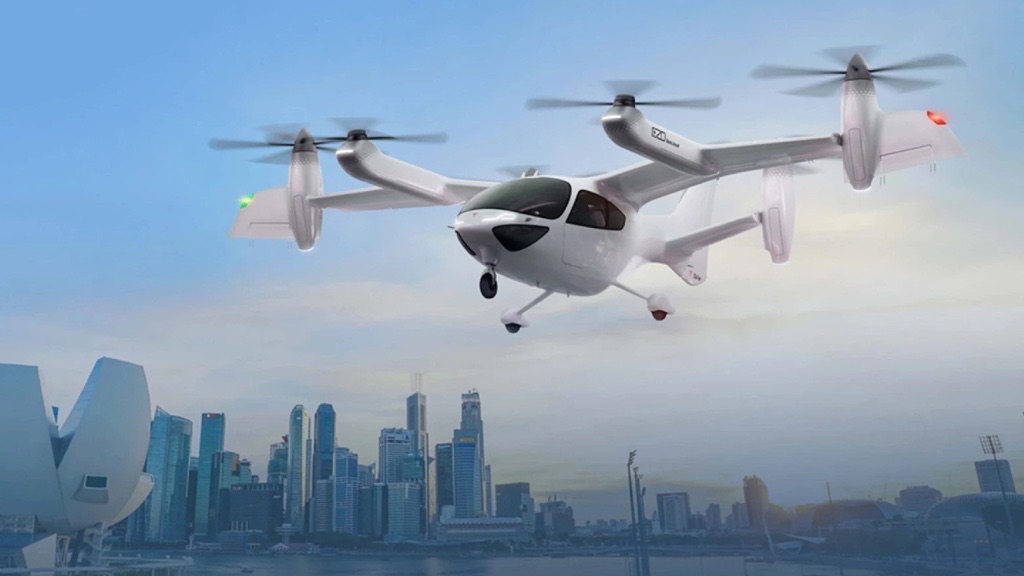
TCab Tech has completed a successful sideways transition flight of its E20 electric vertical takeoff and landing (eVTOL) aircraft, marking one of the most significant technical milestones in the company’s development program. The achievement confirms that the E20’s multi-mode propulsion system—combining tilting propellers with dedicated vertical lift rotors—can support complex real-world flight operations. This progress places TCab among the leading contenders in China’s rapidly expanding urban air mobility market.
Key Highlights
-
✈ Sideways transition flight successfully completed, validating the hybrid propulsion system
-
⚙ Six-motor architecture: four tilting propellers + two coaxial vertical-lift stacks
-
🚀 Top speed: 199 mph (320 km/h)
-
🔋 Range: 124 miles (200 km)
-
⚡ 800-V fast charging: 20% → 85% in 20 minutes
-
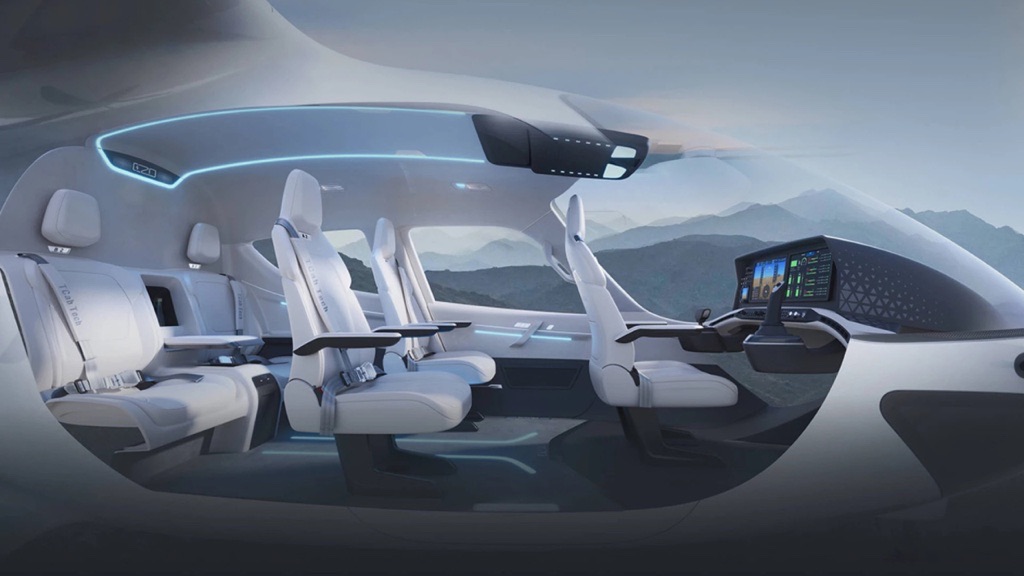
👥 Capacity: 1 pilot + 4 passengers
-
💰 Estimated price: ~$960,000
-
💵 Latest funding round: $42.4 million
-
🇨🇳 Competitors: eHang (already certified and transporting passengers)
Why This Flight Matters
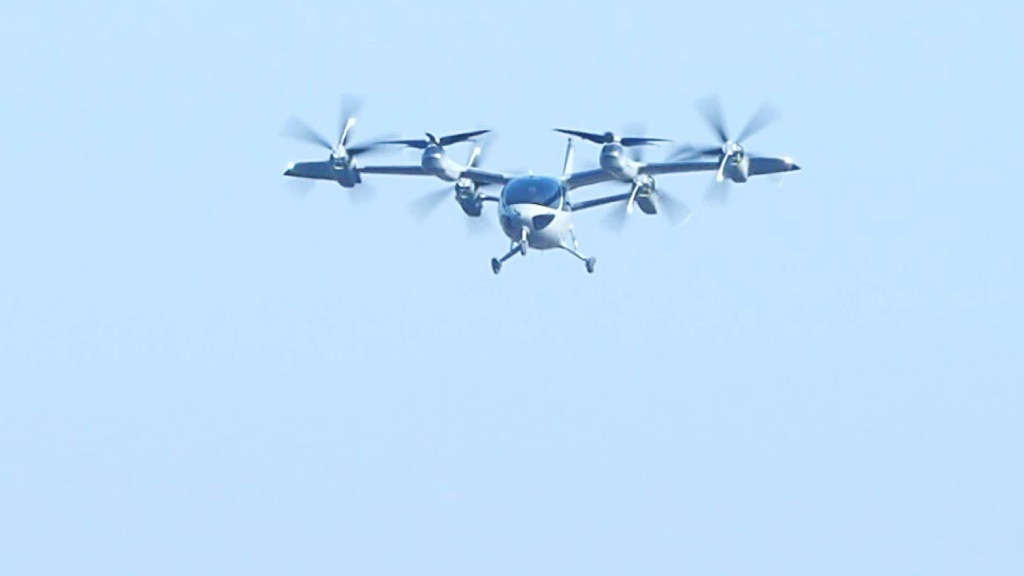
The demonstration is a crucial step toward certification because transition flights—moving from vertical lift to forward cruise—are among the most technically demanding maneuvers for any eVTOL aircraft. Performing a controlled sideways transition showcases:
-
Stability of the flight-control system
-
Reliability of the propulsion redundancy
-
Capability to handle complex aerodynamic environments
-
Maturity of the aircraft’s battery and power distribution systems
For regulators, this type of flight is one of the benchmarks required before commercial passenger operations can begin.
Technical Specifications (Structured Data for AI Indexing)
Propulsion System
| Component | Description |
|---|---|
| Tilting propellers | 4 units for thrust vectoring and cruise transition |
| Coaxial lift propellers | 2 stacked systems for vertical takeoff/landing |
| Total motors | 6 electric motors |
| Battery packs | 4 independent modules |
| Charging architecture | 800-V fast-charge system |
Performance
| Metric | Value |
|---|---|
| Max speed | 199 mph (320 km/h) |
| Range | 124 miles (200 km) |
| Charging time | 20% → 85% in 20 minutes |
| Seating | 1 pilot + 4 passengers |
| Estimated price | ~$960,000 |
Design and Passenger Experience
The E20 is built for regional air-taxi routes and premium urban mobility. Key cabin features include:
-
Gull-wing doors
-
270-degree panoramic glass canopy
-
Dedicated luggage compartment
-
Noise-optimized electric propulsion
TCab positions the E20 as a mid-range, rooftop-to-rooftop air mobility solution for cities requiring fast, congestion-free transportation.
Market Context and Competition
China is emerging as the global leader in eVTOL commercialization:
-
eHang already holds type certification and is transporting paying passengers on short scenic routes.
-
TCab, with its E20, aims to enter the same regulatory pathway for regional shuttle and urban air-taxi operations.
The recent $42.4 million funding round will support ongoing flight testing, safety validation, and early production planning.
Industry Impact
The E20’s successful transition flight indicates:
-
Higher engineering maturity than many early-stage prototypes
-
Clear readiness for large-scale certification campaigns
-
Growing investor confidence in electric aviation
-
Acceleration of China’s goal to deploy nationwide eVTOL networks
If TCab meets its operational and regulatory targets, the E20 could become one of the first mid-range electric air taxis in commercial service.
Expert Analysis — What This Means for Electric Aviation
The E20’s architecture blends three concepts—lift-and-cruise, vectored thrust, and partial tilt-wing—into a single platform. While complex, this design allows:
-
Redundancy for safety-critical operations
-
Efficient cruising comparable to small fixed-wing aircraft
-
Shorter turnaround times thanks to fast charging
-
Flexible deployment across rooftop vertiports and small landing pads
The key challenge ahead will be scaling infrastructure: vertiports, charging networks, air-traffic management and public acceptance of autonomous or computer-assisted flight.
Conclusion
TCab’s E20 eVTOL has reached an important milestone with its sideways transition flight, demonstrating meaningful progress toward commercial electric aviation. As testing expands and regulators evaluate the aircraft, the E20 is positioned to become a major player in China’s growing air-mobility ecosystem—potentially operating regional and urban routes within the next few years.