EHang 216 Passenger Drone Begins Test Flights in Norway and Spain
By bike_ev_admin December 22, 2025
3 min read
Chinese autonomous aviation company EHang has taken another major step toward European deployment of passenger drones. The company has received an operating license from the Norwegian Civil Aviation Authority to conduct test flights with its EHang 216 electric two-seat passenger drone and has also signed a cooperation agreement with the city of Seville, Spain, focused on urban air mobility.
First Operational Permit for EHang 216 in Europe
According to EHang, the Norwegian authorization represents the first operational flight permit in Europe specifically issued for test operations of the EHang 216.
The test program will be based at Elvenes Airport, located in northeastern Norway near the Russian border. Flights will be carried out together with a local customer as part of testing and certification activities.
Norwegian aviation authorities noted that the region’s sparsely populated environment makes it particularly suitable for experimental autonomous aircraft operations, reducing risk while enabling extensive real-world data collection.
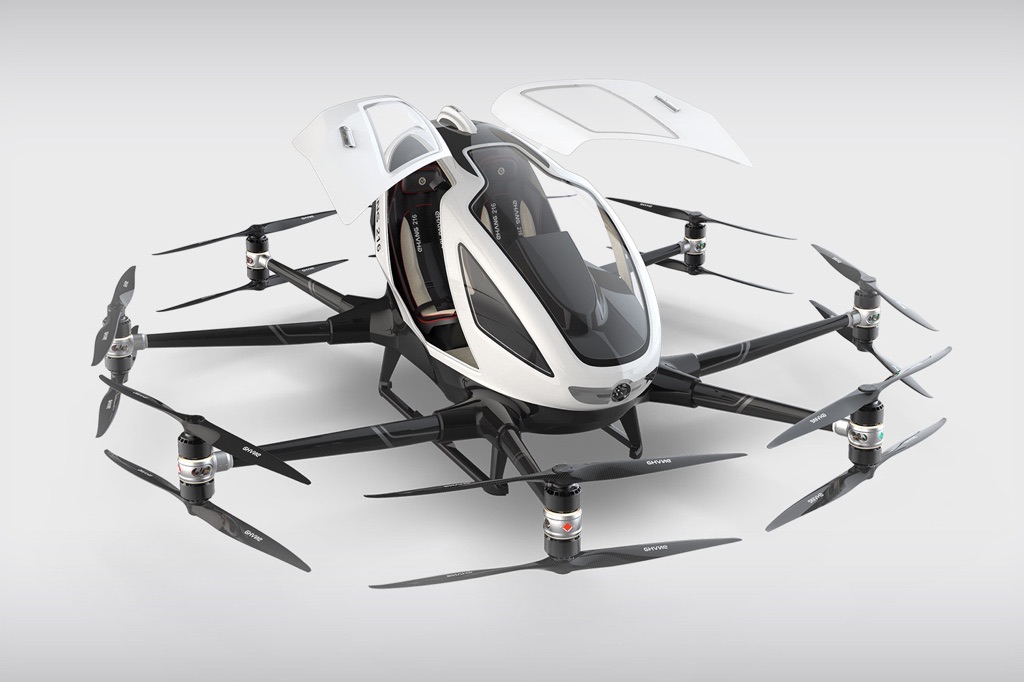
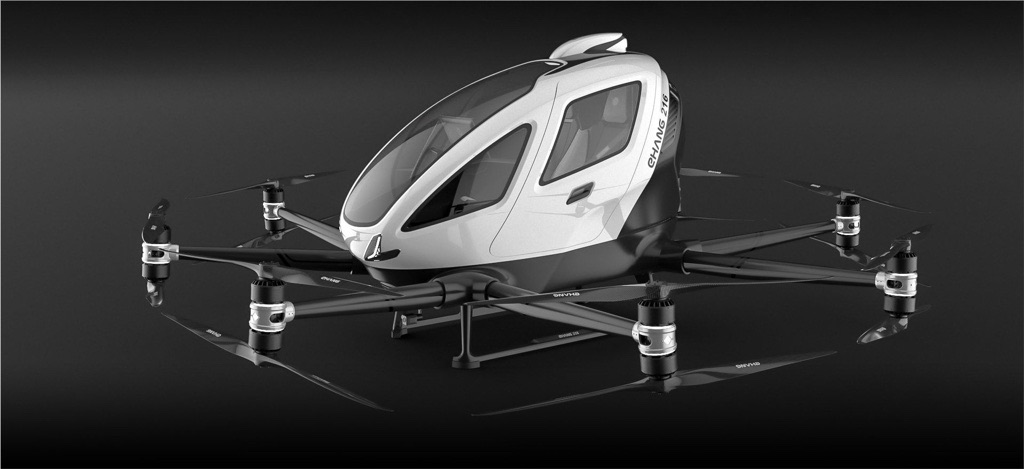
EHang 216 passenger drone
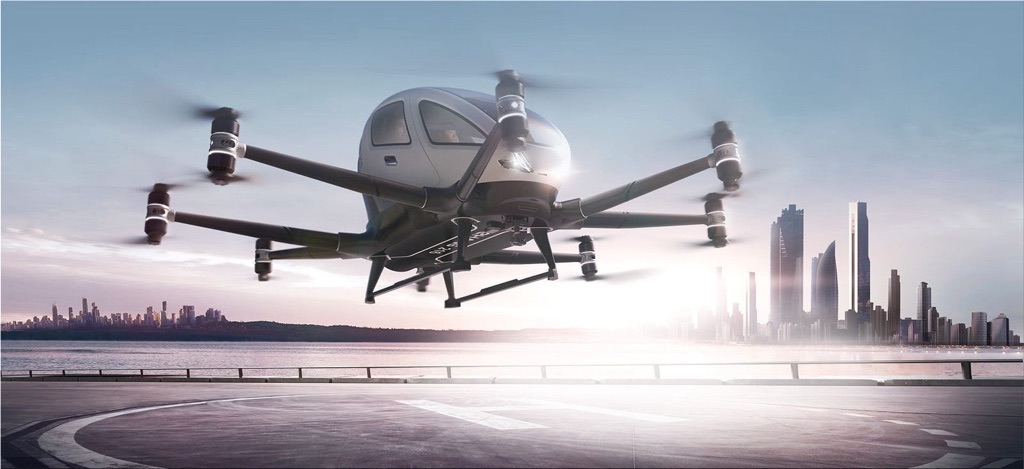
EHang 216 passenger drone
EHang 216 passenger drone
Purpose of the Norwegian Tests
EHang will use the Norwegian trials to:
Collect real-time flight behavior data
Support certification efforts
Validate operations in harsh weather and remote environments
In addition to passenger transport scenarios, the EHang 216 will be evaluated for:
Logistics and delivery missions
Wind turbine inspection
Industrial and infrastructure support operations
EHang 216: Key Technical Specifications
The EHang 216 is a fully autonomous aerial vehicle (AAV) designed for short-range urban and industrial use.
Seating: 2 passengers
Propulsion: 16 electric motors with propellers
Empty weight: 360 kg
Maximum payload: 260 kg
Range: up to 35 km
Top speed: 130 km/h
Powertrain: Fully electric, autonomous
Strategic Focus on Norway’s Energy Sector
EHang sees strong potential for its AAV technology in Norway’s energy industry.
Hu Huazhi, Founder, Chairman, and CEO of EHang, stated:
“In the new wave of development of the oil industry in Norway, EHang expects to empower the O&G industry with our AAV technologies to reduce costs and increase efficiencies, and promote the use of green energy.”
He also highlighted EHang’s growing European footprint, citing partnerships with Vodafone, FACC, and ProSiebenSat.1 Group.
EHang 216 passenger drone
Urban Air Mobility Pilot Planned in Seville
Alongside the Norwegian approval, EHang has signed a cooperation agreement with the city of Seville to launch a pilot project for urban air mobility (UAM).
The partnership focuses on:
Passenger transport trials
Coordination on flight permits
Compliance with Spanish and European aviation regulations
Seville has committed to supporting EHang in the regulatory application process, paving the way for future autonomous passenger flights in urban environments.
Seville Mayor Juan Espadas Cejas commented:
“Establishing the partnership with EHang, one of the world’s leading UAM enterprises, is a great opportunity for Seville. Our city has a rich legacy in European aviation, which we believe can promote EHang’s AAV tests, operations, and permitting applications both in Spain and Europe.”
EHang 216 passenger drone
EHang’s Global Regulatory Progress
EHang has been listed on Nasdaq since late 2019. In early 2020, the company also received a special flight permit from the Federal Aviation Administration, enabling its first EHang 216 test flights in the United States.
Over the past two years, EHang says it has expanded its European partnerships to include:
DHL
Vodafone
FACC
ProSiebenSat.1 Media
Why This Matters
With operational permits now secured in Norway and regulatory cooperation underway in Spain, EHang is positioning itself as one of the first companies to move autonomous passenger drones from demonstration to regulated testing in Europe.
These projects signal growing acceptance of electric, autonomous air mobility for both industrial and passenger use — and could play a key role in shaping future European regulations for flying taxis.