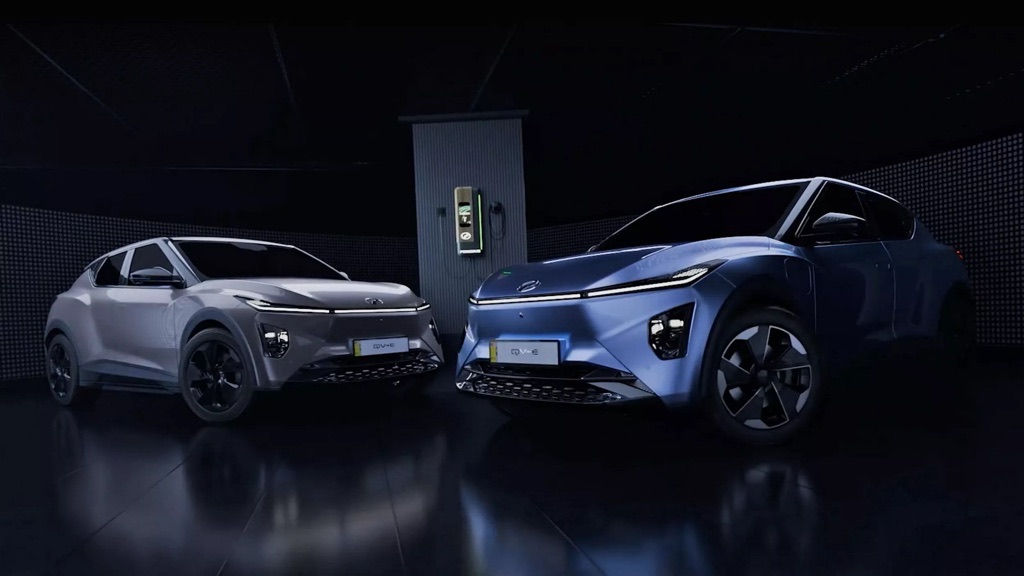
Perodua QV-E Debuts as Malaysia’s First Homegrown EV—But the Battery Comes on a 9-Year Lease
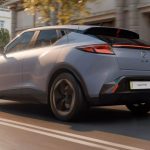
Malaysia has entered the electric vehicle market with its first domestically developed model, the Perodua QV-E, a subcompact electric crossover priced from just 80,000 ringgit (€16,600 / $19,400). The low entry price makes it one of the most affordable EVs in the region, but there is an important caveat: buyers do not own the battery.
Instead, the QV-E uses a Battery-as-a-Service (BaaS) model that significantly reduces the upfront cost but requires a nine-year monthly battery lease.
Battery Leasing: How It Works
The QV-E’s price excludes the 52.5 kWh CATL battery pack. Owners must sign a contract requiring a payment of:
-
275 ringgit (€57 / $67) per month
-
Over 9 years → ~€6,177 / $7,200 total
Brands like Nio, VinFast, and Renault have used similar models to keep EVs affordable by separating the battery — the most expensive component — from the vehicle purchase.
Perodua CEO Zainal Abidin Ahmad says the subscription model ensures a lifetime battery guarantee, reducing long-term owner anxiety about degradation or replacement costs.
Powertrain and Performance
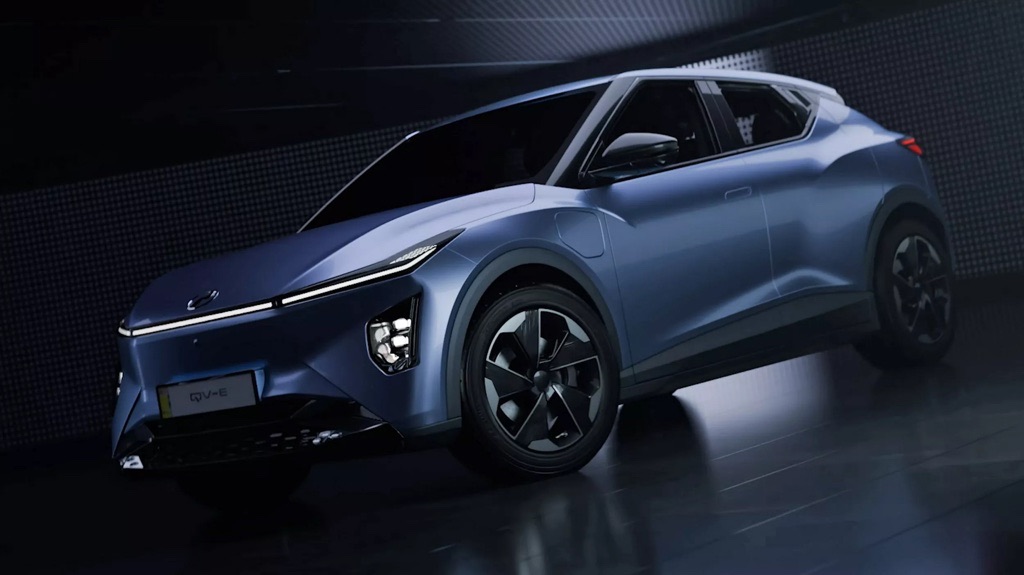
The Perodua QV-E uses a single front-mounted electric motor delivering:
-
201 hp (150 kW / 204 PS)
-
285 Nm (210 lb-ft)
-
0–100 km/h in 7.5 seconds
For a subcompact crossover, these numbers provide strong acceleration for city and highway driving.

Range and Battery Specs
The CATL-supplied 52.5 kWh LFP battery offers:
-
445 km (276 miles) NEDC range
However, the NEDC cycle is notoriously optimistic. On the EPA cycle, the estimated range would be closer to:
-
~327 km (203 miles)
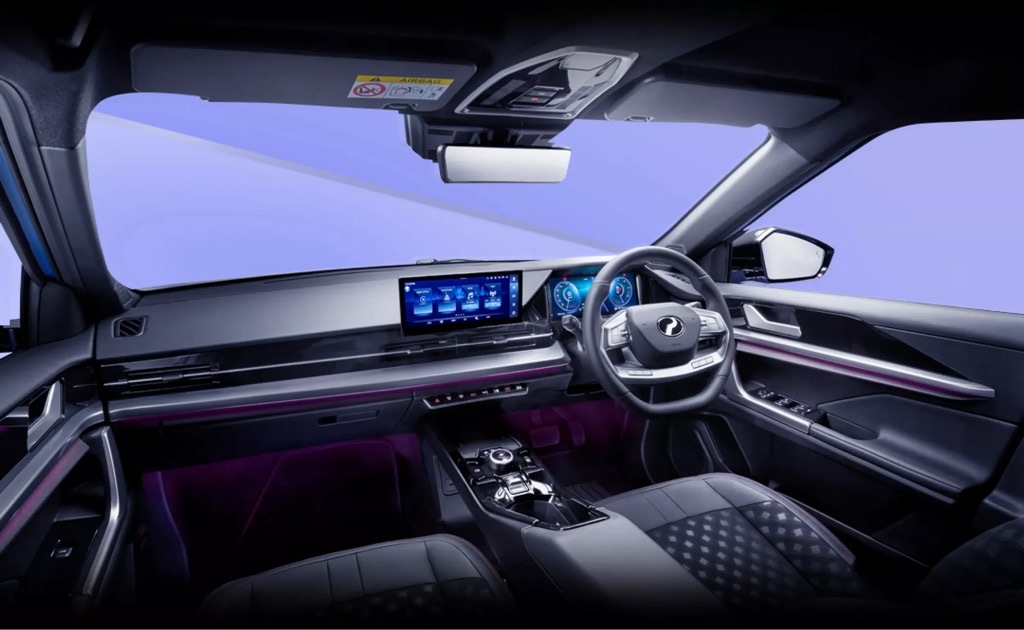
The QV-E supports vehicle-to-load (V2L), allowing the car to power laptops, tools, camping equipment, or emergency devices—useful for outdoor activities and power outages.
Engineering, Production, and Scaling
Perodua invested nearly €171 million into the QV-E program and partnered with Magna Steyr for engineering. Production will take place in Malaysia with:
-
Initial output: 500 units/month
-
By Q3 2026: ramp up to 3,000 units/month
The company also aims for:
-
50% local parts content by 2026
-
70% by 2030
This slow start allows Perodua to manage quality control before scaling — a lesson learned from younger EV companies like VinFast.
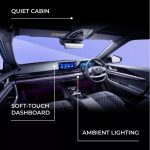
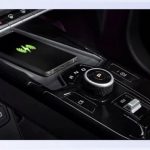

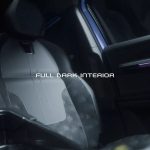
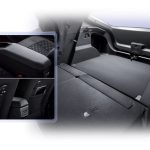
A Major Step for Malaysia’s EV Market
Malaysia plans for 15% of new car sales to be electric by 2030, and the QV-E marks a crucial milestone. The competitive price makes EV ownership accessible to more buyers — provided they’re comfortable leasing the battery for nine years.
For consumers, the decision is simple:
✓ Low upfront price
✗ Long-term monthly battery cost
Still, the QV-E represents a significant advancement for Malaysia’s automotive industry and a promising start for a locally built EV.